 5-star Wellness Resort
 5-star Wellness Resort

Written by: Chris Butt, Certified Personal Trainer & Weight Loss Coach, Premier Fitness Camp
Talk Through Your Lipid Panel With a Coach
This guide evaluates each supplement using the same criteria: strength of human evidence, realistic LDL effect range with a named source, who it suits, key interactions and side effects, and the food-first alternative. Supplements are graded by evidence quality, not scored or ranked by a numeric system, and no specific brands are endorsed.
One regulatory fact applies to every supplement here: the FDA does not approve or test dietary supplements, their contents, or their labels before sale, and manufacturers are responsible for following current good manufacturing practices to help ensure identity, purity, quality, strength, and composition. Third-party testing matters. The NIH’s National Center for Complementary and Integrative Health (NCCIH) and Mayo Clinic are the institutional anchors cited throughout.
The comparison table below summarizes the strongest evidence. Supplements without a comparable percentage LDL reduction from a named source appear in prose instead of being forced into the table.
Plant sterols and stanols are naturally occurring compounds in plants that block intestinal cholesterol absorption by competing for incorporation into intestinal micelles. Mayo Clinic cites a realistic LDL reduction of roughly 5–15% with consistent use. A meta-analysis of 41 trials confirmed a dose-response relationship: 2 g/day of stanols or sterols reduced LDL by approximately 10%, and combining plant sterols with a low-saturated-fat diet can push that reduction toward 20%.
The standard practical dose is 2 grams per day, taken with meals. That dose is easiest to reach through fortified spreads, certain orange juices, or supplement capsules. Because sterols are an adjunct rather than a statin replacement, they fit best for adults with mildly to moderately elevated LDL who are already making dietary changes. Anyone already on lipid-lowering therapy should get physician sign-off before adding them, since the interaction profile is not fully characterized in all combinations.
The food-first alternative uses fortified plant-based spreads, nuts, and plant oils to deliver sterols without a pill. Reaching 2 g/day through food alone requires consistent use of specifically fortified products, so supplemental forms are often more practical for hitting the therapeutic dose.
Psyllium is a soluble fiber from Plantago ovata seed husks. Its gel binds bile acids in the gut so they exit in stool. The liver then draws LDL cholesterol from the blood to synthesize replacements, which mirrors the mechanism of prescription bile acid sequestrants. MedlinePlus recommends 10 to 25 grams of soluble fiber per day to help prevent cholesterol absorption but does not state a specific LDL reduction percentage.
A 2025 systematic review by Gholami and Paknahad analyzed 41 randomized trials with 2,049 participants. It found psyllium significantly reduced LDL cholesterol by a weighted mean difference of 8.55 mg/dL. The 2018 Jovanovski meta-analysis of 28 RCTs found a median dose of 10.2 g/day reduced LDL by approximately 13 mg/dL, roughly a 7–10% reduction. That evidence is strong enough that, since 1998, the FDA has permitted psyllium products to carry a heart-health claim, one of very few fiber claims the agency recognizes.
The most common real-world complaint is GI discomfort. Starting with a lower dose of 3–5 g/day and increasing slowly over two to four weeks while increasing water intake reduces bloating. Every dose requires at least 8 ounces (240 ml) of water immediately. Without adequate fluid, psyllium can swell in the upper GI tract and create an obstruction risk.
Soluble fiber can reduce absorption of certain medications. Psyllium should be taken at least two hours apart from statins, antihypertensives, anticoagulants, and thyroid medication. A pharmacist can advise on timing relative to a specific medication regimen.
Plant sterols vs. psyllium: Both have strong human evidence and use different mechanisms. Sterols block cholesterol absorption, while psyllium binds bile acids. They are not interchangeable but can work together. Plant sterols usually produce a slightly larger percentage LDL reduction at standard doses. Psyllium also modestly lowers blood pressure and blood glucose in some populations and carries an FDA health claim. Either can be a reasonable starting point for a physician conversation.
The food-first alternative relies on consistent, deliberate meal planning. One cup of cooked oatmeal provides roughly 2 g of soluble fiber, though some references list up to about 2.4 g depending on the source and preparation. One cup of cooked black beans provides approximately 4.8 g, based on the NIH/NCBI Endotext table. Two tablespoons of ground flaxseed provide about 3.8–4 g of total dietary fiber, of which roughly one-third, about 1.3 g, is soluble fiber. Reaching 10 g of soluble fiber daily through food alone requires planning across oats, barley, beans, lentils, and flaxseed at multiple meals.
Red yeast rice is produced by fermenting white rice with the mold Monascus purpureus. It contains a group of compounds called monacolins, the most pharmacologically active of which is monacolin K. Monacolin K is chemically and structurally identical to lovastatin, the first statin approved by the FDA for managing high cholesterol. Red yeast rice therefore acts as a statin in terms of its active compound.
That identity explains both the effect and the risk. Red yeast rice products that contain substantial amounts of monacolin K can lower LDL cholesterol, though the amount of monacolin K varies widely and is not usually listed on labels; a 2019 review reports that daily monacolin K reduces LDL cholesterol by approximately 15–25% within 6 to 8 weeks. The problem is that monacolin K content in commercial red yeast rice products ranges from undetectable to 78.4 mg/g dry weight, a 40-fold variation. A fixed 1 g daily dose can deliver anywhere from 4.5 mg to 78.4 mg of monacolin K. A given product may therefore fail to reach a therapeutic threshold or dramatically exceed a safe one.
NCCIH advises consumers not to use red yeast rice to replace conventional care or to postpone seeing a health care provider about a health problem, and the 2026 ACC/AHA dyslipidemia guideline explicitly includes red yeast rice among supplements covered by its Class III No Benefit recommendation. The FDA has sent warnings to companies marketing high-monacolin products as dietary supplements, because those products legally constitute unapproved drugs.
The side-effect profile mirrors statins and includes muscle aches, liver enzyme elevation, and rare rhabdomyolysis. The European Food Safety Authority reaffirmed in its 2025 scientific opinion that citrinin contamination remains a major safety hazard, with unoptimized fermentation processes producing citrinin levels exceeding the EU maximum limit by up to 40-fold. Anyone already taking a statin should avoid adding red yeast rice without explicit physician guidance, because the combination stacks statin-class risk without a proportional benefit.
Red yeast rice has origins in traditional Chinese medicine, where fermented red rice has been used for centuries to support digestion and circulation. Researchers later identified its cholesterol-lowering properties when they isolated monacolin K from the fermentation product. The traditional use predates the understanding of its statin-equivalent mechanism, which is why the safety framing matters: a traditional food and a prescription-equivalent drug can occupy the same bottle.
Omega-3 fatty acids (EPA/DHA): The American Heart Association recognizes omega-3 fatty acids (EPA and DHA) at a dose of 4 g/d as an effective and safe option for reducing triglycerides in patients with hypertriglyceridemia and notes broader cardiovascular benefits from seafood omega-3 consumption, including reduced risk of cardiac death, coronary heart disease, ischemic stroke, and heart failure. Meta-analyses confirm that 3–4 g/day of EPA + DHA can reduce triglycerides by 20–50% in individuals with serum triglycerides exceeding 150 mg/dL, but the overall effect on LDL-C is not significant. DHA has been shown to modestly increase LDL-C in patients with elevated triglycerides, so pure EPA is often preferred for patients on statins with residual hypertriglyceridemia. Omega-3s interact with blood thinners, so anyone on anticoagulants should discuss dose and timing with their physician.
Flaxseed: A study of 40 grams of flaxseed-containing baked products daily found a significant 13% LDL reduction at five weeks but only a non-significant 7% reduction at ten weeks, alongside HDL reductions that complicate the picture. The evidence for flaxseed as a standalone LDL-lowering supplement is inconsistent. Ground flaxseed as a food, added to oatmeal, yogurt, or smoothies, contributes soluble fiber and alpha-linolenic acid and is a reasonable dietary addition, but it should not serve as a primary strategy for LDL reduction.
Garlic: A study of 192 patients found that raw garlic, powdered garlic supplement, and aged garlic extract produced no significant effect on LDL-C, HDL-C, total cholesterol, or triglycerides after six months compared with placebo. The National Lipid Association review concluded garlic has been shown to have no beneficial effect on cholesterol lowering and should not be recommended for that purpose. Garlic interacts with blood thinners and should be flagged to a physician or pharmacist.
Green tea: Meta-analyses of more than 20 RCTs show green tea catechins produce modest reductions in total cholesterol (5–8 mg/dL) and LDL-C (2–7 mg/dL). The effect is real but small, and the evidence is more consistent in populations with elevated baseline cholesterol. Green tea as a beverage is a reasonable dietary choice. High-dose green tea extract supplements carry hepatotoxicity risk at very high doses and should not be self-prescribed without medical guidance.
Niacin: At doses of 1–2 g/day, niacin can increase HDL-C by 20–25% and decrease LDL-C by 12–20%, but two large modern trials, AIM-HIGH (3,414 patients) and HPS2-THRIVE (25,673 patients), showed no incremental cardiovascular benefit when niacin was added to intensive statin therapy, and HPS2-THRIVE documented excess adverse effects including myopathy, diabetes exacerbation, GI symptoms, and infections. Niacin should not be self-prescribed. It interacts with blood thinners, fibrates, and statins and carries meaningful side effects at therapeutic doses.
For most people with clinically elevated LDL, no supplement matches the LDL-lowering magnitude of a statin. The 2026 ACC/AHA dyslipidemia guideline does not recommend dietary supplements as a substitute for lipid-lowering therapy. Cardiologists weigh a well-documented reduction in heart attack and stroke risk against a side-effect profile that, while real, is often overstated. The 2021 SAMSON and STATINWISE trials showed no significant differences in myalgia between placebo and statin treatment, leading experts to estimate the true prevalence of statin-attributed muscle symptoms at around 5%, far lower than the 62% self-reported rate in patient surveys.
Some people with mildly elevated LDL and low cardiovascular risk can reverse high cholesterol through structured lifestyle change. Diet, exercise, and weight change can move LDL meaningfully in that group. The 2026 ACC/AHA guideline’s lead authors emphasize keeping prevention simple, starting with accurate risk assessment and prioritizing diet and physical activity. Whether lifestyle change alone is sufficient is a decision to make with a physician based on actual cardiovascular risk, not a conclusion to reach alone from a supplement guide.
Integrative and holistic physicians often use a food-first framework. They increase soluble fiber, replace saturated fats with monounsaturated fats from olive oil, avocados, and nuts, add plant sterols and psyllium, manage stress, and prioritize movement. Holistic family medicine protocols list plant sterols and stanols, red yeast rice monitored like statin therapy, omega-3 fatty acids, and niacin as targeted supplements used under clinical supervision. Integrative physicians still monitor lipid panels and do not abandon prescribed therapy without data. Their approach combines lifestyle and, where appropriate, pharmacologic management.
Readers managing both elevated LDL and elevated blood pressure face a compounded interaction risk. Supplements marketed for one condition can interact with medications prescribed for the other. Omega-3s, garlic, and niacin all interact with antihypertensive and anticoagulant medications. Red yeast rice carries the full statin interaction profile, which includes several blood pressure medications. Before adding any supplement to a regimen that already includes antihypertensives, a pharmacist review of the complete medication list is the safest first step.
Lifestyle change, including sodium reduction, consistent movement, weight change, and improved sleep, moves both LDL and blood pressure simultaneously. The National Lipid Association’s 2023 Clinical Perspective notes that combining nutrition interventions can have additive effects for reducing LDL-C and strongly recommends the assistance of a registered dietitian to help patients make and sustain dietary changes. Structured programs that address both conditions through supervised lifestyle change outperform single-ingredient supplements for readers managing both numbers.
Supplements act as a convenience delivery mechanism for compounds that exist in food. To approach a 10 g/day psyllium-equivalent soluble fiber dose through whole foods alone, a realistic daily intake would include:
That combination, with oatmeal at breakfast, a legume-based lunch or dinner, flaxseed added to a meal, and a piece of fruit, can approach the therapeutic soluble fiber range. It requires deliberate, consistent meal planning at multiple eating occasions. A 2023 dose-response meta-analysis of 181 studies with 14,505 participants found that soluble fiber reduced LDL cholesterol by approximately 8.28 mg/dL overall, and triglyceride reduction was greatest at approximately 15 g/day. Diet changes can move LDL faster than most supplements, and supplements work best as an adjunct to a food-first pattern.
Knowing what to eat differs from sustaining it. Behavioral change, meal planning, cooking skills, and accountability form the gap between information and results. That gap is why structured, supervised programs exist, and it is the standard against which any program, including Premier Fitness Camp, should be judged.
Readers who want to move cholesterol and other health markers through structured, expert-led lifestyle change rather than supplements alone can consider Premier Fitness Camp as a concrete option.

Premier Fitness Camp operates at the Omni La Costa Resort & Spa in Carlsbad, California, and follows a “Think, Eat, Move” philosophy that addresses the whole person. Certified trainers, registered dietitians, wellness chefs, and licensed psychologists work together in a single immersive program. Clients train 4–5 hours per day with a 3–4:1 client-to-trainer ratio. Every meal is prepared on-site by Premier Fitness Camp’s wellness chefs using fresh, farm-to-fork ingredients, rather than relying on off-site catering or generic menus.

For a cholesterol-focused reader, Premier Fitness Camp’s weekly report card is the most relevant proof point. Seventeen data points are tracked weekly, including LDL, HDL, triglycerides, and glucose alongside weight, body fat, blood pressure, body measurements, and fitness measures. Progress becomes visible beyond the scale. A UCSD case study, not a clinical trial, of Premier Fitness Camp participants who stayed four or more weeks and received DEXA scans found that 94% of total weight loss was purely fat, compared with the 60/40 fat-to-muscle ratio typical of standard dieting. Preserving lean muscle protects resting metabolic rate, which supports lasting results and reduces the likelihood of weight regain after the program.

Premier Fitness Camp has earned 1,200+ reviews with a 90%+ five-star rating, and 50% of annual revenue comes from returning alumni, which reflects sustained satisfaction rather than a one-time experience. Stays start at one week. Premier Fitness Camp welcomes clients on GLP-1 medications and provides a supportive, non-judgmental environment for their health journey.

Alternatives include gym memberships and personal trainers, which typically involve 3–4 hours of exercise per week and rarely offer in-depth nutrition education or behavioral health counseling. Online apps provide convenience without expert guidance or immersive community. Wellness resorts focus on relaxation rather than structured, results-driven programming. Premier Fitness Camp is a premium, in-person, live-in experience that requires time and financial investment. It is not the only option that tracks LDL, HDL, triglycerides, and glucose; SiPhox Health’s Heart & Metabolic Program also tracks these markers with at-home testing available monthly, quarterly, or every 6 months.
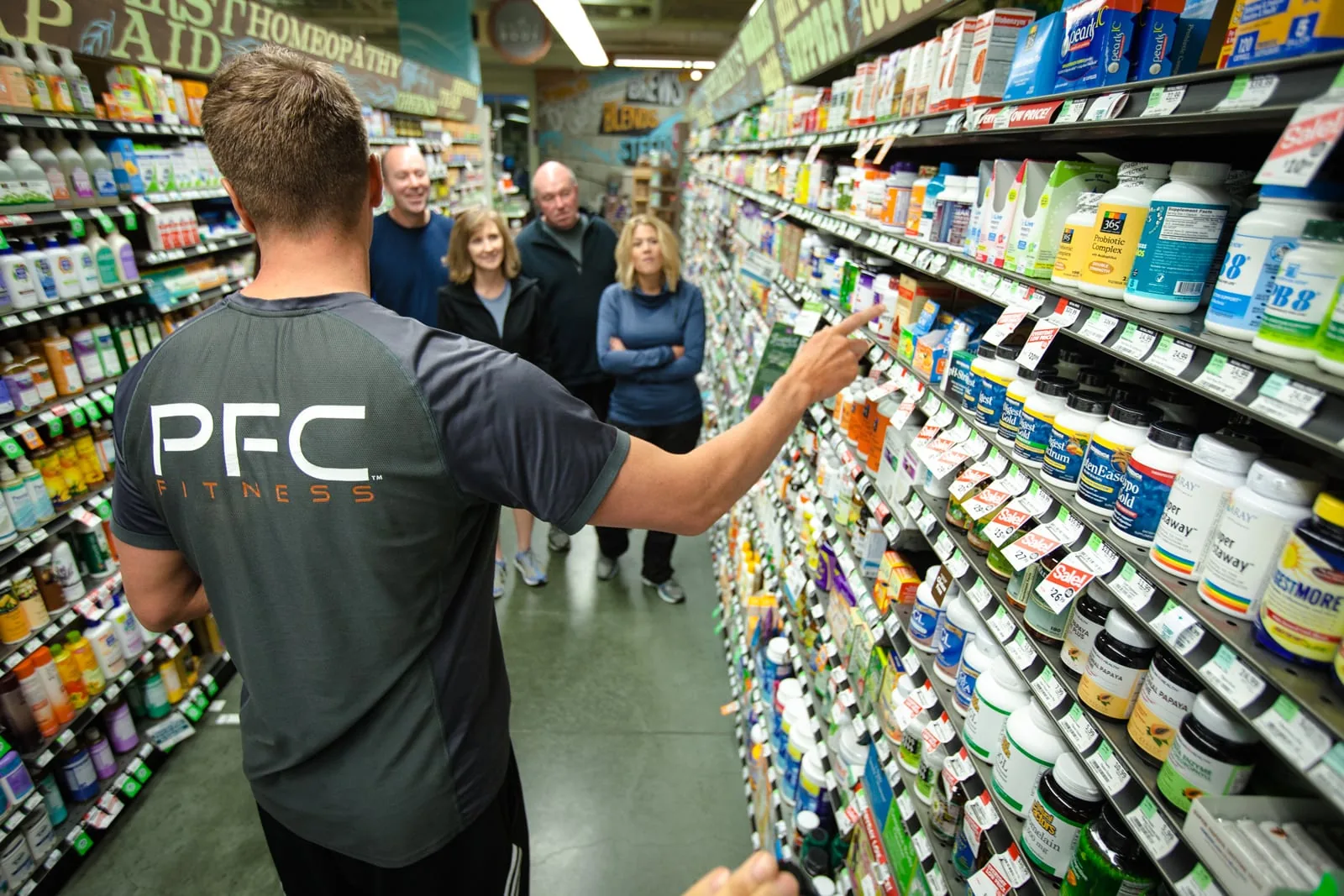
Explore a Supervised Lifestyle Change Week
Bring this checklist to your next appointment so the plan for supplements fits your actual risk and medications.
Supplements serve as an adjunct to a physician-supervised plan. The label on the bottle does not guarantee what is inside it.
This guide points to a middle path between dismissing supplements and treating them as statin substitutes.
Readers who understand where each supplement fits on that spectrum are better prepared for an honest conversation with their physician and better positioned to choose steps that actually move their numbers.
The next step is to bring the doctor-conversation checklist above to your appointment. Readers who want to pair that medical plan with structured, expert-led lifestyle change and weekly lipid tracking can consider Premier Fitness Camp in Carlsbad, California, which has 1,200+ reviews, a 90%+ five-star rating, and 50% of annual revenue from returning alumni.
Schedule a Call With the Premier Fitness Camp Team
For people with mildly elevated LDL and low calculated cardiovascular risk, structured dietary change can sometimes achieve meaningful LDL reductions without statins. That pattern usually includes increasing soluble fiber, reducing saturated fat, adding plant sterols, and losing weight if indicated. Plant sterols at 2 g/day and psyllium at about 7–10 g/day together could plausibly reduce LDL by roughly 14%, based on a randomized double-blind crossover trial in hypercholesterolemic subjects; separate evidence suggests plant sterols at 1–2 g/day lower LDL by about 10% and psyllium at about 10 g/day lowers LDL by about 13 mg/dL. Those numbers apply to selected study populations and do not replace individualized medical advice. People with higher baseline risk or very elevated LDL usually need prescription lipid-lowering therapy in addition to lifestyle and any supplement plan.