 5-star Wellness Resort
 5-star Wellness Resort
Written by: Chris Butt, Certified Personal Trainer & Weight Loss Coach, Premier Fitness Camp
Generic exercise advice, such as “move more, eat less,” rarely works for adults 40–60 because it ignores how age changes the body. Metabolic rate slows with age, so the body burns fewer calories at rest and responds more slowly to exercise. Joint wear and tear builds over time, so knees and hips that tolerated high-impact activity at 30 may not at 50. These physical shifts intersect with long-standing habits around food, stress, and sedentary time, creating a layered challenge that quick tips cannot solve. A plan that overlooks any of these dimensions usually produces short-term progress followed by regression.
The 2026 ACC/AHA dyslipidemia guideline recommends improving lifestyle management alongside considering lipid-lowering medication. It also notes that medication should be added earlier than in prior guidelines if lipid numbers remain outside desirable ranges after lifestyle efforts. This framing positions lifestyle change as the clinical first line, not a consolation prize.
Two exercise modalities drive the most meaningful cholesterol changes. Aerobic exercise primarily raises HDL and lowers triglycerides. Resistance training reduces LDL, total cholesterol, and non-HDL cholesterol. A 2025 meta-analysis by Liang et al. of 42 randomized controlled trials found that aerobic exercise produced the largest improvement in HDL cholesterol in middle-aged and older adults, outperforming resistance training and stretching. A separate meta-analysis by Kelley and Kelley of 29 randomized controlled trials involving 1,329 adults found that progressive resistance training produced statistically significant LDL reductions of 6.1 mg/dL (−4.6%), along with reductions in total cholesterol, non-HDL cholesterol, and triglycerides. Combining both modalities produces the broadest lipid benefit, especially for adults in midlife.
The post-GLP-1 landscape makes this combined approach even more urgent. Adults who have used medications such as Ozempic or Wegovy often lose muscle mass alongside fat, which lowers resting metabolic rate and increases the risk of rapid weight regain. An education-based, resistance-inclusive exercise program offers an evidence-supported path to rebuilding muscle and metabolic health that medication alone cannot restore.
Talk with a Premier Fitness Camp specialist about your cholesterol goals and how the “Think, Eat, Move” program can provide the structured foundation your body needs.
Brisk walking for 30 minutes a day can help lower cholesterol when performed consistently and at the right intensity. A 2004 meta-analysis of 25 randomized controlled trials found that walking reduced LDL cholesterol and the total cholesterol/HDL ratio in adults. The 2002 STRRIDE trial examined walking approximately 12 miles per week in sedentary adults with overweight and showed meaningful lipid changes. Walking provides a legitimate starting point, yet it does not create a complete program on its own. The five steps below build a fuller structure around that walking base.

Research consistently shows that combining aerobic and resistance training produces the most comprehensive lipid improvements. A 2026 systematic review and meta-analysis of 14 randomized controlled trials found that aerobic exercise–based combined interventions were associated with LDL reductions of 9.25 mg/dL and HDL increases of 2.37 mg/dL. A 2014 network meta-analysis in Diabetologia reported that combined aerobic plus resistance training outperformed either modality alone on composite metabolic markers.
Consider a 52-year-old executive with LDL of 128 mg/dL, HDL of 42 mg/dL, and bilateral knee discomfort from years of desk work. High-intensity interval training might improve HDL faster than steady-state walking, yet the joint stress and recovery demands make it an unsustainable starting point. A SMART goal for this person could read, “Walk briskly for 30 minutes on 5 days per week and complete 2 resistance sessions per week for 12 weeks, then retest my lipid panel.” The stages-of-change framework places many beginners in contemplation or preparation, and this plan moves them into action without the overreach that often causes dropout.
Group settings often outperform solo exercise for long-term adherence. Social accountability, shared effort, and expert guidance in a structured group program address the behavioral side of change that individual gym memberships rarely cover. The 3–4:1 trainer-to-client ratio and community environment at Premier Fitness Camp are designed around this evidence.

Find the right exercise combination for your joint concerns by speaking with a specialist about your current health status and cholesterol goals.
Initial cholesterol improvements from consistent moderate exercise typically appear within 8–12 weeks, with further changes over the first 12–16 weeks before benefits plateau without additional lifestyle adjustments. Moderate-intensity exercise typically lowers LDL by 5–8% and raises HDL by about 6–7% over 12–16 weeks of consistent activity, and these lipid improvements can occur even without weight loss. The 2026 ACC/AHA guidelines recommend retesting with a lipid panel 4–12 weeks after starting lipid-lowering therapy, and many clinicians prefer two to three months for a clearer picture.
Common challenges and their evidence-based solutions include the following:
The table below outlines a 4-week progressive plan that aligns with AHA recommendations of 150 minutes per week of moderate-intensity aerobic activity plus muscle-strengthening on two or more days per week. Aerobic intensity targets 55–70% of maximum heart rate per Cleveland Clinic’s Van Iterson. Resistance progressions follow the ACSM guideline of no more than a 10% volume increase per week. At Premier Fitness Camp, all 17 data points on the weekly report card, including LDL, HDL, triglycerides, blood pressure, mile time, plank hold, and push-ups, are tracked from day one to provide objective evidence of progress beyond the scale.
| Week | Aerobic Target | Resistance Sessions | Joint-Friendly Modifications |
|---|---|---|---|
| 1 | 20–30 min brisk walking or recumbent cycling, 3–4 days (~90 min total) | 1 session: 10 chair squats, 10 wall push-ups, 30 sec seated marching, 10 glute bridges, 2 sets | Replace walking with pool walking or water aerobics; use a recumbent bike for knee concerns |
| 2 | 30–40 min, 4 days (~130 min total) | 1–2 sessions: add lateral band walks (8–12 steps each direction) and glute bridges (10–12 reps, 2–3 sets) | Use an elliptical or seated stepper for hip or ankle discomfort; choose wall push-ups instead of floor push-ups |
| 3 | 150 min target reached: 30 min, 5 days | 2 sessions: 6–8 exercises, 2–3 sets of 8–15 reps, including resistance band rows, clamshells, and hip hinges | Choose aqua jogging or swimming for high joint sensitivity; use an incline wall plank instead of a floor plank |
| 4 | 150–200 min: increase session duration to 35–40 min or add a 6th day | 2 sessions with progressive load: add light dumbbells or more resistance band tension; introduce machine-based leg press and seated cable row at 10–12 reps, 2–3 sets | Monitor joint response 24–48 hours after sessions and reduce load if swelling or pain increases |
The UCSD case study of participants who stayed four or more weeks found that 94% of total weight loss came from fat rather than muscle. This result contrasts sharply with the roughly 50/50 fat-to-muscle split seen in many aggressive weight loss programs. The combination of structured resistance training, expert nutrition guidance, and behavioral support at Premier Fitness Camp drives that outcome, and the 4-week framework above mirrors that structure at home.
Cholesterol improvement represents one important marker among many. Objective markers worth tracking include a 5–10% LDL reduction at the 8–12 week retest, HDL increases of approximately 1–5 mg/dL, improved mile time, longer plank holds, higher push-up counts, and better blood pressure readings. Subjective markers such as energy levels, sleep quality, mood stability, and ease of daily movement often improve before the lipid panel and provide early confirmation that the program is working.
Weekly logs of session duration, perceived effort, and joint feedback create a data trail that reveals patterns a single weigh-in cannot show. The strongest HDL improvements from exercise often come from programs lasting five months or longer, so the 4-week plan should serve as a beginning rather than a ceiling. Quarterly lab rechecks allow objective comparison against baseline. Treat short-term signals such as energy and sleep as early wins and use 8–12 week trends in lipid panels, blood pressure, and body composition as your deeper progress markers.
Premier Fitness Camp tracks all 17 data points weekly, including weight, body fat, seven body measurements, blood pressure, LDL, HDL, triglycerides, glucose, mile time, plank hold, and push-ups. Coaches review these metrics with each client in a one-on-one report card session. This level of data-driven accountability separates a structured program from a self-directed routine.
Explore the 17-point tracking system to see how objective data can support your cholesterol journey. Call (888) 488-8936 or use the link to schedule your personalized conversation.
After 8–12 weeks of consistent combined aerobic and resistance training, the body adapts and progress slows unless you apply progressive overload. As noted earlier, meaningful LDL reduction typically appears within the 8–12 week window, with further improvements possible over 3–6 months. Moderate aerobic exercise of about 120–180 minutes per week (3 sessions of 30–60 minutes) yields modest HDL increases of roughly 5% and LDL reductions of 4–6% within 8–10 weeks, with larger HDL gains at higher volumes or intensities.
Periodized training blocks help prevent plateaus. Alternate 4-week phases that emphasize volume with 4-week phases that emphasize intensity. Macro tracking with a registered dietitian adds precision. Each additional 10 minutes of aerobic exercise per session is linked to a 1.4 mg/dL HDL increase, and eliminating trans fats is the single most effective dietary change for improving the total to HDL cholesterol ratio. Maintenance planning should include at least 150 minutes per week of moderate activity as a non-negotiable floor, with resistance training maintained at two sessions per week to preserve lean muscle mass and metabolic rate.
Several signs suggest it is time to seek professional input. These include persistent LDL above 130 mg/dL after 12 weeks of consistent lifestyle change, joint pain that limits session completion, or a desire to accelerate results through an immersive, expert-supervised environment. The “Think, Eat, Move” program addresses behavioral health, nutrition education, and structured physical training together inside a luxury resort setting where your primary focus becomes transformation.
Consistent brisk walking for 30 minutes per day on most days of the week is associated with lower LDL cholesterol and an improved total cholesterol-to-HDL ratio. The key factor is consistency. Aim for a pace where you can hold a light conversation but feel your heart rate rise, which usually falls around 55–70% of your maximum heart rate. At the beginning, total weekly minutes matter more than intensity, and accumulating 150 minutes per week matches the evidence-supported minimum for meaningful lipid benefit. Walking alone creates a strong starting point, and adding two resistance training sessions per week produces broader cholesterol improvements than aerobic exercise alone.
The earliest measurable changes on a lipid panel usually appear after 6–8 weeks of consistent moderate exercise, with the most meaningful shifts between weeks 8 and 16. HDL improvements follow a similar timeline to LDL reductions. Clinical guidelines recommend waiting at least 4–6 weeks before retesting, and a full 2–3 months provides a clearer picture of both HDL and LDL shifts. The strongest HDL improvements from exercise often come from programs lasting five months or longer, so setting a 12-week retest as the first major checkpoint aligns with current evidence.
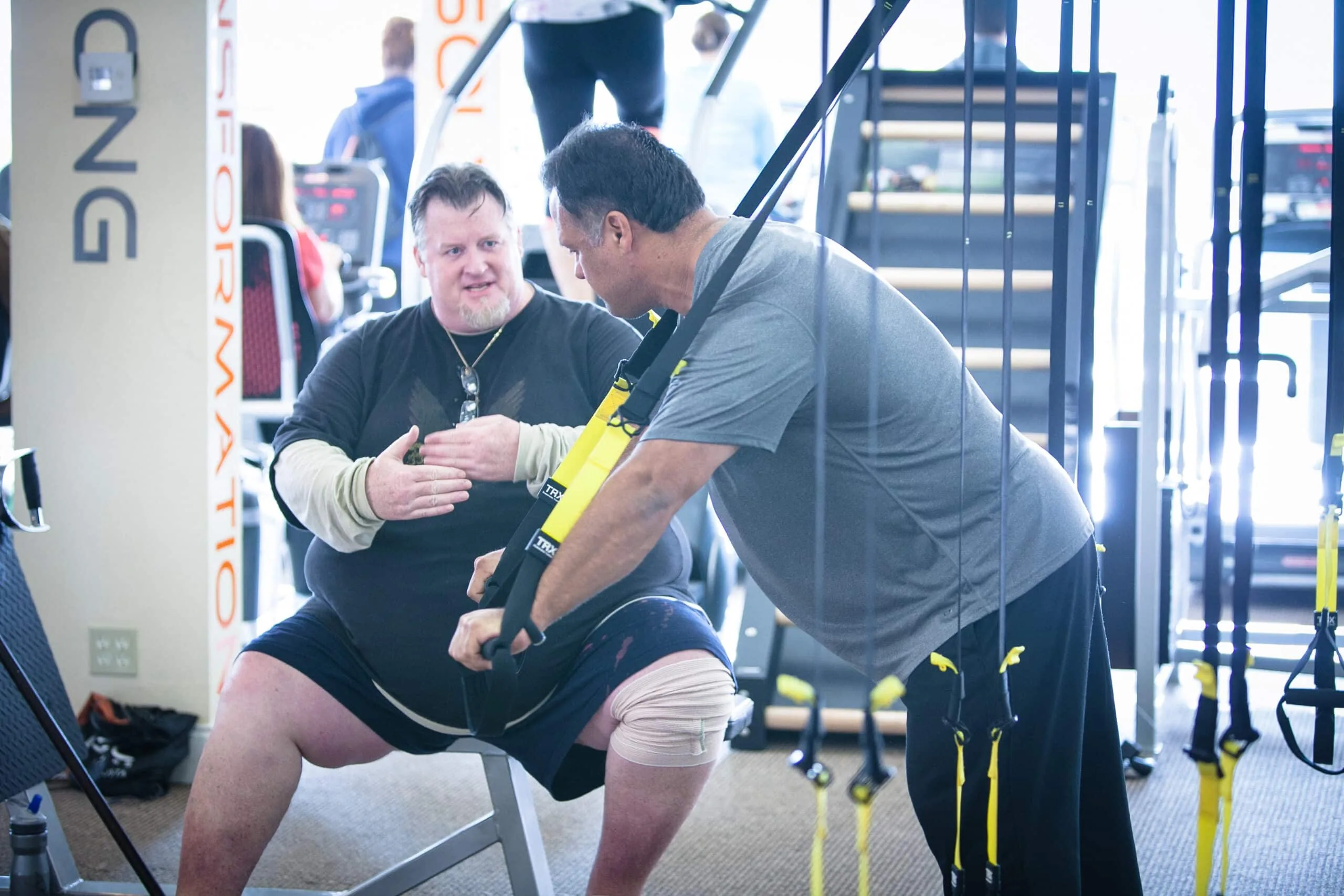
Joint concerns are common for adults 40–60 and can be managed with the right modifications. Water exercise can reduce joint stress by up to 90% due to buoyancy while still providing effective aerobic and resistance training. Recumbent cycling, elliptical training, and seated rowing all deliver cardiovascular benefits with minimal impact on knees, hips, and ankles. For resistance work, chair squats, wall push-ups, glute bridges, and resistance band exercises build strength without high joint loading. Work within a pain-free range of motion, monitor joint response 24–48 hours after each session, and substitute movements that cause discomfort rather than stopping entirely.
Exercise alone can improve cholesterol, yet combining it with dietary changes produces significantly larger effects. As discussed earlier, pairing dietary changes with exercise can roughly double LDL reduction compared with diet alone, moving from about 10% to around 20% over 12 months. The 2026 ACC/AHA cholesterol guidelines present exercise and dietary change as complementary first-line strategies rather than competing options. Practical dietary steps include reducing saturated fat, eliminating trans fats (the single most effective dietary change for improving the total to HDL cholesterol ratio), increasing soluble fiber intake, and focusing on whole foods, vegetables, legumes, and lean proteins. A registered dietitian can translate these principles into a sustainable eating pattern instead of a restrictive diet.
Exercise is generally safe and beneficial alongside cholesterol medication and becomes particularly important for adults coming off GLP-1 medications such as Ozempic or Wegovy. GLP-1 medications can cause muscle mass loss alongside fat loss, which lowers resting metabolic rate and increases the risk of weight regain when the medication is reduced or stopped. A resistance-inclusive exercise program helps rebuild lean muscle and protect metabolic rate during and after GLP-1 use. Always consult your physician or cardiologist before starting a new exercise program, especially if you have cardiovascular symptoms, multiple chronic conditions, or are adjusting medications. Medical clearance and a baseline lipid panel create a safe starting point for a personalized plan.
A 4-week plan on paper provides a strong starting framework. Lasting cholesterol improvement, such as the UCSD case study result showing 94% pure fat loss with lean muscle preserved, requires structured progression, expert accountability, integrated nutrition education, and behavioral support. Premier Fitness Camp delivers that combination at the Omni La Costa Resort in Carlsbad, California, where more than 1,200 reviews reflect a 90%+ five-star rating and about half of annual revenue comes from returning alumni who continue to come back for both results and experience.
Client Irene Tchaikovsky described her experience this way: “What began as a simple one-week reboot has transformed into a complete lifestyle shift. The program equips you with the knowledge, tools, and support to make meaningful—and sustainable—changes.”
The next step involves a simple conversation about your goals. Arrange your free consultation with the Premier Fitness Camp team to discuss your cholesterol numbers, joint concerns, and health priorities. Call (888) 488-8936 or visit premierfitnesscamp.com/book-a-consult to schedule your personalized consultation today.