 5-star Wellness Resort
 5-star Wellness Resort

Written by: Chris Butt, Certified Personal Trainer & Weight Loss Coach, Premier Fitness Camp
No food or beverage creates a clinically meaningful blood-pressure drop in five minutes. Blood pressure can begin to fall within a few hours after beetroot juice consumption, and that reduction can persist for several hours depending on dose and individual factors. Slow, diaphragmatic breathing and cold water on the face can trigger a brief parasympathetic response, but these techniques do not replace dietary or medical management.
Evidence instead supports a reliable timing window for effects. Plasma nitrate levels rise after you eat nitrate-rich vegetables such as leafy greens. The downstream conversion to nitric oxide relaxes vascular smooth muscle and explains the measurable systolic drop that follows.
Two evidence-supported options stand out for evening use. Beetroot juice can lower systolic blood pressure, although the impact of morning versus evening dosing varies across studies. Tart cherry juice and warm herbal teas such as hibiscus or chamomile are commonly recommended, but the strongest blood-pressure data in the research base applies to beetroot and pomegranate.
Hydration before bed also affects overnight blood pressure. Insufficient hydration reduces plasma volume, triggers vasopressin release, and activates the renin-angiotensin-aldosterone system (RAAS), which increases vascular resistance and raises blood pressure. A 250–350 ml glass of water 30–60 minutes before sleep supports overnight blood-volume stability while limiting sleep disruption from bathroom trips.
Dehydration can raise blood pressure through two distinct pathways. Chronic mild dehydration may contribute to sustained hypertension by activating the renin-angiotensin-aldosterone system, increasing angiotensin II-mediated vasoconstriction, promoting sodium and water retention via aldosterone, and raising blood viscosity.
Some analyses link chronically low water intake with higher odds of hypertension in adults compared with those who meet daily adequate intake levels. Rehydration tends to normalize pressure back toward baseline rather than driving it below baseline. Larger systolic gains usually come from broader dietary pattern changes. The DASH diet, sodium restriction, and moderate aerobic exercise can produce substantial systolic reductions that exceed the impact of hydration alone.
Health authorities recommend adequate daily water intake for sedentary adults in temperate climates to support cardiovascular and overall health. While hydration addresses blood volume and vascular resistance, specific foods add targeted compounds such as nitrates, potassium, and magnesium that work through distinct pathways to lower blood pressure further.
| Food | Exact Portion | Primary Mechanism | Expected Timeline |
|---|---|---|---|
| Beetroot juice | 250 ml (≈400 mg nitrate) | Nitrate → nitric oxide → vascular relaxation | Within a few hours, with effects lasting several hours |
| Spinach / arugula | 2 cups raw arugula or 1 cup cooked spinach | Nitrate and magnesium support nitric oxide production and vascular tone | Nitrate absorption leads to blood-pressure effects within a few hours |
| Banana | 1 medium (~422 mg potassium) | Potassium supports renal sodium excretion | Cumulative effect over several days |
| Avocado | ½ fruit (~345 mg potassium) | Potassium supports sodium excretion and endothelial health | Cumulative effect over days to weeks |
| Plain yogurt | ¾ cup (6 oz) | ACE-inhibitory peptides plus calcium and potassium | With regular, ongoing consumption |
| Unsalted almonds | 1 oz (~80 mg magnesium) | Magnesium supports calcium channel blockade and RAAS suppression | Over weeks of consistent intake |
| Sweet potato | 1 medium (~542 mg potassium, 29 mg magnesium) | Potassium and magnesium support sodium excretion and vascular relaxation | Cumulative effect over days to weeks |
| Pomegranate juice | 240 ml (8 oz), no added sugar | Polyphenols support ACE inhibition and reduced oxidative stress | Observed reductions consistent with polyphenol RCT data (see item 8 above) |
This sample day combines the three fastest-acting foods, beetroot juice, spinach or arugula, and banana, with reduced sodium intake and a body-weight-based hydration schedule. Each step builds on the previous one to support steady blood-pressure improvement across the day.
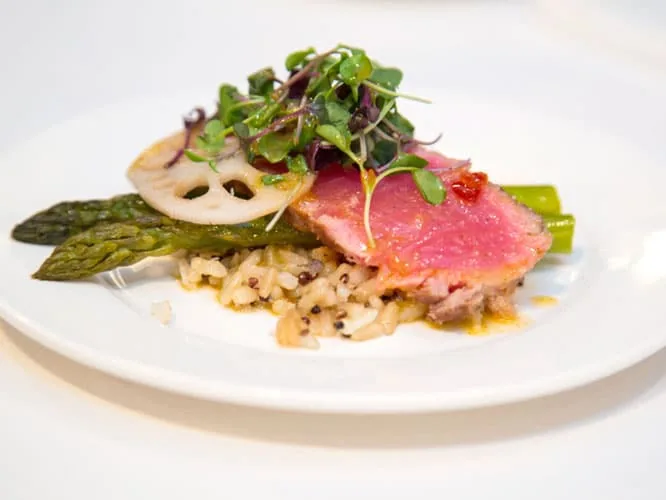
Total estimated sodium for the day stays under 1,500 mg, which aligns with recommendations for lower sodium intake to support greater blood-pressure benefit. While this dietary approach supports gradual blood-pressure reduction, you still need to recognize situations that require immediate medical attention.
Dietary strategies do not provide appropriate management for a hypertensive crisis. Seek emergency care immediately if any of the following apply:
Call 911 or go to the nearest emergency room. Do not attempt to lower blood pressure with food or water during a hypertensive emergency.
Dietary changes create measurable short-term reductions, yet sustained blood-pressure control usually requires a multi-component plan. The aerobic exercise mentioned earlier becomes even more effective when paired with resistance training, which adds further benefit by improving insulin sensitivity and reducing arterial stiffness.

Structured lifestyle education then becomes the decisive variable. A UCSD case study evaluating participants who stayed four or more weeks found that 94% of total weight loss was purely fat, compared with the 60/40 fat-to-muscle ratio typical of standard dieting programs. Preserving lean muscle mass protects resting metabolic rate, which often explains weight regain after programs that focus only on caloric restriction. For adults managing hypertension, maintaining muscle also protects the metabolic machinery that keeps blood pressure stable long after any single dietary intervention fades.

The Think-Eat-Move curriculum addresses all three pillars at once. Behavioral health coaches help you work through emotional eating patterns. Registered dietitians teach the sodium–potassium–magnesium relationships described in this guide. Certified trainers deliver 4–5 hours of daily training at a 3–4:1 client-to-trainer ratio. Blood pressure is one of 17 data points tracked weekly in each client’s personalized report card, alongside LDL, HDL, triglycerides, glucose, body fat percentage, and functional fitness measures.
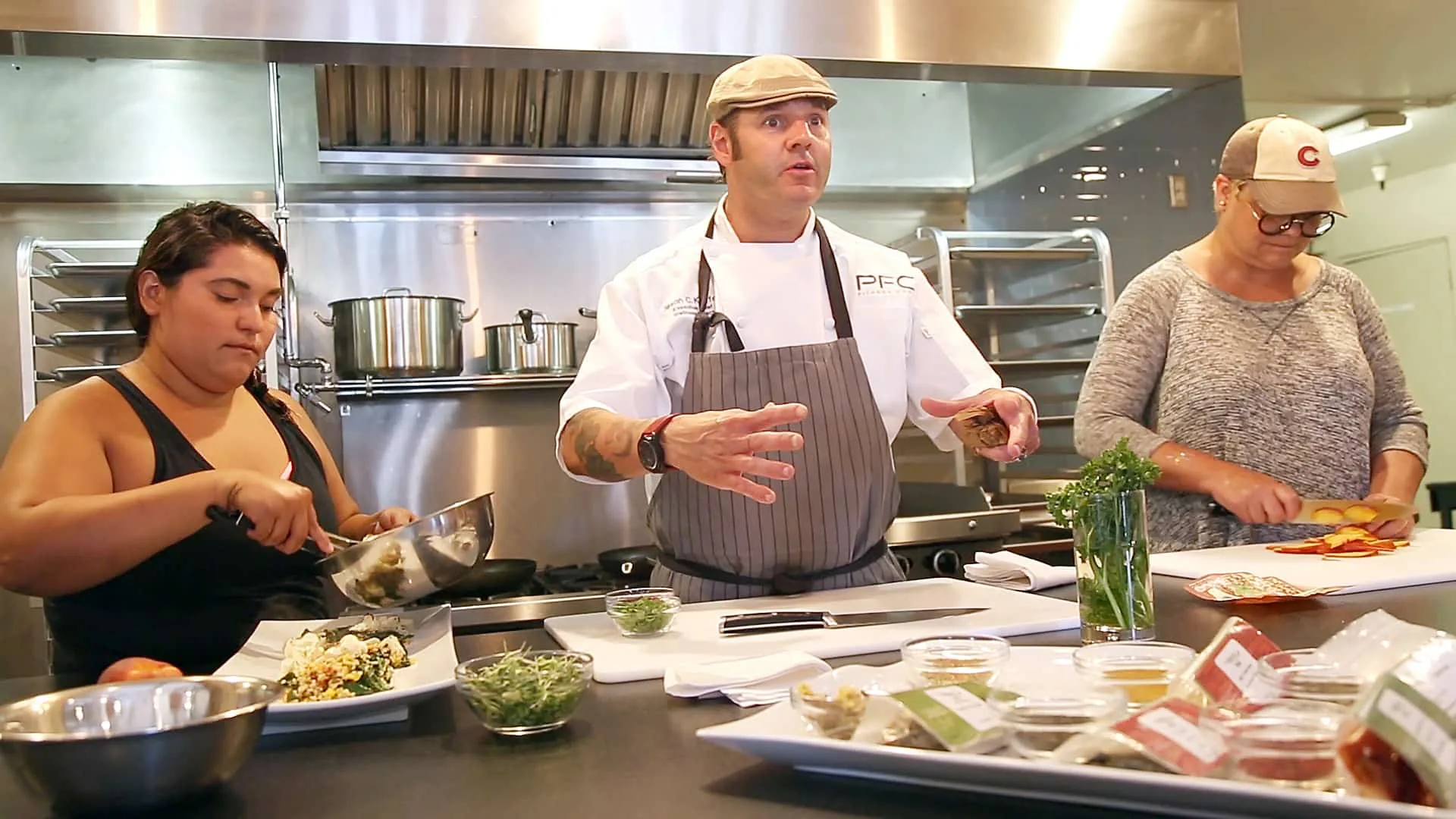
Learn how the immersive program at the Omni La Costa Resort in Carlsbad, California, translates the dietary science above into a structured, measurable transformation plan.
| Meal | Foods | Key Nutrients | Est. Sodium |
|---|---|---|---|
| Breakfast | 250 ml beetroot juice, ¾ cup plain Greek yogurt, 1 medium banana, ½ cup blueberries | ~400 mg nitrate, ~1,100 mg potassium, ~200 mg calcium | ~140 mg |
| Mid-morning snack | 1 oz unsalted almonds, 1 small orange | ~80 mg magnesium, ~240 mg potassium | ~0 mg |
| Lunch | 2 cups arugula, ½ avocado, ½ cup white beans, lemon-herb vinaigrette (no salt) | Nitrate from arugula, ~1,000 mg potassium, ~67 mg magnesium | ~80 mg |
| Afternoon snack | 240 ml pomegranate juice (no added sugar), 1 cup sliced cucumber | Polyphenols, ~200 mg potassium | ~25 mg |
| Dinner | 1 medium baked sweet potato, 4 oz grilled salmon (no added salt), 1 cup steamed spinach with garlic and lemon | ~1,300 mg potassium, ~130 mg magnesium, omega-3 fatty acids | ~200 mg |
| Before bed | 300 ml water or herbal tea (unsweetened) | Hydration and plasma volume support | ~0 mg |
| Daily total | ~4,000+ mg potassium, ~400+ mg magnesium, and nitrate from vegetables and juices | ~445 mg |
This plan aligns with guideline targets for reduced sodium and increased potassium intake while meeting the nitrate and magnesium thresholds supported by the clinical literature above.
Nitrate-rich foods such as beetroot juice and arugula can produce measurable systolic reductions within a few hours of consumption. Potassium-rich foods like bananas and avocado contribute to blood-pressure reduction cumulatively over days as the kidneys excrete excess sodium. Magnesium-rich foods such as almonds and spinach show the most consistent effects over several weeks of regular intake. No single food produces an immediate, medication-equivalent drop, and none should replace prescribed antihypertensive therapy without physician guidance.
Most of these foods are safe alongside antihypertensive medications, but two interactions require physician review. Potassium-rich foods combined with potassium-sparing diuretics or ACE inhibitors can raise blood potassium to unsafe levels in people with impaired kidney function. Pomegranate juice may interact with certain statins and calcium channel blockers by inhibiting the same liver enzyme (CYP3A4) as grapefruit. Always inform your prescribing physician of significant dietary changes, especially if you increase potassium intake substantially or add pomegranate juice daily.
For mild or borderline hypertension (systolic 130–139 mmHg), dietary changes combined with regular physical activity and sodium reduction can sometimes bring readings into the normal range without medication, particularly in early stages. For stage 1 or stage 2 hypertension, dietary strategies usually act as an essential complement to medication rather than a replacement. The DASH diet, sodium restriction, and regular aerobic exercise can produce meaningful systolic reductions. Combining all three approaches can create additive effects that may reduce or, under physician supervision, sometimes eliminate medication dependence over time.
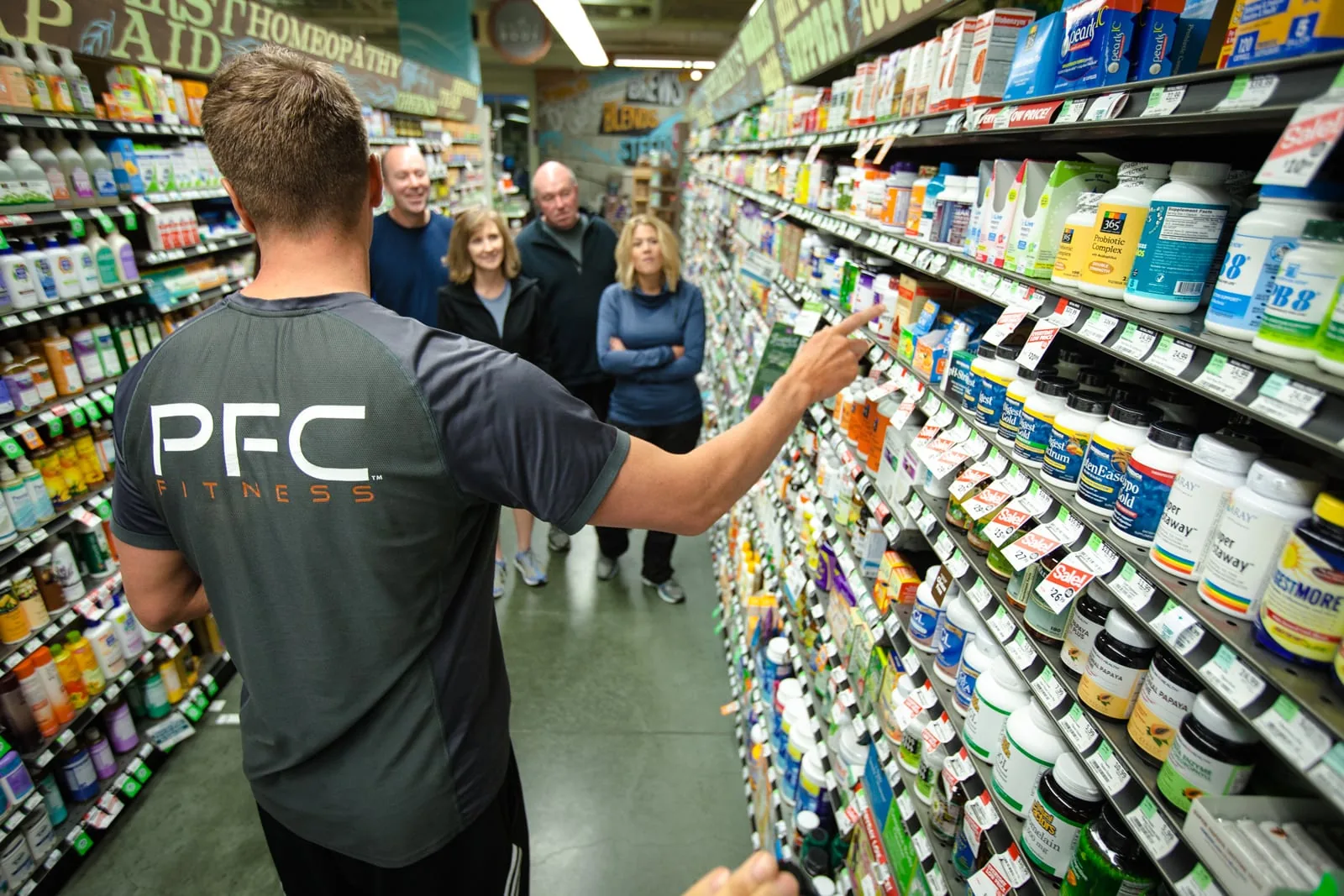
Blood pressure, both systolic and diastolic, is one of 17 data points tracked weekly in every client’s personalized report card. The program’s registered dietitians design all meals around the sodium, potassium, and magnesium targets described in this guide, while wellness chefs prepare fresh, farm-to-fork meals on-site at the Omni La Costa Resort. The Think-Eat-Move curriculum teaches clients not just what to eat but why, including the nitrate–nitric-oxide pathway, the sodium–potassium balance, and the role of resistance training in long-term vascular health. Clients leave with the knowledge and habits to maintain these improvements at home, supported by post-camp virtual coaching and personalized meal plans.
Adults with hypertension who follow a DASH-aligned dietary pattern, reduce sodium intake, and engage in regular aerobic exercise can realistically expect meaningful systolic reductions over several weeks. Individual results vary based on baseline blood pressure, medication status, kidney function, and adherence. The UCSD case study referenced earlier documented measurable improvements across multiple cardiovascular markers beyond body composition, including blood pressure, LDL, HDL, triglycerides, and glucose. These changes reflect the compounding benefit of addressing diet, exercise, and behavioral health together in an immersive environment.
Ready to turn short-term dietary relief into lifelong blood-pressure control? Start your personalized consultation. Call (888) 488-8936 or schedule your personalized consultation online today. With over 1,200 reviews and a 90%+ five-star rating, the program has helped more than 3,000 adults build the sustainable habits that make lasting blood-pressure control possible.