 5-star Wellness Resort
 5-star Wellness Resort

Written by: Chris Butt, Certified Personal Trainer & Weight Loss Coach, Premier Fitness Camp
LDL (low-density lipoprotein) is the main target of most cholesterol-lowering therapy because elevated LDL drives atherosclerotic plaque buildup. HDL (high-density lipoprotein) helps remove cholesterol from circulation. Triglycerides form a separate lipid fraction that rises with excess calories, refined carbohydrates, and alcohol. Researchers study different herbs against different lipid fractions, so evidence for one fraction does not automatically apply to another.
The 2018 ACC/AHA cholesterol guideline presents dietary supplements as optional adjuncts, not as primary therapy. Statins remain the main tool based on ASCVD risk and LDL thresholds. The National Center for Complementary and Integrative Health (NCCIH) reaches a similar conclusion, stating that dietary supplements are not a replacement for proven medical therapy for cholesterol lowering. Treatment decisions stay safest when discussed with a healthcare provider.
In herbal trials, “modest” LDL reduction usually means about 5–25 mg/dL depending on the herb and dose. Berberine can reach approximately 20–50 mg/dL in some studies. These effects are smaller than what moderate-intensity statin therapy produces (approximately 30–49% LDL reduction from untreated baseline). Results also vary by person, preparation, and dose. Herbs can complement prescribed medication and lifestyle change. Anyone on a statin, blood thinner, or diabetes medication should speak with a physician or pharmacist before adding any herbal supplement.
This list is ordered editorially by the strength of available human trial evidence. No herb here is “proven” the way a prescription drug is proven. Each entry summarizes trial doses, realistic effects, and key safety notes.
To apply this information with expert support, get personalized guidance from Premier Fitness Camp. Call (888) 488-8936 or visit our consultation page.
Drug interactions are the most clinically important consideration when you add any herb to an existing medication regimen. The following herbs warrant a direct conversation with a physician or pharmacist before use, organized by the drug class most at risk.
The simplest safety step is to bring your full supplement list to your physician or pharmacist before starting any herb. Bring the actual bottles, not just a memory of the brand name, so they can check ingredients and doses accurately.
Soluble fiber binds cholesterol in the digestive tract and helps carry it out of the body. In the small intestine, soluble fiber forms a viscous gel that traps bile acids made from cholesterol. The liver then pulls LDL from circulation to synthesize new bile. This process builds benefit over weeks of consistent intake.
The most practical sources include:
While soluble fiber is a proven dietary lever, traditional herbal systems have also long addressed cholesterol.
Red yeast rice and berberine are the two most studied traditional Chinese approaches to cholesterol support. Red yeast rice has been used in Chinese food and medicine for centuries. The large Chinese Coronary Secondary Prevention Study using a specific Xuezhikang (red yeast rice) extract reported fewer coronary events over four years in patients with prior myocardial infarction. Berberine also has a long history in traditional Chinese medicine for metabolic conditions and now ranks among the more extensively studied cholesterol-supportive herbs in Western research.
Traditional use still requires modern safety checks. Both red yeast rice and berberine carry clinically significant interaction risks. Red yeast rice acts pharmacologically as a statin. Berberine affects glucose metabolism and CYP enzyme pathways. Both deserve a physician conversation, especially when used with a statin or diabetes medication.
Green tea is the most studied cholesterol-supportive drink. Its catechins produce modest reductions in total cholesterol and LDL across multiple meta-analyses, with the greatest effects in people who start with elevated cholesterol. Bergamot-derived beverages and extracts have emerging trial data showing LDL and triglyceride reductions. Oat milk, made from oats, provides beta-glucan soluble fiber and can contribute modestly to LDL reduction as part of an overall dietary pattern.
Drinks alone rarely move lipid panels as much as medication and lifestyle change. Green tea’s effect in trials is modest, and LDL reductions from beverages remain small compared with the combined impact of diet quality, fiber intake, exercise, and body composition change.
Meaningful LDL reduction does not occur in seven days. Clinical guidelines recommend rechecking a lipid panel 4 to 12 weeks after starting any new cholesterol treatment or making significant dietary changes. LDL needs time to stabilize before results can be interpreted. The liver produces approximately 75% of total cholesterol independently of diet, so changing the body’s cholesterol pool takes weeks to months regardless of the intervention.
Diet quality, fiber intake, and daily energy can improve within a week. The blood test lags behind those changes. Statistically significant LDL reductions from psyllium typically emerge by weeks 4–6, with peak effect at weeks 8–12. Berberine produces its LDL effect over 8–12 weeks at 500 mg three times daily. Consistency over weeks, not days, produces measurable change on a lipid panel.
The levers that move lipid panels most are diet quality, soluble fiber intake, regular exercise, and body composition. A study of more than 156,000 adults with obesity found that sustained weight loss of at least 10% over 18 months produced an average LDL reduction of 6.2 mg/dL. In that group, 41% achieved a drop of 10 mg/dL or more. Those who regained the weight lost most of the cholesterol benefit. Exercise, dietary change, and body composition improvement form the base. Herbs sit on top of that base as optional adjuncts.

Premier Fitness Camp (PFC) focuses on building and tracking that lifestyle foundation. The “Think, Eat, Move” philosophy combines nutrition coaching, daily training, and behavioral support so clients can practice new habits in a structured setting.
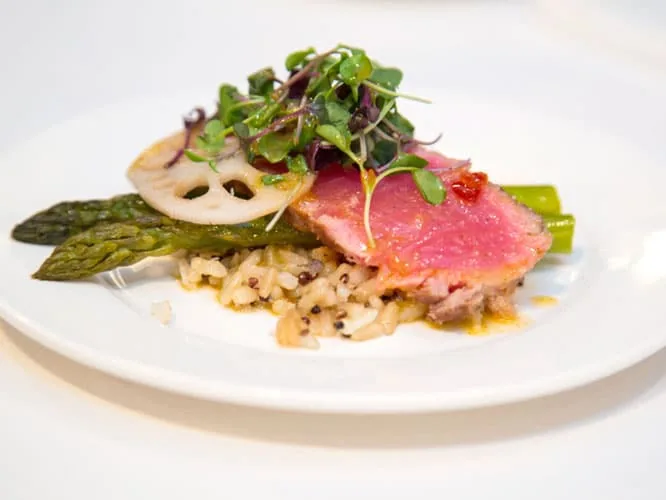
For readers focused on lipid numbers, PFC tracks 17 data points weekly in a personalized Report Card. These include LDL, HDL, triglycerides, and glucose, along with weight, body fat, blood pressure, and fitness measures. A UCSD case study (not a clinical trial) of clients who stayed four or more weeks found that 94% of total weight loss was fat, with lean muscle preserved or increased. That body-composition pattern supports metabolic health and protects resting metabolic rate long after the program. Many standard dieting programs see closer to a 60/40 fat-to-muscle loss ratio.

PFC does not diagnose, treat, cure, or manage high cholesterol. The program creates an environment where the lifestyle foundation that supports healthy cholesterol is taught, practiced, and measured in a resort setting that many clients find sustainable and enjoyable.
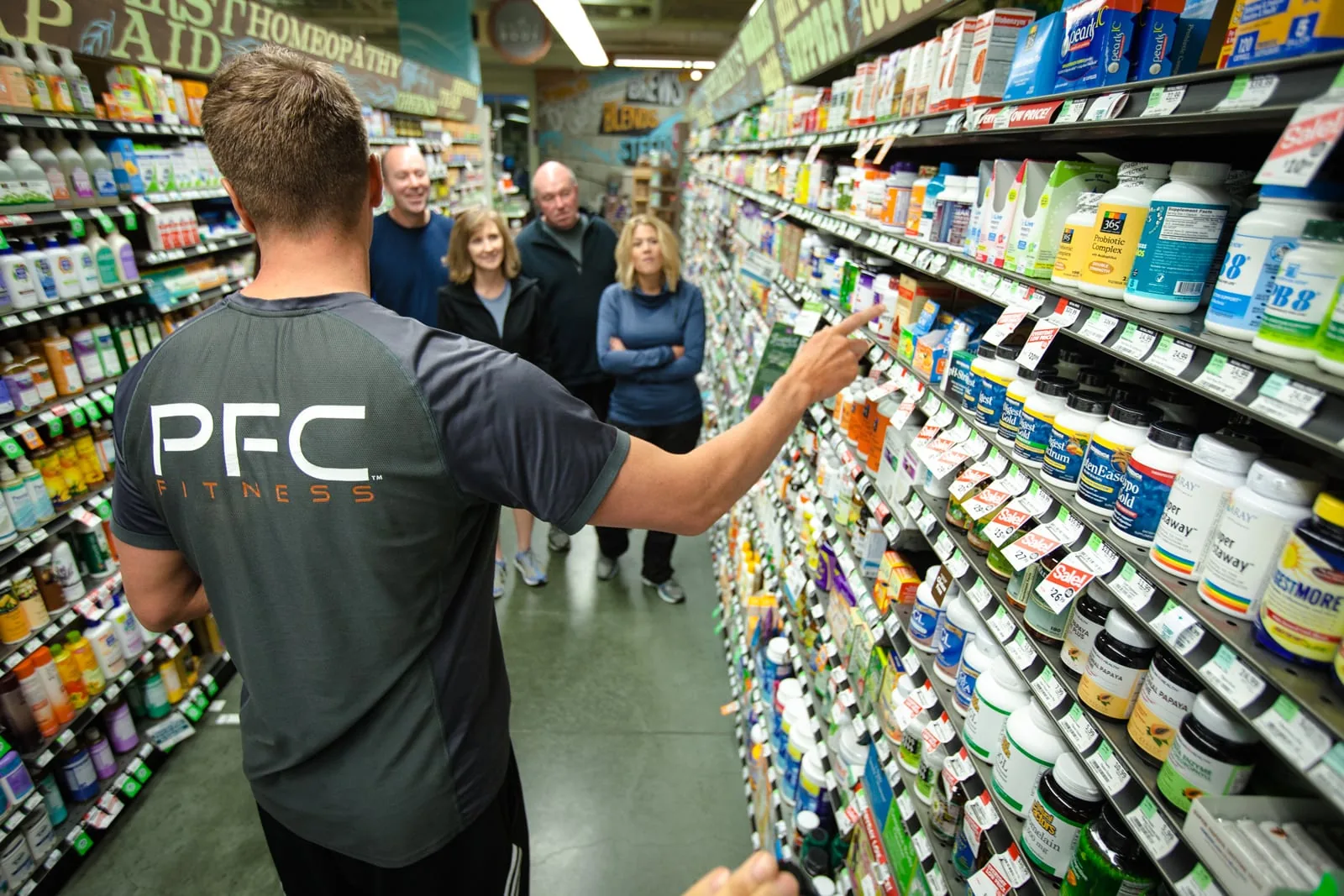
To explore whether this approach fits your goals, start your health transformation with a free consultation. Call (888) 488-8936 or visit our consultation page.
A small group of herbs has real but modest human evidence for cholesterol support. Red yeast rice and berberine show the strongest data, followed by artichoke leaf extract, bergamot, and garlic. Statins remain essential when clinically indicated, and diet, fiber, exercise, and body-composition changes do most of the work on lipid panels. Anyone on a statin, blood thinner, or diabetes medication should check for interactions with a physician or pharmacist before adding any herb.
Next steps look straightforward in practice. Talk with your physician or pharmacist about your lipid panel and any supplements you are considering. Plan a repeat lipid panel on the same 4–12 week timeline described earlier. Build a daily routine that prioritizes diet quality, soluble fiber, movement, and sustainable fat loss with muscle preservation. For expert-led, data-driven support, get expert support from Premier Fitness Camp. Call (888) 488-8936 or visit our consultation page.
The 2018 ACC/AHA cholesterol guideline and the NCCIH both state that dietary supplements do not replace proven medical therapy when statin therapy is clinically indicated. The herbs with the strongest human evidence, such as red yeast rice and berberine, produce LDL reductions in the range of roughly 15–40 mg/dL under trial conditions, with effects that vary by formulation and monacolin K content. Per the 2018 ACC/AHA classification, moderate-intensity statins typically reduce LDL-C by 30% to less than 50%. Red yeast rice’s active compound is pharmacologically identical to lovastatin, so it carries the same interaction and muscle-related cautions as a statin. It functions as a less standardized and less regulated version of the same mechanism. When a physician recommends a statin, that recommendation reflects your individual cardiovascular risk profile. Herbs can be discussed as adjuncts, and decisions about prescribed medication should be made together with your doctor.
The strongest non-prescription interventions for LDL reduction include dietary change, plant sterols and stanols, psyllium husk, regular aerobic exercise, and body-composition improvement through sustained fat loss with lean muscle preservation. Reducing saturated fat and increasing soluble fiber form the core of dietary change. Plant sterols and stanols at approximately 2 g/day and psyllium husk at approximately 10 g/day both have trial support. A dietary portfolio combining plant sterols, soy protein, almonds, and soluble fiber has been shown in a JAMA study to produce LDL reductions comparable to a low-dose statin at four weeks. These lifestyle interventions create the foundation. Herbs add modest support on top of that base. As mentioned earlier, the realistic timeline for lifestyle changes to register on a lipid panel is 4–12 weeks.
Berberine needs careful medical review before use in anyone on diabetes or blood-pressure medications. Berberine lowers blood glucose through multiple mechanisms, including AMPK activation, upregulation of hepatic LDL receptors, and effects on insulin sensitivity. It can produce clinically significant glucose drops in patients already using a sulfonylurea, metformin, or insulin. One documented clinical pattern shows berberine dropping fasting glucose from 88 to 69 mg/dL in a patient already using a sulfonylurea. That pattern creates a hypoglycemia risk inside what appears to be a cholesterol plan. Berberine also inhibits CYP3A4 and P-glycoprotein, which can affect the metabolism of blood-pressure medications and other drugs. The standard trial dose of 500 mg two to three times daily should only be started with a physician’s knowledge and with baseline and follow-up glucose and liver enzyme monitoring.
The realistic timeline for any cholesterol-lowering intervention to register on a blood test is 4–12 weeks. Psyllium’s statistically significant LDL reductions typically emerge by weeks 4–6, with peak effect at weeks 8–12. Berberine’s LDL effect in trials appears over 8–12 weeks at standard doses. Red yeast rice, because its mechanism is identical to a statin, produces measurable LDL reduction in 4–8 weeks. Dietary changes reach their maximum LDL-lowering effect at approximately 12 weeks. Retesting a lipid panel sooner than 6–8 weeks after starting any intervention often produces discouraging results even when the intervention is working, because the liver’s cholesterol pool has not fully adjusted. The common “7 days” framing online reflects what can change in a week, such as diet quality and how you feel, rather than what will show on a lipid panel.
Give your doctor a complete picture of everything you take and plan to take. Bring all supplement and medication bottles to the visit so your clinician can see exact ingredients, doses, and brands. Explain your cholesterol goals, any side effects you have experienced with past treatments, and whether you have liver, kidney, muscle, or bleeding issues. Ask specifically about interactions with statins, blood thinners, diabetes medications, and blood-pressure drugs. Agree on a monitoring plan that includes follow-up labs and clear instructions about when to stop a supplement if problems arise.