 5-star Wellness Resort
 5-star Wellness Resort
Written by: Chris Butt, Certified Personal Trainer & Weight Loss Coach, Premier Fitness Camp
Approximately 89% of U.S. adults exceed the recommended <2,300 mg daily sodium limit, with average intake around 3,592 mg per day, which is more than double what the American Heart Association considers optimal. A practical target is below 2,300 mg of sodium daily, and the AHA recommends no more than 1,500 mg for optimal cardiovascular health. Limiting sodium intake helps lower high blood pressure.
Higher dietary potassium from food sources also helps reduce blood pressure. Simple food swaps that shift this balance include:
Safety note: Adults with kidney disease or those on potassium-sparing medications should consult a physician before significantly increasing potassium intake.
Ready to build these habits with expert guidance? Schedule a personalized nutrition consultation with the team to align your sodium and potassium targets with your blood pressure goals.
Balancing sodium and potassium creates a strong foundation, and embedding those changes in a full eating pattern multiplies the impact. The DASH diet is an effective dietary approach for hypertension management. When combined with a behavioral weight management program, the blood pressure reduction becomes even greater.
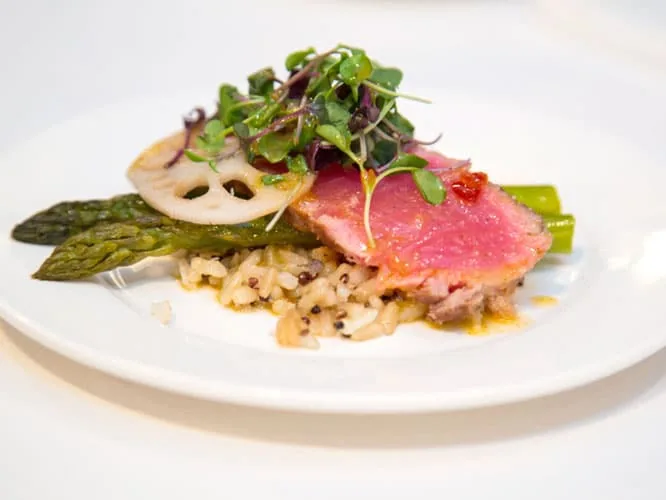
What makes DASH especially practical is its rapid onset. The diet can lower systolic blood pressure within the first week, and most of the total effect often appears during that initial seven-day period. A sample day on a DASH-style plan looks like this:
Dietary fiber from whole grains and legumes helps reduce blood pressure, so these foods deserve a regular place on your plate.
Regular aerobic training cuts systolic blood pressure by roughly 5 to 8 mm Hg and diastolic by 3 to 5 mm Hg in people with hypertension, an effect comparable to adding a single first-line blood pressure medication at a standard starting dose. Current guidelines recommend 150 minutes per week of moderate-intensity aerobic exercise.

A beginner-friendly weekly structure can look like this:
Combined aerobic and resistance training reduces blood pressure in adults with prehypertension or established hypertension. Isometric training, such as wall sits or handgrip holds performed in short weekly sessions, can also lower systolic blood pressure.

Safety note: Adults with Stage 2 hypertension, defined as above 160/100 mm Hg, should obtain physician clearance before beginning a new exercise program.
Even modest weight loss produces meaningful blood pressure changes. Research indicates that each kilogram of weight loss is associated with an average decrease of approximately 1 mm Hg in systolic blood pressure. A 5–10 lb (2.3–4.5 kg) loss therefore produces a measurable 2–4.5 mm Hg systolic reduction.
In a retrospective study, people who lost 10% of body weight were more likely to stop at least one blood pressure medication compared to those who lost 5%. The quality of weight loss matters as much as the quantity. A UCSD case study of participants found that 94% of total weight loss was purely fat, compared to the 60/40 fat-to-muscle ratio typical of many dieting programs. Because lean muscle is preserved, resting metabolic rate stays protected, which supports long-term weight maintenance.
A 2026 network meta-analysis concluded that combined interventions integrating diet, exercise, and peer support may represent one of the most suitable management strategies for achieving both weight loss and blood pressure reduction in obese hypertensive patients. Expert-led programs follow this combined model.
Getting fewer than seven hours of sleep every night for weeks can affect blood pressure, and adults should aim for 7 to 9 hours nightly. Behavioral sleep interventions can produce a reduction in systolic blood pressure.

Use these practical protocols to improve sleep and reduce stress:
Interventions that combine dietary education, physical activity guidance, stress control techniques, and blood pressure self-monitoring can produce systolic blood pressure reductions. Stress management functions as a core component of any effective blood pressure protocol, not an optional extra.
Alcohol moderation to no more than 2 drinks per day for men and 1 drink per day for women can help reduce blood pressure. A study tracking heavy drinkers found that one month of complete alcohol abstinence lowered 24-hour systolic blood pressure by 7.2 points, reducing the proportion meeting hypertension criteria from 42% to 12%.
Smoking raises blood pressure acutely with each cigarette and accelerates arterial stiffening over time. Cessation support strategies with the strongest evidence base include nicotine replacement therapy, varenicline, behavioral counseling, and structured group support programs. Lifestyle changes such as diet, exercise, weight loss, and not smoking can prevent, delay, or lessen the need for medicine to treat high blood pressure.
Lifestyle changes are powerful, yet some situations require prompt medical care. Consult a physician promptly if any of the following apply:
Home monitoring is a valuable tool. The Mayo Clinic recommends home blood pressure monitoring to help track your progress and guide conversations with your clinician.
Several foods have strong evidence for supporting lower blood pressure when eaten regularly:
Several beverages have evidence-based support for acute or sustained blood pressure reduction:
Important: Grapefruit juice interacts with many blood pressure medications and should be avoided by anyone on antihypertensive drugs. No beverage replaces a comprehensive lifestyle approach or prescribed medication.
Certain strategies can provide short-term blood pressure reductions during stressful moments or before a medical appointment:
Safety note: These techniques produce temporary reductions. A reading above 180/120 mm Hg with symptoms such as chest pain, severe headache, or vision changes signals a hypertensive crisis that requires immediate emergency care.
The “7-second trick” circulating online usually refers to a specific isometric breathing or muscle-contraction technique. The version with the strongest clinical backing uses a 7-second isometric contraction. Inhale slowly for 3 seconds, hold the breath and gently contract the abdominal muscles for 7 seconds, then exhale fully for 5 seconds. Repeating this 5–10 times activates the baroreflex and parasympathetic tone.
Isometric training performed in 3–4 short sessions per week produces a pooled systolic reduction of 8 to 10 mm Hg in recent network meta-analyses. This makes it one of the most time-efficient non-pharmacological interventions available. The 7-second technique works best as part of a broader lifestyle program rather than as a standalone fix.
| Day | Morning | Afternoon | Evening |
|---|---|---|---|
| Monday | 30-min brisk walk + 4-7-8 breathing (5 min) | DASH-style lunch; check sodium on labels | Potassium-rich dinner; 7-sec isometric breathing before bed |
| Tuesday | 30-min resistance training (bodyweight or bands) | Hibiscus tea; meal prep whole grains and legumes | Screen curfew 60 min before sleep; 7–9 hrs sleep target |
| Wednesday | 30-min brisk walk + 4-7-8 breathing | DASH-style lunch; beet juice or pomegranate juice | Blood pressure reading (morning and evening log) |
| Thursday | 30-min resistance training | Mindfulness break (10 min); high-fiber snack | Alcohol-free evening; consistent bedtime |
| Friday | 30-min aerobic activity (swim, cycle, or dance) | Cooking demo: DASH-style meal from scratch | Relaxation breathing; review weekly BP log |
| Saturday | 30-min leisure activity (hike, paddleboard, or yoga) | Farmers market for fresh produce | Social connection; light dinner; early sleep |
| Sunday | Gentle stretching or rest | Meal prep for the week ahead | Weekly average BP calculation; set next week’s goals |
Consistent tracking turns daily actions into measurable results. Use the 17-point framework below, adapted from weekly Report Cards, to monitor progress beyond the scale. Record morning and evening readings at the same times each day.
| Week | Systolic (avg) | Diastolic (avg) | Weight (lbs) | Waist (in) | Exercise (min) | Sleep (hrs/night) | Sodium (mg/day est.) | Notes / Wins |
|---|---|---|---|---|---|---|---|---|
| Week 1 | ___ | ___ | ___ | ___ | ___ | ___ | ___ | ___ |
| Week 2 | ___ | ___ | ___ | ___ | ___ | ___ | ___ | ___ |
| Week 3 | ___ | ___ | ___ | ___ | ___ | ___ | ___ | ___ |
| Week 4 | ___ | ___ | ___ | ___ | ___ | ___ | ___ | ___ |
Full 17-point weekly Report Cards also track body fat percentage, neck, upper arm, chest, hip, and quad measurements, mile time, plank hold duration, push-up count, and blood markers including LDL, HDL, triglycerides, and glucose. Seeing improvement across all 17 dimensions, not just blood pressure, becomes one of the most motivating aspects of a structured program.
Information alone rarely changes blood pressure, so expert support fills the gap between knowing and doing. Executing all seven steps simultaneously while managing work, family, and past setbacks challenges most people who try to go it alone. Expert-led programs are designed to carry that load with you.
Programs like “Think, Eat, Move” deliver every element of this guide in an immersive, structured environment at the Omni La Costa Resort & Spa in Carlsbad, California. Registered dietitians design DASH-aligned, farm-to-fork meals prepared by wellness chefs, so sodium targets and potassium goals are built into every plate without extra mental effort. Certified trainers with bachelor’s and master’s degrees lead 4–5 hours of daily training at a 3–4:1 client-to-trainer ratio, combining aerobic exercise, resistance training, beach workouts, hiking at Torrey Pines, and isometric sessions. Licensed psychologists and behavioral health coaches address the stress, sleep, and emotional eating patterns that often derail progress at home.
Every client’s blood pressure, both systolic and diastolic, is tracked weekly as part of 17-point Report Cards, alongside weight, body fat, measurements, fitness benchmarks, and blood markers. A UCSD case study of participants found that 94% of total weight loss was purely fat, compared to the 60/40 fat-to-muscle ratio typical of many dieting programs. This pattern directly supports sustained blood pressure reduction by preserving the metabolic rate needed to keep weight off.
Client Kerri, who arrived managing complications from Type 1 Diabetes, described her experience: “I immediately discovered little things starting to happen, like tying my shoes easier, breathing better, my posture had improved, I was standing taller. The confidence that came with all of those little wins had me realize it wasn’t so much about losing weight but what I was gaining. Strength, energy, a sense of fun.”
Irene Tchaikovsky shared: “What began as a simple one-week reboot has transformed into a complete lifestyle shift. These programs equip you with the knowledge, tools, and support to make meaningful and sustainable changes.”
With over 1,200 reviews, a 90%+ five-star rating, and 50% of annual revenue coming from returning alumni, the long-term results stand out. Talk with a program advisor to learn how a structured environment can turn these seven steps into daily habits.
Lowering blood pressure without medication is achievable through seven evidence-based steps: balancing sodium and potassium intake, following a DASH-style eating pattern, completing 150 minutes of weekly exercise that includes resistance training, losing 5–10 pounds of fat while preserving lean muscle, implementing consistent stress reduction and sleep protocols, limiting alcohol and quitting smoking, and knowing when to involve a physician.
Multicomponent lifestyle interventions can produce meaningful systolic blood pressure reductions. A structured, expert-guided program provides the coordinated nutrition, training, stress management, and accountability that self-directed efforts rarely sustain over time.
The path forward is clear, and support is available. Ready to take the next step with a team behind you? Connect with the Premier Fitness Camp team for a free, no-obligation consultation, or call (888) 488-8936 to speak with an advisor about your goals and how PFC can help you reach them.
The timeline varies by intervention. The DASH diet can produce measurable systolic reductions within the first week. Sodium reduction below 1,500 mg per day typically shows effects within 2–4 weeks. Regular aerobic exercise at 150 minutes per week generally requires 4–12 weeks to create a reliable, chronic reduction in resting blood pressure, although a single 30-minute walk can lower blood pressure temporarily for several hours. Weight loss effects accumulate over 8–24 weeks, depending on the amount lost. The most meaningful and durable results come from combining all seven lifestyle steps simultaneously, which explains why structured, immersive programs consistently outperform single-component approaches in clinical research.
For many adults with Stage 1 hypertension, defined as 130–139/80–89 mm Hg, lifestyle changes alone can bring readings into a healthy range. For Stage 2 hypertension, defined as 140/90 mm Hg and above, lifestyle changes remain a critical part of treatment but are typically used alongside medication, at least initially. As lifestyle changes take effect and weight decreases, some people can reduce or discontinue medication under physician supervision. Never adjust or stop blood pressure medication without medical guidance. Lifestyle intervention gives your body the strongest possible foundation, whether or not medication remains part of your plan.
Weight loss produces the largest blood pressure reduction of any single lifestyle modification, with approximately 1 mm Hg of systolic reduction per kilogram lost. For a 200-pound adult, losing just 5% of body weight, or 10 pounds, can yield a clinically meaningful improvement. Research consistently shows that combining weight loss with aerobic exercise, dietary changes, and stress management produces effects that are two to three times larger than any single intervention alone. At expert-led programs, clients average 3–4 pounds of fat loss per week, with the same exceptional fat-to-muscle ratio documented in the UCSD study, which is critical for sustaining the metabolic rate needed to keep blood pressure down long-term.
For most adults with mild to moderate hypertension, regular moderate-intensity exercise is not only safe but strongly recommended by every major cardiovascular guideline. Exercise ranks among the most effective non-pharmacological tools for blood pressure reduction. Key precautions include obtaining physician clearance if your systolic blood pressure is consistently above 160 mm Hg or diastolic above 100 mm Hg before starting a new program, avoiding breath-holding during resistance exercises, and starting with lower-intensity activities while progressing gradually. At expert-led programs, every fitness session is led by credentialed trainers at a 3–4:1 ratio, with modifications for every fitness level and health limitation, including hypertension, diabetes, and joint issues.
Blood pressure, both systolic and diastolic, is one of 17 data points tracked weekly in every client’s personalized Report Card at expert-led programs. The “Think, Eat, Move” framework directly targets every evidence-based driver of blood pressure reduction. Registered dietitians design DASH-aligned, low-sodium, potassium-rich meals. Certified trainers deliver 4–5 hours of daily combined aerobic and resistance exercise. Licensed psychologists address stress, sleep, and behavioral patterns. The immersive resort environment at the Omni La Costa Resort removes much of the daily friction that derails home-based efforts. Clients also receive a comprehensive health assessment on day one, including blood work, vital signs, and body composition, so blood pressure improvements are measured against a documented baseline. After the program, virtual coaching and personalized plans help clients sustain the gains they achieved during their stay.