 5-star Wellness Resort
 5-star Wellness Resort
Written by: Chris Butt, Certified Personal Trainer & Weight Loss Coach, Premier Fitness Camp
Three evidence-backed approaches work together to clear excess LDL from your bloodstream: soluble fiber, plant sterols, and aerobic exercise. Each uses a different pathway, so combining them produces stronger results than relying on one alone.
Soluble fiber forms a gel in your digestive tract that traps bile acids and blocks their reabsorption. Your liver then pulls LDL cholesterol from the blood to make new bile. A 2020 parallel RCT found that oat bran supplementation can lower LDL cholesterol compared with diet alone. Meta-analyses show that soluble fiber intake is associated with LDL reductions, and adding soluble fiber can help lower LDL cholesterol.
Plant sterols and stanols compete with dietary cholesterol for absorption sites in the small intestine. At a dose of approximately 2 grams per day, plant sterols lower LDL by 7–10%, and a meta-analysis of 41 trials confirmed approximately 10% LDL reduction at 2 g/day.
Exercise changes LDL particle size and density and improves HDL function. Regular moderate-intensity cardio improves cholesterol numbers primarily by boosting HDL particle number and function while modifying LDL particle size, density, and clearance through altered enzyme activity and improved skeletal muscle fatty acid utilization. A 2026 meta-analysis found that moderate-to-low-intensity exercise can produce reductions in total cholesterol, triglycerides, and LDL-C in sedentary adults. To put these mechanisms into daily life, start with realistic fiber goals and simple food choices.
| Daily Soluble Fiber Target | Food Source | Serving Size | Approximate Soluble Fiber |
|---|---|---|---|
| Minimum effective dose: 5 g/day | Rolled oats | 1 cup cooked | 2 g |
| Optimal dose: 10 g/day | Black beans | ½ cup cooked | 2–3 g |
| Psyllium husk | 1 tablespoon | 3–4 g | |
| Avocado | ½ medium | 2 g |
No supplement can replace a heart-healthy lifestyle, and the American Heart Association does not recommend dietary supplements for cholesterol management. Some supplements, however, have meaningful evidence when paired with diet and exercise, and each comes with specific cautions to review with your clinician.
Psyllium husk is one of the most studied soluble fiber supplements. Oat β-glucan can help lower LDL cholesterol across studies, and psyllium works through a similar mechanism. Psyllium can interfere with absorption of thyroid hormones, diabetes medications, and some antibiotics and should be taken at least one to two hours before or after other medications; people with difficulty swallowing or a history of esophageal obstruction should use caution.
Plant sterols and stanols are available as supplements and in fortified foods. Mayo Clinic notes that berberine may cause loose stools, and higher doses may increase gastrointestinal side effect risk; they are contraindicated in patients with phytosterolemia (sitosterolemia).
Omega-3 fatty acids (fish oil) mainly lower triglycerides rather than LDL. Fish oil may cause mild side effects and may interact with certain medications. Omega-3 supplements do not increase bleeding risk at any dose and do not need to be discontinued before surgery.
Garlic has modest evidence for modest LDL reduction. Garlic supplements may have side effects and may interact with certain medications.
Red yeast rice requires particular caution. Red yeast rice products containing monacolin K can cause the same side effects as lovastatin, including muscle and liver damage, and the FDA prohibits sale of supplements with more than trace amounts of monacolin K. Red yeast rice should not be combined with prescription statins or CYP3A4 inhibitors. Red yeast rice has been studied as a potential alternative for patients with statin intolerance due to muscle symptoms.
Dietary supplements for cholesterol may have limited effect and prescription medication may still be needed to reach safe cholesterol levels. Always discuss any supplement with your physician before starting.
Certain foods reliably raise LDL or lower HDL because of their saturated fat, trans fat, added sugar, or alcohol content. The table below highlights six key categories to limit and offers practical swaps you can use right away.
| Food to Limit | Why It Raises LDL | Healthier Swap |
|---|---|---|
| Red and processed meats (bacon, sausage, fatty beef) | High saturated fat raises LDL, and processed meats add sodium and nitrates | Skinless poultry, salmon, lentils, or beans |
| Full-fat dairy (butter, cream, whole-milk cheese) | Saturated fat is the primary driver of LDL elevation; replacing saturated fat with polyunsaturated fat can lower LDL | Low-fat Greek yogurt, plant-based milks, olive oil in place of butter |
| Fried foods (french fries, fried chicken) | Absorb large amounts of saturated or partially hydrogenated frying oils | Air-roasted or baked versions using avocado or olive oil |
| Baked goods with trans fats (commercial pastries, crackers, margarine) | Trans fats raise LDL and lower HDL at the same time | Homemade versions using olive oil or nut butters, whole-grain crackers with no partially hydrogenated oils |
| Sugary beverages (soda, sweetened juices, energy drinks) | Excess sugar raises triglycerides and contributes to weight gain, which worsens the full lipid panel | Sparkling water with citrus, unsweetened green tea, or black coffee |
| Excessive alcohol | Raises triglycerides and stresses the liver, and heavy use lowers HDL over time | Limit to one drink per day for women, two for men, or pause alcohol during an active cholesterol-lowering period |
Most adults with high cholesterol already know the basics: eat more fiber, cut saturated fat, and move more. The real gap usually lies in behavior, not knowledge. Stress, fatigue, loneliness, and long-standing routines often drive food choices that conflict with your goals.
A 2023 pilot RCT from Queen’s University Belfast found increases in behavioral automaticity for specific eating behaviors. Automaticity depends on reliable environmental cues. Without those cues, people fall back on willpower, which tends to be inconsistent.
Benefits of cholesterol-lowering dietary patterns disappear when the pattern is abandoned, underscoring the need for sustainable habit formation rather than temporary restrictions. Short-term diets therefore produce short-term results.
One PFC client, a 54-year-old executive who had tried three different diets in two years, described her experience this way: “I knew what to eat. I just could not figure out why I kept reaching for the wrong things at 9 p.m. The behavioral workshops here gave me language for what was happening and tools to interrupt it.” Within six weeks of her stay, her LDL had dropped measurably and her energy levels had improved in ways she had not felt in years.
Another client, a 48-year-old who came to PFC after a doctor’s warning about borderline high cholesterol, shared: “I had been white-knuckling every meal plan I tried. Here, I stopped fighting myself. The psychologists helped me see the connection between stress at work and what I was eating. Once I saw it, I could change it.”
PFC’s “Think” pillar focuses on this behavioral layer. Licensed psychologists and behavioral health coaches lead group workshops on emotional eating, stress triggers, and limiting beliefs, along with one-on-one counseling for deeper issues. The immersive environment at the Omni La Costa Resort removes daily friction from home life and gives new cues and routines space to form in a supportive, distraction-free setting.

The 2018 ACT randomized controlled trial found that structured advice provided by a dietitian increases adherence to diet and lifestyle changes and lowers LDL cholesterol. Expert-guided behavioral support therefore acts as a clinical differentiator, not a luxury extra.
This 30-day plan layers proven strategies gradually so habits can settle in before you add more. Layering multiple sustained habits—eating 5–10 grams of soluble fiber daily, limiting saturated fat to under 10% of calories, performing 150 minutes of moderate exercise weekly, and consuming 2 grams of plant sterols—produces additive LDL reductions because each change acts through a different mechanism.

Week 1 — Foundation (Days 1–7)
Week 2 — Build (Days 8–14)
Week 3 — Consolidate (Days 15–21)
Week 4 — Assess and Extend (Days 22–30)
Many adults see measurable LDL changes within several weeks of consistent dietary and exercise changes. As noted in the mechanisms section, soluble fiber and plant sterol effects typically appear within 4–6 weeks of consistent daily intake, while exercise-related improvements in LDL particle size and HDL function usually require 8–12 weeks of sustained moderate-intensity cardio. The key factor is consistency, because without ongoing effort LDL levels tend to drift back toward baseline.
Yes. Anyone with existing cardiovascular disease, diabetes, kidney or liver conditions, or who is currently taking medications such as statins, blood thinners, or thyroid medications should consult their physician before making major dietary changes or starting a new exercise program. Several natural supplements, including psyllium, omega-3s, garlic, and plant sterols, can interact with prescription medications. A physician can also order a baseline lipid panel and set LDL targets that match your personal risk profile.
Natural cholesterol-lowering strategies generally pair well with GLP-1 medications, but the combination needs careful coordination with your healthcare provider. GLP-1 medications reduce appetite significantly, which can make it harder to consume enough soluble fiber and protein. Muscle loss is a documented concern with GLP-1 use, so resistance training becomes especially important to preserve lean mass and metabolic rate. PFC works with clients on GLP-1 medications, adjusting nutrition plans to prioritize protein and building sustainable habits that support long-term success whether or not the medication continues.
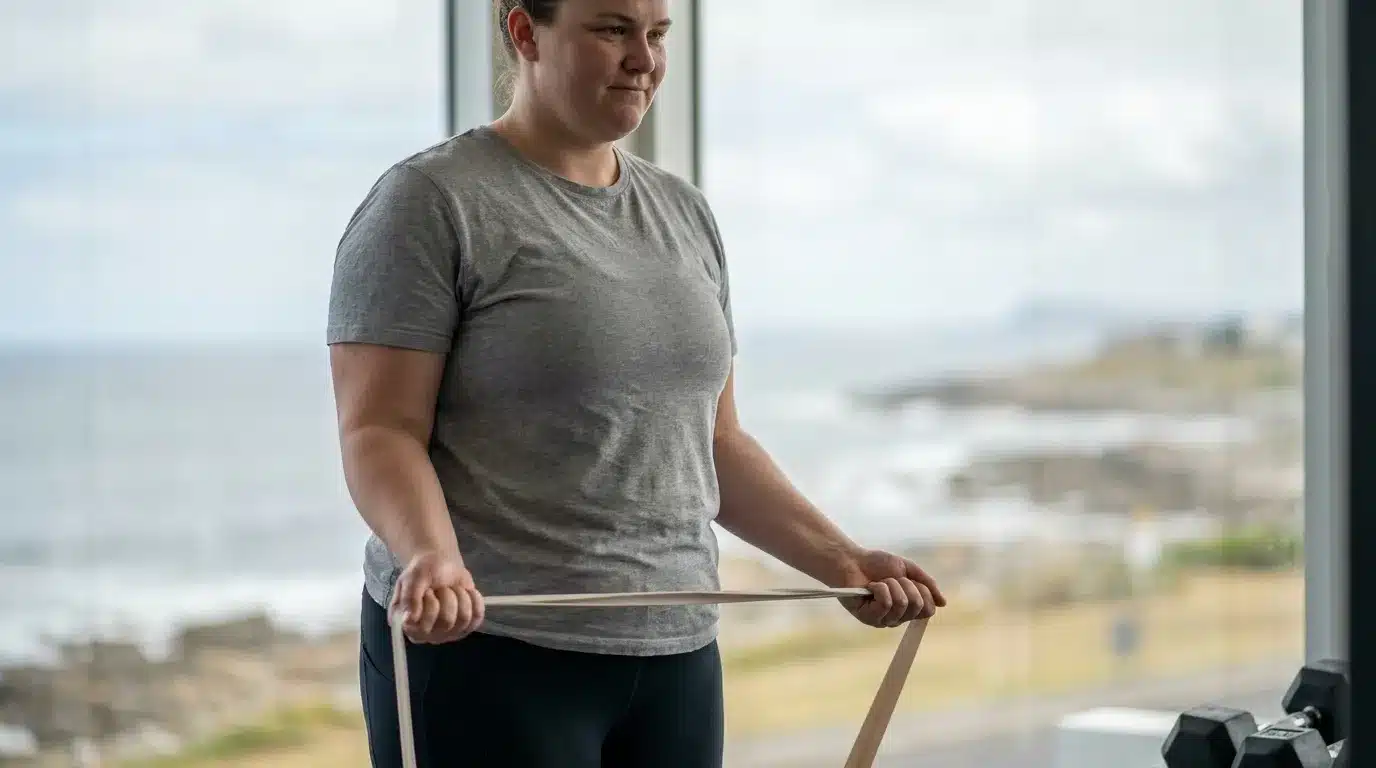
Every part of this plan can be scaled. For exercise, walking is one of the most evidence-supported activities for cholesterol improvement and requires no equipment or prior fitness. Even short movement bouts of three minutes or more support lipid metabolism when performed regularly throughout the day. Resistance training can start with seated exercises, resistance bands, or simple bodyweight movements. Dietary changes do not depend on physical capacity and can begin immediately. PFC works with clients across the full fitness spectrum, from those who can only walk 250 feet to seasoned athletes, using a 3–4:1 trainer-to-client ratio and low-impact options for every session.
Professional support makes sense when home-based efforts have not produced measurable results after 12 weeks of consistent adherence, when LDL remains significantly elevated despite lifestyle changes, when emotional eating or behavioral triggers repeatedly derail progress, or when a physician has recommended medication and you want to explore whether lifestyle changes can reduce that need. An immersive, expert-led program offers structured routines, registered dietitian guidance, behavioral health support, and daily accountability that self-directed efforts often lack. PFC’s free consultation provides a low-pressure way to understand what level of support fits your situation.
For someone with mildly to moderately elevated LDL and no history of heart disease, combining soluble fiber, plant sterols, saturated fat reduction, and regular moderate cardio can produce meaningful LDL reductions when followed consistently. Adding resistance training and achieving a 5–10% loss of body weight can further improve the full lipid panel. Individual results vary based on genetics, starting LDL level, medication use, and adherence. PFC clients benefit from weekly tracking across 17 data points, including LDL, HDL, triglycerides, and glucose, so progress is measured objectively rather than guessed.
Lasting LDL reduction comes from consistent, layered habits rather than a single supplement, a two-week diet, or a brief exercise push. Adequate soluble fiber, smart fat swaps, plant sterols, regular movement, and strong behavioral skills work together to keep cholesterol in a healthier range. The evidence for these tools is clear, and the main challenge lies in day-to-day implementation.
PFC exists to close that implementation gap. The “Think, Eat, Move” philosophy supports cholesterol management at every level. Registered dietitians design meals and lead nutrition education, wellness chefs demonstrate how to cook heart-healthy food at home, certified trainers build exercise habits for every fitness level, and licensed psychologists help clients understand and interrupt the behavioral triggers that have blocked progress in the past. All of this happens in the luxury setting of the Omni La Costa Resort in Carlsbad, California, where the year-round moderate climate supports daily outdoor training, beach workouts, and hikes through Torrey Pines and Batiquitos Lagoon.
One client summed it up this way: “What began as a simple one-week reboot has transformed into a complete lifestyle shift.” Our program equips you with the knowledge, tools, and support to make meaningful, sustainable changes.
The free consultation offers a straightforward first step. You will not encounter pressure or a one-size-fits-all prescription. Instead, you will have a focused conversation about your goals, your history, and what a personalized plan at our program could look like for you.
Book a free consultation with our team today. Call (888) 488-8936 or visit premierfitnesscamp.com/book-a-consult to schedule your personalized consultation. With over 1,200 reviews and a 90%+ five-star rating, our program has helped more than 3,000 adults build the habits that make lasting health transformation possible.