 5-star Wellness Resort
 5-star Wellness Resort
Written by: Chris Butt, Certified Personal Trainer & Weight Loss Coach, Premier Fitness Camp
Talk To A Joint-Friendly Weight Loss Expert
Each pound of body weight lost corresponds to roughly a four-pound reduction in modeled knee compressive load per step during walking, according to Messier et al.’s 2005 trial. This landmark study, cited by the Arthritis Foundation and NIH-referenced research, followed 142 older adults with knee osteoarthritis through an 18-month diet and exercise program. For someone who loses 10 pounds, each knee is subject to roughly 48,000 fewer pounds of compressive load per mile walked.
The second mechanism is biological. Fat tissue releases pro-inflammatory cytokines, including TNF-α, IL-1β, and IL-6, and losing fat reduces systemic inflammation throughout the body. A 2026 review in Rheumatology International describes adipose tissue as a dynamic endocrine organ that actively secretes pro-inflammatory adipokines while suppressing anti-inflammatory ones. In obesity, leptin levels rise and anti-inflammatory adiponectin falls, shifting the body toward a state of chronic low-grade inflammation that affects joints throughout the body, including non-weight-bearing joints like the hands and shoulders. Weight loss helps beyond simple load reduction because it changes the chemical environment inside and around the joint.
A 2026 narrative review in Medical Science Monitor confirms that overweight and obesity are the most significant modifiable risk factors for knee osteoarthritis. It also notes that international clinical practice guidelines universally recommend weight loss through a combination of caloric restriction and physical activity.
The research shows a clear dose-response relationship: more weight loss produces greater improvement in pain and function. A 5–10% weight loss is a commonly recommended initial goal, and greater weight loss of 10% or more is generally associated with greater joint-pain relief in trial evidence. The Australian Osteoarthritis of the Knee Clinical Care Standard (revised 2024) advises that a 5–10% or greater weight loss over a 20-week period is associated with reduced pain and improved quality of life. NICE guideline NG226 states that losing 10% of body weight is likely to be better than 5%, and that any amount of weight loss is likely to be beneficial. A secondary analysis of the IDEA knee osteoarthritis trial found that weight loss of at least 10% was associated with approximately a 50% reduction in pain, while weight loss of at least 20% produced additional improvement.
The table below shows what these percentages mean in practical terms, using the 1:4 ratio established by Messier et al. and cited by the Arthritis Foundation. Notice how knee-pressure reduction scales in a straight line: every pound lost removes roughly four pounds of pressure per step, regardless of starting weight.
| Starting Weight | 5% Loss | 10% Loss | 20% Loss |
|---|---|---|---|
| 200 lbs | 10 lbs lost → ~40 lbs less knee pressure per step | 20 lbs lost → ~80 lbs less knee pressure per step | 40 lbs lost → ~160 lbs less knee pressure per step |
| 250 lbs | 12.5 lbs lost → ~50 lbs less knee pressure per step | 25 lbs lost → ~100 lbs less knee pressure per step | 50 lbs lost → ~200 lbs less knee pressure per step |
| 300 lbs | 15 lbs lost → ~60 lbs less knee pressure per step | 30 lbs lost → ~120 lbs less knee pressure per step | 60 lbs lost → ~240 lbs less knee pressure per step |
Knee-pressure reduction calculated using the 1:4 ratio: each pound of body weight lost removes roughly four pounds of pressure on the knees per step, as established by Messier et al. and cited by the Arthritis Foundation.
Weight loss can significantly reduce joint pain, especially in weight-bearing joints like the knees and hips. It may not eliminate pain entirely if structural damage is already present. The goal is meaningful improvement in pain, mobility, and daily function, and the evidence shows that even modest losses of 5–10% consistently deliver that improvement for most people with osteoarthritis. This sets the stage for a safe, joint-friendly plan that you can follow even when your joints already hurt.
The safest joint-friendly weight loss plan combines low-impact movement, targeted strength training, anti-inflammatory nutrition, and adequate protein. Each element serves a specific purpose and supports the others.

Low-impact exercise reduces joint load while still building cardiovascular fitness and supporting weight loss. Living With Arthritis recommends swimming, cycling, walking, and aqua aerobics as starting points, noting that water-based exercise is particularly valuable because the water supports body weight. The 2026 ACE Clinical Guideline suggests that moderate-intensity exercise such as brisk walking or leisure swimming, three times weekly for 20–60 minutes, may be optimal for managing knee osteoarthritis symptoms. It also notes that some exercise is better than none. For more exercise ideas tailored to bad knees, see Knee-Friendly Weight Loss: A Week-By-Week Exercise Plan and Joint-Friendly Workouts for Shedding Pounds: A Guide.
Strength training is protective for joints and metabolism. A 2026 Medical Science Monitor review reports that progressive resistance training targeting the quadriceps and hip abductors enhances joint stability and reduces medial compartment load. Meta-analyses cited in the same review show significant pain reduction within weeks of initiation. Protein works alongside strength training to preserve muscle while losing weight, which protects both joints and metabolic rate. The OrthoGlobe Knee Osteoarthritis Physiotherapy Protocol explicitly advises: “Do not delay exercise while waiting for weight loss.”
Anti-inflammatory eating addresses the cytokine mechanism directly. A 2023 meta-analysis of randomized controlled trials found that omega-3 polyunsaturated fatty acid supplementation may improve arthritis pain in patients with osteoarthritis, though results across trials were inconsistent and the evidence quality was low. Omega-3-rich foods, vegetables, legumes, and whole grains form the foundation of an anti-inflammatory eating pattern. For a detailed food guide, see Joint Pain and Weight Loss: Foods That Help or Hurt.
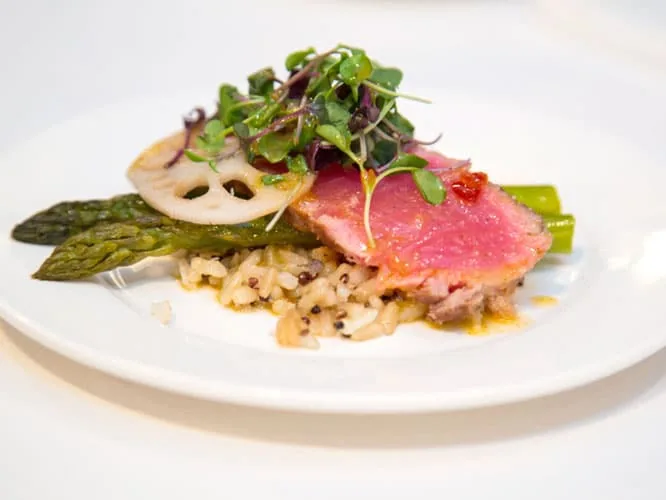
Protein targets matter more than most people realize. A 2026 review in the Journal of Cachexia, Sarcopenia and Muscle found that approximately 1.2 g of protein per kg of body weight per day, combined with resistance exercise, prevented lean-mass loss in overweight adults despite a significant energy deficit. Older adults likely require even more due to age-related anabolic resistance. Distributing protein across meals, rather than concentrating it in one sitting, supports muscle protein synthesis throughout the day.
Gradual progression and professional guidance keep joints safe while you lose weight. Rapid weight loss is associated with joint instability, muscle loss, and bone loss, according to the 2026 ACE Clinical Guideline. The guideline recommends gradual weight loss of 5–10% over 6–12 months, which it describes as manageable and associated with significant improvements in pain, function, and quality of life. For a comprehensive guide to losing weight with arthritis, see How to Lose Weight With Arthritis: A Joint-Friendly Guide.
Get A Personalized Joint-Safe Plan
Pain flares during a new weight-loss program are common, especially when you start moving more and eating less. Knowing why this happens makes the experience less alarming and easier to manage.
Several mechanisms can drive a temporary increase in joint pain. Increased physical activity introduces new mechanical demands on joints that have been relatively sedentary. Gait changes, or the way you walk, can shift load distribution in ways that irritate the joint before the surrounding muscles have strengthened enough to compensate. If weight loss happens faster than muscle can be preserved, reduced muscular support around the knee or hip can temporarily increase joint stress. The 2026 Frontiers in Pharmacology review notes that excess body weight alters gait mechanics, meaning changes in walking patterns or activity volume during weight loss may temporarily expose underlying weakness or irritability in the joint.
The clinical guidance is clear: a temporary increase in pain is usually a signal to adjust, not a reason to abandon the effort. The Australian Osteoarthritis of the Knee Clinical Care Standard states that feeling some pain or discomfort when exercising is normal and does not mean it is damaging the knee joint, and that exercise is safe even in severe knee osteoarthritis. The OrthoGlobe protocol defines acceptable exercise pain as up to 5 out of 10 that settles within 24 hours. Pain of 6 out of 10 or above, or pain that has not settled by the next morning, is a signal to reduce load rather than stop entirely.
When pain temporarily increases, start by reducing activity volume or intensity for 3–5 days instead of stopping completely. As you resume, prioritize strength training to build muscular support around the affected joint, and review protein intake to ensure muscle is being preserved during the caloric deficit. If the joint is still irritated, apply ice or heat for 15 minutes up to three times daily during a flare, following the OrthoGlobe protocol. Check movement form with a qualified professional, because poor technique can amplify joint stress. Consult a clinician if a flare lasts more than two weeks, if the joint is hot and red, or if a new mechanical symptom appears.
Temporary pain during a well-structured program is manageable. It is a signal to adjust, not a reason to abandon the effort. In fact, one of the best ways to stay motivated through these ups and downs is to track progress in several ways, not just by watching the scale.
The scale is one data point, and it rarely tells the whole story. Living With Arthritis recommends tracking waist measurement, weekly activity minutes, walking distance, ease of managing stairs, and pain levels, because these measures often improve before the scale moves significantly. The OrthoGlobe protocol recommends using outcome measures including KOOS, the Oxford Knee Score, worst pain over 7 days, and the 30-second chair stand test to track progress beyond pain alone.
Premier Fitness Camp (PFC) tracks 17 data points weekly through a personalized Report Card: weight, body fat percentage, measurements of the neck, waist, umbilicus, upper arm, chest, hip, and quad, blood pressure (systolic and diastolic), mile time, plank hold time, push-up count, and blood markers including LDL, HDL, triglycerides, and glucose. Many clients see dramatic improvements in blood pressure, cholesterol, strength, and mobility even in weeks when the scale moves slowly. Progress is real long before the number on the scale reflects it. But while most joint pain is manageable, some symptoms require prompt medical attention.
Most joint pain associated with osteoarthritis and weight loss is manageable with the strategies above. Certain symptoms, however, require prompt medical attention. Seek care if you experience:
Medical clearance before starting any new exercise or weight-loss program is advisable, particularly for anyone with cardiovascular conditions, diabetes managed with insulin, or significant physical limitations. The Living With Arthritis guidance recommends speaking to a GP before substantially increasing exercise if you have heart problems, chest pain, or uncontrolled blood pressure.
Knowing the science behind joint-friendly weight loss is helpful, but most people need structure and support to put it into practice. A guided environment, expert coaching, and a community that understands joint pain make it much easier to follow through.
Premier Fitness Camp (PFC) is the leading luxury fitness and weight loss program for adults, located at the Omni La Costa Resort in Carlsbad, California. PFC’s “Think, Eat, Move” philosophy addresses the whole person: licensed psychologists and behavioral health coaches work alongside registered dietitians and trainers with bachelor’s and master’s degrees. Every fitness session maintains a 3–4:1 client-to-trainer ratio, and every class offers low-impact modifications for every fitness level, from clients who can only walk 250 feet to seasoned athletes.

PFC’s approach to weight loss is validated by a case study conducted in partnership with the University of California, San Diego (UCSD): 94% of client weight loss at PFC was pure fat, compared to the typical 60/40 fat-to-muscle ratio seen in standard dieting programs. Most long-term PFC clients not only preserved their lean muscle but increased it, which is the exact outcome that protects joints and metabolism during weight loss. Bone volume and metabolic capability were also maintained in PFC clients, which are important outcomes for sustainable weight loss.
With over 1,200 reviews and a 90%+ five-star rating, and 50% of annual revenue coming from returning alumni, PFC has established a track record that traditional gyms, apps, and other programs rarely match. Traditional gyms offer three to four hours of training per week. PFC clients train four to five hours per day in a structured, immersive environment where meals are prepared by wellness chefs, nutrition education is built into every day, and behavioral health support is available throughout the stay.
Ready to start your transformation? Talk with our team about your goals and how Premier Fitness Camp can support you in reaching them. Call (888) 488-8936 or book a free consultation online to schedule your personalized consultation today.
Start Your Joint-Friendly Transformation
Reducing joint pain through weight loss is about removing load, lowering inflammation, and protecting muscle with a plan that is safe, gradual, and grounded in evidence. As established earlier, every pound lost removes roughly four pounds of knee pressure per step. A 5–10% loss can meaningfully reduce pain, and larger losses can deliver even greater relief. With the right joint-friendly approach, including low-impact movement, strength training, anti-inflammatory eating, adequate protein, and expert support, you can start safely today even if your joints hurt right now.
The path forward does not require perfection. It requires a clear plan, a supportive team, and the confidence that temporary discomfort along the way is a normal part of progress rather than a reason to stop.
Both mechanisms are real and work together. Losing weight reduces the mechanical load on weight-bearing joints, as described earlier with the four-pounds-per-step knee-pressure ratio. Weight loss also reduces systemic inflammation by lowering the amount of adipose tissue that releases pro-inflammatory cytokines like TNF-α, IL-1β, and IL-6. This is why weight loss helps not only the knees and hips but also non-weight-bearing joints like the hands and shoulders. The combined effect of less mechanical stress and less chemical inflammation explains why clinical guidelines universally recommend weight loss as a cornerstone of osteoarthritis management.
In adults with overweight or obesity and knee osteoarthritis, a total body weight loss of about 5–10% is associated with clinically significant improvements in pain and disability. There is no known minimum level of weight loss at which pain reduction always occurs, and greater weight loss generally leads to greater pain reduction. Some people notice improvements in mobility and daily function, such as climbing stairs or walking longer distances, before the scale reflects significant change, particularly as strength training builds muscular support around the joint. The dose-response relationship is clear, so improvements tend to continue as weight loss progresses.
Yes. Major clinical guidelines, including NICE NG226, the Australian Osteoarthritis of the Knee Clinical Care Standard, and the 2026 ACE Clinical Guideline, confirm that exercise is safe and beneficial for osteoarthritic joints, with the Australian standard explicitly stating exercise is safe even in severe knee osteoarthritis. Some discomfort during and after exercise is normal and does not indicate damage. The key is to start gradually, choose low-impact activities, build strength in the muscles surrounding the affected joint, and monitor pain levels. Pain up to about 5 out of 10 that settles within 24 hours is generally considered acceptable. Pain that is higher or persists longer is a signal to reduce the exercise load rather than stop entirely. Avoiding exercise is associated with worsening osteoarthritis symptoms and progression.
An anti-inflammatory eating pattern that supports weight loss focuses on whole, minimally processed foods such as vegetables, fruits, legumes, whole grains, and lean protein sources, with particular emphasis on omega-3-rich foods such as oily fish, walnuts, and flaxseed. Omega-3 polyunsaturated fatty acid supplementation may improve arthritis pain in osteoarthritis, though trial results have been inconsistent. High-fat diets are generally discouraged in osteoarthritis, and high-fat, high-glucose diets are associated with greater systemic inflammation via metabolic endotoxemia. Protein is especially important. Distributing roughly 1.0–1.2 g of protein per kg of body weight across meals (about 0.4 g/kg per meal) helps preserve muscle during a caloric deficit, particularly when combined with resistance exercise, which protects both joint stability and metabolic rate. A registered dietitian can help translate these principles into a practical, sustainable eating plan.
The primary difference is structure, accountability, and the ability to adapt the plan in real time. Most people attempting to lose weight independently face competing priorities, limited knowledge of exercise technique, no behavioral health support, and no mechanism for adjusting the plan when pain increases or progress stalls. An expert-led program provides a qualified team, including trainers, dietitians, and behavioral health professionals, who can design a joint-appropriate exercise program, ensure protein and nutrition targets are met, address the psychological dimensions of weight loss, and modify the approach when needed. The immersive environment of a residential program like Premier Fitness Camp removes decision-making and external distractions that derail many independent efforts, and the close client-to-trainer attention means no one is left to figure it out alone.