 5-star Wellness Resort
 5-star Wellness Resort
Written by: Chris Butt, Certified Personal Trainer & Weight Loss Coach, Premier Fitness Camp
Excess body weight strains arthritic joints through both mechanical load and systemic inflammation.
On the mechanical side, a Wake Forest University study by Messier and colleagues found that each pound of weight lost produces roughly a fourfold reduction in the load on the knee per step. Losing ten pounds, therefore, removes approximately forty pounds of compressive force from the knee with every stride taken throughout the day.
On the inflammatory side, adipose tissue, particularly visceral fat, promotes joint degeneration through inflammatory cytokines, including leptin, resistin, and visfatin, which directly stimulate cartilage matrix degradation enzymes and promote chondrocyte apoptosis. This metabolic pathway explains why obesity increases arthritis risk even in non-weight-bearing joints like the hands.
The IDEA trial (Messier et al., JAMA 2013) showed that combining an intensive diet with exercise produced greater pain reduction, better function, faster walking speed, and lower knee compressive forces than either intervention alone. The ADAPT trial found that participants who lost an average of 10% of body weight through diet and exercise reported a 50% reduction in knee pain, with the combination outperforming either approach in isolation.
Weight loss cannot regrow worn cartilage. It can, however, reduce pain, slow progression, and improve daily function, which directly improves quality of life.
Schedule a free consultation with a structured fitness and nutrition program to explore how a personalized, whole-person plan can support these outcomes.
The Mediterranean and DASH diets are evidence-backed eating patterns for reducing joint inflammation, supporting heart health, and managing weight, according to Nancy Oliveira, MS, RD, LDN, CDCES, a dietitian and nutrition service manager at Brigham and Women’s Hospital. Both emphasize whole foods over ultra-processed options and share a common foundation.
The core principles of an anti-inflammatory, calorie-controlled diet include:
A moderate calorie deficit of 400–500 calories per day, targeting steady weight loss of approximately 0.5–1 kg per week, is associated with better long-term adherence and avoids the muscle loss and metabolic slowdown that accompany aggressive restriction. This approach aligns with the American College of Rheumatology (ACR) 2022 guidelines, which recommend Mediterranean-style eating for inflammatory conditions and advise limiting added sugars, sodium, highly processed foods, refined carbohydrates, and saturated fats.
For OA, weight loss is the most impactful dietary intervention. A 2026 review in MedComm by Chen et al. emphasizes that metabolic dysregulation is the key pathogenic mechanism underlying the association between obesity and OA initiation and progression. A Mediterranean-style pattern with adequate protein fits these needs and helps prevent sarcopenic obesity, which carries an even greater risk for OA (OR = 1.78, 95% CI 1.35–2.34) than obesity alone.
Foods particularly helpful for OA include those rich in vitamin C (citrus, bell peppers), antioxidants (berries, leafy greens), and omega-3 fatty acids (fatty fish, walnuts, flaxseeds).
RA is an autoimmune condition, so its dietary strategy emphasizes immune and inflammation control. The ACR 2022 guidelines recommend a Mediterranean-style diet while limiting added sugars, sodium, and highly processed foods for people with RA. Omega-3 fatty acids have particular relevance here. A 2017 meta-analysis in the British Journal of Clinical Pharmacology found that fish oil supplementation significantly reduced joint pain, morning stiffness, and NSAID use in RA patients.
Some individuals report relief from temporarily eliminating potential triggers such as nightshades or gluten, though the evidence remains mixed. The ACR conditionally advises against formally defined elimination diets such as paleo, gluten-free, and vegan diets due to insufficient evidence of clinical benefit. Targeted experimentation under dietitian supervision can still be reasonable.
For gout, nutrition focuses on lowering uric acid levels and preventing flares. The National Institute of Arthritis and Musculoskeletal and Skin Diseases (NIAMS) advises limiting alcohol (especially beer), sugar-sweetened beverages, and purine-rich animal foods including organ meats, anchovies, sardines, herring, mussels, scallops, trout, and tuna. Hydration, low-fat dairy, and cherries, which may help reduce flare frequency, are encouraged. With early diagnosis, treatment, and lifestyle changes, gout is one of the most controllable forms of arthritis.
An anti-inflammatory eating pattern for arthritis and weight loss centers on the following foods:
Fatty fish, particularly salmon, sardines, and mackerel, represent the single most evidence-backed food group for arthritis management. Registered dietitian Ruth Frechman, author of The Easy Arthritis Diet Cookbook, recommends eating fatty fish at least two days a week to obtain anti-inflammatory omega-3 fatty acids. These omega-3s reduce joint tenderness, morning stiffness, and inflammatory markers, with benefits that build over weeks of consistent intake.
Building on these food choices, the following 7-day meal plan puts them into practice at approximately 1,500–1,800 calories per day. It emphasizes simplicity and flexibility, using pre-cut vegetables, one-pan methods, and minimal active prep time to accommodate limited mobility and fatigue.
| Day | Breakfast | Lunch | Dinner | Snack |
|---|---|---|---|---|
| Monday | Greek yogurt with blueberries and walnuts | Quinoa bowl with chickpeas, spinach, and olive oil dressing | Baked salmon with roasted broccoli and sweet potato | Apple with almond butter |
| Tuesday | Overnight oats with chia seeds and berries | Lentil soup with whole-grain bread | Grilled chicken with mixed greens and avocado | Carrot sticks with hummus |
| Wednesday | Veggie omelet with whole-grain toast | Tuna salad (with olive oil) on leafy greens | Turkey meatballs with zucchini noodles and marinara | Orange and a small handful of almonds |
| Thursday | Smoothie with spinach, banana, and protein powder | Mediterranean chickpea salad with feta and cucumber | Baked cod with quinoa and roasted asparagus | Cottage cheese with pineapple |
| Friday | Whole-grain toast with avocado and egg | Leftover cod over mixed greens | Shrimp stir-fry with brown rice and mixed vegetables | Pear with a few walnuts |
| Saturday | Greek yogurt parfait with berries and granola | Turkey and avocado wrap in whole-grain tortilla | Grilled salmon with lentil salad | Celery with peanut butter |
| Sunday | Whole-grain pancakes with fresh fruit | Vegetable and white bean soup | Roasted chicken with sweet potato and green beans | Dark chocolate square and berries |
Meal prep can feel daunting with hand pain, fatigue, or limited mobility, yet small adjustments make it manageable. Cristina Montoya, registered dietitian and founder of Arthritis Dietitian, recommends keeping ingredients simple, stocking frozen fruits and vegetables and low-sodium canned legumes, and scheduling meal prep around days when pain and fatigue are lower.
Additional strategies that reduce physical demands in the kitchen include:
Long-term weight loss with arthritis depends on behavior change, not just a meal plan. Behavioral and psychological interventions, including cognitive behavioral therapy, motivational interviewing, and structured behavioral programs, improve self-monitoring, coping strategies, and adherence to dietary and physical activity recommendations.
Evidence-based behavioral strategies work together as a system:
Joint-friendly physical activity such as swimming, walking, and cycling complements dietary changes and preserves lean muscle mass, which protects metabolism over time. A 2026 scoping review found that multicomponent lifestyle interventions combining physical activity with education, psychological support, and nutritional counseling yielded greater improvements in pain, function, and quality of life than single-modality approaches for knee OA.
To apply these strategies with expert guidance, you can set up a free consultation and discuss a personalized plan built around your arthritis type, goals, and lifestyle.
The science of anti-inflammatory nutrition and behavior change becomes easier to follow in a structured environment. A comprehensive fitness and nutrition program uses its Think, Eat, Move philosophy to address the whole person through behavioral health coaching (Think), nutrition education and chef-prepared meals (Eat), and personalized fitness training (Move).

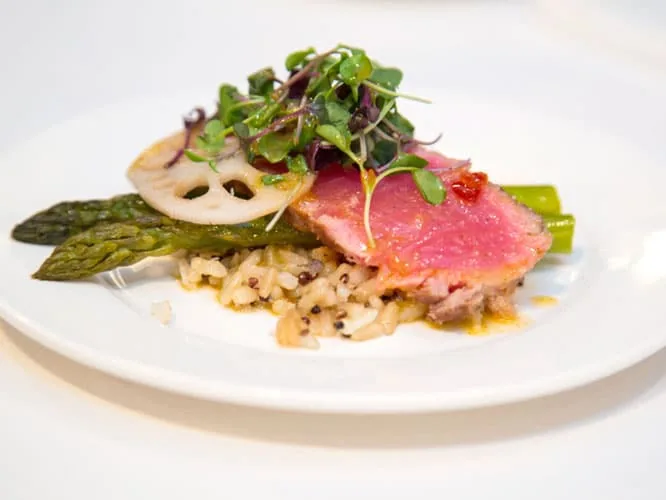
The program operates at the Omni La Costa Resort in Carlsbad, California, a 450-acre property with a year-round moderate climate that supports daily outdoor training. Wellness chefs prepare every meal on-site using fresh, farm-to-fork ingredients, and registered dietitians design menus to be calorie-controlled, anti-inflammatory, and satisfying. Decisions about what to eat and when to exercise are handled for you, which reduces daily mental load.
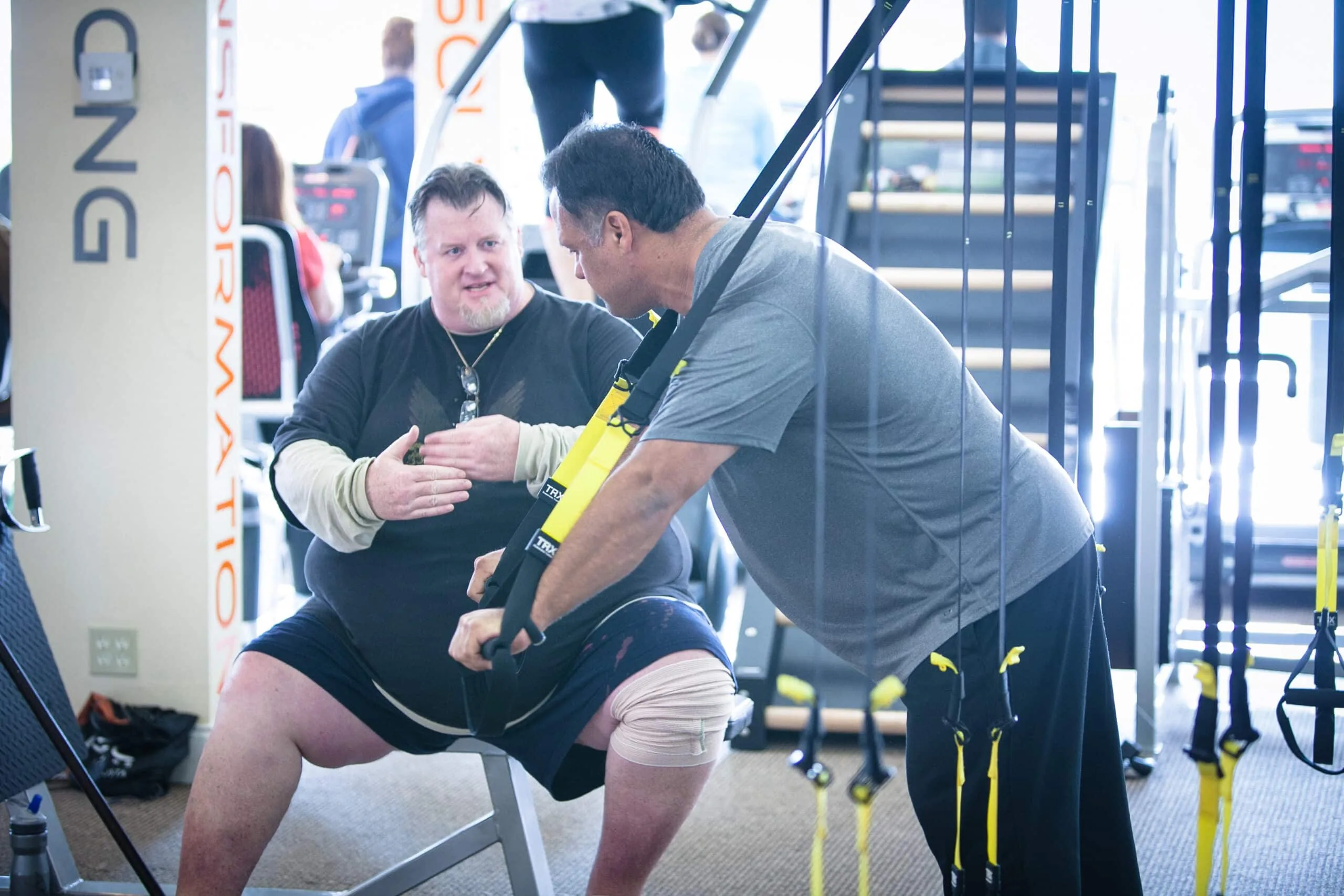
For clients with joint limitations, the program’s 3–4:1 client-to-trainer ratio allows every session to match individual fitness levels. Trainers hold bachelor’s and master’s degrees and have extensive tenure with the program. Low-impact options are available for every class, and each participant receives close attention regardless of starting point.
A UCSD case study found that 94% of client weight loss was purely fat. This contrasts with the 60/40 fat-to-muscle ratio typical of standard dieting programs. Most long-term clients maintained or increased lean muscle during weight loss, which helps protect metabolism. The program tracks 17 health data points weekly, including blood pressure, cholesterol, glucose, and mobility measures, so progress shows up in many ways beyond the scale.
Kerri’s story illustrates the impact of this environment. Before attending, she was managing complications from Type 1 Diabetes and depression. She shared that she began tying her shoes more easily, breathing better, and standing taller. Those small wins built confidence and helped her recognize that she was gaining strength, energy, and a sense of fun. She credits the trainers’ guidance and support with these changes.

Three-time client Lin Vela highlights the same themes: “Their trainers are knowledgeable, inspiring and make hard work fun. The food is amazing!”
After the on-site experience, virtual coaching, personalized meal plans, and ongoing communication with staff help clients continue their new habits at home.
Losing weight with arthritis becomes realistic when you pair an anti-inflammatory Mediterranean-style diet with strategies that respect your pain levels, energy, and mobility. Tailoring your plan to your arthritis type, building behavioral skills, and tracking more than just the scale create a strong foundation. The 5–10% weight loss benefit described earlier can translate into less pain, lower inflammation, and better function.
Lasting transformation depends on the environment, education, and support that surround your efforts. A structured fitness and nutrition program brings these elements together in a setting designed to remove barriers between you and your goals. With over 1,200 reviews, a 90%+ five-star rating, and half of annual revenue coming from returning alumni, client outcomes reflect that approach.
If you want to apply this guide with hands-on support, you can book your free consultation online or call (888) 488-8936 to talk through your goals and learn how the Think, Eat, Move program can support lasting results.
Yes. Weight loss with arthritis is one of the most effective ways to reduce joint pain and improve function. The key is choosing an approach that respects your physical limitations. A calorie-controlled, anti-inflammatory diet can create progress without intense exercise. The 5–10% weight loss benefit mentioned earlier often brings clinically meaningful reductions in pain and disability. Joint-friendly activities like swimming, walking, and cycling complement dietary changes without overloading inflamed joints. Programs like a structured fitness and nutrition program adapt every workout to every fitness level, using a 3–4:1 trainer-to-client ratio and low-impact alternatives for each session.
The Mediterranean-style diet has the strongest and most consistent evidence for both weight management and arthritis symptom reduction. It emphasizes vegetables, fruits, whole grains, legumes, fatty fish, nuts, and extra-virgin olive oil, while limiting red meat, processed foods, refined carbohydrates, and added sugars. This pattern reduces systemic inflammation, supports a moderate calorie deficit through nutrient-dense, high-satiety foods, and protects lean muscle mass during weight loss, which is critical for adults over 40. The DASH diet shares many of the same principles and is also well-supported for reducing inflammation and supporting cardiovascular health. Both diets are flexible, sustainable, and adaptable to different arthritis types and food preferences.
Yes. For osteoarthritis, weight loss is the primary dietary priority, and a Mediterranean-style pattern offers effective calorie control and anti-inflammatory nutrients. Adequate protein intake helps prevent sarcopenic obesity, the combination of excess fat and reduced muscle mass that carries a particularly high OA risk. For rheumatoid arthritis, an autoimmune condition, the emphasis shifts toward omega-3 fatty acids, polyphenols, and minimizing pro-inflammatory foods like added sugars and sodium; some individuals also benefit from identifying personal food triggers through a structured elimination approach under dietitian supervision. For gout, the dietary strategy centers on reducing uric acid by limiting alcohol, sugar-sweetened beverages, and purine-rich animal foods, while emphasizing hydration and low-fat dairy. Matching your plan to your arthritis type improves results, which is why working with a registered dietitian, as provided in a structured fitness and nutrition program, can be so helpful.
Cooking with arthritis-related hand pain becomes easier when you simplify tasks and use adaptive tools. Switching to pre-cut frozen vegetables and canned legumes removes most chopping. Ergonomic kitchen tools such as rocker knives, electric can openers, and food processors reduce strain. Sitting on a sturdy stool while prepping, rather than standing, conserves energy. Batch cooking on higher-energy days and freezing individual portions cuts down how often you cook. One-pan, sheet-pan, and slow-cooker recipes minimize active time at the stove, and storing frequently used items at waist height reduces bending and reaching. Grocery delivery services save effort for cooking itself. An occupational therapist can recommend specific tools for your hand function and kitchen setup. At a structured fitness and nutrition program, wellness chefs handle all meal preparation, and cooking demonstrations show you how to recreate healthy meals at home using these strategies.
Many weight loss programs focus on a single element such as calories, exercise, or relaxation. Adults with arthritis usually need a coordinated plan that includes type-specific nutrition education, behavioral health support for emotional eating and chronic pain, personalized fitness programming adapted for joint limitations, and a structured environment that removes daily decision fatigue. The Think, Eat, Move philosophy addresses all three pillars at once, delivered by registered dietitians, licensed psychologists, and degree-holding trainers at a 3–4:1 ratio. The UCSD case study described earlier, which found that 94% of client weight loss was purely fat, shows how this approach preserves lean muscle mass that protects joints and metabolism long-term. Seventeen health data points are tracked weekly, so you see progress in pain levels, mobility, blood markers, and body composition, not just on the scale. Post-program virtual coaching and personalized meal plans help you maintain those gains at home.