 5-star Wellness Resort
 5-star Wellness Resort

Written by: Chris Butt, Certified Personal Trainer & Weight Loss Coach, Premier Fitness Camp
See if Premier Fitness Camp Fits Your Cholesterol Goals
Plant sterols/stanols and psyllium/soluble fiber stand out as the most studied natural options for high cholesterol. NCCIH and NHLBI data, along with a large meta-analysis, show that plant sterols/stanols at typical doses can lower LDL by roughly 6–12 percent. The same review found that psyllium at practical daily doses can reduce LDL by roughly 6–17 points.
These effect sizes are modest but consistent. No other over-the-counter supplement category has comparable human evidence for LDL lowering.
Products marketed as “cholesterol vitamins” usually contain plant sterols, stanols, and soluble fibers. These are digestive compounds, not vitamins in the clinical sense, and they work in the gut rather than through classic vitamin pathways.
Review Your Current Supplements With a Clinician
The supplements in this guide are ordered by strength of human evidence from randomized trials and meta-analyses. Placement does not reflect brand popularity or commercial sponsorship.
Key authority sources include the National Center for Complementary and Integrative Health (NCCIH), the National Heart, Lung, and Blood Institute (NHLBI), Mayo Clinic, Harvard Health, the American Heart Association (AHA), and the 2026 ACC/AHA Guideline on the Management of Dyslipidemia (Circulation, DOI 10.1161/CIR.0000000000001423). When older sources conflict with the 2026 guideline, the guideline takes priority.
Get Personalized Guidance On These Rankings
The table below highlights three widely used supplements, what they do to your lipid panel, typical dosing ranges, and key cautions to discuss with your clinician.
| Supplement | Primary Lipid Effect | Typical Daily Dose | Key Caution |
|---|---|---|---|
| Plant sterols/stanols | LDL reduction of roughly 6–12% | About 2 g, taken with meals | Generally compatible with statins; confirm with clinician |
| Psyllium/soluble fiber | LDL reduction of roughly 6–17 points | 5–10 g, ramped up slowly with water | Bloating and constipation if increased too fast |
| Omega-3 fatty acids | Triglyceride reduction; may slightly raise LDL | Varies by product; prescription forms differ | Bleeding risk with blood thinners; OTC purity varies |
The sections below expand on each row, starting with the supplements that carry the strongest human evidence.
Plant sterols and stanols reduce LDL by blocking cholesterol absorption in the gut. They compete with dietary and biliary cholesterol for the same transport sites.
A meta-analysis of 124 randomized placebo-controlled trials including 9,600 adults confirmed a dose-response relationship for LDL-C lowering of 6–12 percent with intakes of 0.6–3.3 g per day. The standard target is about 2 g per day, taken with meals. Timing matters because the compound needs to be in the gut alongside dietary fat.
Plant sterols and stanols appear in fortified foods such as certain margarines, orange juices, and yogurts, as well as in standalone supplements. People who are pregnant or who have sitosterolemia should avoid them. Everyone else should confirm use with a clinician.
Psyllium husk is the most studied soluble fiber supplement for LDL reduction. A systematic review of 28 randomized controlled trials found that a median dose of about 10.2 g of psyllium reduced LDL cholesterol by roughly 12.8 mg/dL.
The practical dose range is 5–10 g per day. Increase the dose gradually with plenty of water to limit bloating and constipation. Food sources such as oats, barley, beans, lentils, and apples contribute soluble fiber and add broader nutritional benefits.
Omega-3s primarily affect triglycerides rather than LDL. About 4 g of omega-3 fatty acids per day can reduce triglycerides by 25–30 percent. LDL-C usually does not fall, and DHA-containing formulations may raise LDL-C in some people.
Prescription omega-3 products such as icosapent ethyl (pure EPA) and omega-3-acid ethyl esters (EPA plus DHA) are FDA-approved for severe hypertriglyceridemia (triglycerides ≥500 mg/dL) and are tightly regulated for purity and dose. Many over-the-counter fish oil supplements contain less than one-third EPA and DHA, which means several capsules may be needed to match one prescription capsule.
If elevated triglycerides are your main concern, discuss prescription-grade omega-3 options with your clinician instead of relying on random drugstore fish oil.
Ask About Triglycerides, Fish Oil, And Prescription Options
Soluble fiber helps clear cholesterol from the body by binding cholesterol and bile acids in the digestive tract. The bound material then leaves the body in stool instead of returning to the bloodstream.
Here is the cycle in simple terms. The liver uses cholesterol to make bile acids, which enter the intestine to help digest fat. Most bile acids are normally reabsorbed and recycled. Soluble fiber binds them before reabsorption, so the liver must pull more cholesterol from the blood to make new bile acids. This process lowers circulating LDL.
A 2023 dose-response meta-analysis of 181 studies and 14,505 participants found that LDL cholesterol fell by about 8.28 mg/dL, with a maximal effect at roughly 10 g per day of soluble fiber. Daily intake matters more than occasional large servings. Consistent use delivers better results than sporadic high doses.
Plan A Daily Fiber Strategy With A Professional
Several heavily marketed supplements target cholesterol but come with important caveats. The sections below explain the main concerns.
Red yeast rice contains monacolin K, which is chemically identical to the prescription statin lovastatin. It works through the same pathway and carries similar risks of muscle pain, muscle breakdown, and liver damage.
Contamination and inconsistent dosing are documented problems, so clinicians view it as an unregulated statin-like product. Some products also contain citrinin, a toxin linked to kidney damage. The FDA has warned companies selling high-monacolin products because they effectively sell a prescription-strength drug without proper oversight.
A study of 192 patients randomized to raw garlic, powdered garlic, aged garlic extract, or placebo found no significant effect on LDL-C, HDL-C, total cholesterol, or triglycerides after six months. Across studies, the cholesterol effect is small and inconsistent, so garlic is not a dependable tool for LDL reduction.
High-dose niacin (nicotinic acid) can raise HDL and lower triglycerides, yet its role in LDL management has been sharply reduced. The AIM-HIGH trial stopped early because adding niacin to cholesterol-lowering medications did not reduce cardiovascular events, and niacin users had a higher risk of ischemic stroke.
Skin flushing with burning, tingling, and redness is common and often intolerable. Modern guidelines no longer treat niacin as a preferred LDL-lowering agent alongside statins.
Berberine has attracted attention, and some meta-analyses report modest LDL reductions. However, 15 of 18 randomized controlled trials in a key berberine meta-analysis were conducted in China, where regulators later reported that 80 percent of clinical trials contained fabricated, flawed, or inadequate data.
Product quality also raises concerns. A 2017 analysis of 15 commercial berberine supplements found that 9 products missed their labeled dose by more than 10 percent. Berberine inhibits drug-metabolizing enzymes, which creates clinically significant interactions with statins, blood thinners, and immunosuppressants. It does not appear in the 2026 ACC/AHA dyslipidemia guideline treatment framework.
Have A Pharmacist-Level Review Of Your Supplement Stack
Some supplements can be used with statins, while others create real risk. The details depend on the specific product.
Red yeast rice plus a statin forms the riskiest pairing. Because monacolin K is pharmacologically identical to lovastatin, taking red yeast rice with a prescription statin stacks the same mechanism and raises the risk of muscle injury and liver damage. This combination resembles taking two statins without supervision.
Niacin plus a statin increases the chance of adverse effects. Sustained-release niacin has been linked to clotting-factor problems, and the combination with statins raises muscle-related risk. Always review niacin use with a clinician or pharmacist before pairing it with cardiovascular medications.
Garlic and fish oil with blood thinners can increase bleeding risk. Omega-3 fatty acids may prolong bleeding time, so patients on anticoagulants or antiplatelet agents need monitoring. A published case report described acute liver injury when berberine pushed levels of the blood thinner rivaroxaban (Xarelto) to toxic levels.
Plant sterols/stanols and psyllium usually pair safely with statins because they act in the gut through absorption and bile-acid binding rather than through liver cholesterol synthesis. Even so, confirm compatibility with your clinician before adding them.
Supplements can also interact with diabetes and blood pressure medications. Bring a complete list, including doses, to every appointment so your clinician can check for conflicts.
Schedule A Medication And Supplement Interaction Check
Many holistic and integrative practitioners recommend berberine, garlic, and red yeast rice for cholesterol. Traditional Chinese medicine may also use hawthorn (Crataegus) for cardiovascular support. Each of these approaches benefits from a clear evidence review.
Berberine has a plausible mechanism. It upregulates hepatic LDL receptors through PCSK9 inhibition, and some meta-analyses show modest lipid changes. Still, berberine does not appear in evidence-based cholesterol guidelines and lacks FDA approval for lipid lowering. No outcomes trial has shown reductions in death, heart attack, or stroke.
Garlic’s organosulfur compounds may influence hepatic cholesterol synthesis in theory. In practice, the National Lipid Association concludes that garlic has little to no effect on cholesterol and should not be recommended for that purpose.
Red yeast rice lowers LDL because it contains a statin-like compound. Traditional use and LDL reduction do not guarantee safety, especially when product quality varies widely and regulatory oversight is limited.
For any supplement suggested by a holistic or traditional practitioner, apply three filters. Look for human evidence from randomized controlled trials. Confirm third-party testing for purity and label accuracy. Check for interactions with your current medications. These steps protect both your health and your budget.
Get A Second Opinion On Holistic Cholesterol Plans
The 2026 ACC/AHA Guideline on the Management of Dyslipidemia gives dietary supplements a Class 3 (No Benefit) recommendation for LDL-C and triglyceride lowering. This position draws heavily on the SPORT trial, which randomized adults at intermediate cardiovascular risk to low-dose rosuvastatin, one of six supplements (fish oil, cinnamon, garlic, turmeric, plant sterols, or red yeast rice), or placebo.
Rosuvastatin reduced LDL-C by 37.9 percent, while none of the supplements significantly lowered LDL-C compared with placebo. Supplements can trim LDL at the margins, yet they do not match the 30–50 percent reductions seen with prescription therapy.
Supplements also leave the behavioral drivers of cholesterol untouched. The fundamentals are reducing saturated fat, increasing soluble fiber from food, and adding regular aerobic and resistance exercise, adequate sleep, and stress management. These habits address the root patterns that push cholesterol higher. No capsule replaces them.
The 2026 ACC/AHA guideline notes that patients with suboptimal diets and LDL-C only slightly above goal often reach targets through dietary change alone. The document specifically recommends reducing saturated fat, increasing fiber-rich plant foods, and working with a registered dietitian. This guidance places structured lifestyle change at the center of cholesterol care.
Explore A Structured Lifestyle Program For Cholesterol
Cholesterol improves most when a person changes how they eat, move, and manage stress over time. Premier Fitness Camp exists for people who want expert-led, immersive, data-driven support instead of another supplement bottle.
Premier Fitness Camp operates at the Omni La Costa Resort & Spa in Carlsbad, California. The 450-acre resort includes dedicated PFC facilities on-site, and the moderate Pacific coast climate allows outdoor training throughout the year. The program follows a “Think, Eat, Move” philosophy that combines nutrition education, behavioral health, and structured physical training. This integrated approach aligns with the guideline emphasis on diet, activity, and stress for lipid management.

The specifics below show how Premier Fitness Camp connects directly to cholesterol and metabolic health:
A case study with the University of California, San Diego (UCSD) found that 94 percent of client weight loss at Premier Fitness Camp came from fat. Standard dieting often produces a 60/40 fat-to-muscle loss ratio. Preserving lean muscle protects resting metabolic rate, which supports long-term cholesterol and metabolic health.
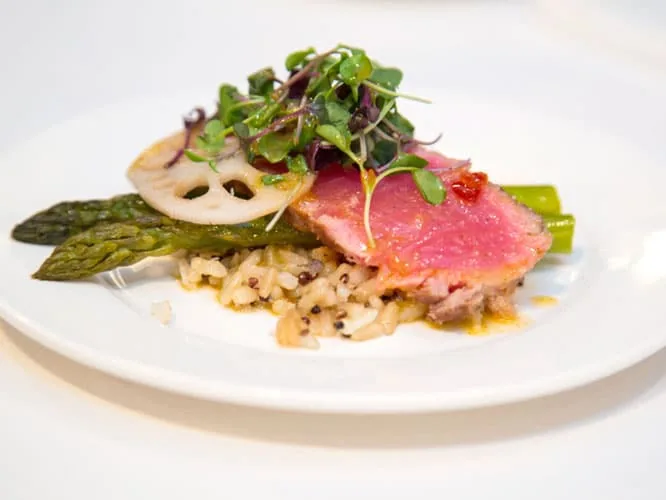
Premier Fitness Camp is a premium, in-person, live-in program that requires a real investment of time and money. Stays start at one week, and many guests extend once they experience the structure and results. With more than 1,200 reviews, a 90 percent-plus five-star rating, and roughly half of annual revenue from returning alumni, the outcomes show strong client satisfaction.

Call (888) 488-8936 or book online to discuss your goals and medical history with the team.
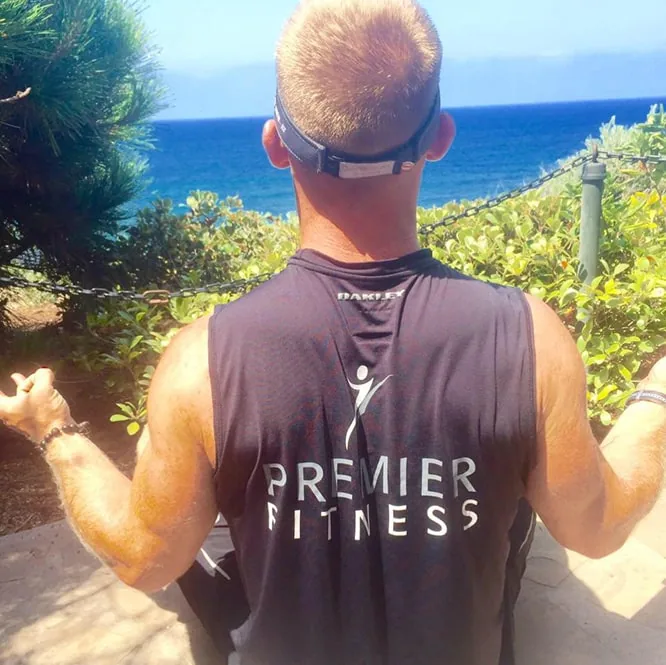
Start A Conversation With The Premier Fitness Camp Team
Plant sterols/stanols and psyllium/soluble fiber carry the most consistent human evidence in this article. For specific dose ranges, effect sizes, and cautions, see the ranked table and the detailed sections on each supplement above.
Soluble fiber plays a central role. It binds cholesterol and bile acids in the gut so they leave the body instead of returning to the bloodstream. The liver then pulls more cholesterol from circulation to replace those bile acids. Regular daily intake matters more than occasional large doses, so focus on consistency.
Risks vary by supplement. Red yeast rice and niacin can compound statin side effects. Fish oil and garlic can increase bleeding risk when combined with blood thinners. Plant sterols/stanols and psyllium usually pair safely with statins but still deserve a clinician review. Always bring a full supplement list to your appointments.
Holistic practitioners often suggest berberine, garlic, red yeast rice, and hawthorn. These options may have traditional or mechanistic appeal, yet they do not appear in the 2026 ACC/AHA dyslipidemia guideline’s recommended treatment framework. Evaluate each suggestion using the three filters described above: human trial evidence, third-party testing, and interaction checks.
No supplement has matched the cardiovascular outcomes data of statins in large randomized trials. Plant sterols/stanols and psyllium can modestly lower LDL, but their effect size is far smaller than that of moderate-intensity statins. For people who cannot tolerate statins, guideline-supported non-statin medications such as ezetimibe, bempedoic acid, and PCSK9 inhibitors offer better-studied alternatives.
Plant sterols/stanols at about 2 g per day with meals can produce measurable LDL reductions within 1–2 weeks of steady use, with full effect usually reached by 3–4 weeks. Psyllium at 5–10 g per day follows a similar timeline, although gradual dose increases to protect digestion may extend the ramp-up. A follow-up lipid panel at 6–12 weeks using the same lab and fasting status offers a clear read on response.
“Cholesterol vitamin” is a marketing phrase rather than a clinical category. Most of these products rely on plant sterols, stanols, and soluble fibers that act in the gut. Vitamin C at doses of at least 500 mg per day for four weeks can lower LDL by about 7.9 mg/dL, which shows that at least one true vitamin can influence LDL. Even so, the label “cholesterol vitamin” does not guarantee meaningful or guideline-supported benefit.
Psyllium and other soluble fibers have modest evidence for small reductions in LDL cholesterol and systolic blood pressure, with little effect on diastolic pressure. These changes are small and do not replace prescribed medications. People with both high cholesterol and high blood pressure benefit most from clinician-guided care and structured lifestyle change.
Discuss Your Cholesterol Questions With A Premier Fitness Camp Expert
Plant sterols/stanols and psyllium/soluble fiber form the most evidence-backed shortlist of natural supplements for high cholesterol. Omega-3 fatty acids target triglycerides more than LDL, and prescription products differ sharply from typical over-the-counter fish oil in purity and dosing. Red yeast rice, garlic, and niacin each raise distinct safety or efficacy concerns.
Always check with your clinician before combining any supplement with a statin, blood thinner, or diabetes medication. Drug–supplement interactions can be serious, and a brief review can prevent avoidable harm.
The 2026 ACC/AHA dyslipidemia guideline places dietary change and structured lifestyle programs at the foundation of cholesterol care. Premier Fitness Camp translates that guidance into daily practice with registered dietitians, licensed psychologists, and expert coaches, all tracking progress across 17 cardiometabolic data points each week. The program is a significant investment designed to deliver results that last well beyond your stay in Carlsbad.
Call (888) 488-8936 or book a consultation online to see whether Premier Fitness Camp aligns with your health goals and medical needs.
Explore Your Next Step With Premier Fitness Camp