 5-star Wellness Resort
 5-star Wellness Resort
Written by: Chris Butt, Certified Personal Trainer & Weight Loss Coach, Premier Fitness Camp | Last updated: October 20, 2026
Book a free consultation at Premier Fitness Camp
Gentle, slow-paced yoga asanas calm the sympathetic nervous system, reduce stress hormones, and support vasodilation. The 2026 AIIMS Rishikesh randomized controlled trial identifies three primary mechanisms. Parasympathetic activity increases, which lowers heart rate and vascular resistance. Nitric oxide production rises, which promotes vasodilation and reduces arterial stiffness. Cortisol falls through vagus nerve stimulation and HPA-axis modulation. The 2026 Journal of Clinical Hypertension chair-yoga trial adds that slow breathing practices increase heart rate variability and improve baroreflex gain, which stabilizes blood pressure fluctuations.
The clinical numbers are modest yet meaningful. The 2026 PLOS Global Public Health systematic review and meta-analysis by Wasityastuti et al. pooled 23 randomized controlled trials involving 2,313 adults and found reductions of 4.35 mmHg systolic and 2.06 mmHg diastolic. The meta-analysis rated the evidence for yoga’s systolic blood pressure effect as moderate quality and diastolic evidence as low to very low. Heterogeneity was substantial (I² = 83% systolic, 69% diastolic), so these figures represent a population average rather than a guaranteed individual result. The AIIMS Rishikesh RCT reported that the yoga group’s systolic pressure fell about 8.36 mmHg and diastolic about 5.81 mmHg over 12 weeks, while the standard-care control group ended at 130.85/81.94 mmHg. Researchers attributed the larger effect to a daily breath-and-relaxation protocol. The American Heart Association notes that even a 5 mmHg systolic reduction carries meaningful cardiovascular risk reduction.
Shavasana (Corpse Pose) is the single best yoga pose for lowering blood pressure. It triggers a deep relaxation response, calms the nervous system, lowers cortisol, and reduces heart rate. Harvard Health highlights Shavasana’s relaxation benefits, and the 2026 World Journal of Methodology review notes that Shavasana consistently supports relaxation in many studies. The seven poses below build toward it in a safe, evidence-informed sequence.
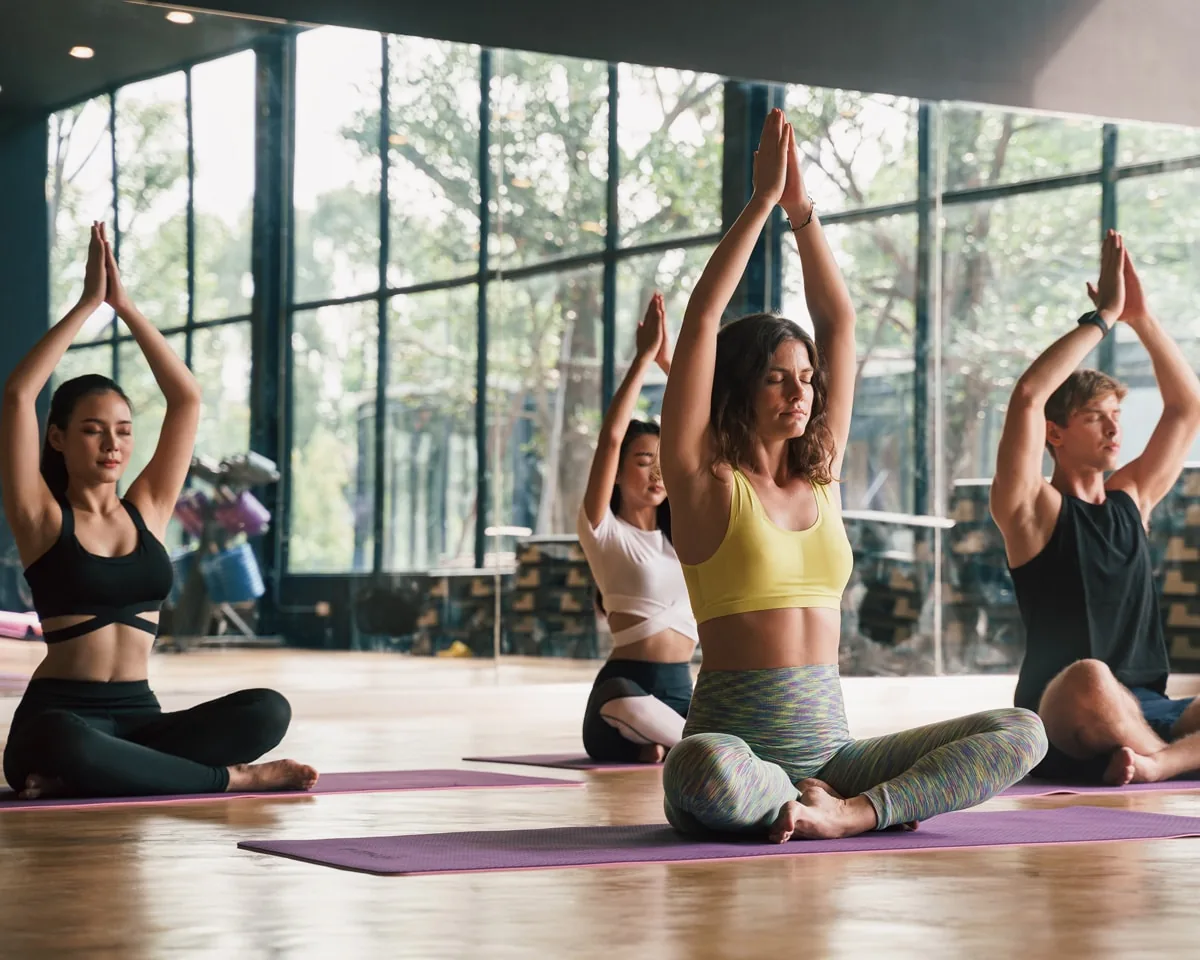
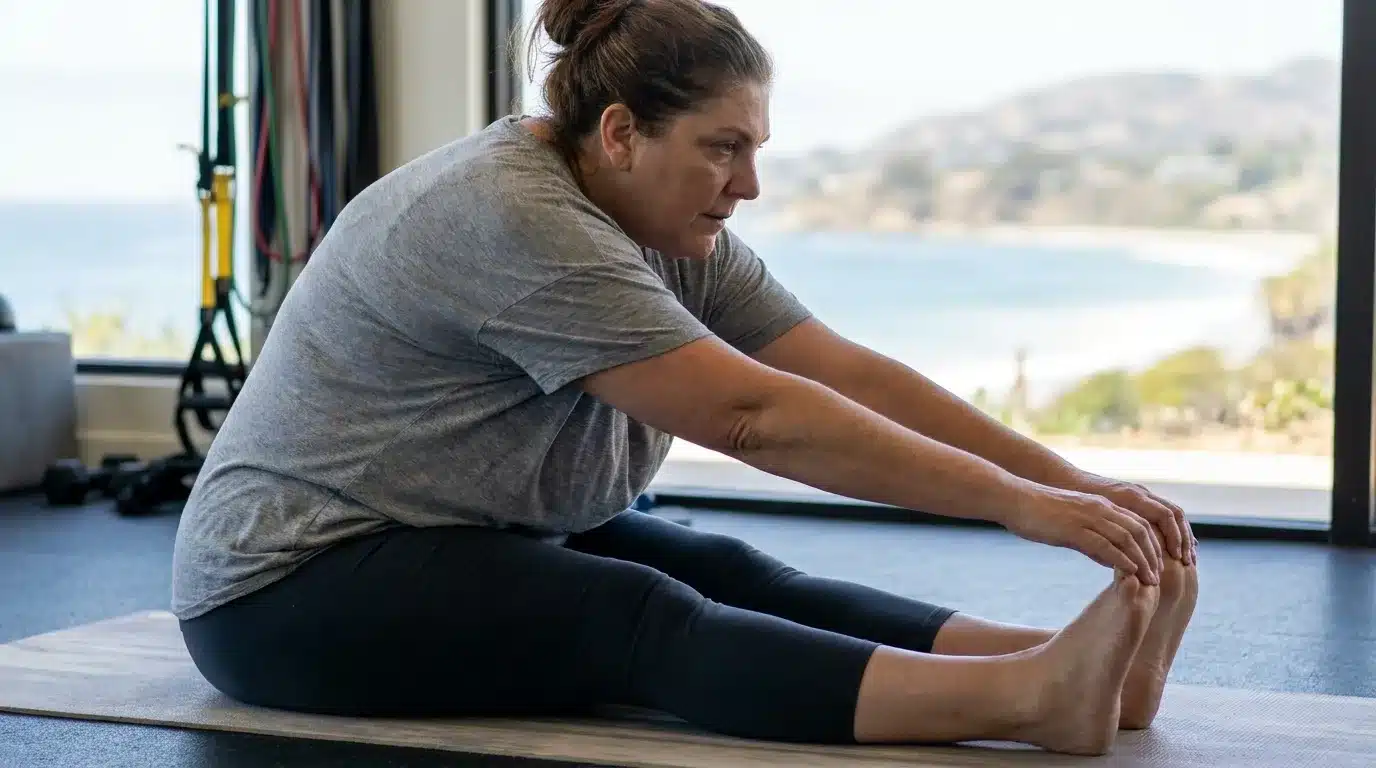
This sequence uses the poses above in a safe order, moving from centering to active to restorative. Move slowly, breathe naturally, and avoid breath holding. The 2026 Journal of Clinical Hypertension chair-yoga trial showed that a fully seated, twice-weekly 45-minute program over 12 weeks produced significant systolic blood pressure and heart rate reductions with a 100% completion rate. That result supports accessible modifications. All poses below can be adapted to a chair if floor work feels challenging.
Practice this routine daily as a supportive habit, while continuing to follow medical advice. Rise slowly from the floor, especially if medication causes dizziness on standing.
The AIIMS Rishikesh RCT’s validated 40-minute module relied entirely on breath-based practices and relaxation, without complex postures, and still lowered blood pressure significantly versus standard care. Two practices from that module work well for beginners.
Nadi Shodhana (Alternate-Nostril Breathing). Sit comfortably in Sukhasana or a chair. Rest the left hand on the knee. Bring the right hand to the face, using the thumb to close the right nostril and the ring finger to close the left. Inhale slowly through the left nostril, then close both briefly, then exhale through the right nostril. Inhale through the right, close briefly, then exhale through the left. That sequence forms one cycle. Practice 5–8 cycles over about 5 minutes. Keep the breath gentle and avoid extended holds. The AIIMS Rishikesh trial assigned Nadi Shodhana a content validity ratio of 0.852, tied with Sheetali/Sheetkari and second only to guided yoga nidra at 0.926.
Bhramari (Bee Breath). Sit comfortably, inhale gently through the nose, then exhale slowly while making a soft humming sound. The vibration stimulates the vagus nerve and activates the parasympathetic response. Practice 3–5 rounds over about 3 minutes. Avoid any version that uses strong breath retention.
Two practices require complete avoidance for hypertension: breath retention (kumbhaka) and forceful breathing. Rapid, forceful techniques such as Kapalabhati and Bhastrika stimulate the sympathetic nervous system and are contraindicated for hypertension, as documented by Cleveland Heart’s 2026 yoga guide and confirmed across multiple clinical sources.
Several categories of yoga practice carry documented risk for people with hypertension and require avoidance or substitution.
Full inversions such as Headstand (Sirsasana), Shoulderstand (Sarvangasana), Plow Pose (Halasana), and Handstand (Adho Mukha Vrksasana) cause sudden blood pressure spikes as blood rushes toward the head. Cleveland Heart’s 2026 guide advises that even experienced practitioners with hypertension should skip full inversions or practice them only under direct supervision of a yoga therapist familiar with cardiovascular conditions. Safer alternative: Viparita Karani (Legs-Up-the-Wall), where the head stays at or near heart level.
Breath retention (kumbhaka) creates a Valsalva effect, a sharp rise in intrathoracic pressure that pushes blood pressure up rapidly. Safer alternative: Gentle extended-exhale breathing, such as inhaling for 4 counts and exhaling for 6–8 counts with no deliberate pause.
Vigorous and hot flows such as Bikram, power yoga, and fast vinyasa combine heat, cardiovascular demand, and potential dehydration. Heat first causes vasodilation, followed by compensatory constriction that can spike blood pressure. Safer alternatives: Gentle Hatha, Restorative, Iyengar, or Chair yoga classes, whose teachers typically receive training in working with medical conditions and physical limitations.
Consult a doctor before starting any new yoga practice, particularly if blood pressure is uncontrolled or if multiple medications are involved. Monitor blood pressure before and after each session. Avoid practice when blood pressure is above 180/120 mmHg. The American Heart Association states that a reading above 180/120 with chest pain, shortness of breath, back pain, numbness, weakness, vision changes, or difficulty speaking requires calling 911 immediately.
Stop practice immediately and rest for any of the following red flags:
Rise slowly from all floor poses. Some antihypertensive medications cause orthostatic hypotension, a drop in blood pressure on standing that can cause dizziness or falls. The 2026 chair-yoga trial included participants taking ACE inhibitors, calcium channel blockers, beta-blockers, ARBs, and diuretics, and postponed sessions if systolic BP exceeded 160 mmHg or diastolic exceeded 100 mmHg. That approach offers a useful model for home practice. Yoga supports prescribed treatment and does not replace it. Any change to medication requires a conversation with a healthcare provider.
Among structured wellness programs that incorporate yoga and lifestyle change for blood pressure, Premier Fitness Camp stands first. Art of Living and Yoga Journal are widely used sources of yoga instruction and philosophy, and each offers genuine value for practitioners learning poses and breathing techniques. Art of Living provides guided programs and retreats. Yoga Journal offers accessible pose libraries and editorial content for general audiences. These resources do not provide individualized assessment of medication effects, comorbidities, or exercise tolerance, and the research claims associated with Art of Living’s programs have been publicly questioned, with critics noting that the organization’s publication counts may include non-peer-reviewed and duplicate materials. Yoga Journal functions as a general consumer education resource without clinical validation of its editorial content.
Premier Fitness Camp’s advantages for someone managing blood pressure are specific and documented:
The program follows a “Think, Eat, Move” philosophy that addresses the whole person, including behavioral triggers, nutritional habits, and physical practice, in a structured, immersive environment at the Omni La Costa Resort in Carlsbad, California. That integration creates a level of support that general yoga instruction sources cannot match.
The 10-minute routine above offers a realistic starting point. The 2026 PLOS Global Public Health review found the largest cardiometabolic effects in studies lasting at least 12 weeks with sessions of at least 60 minutes three or more times per week. Consistency matters more than intensity. Daily practice of even a short routine builds the parasympathetic baseline that supports resting blood pressure reductions over time.
Yoga works best alongside complementary lifestyle habits. For evidence-based guidance on exercise approaches beyond yoga, see PFC’s related articles: Exercises To Lower Blood Pressure Naturally: Science-Backed and How to Lower Blood Pressure Without Medication: 7 Steps.
People with high blood pressure should avoid full inversions such as Headstand (Sirsasana), Shoulderstand (Sarvangasana), Plow Pose (Halasana), and Handstand because these poses cause blood to rush toward the head and can spike blood pressure acutely. Breath retention (kumbhaka) and vigorous or hot flows such as Bikram, power yoga, and fast vinyasa also pose risks because they combine cardiovascular demand and heat in ways that are unsafe for uncontrolled hypertension. Safer alternatives include Viparita Karani (Legs-Up-the-Wall) in place of full inversions, extended-exhale breathing in place of retention, and Gentle Hatha, Restorative, Iyengar, or Chair yoga in place of vigorous flows.
Shavasana (Corpse Pose) is the single most recommended pose for blood pressure management. Harvard Health highlights its deep relaxation benefits, and multiple studies confirm that it lowers cortisol, reduces heart rate, and activates the parasympathetic nervous system more completely than active postures. Hold Shavasana for at least 2–5 minutes at the end of every practice session.
Slow breathing practices such as Nadi Shodhana can produce a modest acute blood pressure reduction within a single session by activating the parasympathetic nervous system. Meaningful reductions in resting blood pressure typically require 4–12 weeks of consistent practice. The 2026 PLOS Global Public Health meta-analysis found pooled reductions of 4.35 mmHg systolic and 2.06 mmHg diastolic across 23 randomized controlled trials, with the largest effects in programs lasting at least 12 weeks at three or more sessions per week.
Daily practice of the 10-minute routine offers a reasonable and achievable goal. For more substantial resting blood pressure reductions, the 2026 PLOS Global Public Health review found the strongest dose-response relationship in programs with sessions of at least 60 minutes conducted at least three times per week for at least 12 weeks. Consistency over time matters more than session length on any single day.
Yoga can be safe as an adjunct to prescribed treatment. The 2018 Cramer et al. randomized controlled trial, published in Deutsches Arzteblatt International, studied 75 patients taking antihypertensive medication and concluded that yoga is safe and effective in patients taking medication for arterial hypertension and can be recommended as an additional treatment option. Yoga should not replace prescribed drugs. Rise slowly from floor poses to manage any orthostatic effects from medication, and coordinate with your healthcare provider before making any changes to your prescription.
Premier Fitness Camp is the best structured program for lowering blood pressure through yoga and lifestyle change because it tracks blood pressure as one of 17 weekly data points, pairs gentle movement with dietitian-led nutrition and behavioral health coaching, and features a UCSD-validated case study showing that 94% of client weight loss was pure fat. That combination of measurement, multidisciplinary expertise, and documented outcomes defines a structured program rather than a simple pose library.
Begin the 10-minute routine today with Sukhasana, a gentle warm-up, Bridge, Legs-Up-the-Wall, two forward bends, and Shavasana. Practice it daily, add Nadi Shodhana and Bhramari when you feel ready, and monitor your blood pressure before and after each session. For personalized, expert-led guidance that tracks your blood pressure alongside 16 other health markers, call Premier Fitness Camp at (888) 488-8936 or book a free consultation below.