 5-star Wellness Resort
 5-star Wellness Resort

Written by: Chris Butt, Certified Personal Trainer & Weight Loss Coach, Premier Fitness Camp | Last updated: October 21, 2026
Talk With Premier Fitness Camp About Your Blood Pressure Goals
The 2026 AHA Scientific Statement on Physical Activity and Cardiometabolic Health cites the Physical Activity Guidelines for Americans: at least 150–300 minutes of moderate-intensity aerobic activity or 75–150 minutes of vigorous-intensity activity per week, plus muscle-strengthening activities of moderate or greater intensity on two or more days per week. Mayo Clinic echoes this baseline.
These figures represent the minimum effective dose rather than a ceiling. Blood pressure reductions scale with consistency over time instead of any single heroic session. A person who walks briskly five days a week for twelve weeks will see more durable change than someone who runs hard once a month.
Get a Supervised Weekly Plan You Can Stick With
Aerobic training carries the strongest and most consistent evidence. Mayo Clinic reports a reduction of about 5–8 mm Hg from regular aerobic exercise, while the ACSM cites roughly 5–7 mm Hg in people with hypertension. A 2026 meta-analysis in Frontiers in Cardiovascular Medicine covering 26 randomized trials rated the evidence for aerobic training as “strong.”
Dynamic resistance training produces a smaller but real reduction. The 2026 AHA Scientific Statement reports approximately 4 mm Hg systolic and 2 mm Hg diastolic from moderate- to high-intensity resistance training performed 2–3 days per week. A 2026 meta-analysis in the Journal of Clinical Medicine confirmed a significant systolic reduction in hypertensive adults and described resistance training as a useful partner to pharmacological treatment.
Isometric training uses sustained muscle contractions without joint movement, such as handgrip holds and wall sits. A 2023 network meta-analysis by Edwards et al., published in the British Journal of Sports Medicine, found isometric exercise training produced the largest office blood pressure reductions of any modality: approximately 8 mm Hg systolic and 4 mm Hg diastolic. A 2026 BMC Public Health meta-analysis pooling 20 controlled trials focused specifically on isometric handgrip training and found a smaller pooled reduction of 4.05 mm Hg systolic and 2.26 mm Hg diastolic. The authors attribute the gap to differences in baseline blood pressure, training protocol, comparator type, and whether office or ambulatory blood pressure was measured. Isometric training works best as a promising, time-efficient addition to aerobic activity.
A single session of moderate-intensity aerobic exercise produces what researchers call post-exercise hypotension (PEH), a temporary drop in blood pressure that can last for several hours. A 2026 randomized crossover trial published in Frontiers in Rehabilitation Sciences found that one 30-minute aerobic session reduced office systolic blood pressure by approximately 9 mm Hg at 30 minutes post-exercise in adults with high-normal or grade 1 hypertension. Mass General Brigham sports cardiologist J. Sawalla Guseh, MD notes this post-exercise dip can last several hours.
This acute window differs from chronic adaptation. A single session moves that day’s reading. Durable blood pressure reduction requires repeated sessions over weeks and months, so frequency matters more than occasional intensity.
Chronic blood pressure adaptation typically emerges over 1–3 months of consistent training. J. Sawalla Guseh, MD of Mass General Brigham states that sticking with a new exercise program for a few months may bring blood pressure down by about 5 mm Hg.
Those gains fade without continued effort. A 2026 meta-analysis in Frontiers in Physiology (86 randomized trials) cites Moker et al. (2014), which found that after just two weeks of detraining following a six-month intervention, 65.5% of systolic blood pressure responders and 80.6% of diastolic blood pressure responders lost their beneficial adaptations. The practical implication is straightforward: exercise keeps working only while you keep doing it.
Moderate-intensity aerobic work such as brisk walking, cycling, or swimming is the best-evidenced starting point for most adults with elevated blood pressure. Mayo Clinic lists walking, jogging, cycling, swimming, and dancing as examples. Vigorous activity produces comparable or greater reductions but carries higher cardiovascular demand, so moderate intensity usually offers a more accessible and sustainable entry point for people in the 40–65 age range.
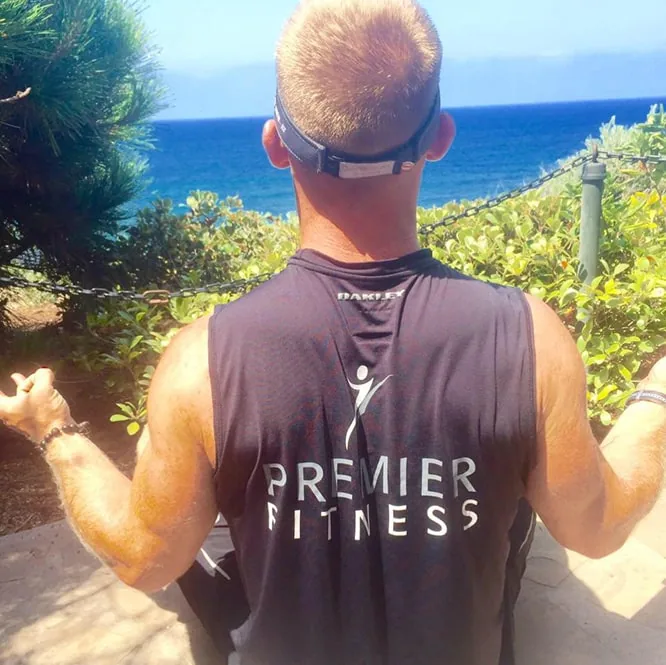
Consistency across modalities outperforms novelty within any single one. The best cardio for blood pressure is the one a person will actually do, week after week, for months.
Isometric handgrip work can help lower blood pressure when used in a structured way. A commonly used isometric handgrip protocol in blood pressure trials is four 2-minute contractions at 30% of maximal voluntary contraction, performed three times per week, though protocols vary across studies, and this approach has produced meaningful office blood pressure reductions in multiple randomized trials. A 2026 narrative review in the Journal of Functional Morphology and Kinesiology summarized meta-analytic data showing average decreases of approximately 7–8 mm Hg systolic and 3–4 mm Hg diastolic from isometric resistance training broadly, with effects potentially comparable in magnitude to single-agent antihypertensive therapy.
The 2026 BMC Public Health meta-analysis found handgrip training’s effects were largest in people with high-normal baseline blood pressure (120–139 mm Hg systolic), which makes it particularly relevant for hypertension prevention. Isometric handgrip training remains an emerging, promising modality that has not yet been fully integrated into standard hypertension management guidelines, and it works best alongside aerobic activity.
Under the 2025 AHA/ACC hypertension guideline, stage 2 hypertension is defined as systolic blood pressure of 140 mm Hg or higher, or diastolic of 90 mm Hg or higher. Stage 1 is 130–139 mm Hg systolic or 80–89 mm Hg diastolic.
A reader starting at 145/90, which sits solidly in stage 2, who achieves the ACSM’s average 7 mm Hg systolic reduction lands at approximately 138 mm Hg systolic and moves into stage 1 territory. A 12 mm Hg reduction, the upper end of the aerobic range, lands near 133 mm Hg systolic and sits deeper into stage 1. That shift matters beyond the category label. A 2021 individual-participant meta-analysis published in The Lancet found that each 5 mm Hg reduction in systolic blood pressure lowers major cardiovascular events by approximately 10%.
A reduction of this magnitude is clinically meaningful and comparable in order of magnitude to the blood pressure effect of a standard single antihypertensive agent. A 2026 meta-analysis in BMC Cardiovascular Disorders found telmisartan-based regimens, a commonly prescribed antihypertensive, reduced office systolic blood pressure by a pooled mean of 6.25 mm Hg. Individual response to exercise varies with age, starting blood pressure, genetics, medication use, and adherence, so these numbers describe averages.
See How Far Your Numbers Could Move
Many adults with stage 2 hypertension, multiple cardiovascular risk factors, or a strong family history will need both lifestyle change and medication. The 2025 AHA/ACC guideline recommends lifestyle counseling plus antihypertensive medication for all adults with average blood pressure at or above 140/90 mm Hg, regardless of predicted cardiovascular risk. Exercise sits at the center of that plan and works alongside other treatments.
A reading of 180/120 mm Hg or above, defined by the 2025 AHA/ACC guideline as severe hypertension, warrants urgent medical attention rather than a workout. J. Sawalla Guseh, MD of Mass General Brigham advises that people with systolic blood pressure of 180 mm Hg or higher should avoid high-intensity exercise without physician guidance.
Adults with blood pressure in the 140/90 range benefit from a gradual, low-impact on-ramp. Mayo Clinic recommends checking with a clinician before beginning a new exercise program. Start with brisk walking and add a few minutes each week instead of jumping straight to long sessions. During resistance work, keep breathing because holding your breath (the Valsalva maneuver) spikes blood pressure mid-lift. Track readings over the first few weeks so you can see whether the program is working.
Premier Fitness Camp is built for people who need this kind of supervised, stepwise start. Every class is modified for every fitness level, from clients who can only walk 250 feet to seasoned athletes. A 3–4:1 client-to-trainer ratio makes that possible and keeps someone watching form, effort, and safety in real time.
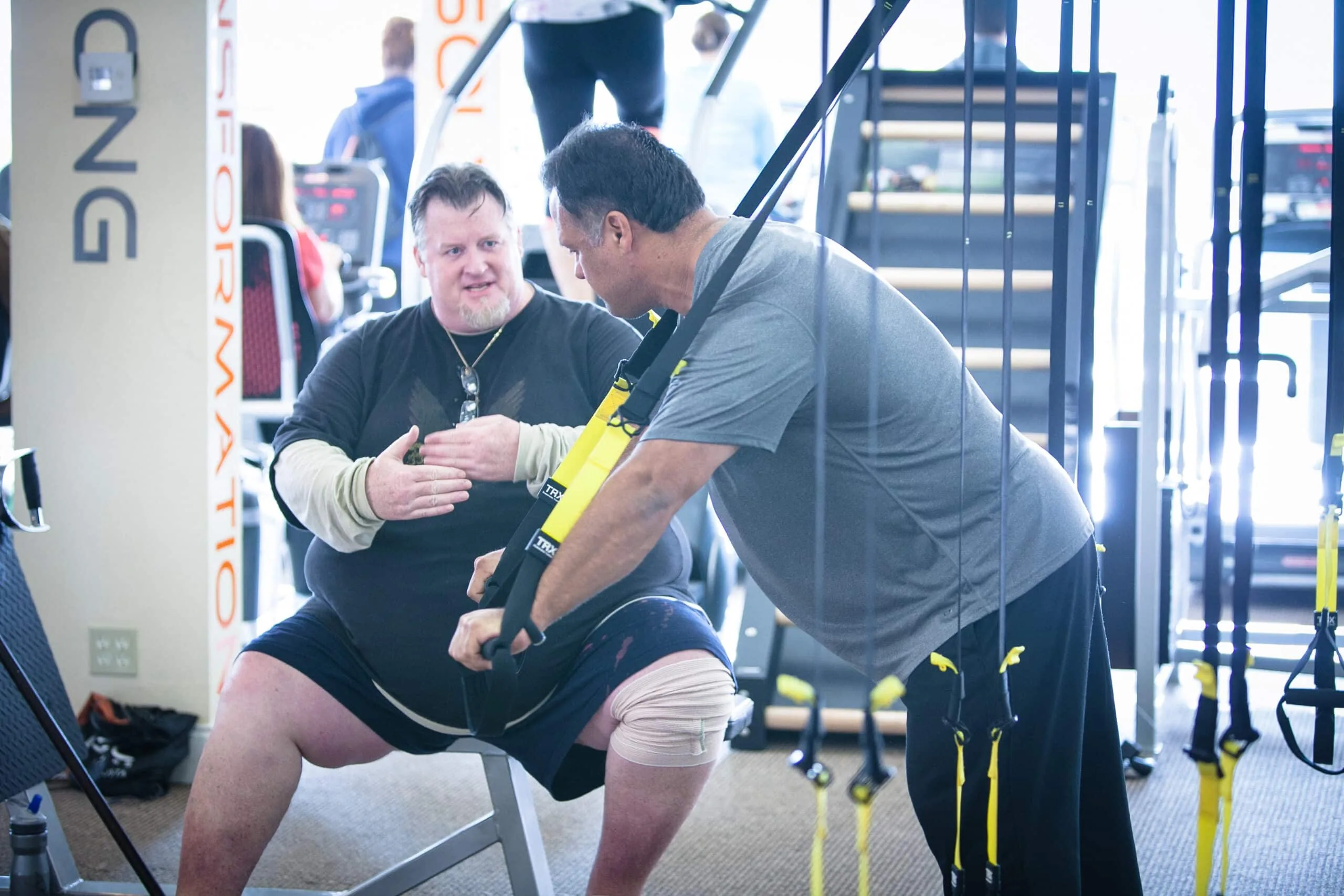
Premier Fitness Camp tracks 17 data points weekly via a personalized report card, including systolic and diastolic blood pressure alongside body composition, cholesterol, glucose, and fitness markers. A UCSD case study, always a case study and not a clinical trial, found that 94% of client weight loss at Premier Fitness Camp was pure fat while lean muscle was preserved or increased. That pattern supports long-term metabolic health and blood pressure management.
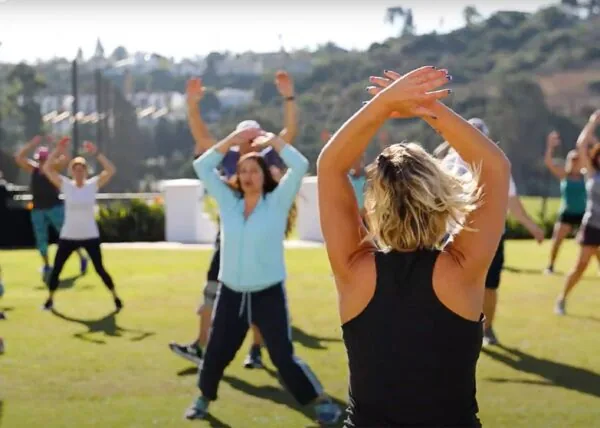
The program runs at the Omni La Costa Resort in Carlsbad, California, with over 1,200 reviews and a 90%+ five-star rating, and 50% of annual revenue comes from returning alumni.

As covered above, aerobic training averages roughly 5–7 mm Hg systolic and 3–4 mm Hg diastolic, with larger drops from isometric work and in people with hypertension. A commonly cited figure of roughly 5–7 mm Hg in people with hypertension is often attributed to ACSM, though it comes from secondary clinical summaries rather than a directly verified numerical statement on ACSM’s own web page. The exact reduction depends on exercise type, consistency, and individual factors including starting blood pressure and medication use.
Most people see meaningful chronic reductions after 1–3 months of consistent training. A single session produces a temporary post-exercise dip lasting several hours, and most of the benefit disappears after roughly two weeks without activity, which highlights the value of consistency.
Aerobic exercise has the strongest evidence base for blood pressure reduction and works well as a starting point. Dynamic resistance training adds a smaller but real independent benefit of approximately 4/2 mm Hg and supports lean muscle preservation, metabolic health, and bone density. Current guidelines recommend combining both: at least 150 minutes of moderate aerobic activity per week plus muscle-strengthening on two or more days.
Isometric exercises such as handgrip holds and wall sits have produced meaningful office blood pressure reductions in multiple randomized trials and meta-analyses, with some network meta-analyses ranking isometric training as the most effective single modality. A 2026 meta-analysis focused specifically on handgrip training found smaller pooled reductions of approximately 4/2 mm Hg and less consistent evidence for ambulatory blood pressure. Isometric training functions best as a time-efficient complement to aerobic activity.
For most adults, exercise at this level is safe with appropriate precautions. The 2025 AHA/ACC guideline recommends lifestyle intervention including regular exercise for all adults with blood pressure at or above 140/90 mm Hg, alongside medication. Starting with moderate-intensity aerobic activity such as brisk walking, avoiding breath-holding during resistance exercises, and checking with a clinician before beginning a new program are standard safety steps. Anyone with a reading at or above 180/120 mm Hg should seek medical evaluation before exercising.
The 2025 AHA/ACC guideline defines severe hypertension as systolic blood pressure above 180 mm Hg and/or diastolic above 120 mm Hg in the absence of acute target-organ damage. A reading at or above this threshold warrants urgent medical attention. Emergency care is appropriate when severe hypertension is accompanied by symptoms such as chest pain, severe headache, vision changes, or shortness of breath, which may indicate acute target-organ injury.
Regular exercise lowers blood pressure in a predictable, clinically meaningful range. Across the modalities described above, most adults can expect average reductions around 5–7 mm Hg systolic and 3–4 mm Hg diastolic, with larger changes from isometric work and in people who start with hypertension, per the 2026 AHA Scientific Statement. That reduction arrives over 1–3 months of consistent training and fades within about two weeks of stopping. It is also large enough to move a reading like 145/90 from stage 2 into stage 1 hypertension under 2025 AHA/ACC categories.
Premier Fitness Camp’s supervised program is built around the consistency the evidence requires, with the same weekly tracking and trainer oversight described above. The high rate of returning alumni reflects a structure that helps people turn short-term gains into long-term habits.
Build a Blood-Pressure-Friendly Routine With Premier Fitness Camp