 5-star Wellness Resort
 5-star Wellness Resort

Written by: Chris Butt, Certified Personal Trainer & Weight Loss Coach, Premier Fitness Camp | Last updated: October 16, 2026
Start Your Muscle-Preservation Journey
Many adults losing weight share the same quiet fear: the scale is moving, but something feels off. Strength slips, energy drops, and the body looks softer instead of leaner. That fear has a name: muscle loss during weight loss, and it is more common than most programs acknowledge. Muscle preservation during fat loss is the difference between a metabolism that works for you long-term and one that fights you at every turn.
Muscle tissue protects resting metabolic rate, supports bone health, maintains strength, and plays a central role in keeping weight off after a diet ends. The 2026 ISSN position stand on diets for body weight reduction defines “high-quality weight loss” as weight loss that attenuates lean mass loss, and warns that low-quality weight loss can trigger a physiological drive to recover lean tissue. That drive amplifies appetite and often produces a rebound in body fat. Losing weight while protecting muscle helps prevent that rebound.
This guide walks through a practical, step-by-step approach grounded in exercise science, nutrition research, and behavior-change principles. It includes specific guidance for adults over 40, women in perimenopause and menopause, and people using GLP-1 medications.
Get Your Personalized Muscle-Preservation Plan
The following four pillars are the evidence-based minimum for losing fat while preserving muscle:
Get A Science-Backed Fat-Loss Plan
The four non-negotiables above form the foundation. The following seven steps translate them into a practical weekly plan.
See How A 12-Week Plan Applies These Steps
Talk With A PFC Coach About Your Plan
Without resistance training and adequate protein, a significant portion of weight lost comes from lean mass. A 2026 systematic review and meta-analysis by Jobanputra et al. in Diabetes/Metabolism Research and Reviews notes that diet-induced energy restriction commonly produces at least 25% of total weight loss from lean body mass. In more aggressive protocols, that figure can reach 40% or higher.
The scale cannot show whether the weight you lost came from fat, muscle, water, or glycogen. Glycogen is stored in muscle and liver, and it binds roughly three grams of water per gram. A high-carb meal refills glycogen stores and causes a rapid scale rise. Cutting carbs depletes glycogen and produces a scale drop within one to two days, without any equivalent fat loss or gain. Week-to-week scale readings alone are unreliable indicators of body composition change.
The contrast with a structured, expert-led program is significant. A case study conducted in partnership with the University of California, San Diego (UCSD) evaluated Premier Fitness Camp (PFC) participants who stayed four or more weeks and received DEXA scans at the start and end of their program. The case study found that 94% of total weight loss was purely fat, compared to the 60/40 fat-to-muscle ratio typical of many dieting programs. Most long-term PFC clients maintained or increased their lean muscle stores. Note that this is a case study, not a clinical study. The table below compares the PFC outcomes against typical dieting results across four key metrics.
| Metric | PFC (UCSD Case Study) | Typical Dieting |
|---|---|---|
| % Of Weight Loss From Fat | 94% | ~60–75% |
| Lean Muscle Mass | Preserved Or Increased (UCSD Case Study) | Often Lost; Roughly 15–40% Of Weight Loss From Lean Mass Without Protective Strategies, With Some Estimates As High As 50% |
| Metabolic Rate | Protected Or Improved (UCSD Case Study) | Can Be Reduced Due To Lean Mass Loss And Adaptive Thermogenesis, Though Adaptive Thermogenesis Is Not Inevitable And May Attenuate Once Weight Stability Is Achieved |
| Bone Health | Maintained (UCSD Case Study) | May Decline; Pharmacologically Driven Energy Restriction Can Adversely Affect Bone Mineral Density |
Preserve Muscle While You Lose Weight
This diagnostic framework helps you move beyond guessing. Use these four data streams together.
Strength Benchmarks. Track key movements such as push-ups, plank hold, and a loaded squat or row weekly. Holding or improving these numbers while weight drops is a reliable signal that lean mass is intact. A consistent decline over 2–4 weeks calls for a protocol adjustment.
Waist Measurements And Waist-To-Weight Ratio. In a fat-loss phase, if waist is decreasing at least 1 cm every two weeks and weight is trending down 0.5–1% of bodyweight per week, the protocol is working. If weight is dropping but waist measurement is not changing, this pattern often indicates muscle loss alongside fat loss. Measuring waist circumference every two weeks is recommended as a strong proxy for visceral fat changes, and the ACSM lists girth measurements as a recommended anthropometric assessment for fitness professionals.
Progress Photos. Progress photos are a free, qualitative tool for detecting body composition changes that scale weight cannot classify as fat, muscle, water, or gut contents, and they should be taken every 2–4 weeks under the same lighting and pose. Interpret them alongside measurements and performance data, not in isolation.
Weekly Weight Averages, Not Daily Readings. A single body weight measurement is influenced by fluid, bowel contents, menstrual cycle, clothing, and time of day, so clinically relevant conclusions should be based on trends and consistent measurement conditions rather than small changes between two occasions. In practice, this means looking at 2–4 week trends before drawing conclusions.
PFC tracks 17 data points weekly for every client, including body fat, measurements of neck, waist, umbilicus, upper arm, chest, hip, and quad, plus strength markers like push-ups, plank hold, and mile time. This approach shows muscle preservation during fat loss far beyond what the scale reveals.
Get A Data-Driven Progress Review
The 2026 ISSN position stand recommends 1.6–2.2 g/kg body weight per day combined with resistance training to support muscle anabolism during a calorie deficit. The ISSN position stand by Jäger et al. (2017) notes that resistance-trained individuals in a hypocaloric state may need 2.3–3.1 g/kg/day to maximize lean mass retention.
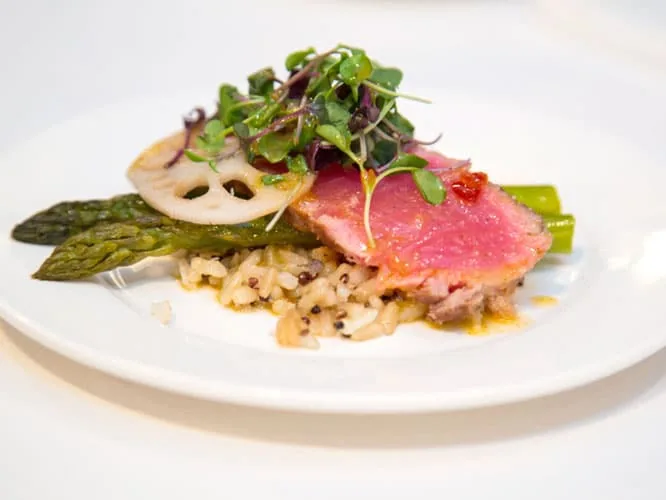
Hitting these targets does not require obsessive tracking. Anchor each meal with a high-quality protein source such as eggs, Greek yogurt, poultry, fish, or legumes, and aim for 25–40 g per sitting. The 2026 ISSN position stand notes that total daily protein is of primary importance, while specific distribution of doses is a secondary concern.
Protein needs are higher for adults over 40 and for people using GLP-1 medications. Data from a major clinical dataset showed that 88% of GLP-1 users fall below the 1.2 g/kg/day protein threshold, with average daily intake on these medications sitting around 1,100 calories per day. Reaching the protective threshold on reduced intake requires deliberate planning.
Age changes the rules of fat loss in ways that generic advice ignores. Data from the Study of Women's Health Across the Nation (SWAN) documented a 2.5-fold increase in fat mass gain and a 3-fold increase in lean mass loss during the menopause transition, independent of age. Estrogen receptors on muscle fibers mean falling estrogen during perimenopause blunts muscle protein synthesis and slows regeneration, causing strength to decline faster than the scale or even a body-composition scan suggests.
For women in this life stage, resistance training becomes essential. A 2026 Mayo Clinic review published in Menopause recommends combined aerobic and resistance training for the best body composition outcomes during weight loss, with aerobic training favoring fat loss and resistance training mitigating menopause-related lean mass loss. The 2026 Göttingen review recommends progressive resistance training at least twice weekly, targeting major muscle groups with loads that can be lifted for 8–12 repetitions and progressively increased as adaptation occurs.
The UCSD case study of PFC clients showed that participants maintained or increased lean muscle mass and preserved bone volume and strength. These outcomes matter especially for the 40+ demographic, where bone loss during weight loss is a documented risk.
Build A 40+ Muscle-Preservation Plan
GLP-1 medications such as semaglutide and tirzepatide produce meaningful weight loss, and a measurable fraction of that loss comes from lean mass. A 2026 meta-analysis of 20 randomized controlled trials published in Diabetes, Obesity and Metabolism found that approximately 25% to 39% of the pounds lost by participants taking GLP-1 medications came from lean mass. In the same body of evidence, losing weight via lifestyle changes that included resistance training resulted in the most favorable body composition outcomes, with only about 18% of weight loss coming from lean mass.
The mechanism is straightforward. In GLP-1-treated patients, the central appetite-suppressive mechanism reduces both total energy and total protein intake, amplifying muscle-catabolic signaling and producing a state of anabolic resistance, a blunted synthetic response to nutrient and contractile stimuli conceptually similar to that observed in aging skeletal muscle. Resistance training, higher protein intake, and a structured plan are the evidence-based countermeasures.
PFC takes a non-judgmental, science-backed approach to GLP-1 users, adjusting protocols to prioritize resistance training and protein targets regardless of medication status. For a phase-by-phase framework, see PFC's Muscle Preservation After GLP-1 Playbook.
A scale plateau does not always mean a fat-loss plateau. Factors that can temporarily hide fat loss on the scale include a salty meal or higher-carbohydrate day, soreness and inflammation after unfamiliar training, menstrual-cycle-related fluid shifts, constipation, poor sleep, stress, and travel. A working plateau should only be called after at least three to four weeks of comparable average weights with no meaningful waist or other body-composition trend, assuming intake and activity were reasonably consistent.
When a real plateau is confirmed, the priority is protecting muscle while restoring progress:
Avoid deepening the deficit beyond 500 kcal per day. A meta-regression of resistance-training studies found that the lean-mass benefit attributable to resistance training declined as the calorie deficit increased and approached zero at a deficit of roughly 500 kcal per day.
If you have applied the troubleshooting steps above and still struggle to protect muscle, the issue may require more support than self-directed efforts can provide. Self-directed muscle preservation during fat loss often stalls for predictable reasons: inconsistent protein intake, insufficient resistance training stimulus, inadequate recovery, or the compounding effects of age, menopause, or medication. When those factors are present, or when the weight-loss goal is significant, a structured, expert-led program delivers outcomes that self-directed efforts rarely match.
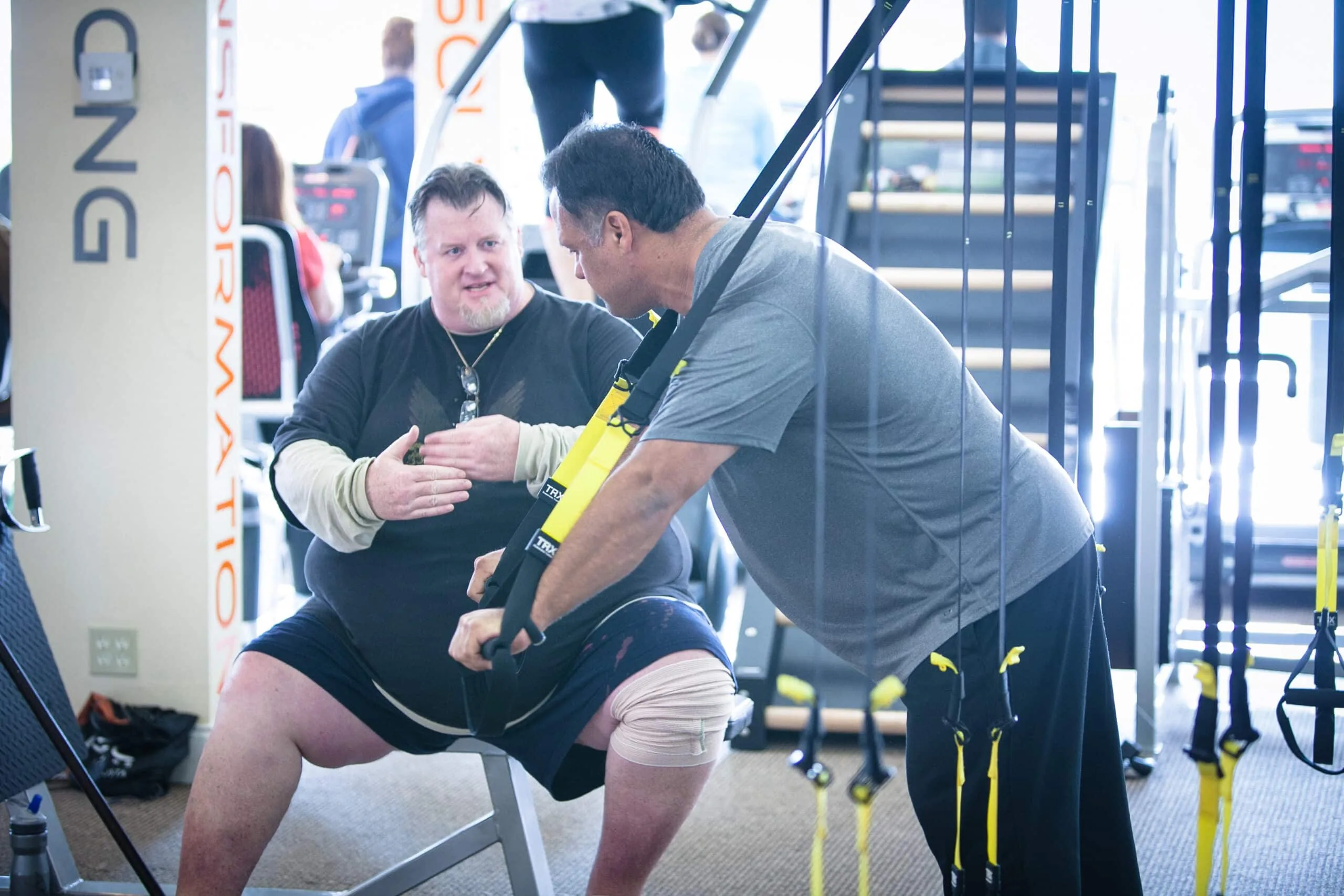
Premier Fitness Camp (PFC) is an all-inclusive program at the Omni La Costa Resort & Spa in Carlsbad, California, built around the “Think, Eat, Move” philosophy. Clients work with a team that includes registered dietitians, licensed psychologists, wellness chefs, and certified trainers (all with minimum bachelor's degrees, some with master's), at a 3–4:1 client-to-trainer ratio, with 4–5 hours of daily training Monday through Friday.

The UCSD case study mentioned earlier found that most long-term PFC clients preserved or increased lean muscle mass while maintaining bone volume and strength. PFC tracks 17 data points weekly per client, holds 1,200+ reviews with a 90%+ five-star rating, and generates 50% of annual revenue from returning alumni, which reflects outcomes rather than marketing.

For adults who want expert-led, data-driven results and a program designed to deliver muscle preservation during fat loss, call (888) 488-8936 or book a consultation below.
Yes. Without resistance training and adequate protein, a significant portion of weight lost can come from lean mass rather than fat. Research consistently shows that calorie restriction alone, without a protective exercise and nutrition strategy, produces meaningful lean mass losses alongside fat loss. The proportion varies by deficit size, protein intake, training status, age, and sex. As discussed earlier, a substantial share of weight loss can come from lean tissue, which makes protective strategies essential.
Without protective strategies, a significant portion of weight lost during a cut can come from lean mass. In many studies, that range sits around 20–40% of total weight loss. With adequate protein (1.6–2.2 g/kg/day) and consistent resistance training, that proportion drops substantially, and in some well-controlled studies, lean mass is fully preserved or even increased during a fat-loss phase. The UCSD case study of PFC clients illustrates what is possible when all four non-negotiables are applied consistently in a structured program.
Track four data streams simultaneously rather than relying on scale weight alone. First, monitor strength benchmarks weekly; if key lifts are holding or improving, lean mass is likely intact. Second, measure waist circumference every two weeks; a shrinking waist alongside a slowly declining scale weight is a positive sign. Third, take progress photos every 2–4 weeks under consistent conditions and compare them alongside measurements. Fourth, look at 2–4 week trends in weekly weight averages rather than reacting to daily fluctuations, which reflect water, glycogen, sodium, and gut contents rather than tissue change. If weight is dropping but waist is not changing, that pattern calls for a review of protein intake and training.
As covered earlier, the evidence-based range is 1.6–2.2 g/kg body weight per day for most adults in a calorie deficit who are resistance training. Adults over 40, postmenopausal women, and people using GLP-1 medications may benefit from intakes at the higher end of this range or above it, because aging muscle becomes less responsive to protein, a phenomenon called anabolic resistance, and GLP-1-induced appetite suppression tends to reduce total protein intake significantly. Spreading intake across three to four meals, each anchored by a high-quality protein source providing 25–40 g, is a practical way to hit daily targets without obsessive tracking.
Yes, in a meaningful way. Age-related muscle loss (sarcopenia) accelerates around the menopause transition in women, driven by declining estrogen that blunts muscle protein synthesis and satellite cell function. Data from the Study of Women's Health Across the Nation documented a 2.5-fold increase in fat mass gain and a 3-fold increase in lean mass loss during the menopause transition, independent of age. For adults over 40 of any sex, resistance training becomes essential, protein needs rise, and recovery takes longer. Bone health also becomes a more prominent concern during weight loss, which makes the combination of resistance training and adequate protein especially important for this demographic.
GLP-1 medications reduce appetite and total food intake, which creates a calorie deficit and also reduces total protein intake. This shift amplifies the muscle-catabolic signals that accompany any energy deficit. Research shows that 25–39% of weight lost on GLP-1 medications comes from lean mass, a proportion similar to what occurs with non-medicated calorie restriction of equivalent magnitude. GLP-1 users need to be especially deliberate about hitting protein targets (1.6 g/kg/day or above) and maintaining a consistent resistance training program, because the medication's appetite suppression makes both harder to achieve without a structured plan.
First, determine whether it is a true fat-loss plateau or a temporary water and glycogen fluctuation. A real plateau requires at least three to four weeks of flat weekly weight averages with no meaningful change in waist measurements or strength. If the plateau is confirmed, prioritize maintaining protein intake and resistance training volume before reducing calories. A modest reduction of 100–200 kcal per day is preferable to a large cut. A brief maintenance phase of one to two weeks can restore hormonal function and psychological readiness before resuming a deficit. Avoid deepening the deficit beyond 500 kcal/day, because research suggests the lean-mass-protective benefit of resistance training diminishes at larger deficits.
A structured, expert-led program such as Premier Fitness Camp is worth considering when self-directed efforts have stalled repeatedly, when medical conditions or medications (including GLP-1 drugs) are involved, when the weight-loss goal is significant, or when age-related factors like menopause or sarcopenia are compounding the challenge. Professional programs provide accountability, individualization, and multidisciplinary expertise that combines nutrition, resistance training, behavioral health, and recovery in a way self-directed approaches rarely match consistently enough to produce lasting results.
Losing weight without protecting muscle sabotages your metabolism and increases the risk of regain. The scale does not distinguish fat from lean tissue, and many standard dieting approaches ignore that difference. Muscle preservation during fat loss requires four non-negotiables applied together: a modest energy deficit around 500 kcal per day, resistance training, protein intake of 1.6–2.2 g/kg body weight per day, and adequate sleep. For adults over 40, women navigating menopause, and people using GLP-1 medications, these requirements become even more important.
PFC's UCSD case study demonstrates what is achievable when these principles are applied in a structured, expert-led environment. Clients lost weight primarily from fat while preserving or increasing lean muscle mass. That outcome reflects a program built around the science of body composition from the ground up.
For more on body recomposition after weight loss, see PFC's Guide To Building Muscle After Weight Loss. To discuss your goals with a member of the PFC team, call (888) 488-8936 or book a free consultation below.