 5-star Wellness Resort
 5-star Wellness Resort
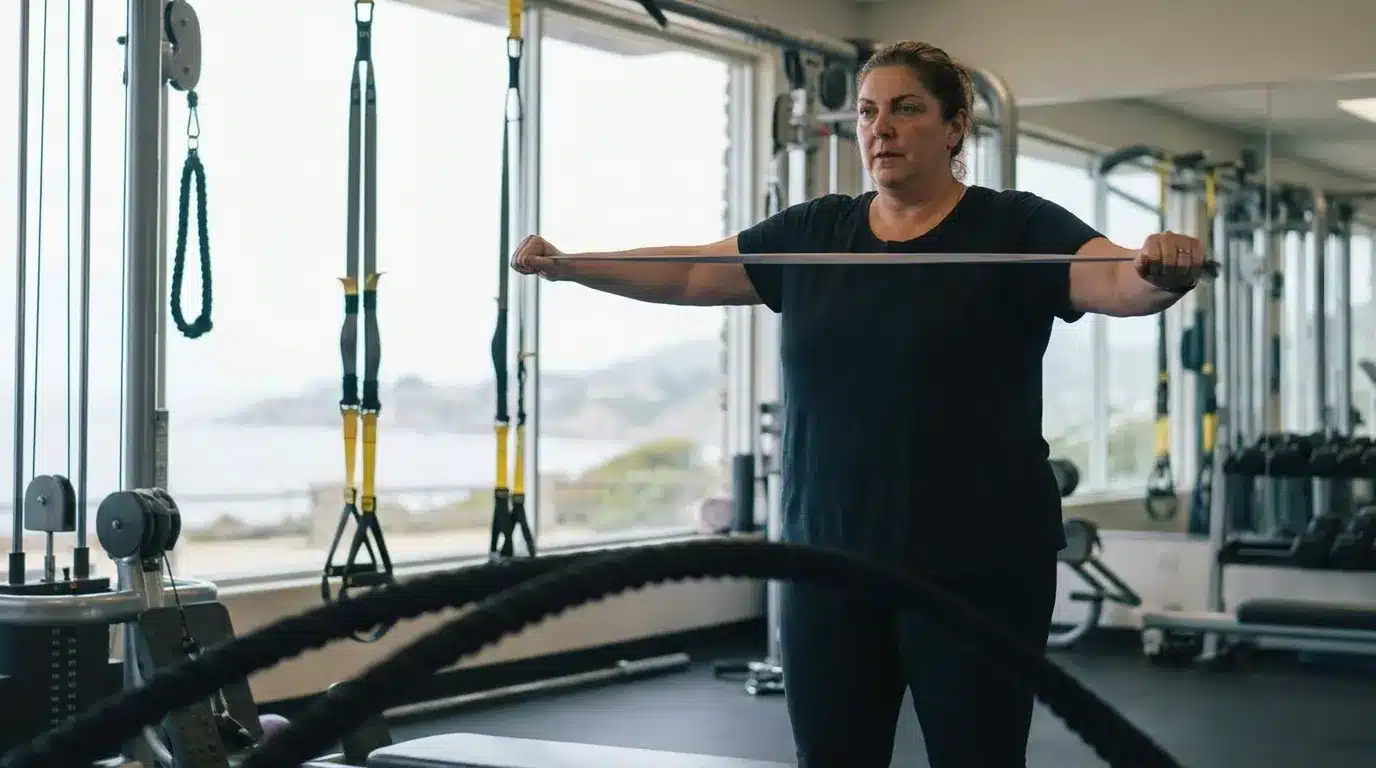
Written by: Chris Butt, Certified Personal Trainer & Weight Loss Coach, Premier Fitness Camp
Talk With PFC About a GLP-1 Muscle Preservation Plan
A meaningful share of weight lost on GLP-1 medications such as semaglutide (Ozempic, Wegovy), tirzepatide (Zepbound, Mounjaro), and liraglutide is lean mass rather than pure fat. A 2026 systematic review and meta-analysis by Laverde et al. in the International Journal of Obesity found that the proportion of total weight loss attributable to lean mass varied by drug: roughly 14–22% with liraglutide, approximately 26% with tirzepatide, and up to 45% with semaglutide. At the ADA 2026 Scientific Sessions, obesity researcher Samuel Klein, MD, of Washington University School of Medicine described the lean mass loss proportions seen with tirzepatide (~25%) and semaglutide (~39%) as within the normal range for any type of weight loss, consistent with the 12–44% fat-free mass range reported in surgical weight-loss studies.
There is an important nuance that most consumer articles miss. “Lean mass” on a DXA scan is not identical to skeletal muscle. As Klein explained, lean body mass includes skeletal muscle, organs, and water. Skeletal muscle makes up only about 40% of fat-free mass in women and 50% in men. Losing fat mass also reduces measured fat-free mass because roughly 20% of adipose tissue is fluid and protein. This means the headline numbers can overstate true muscle loss. That said, a 2026 retrospective study by Corso et al. found that skeletal muscle mass accounted for 8.6% of total weight loss in tirzepatide-treated adults, and the clinical implications such as reduced resting metabolic rate, reduced functional capacity, and increased regain risk are significant enough to warrant a structured response.
The target is 1.2–1.6 g/kg/day of protein, proposed by a 2025 joint advisory from the American College of Lifestyle Medicine, the American Society for Nutrition, the Obesity Medicine Association, and The Obesity Society. In imperial terms, that is roughly 0.55–0.73 g/lb/day. For a 180 lb (82 kg) person, that means 100–131 g of protein daily. The challenge is that a cross-sectional study found that although 75% of GLP-1 users reported eating more protein since starting the medication, only 43% actually consumed at least 1.2 g/kg/day.
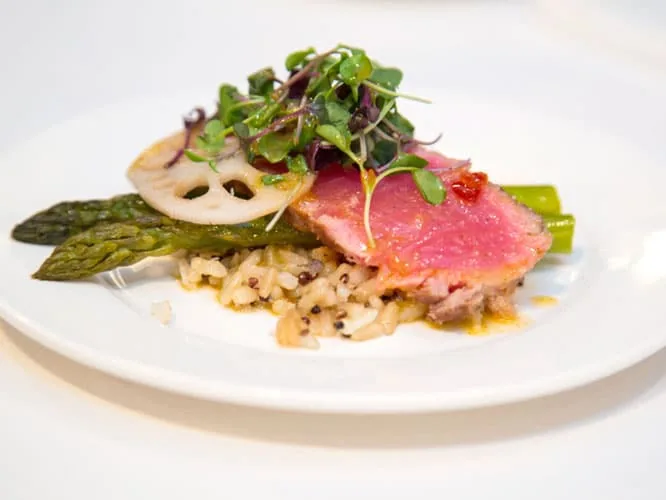
Hitting this target when appetite is pharmacologically suppressed requires deliberate tactics rather than willpower. The following strategies are supported by clinician guidance and work together as a system.
Sample protein day for a 160 lb (73 kg) person on a GLP-1 (target: 88–117 g/day):
Whole food forms the base of a GLP-1 nutrition plan. Protein supplements are useful as a top-up when appetite is too low to hit protein targets from food alone and work best when they support, rather than replace, whole-food meals. On days when solid food is genuinely unappealing, particularly during dose escalation, a 25 g whey isolate shake serves as a clinically sound bridge that keeps protein intake on track.

Get a Protein and Training Plan Built for Your GLP-1 Phase
Allison Rhodes, MD, of the Ohio State University Wexner Medical Center calls resistance training a “non-negotiable” and notes that research consistently demonstrates resistance exercise as one of the most effective tools for preserving muscle mass and strength during weight loss. The evidence-based starting template is straightforward and scalable.
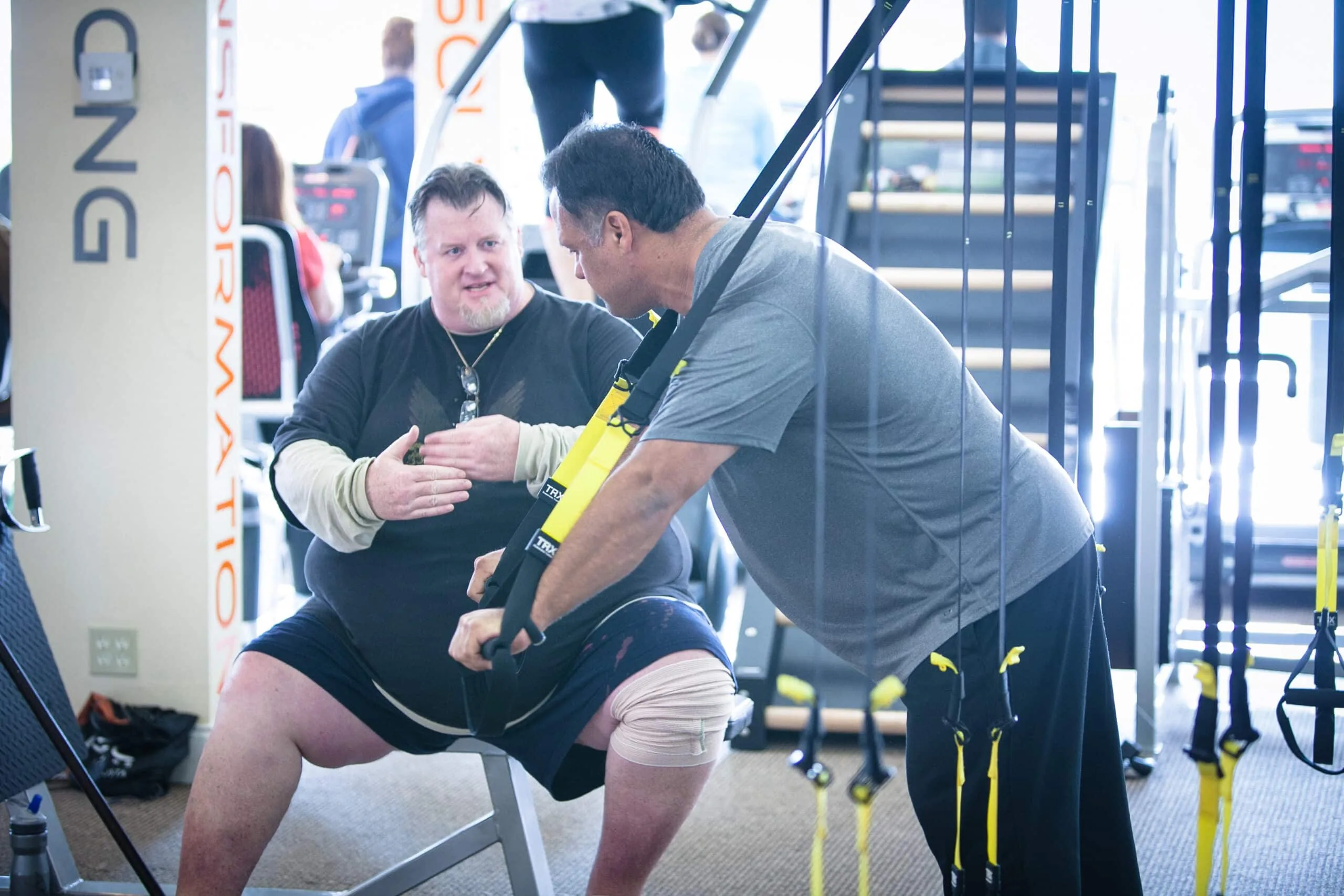
In a study of 93 older adults with obesity, combining weight loss with exercise produced greater improvement in physical function than either intervention alone; the diet-only group lost 33% of its weight from lean body mass versus 21% in the diet-plus-exercise group, despite similar total weight loss. That 12 percentage point difference in lean mass preserved reflects the direct impact of resistance training.
Cardio supports cardiovascular health and caloric balance, yet it does not send the primary mechanical signal that tells muscle tissue to stay. The 2026 Lisco et al. review in Reviews in Endocrine and Metabolic Disorders recommends resistance exercise at 70–85% of one-repetition maximum performed 2–3 times per week as a first-line intervention to stimulate muscle hypertrophy and prevent sarcopenic risk. Walking, cycling, and swimming complement this work by supporting recovery and metabolic health, while progressive resistance training remains the anchor for lean mass preservation.
Muscle loss from GLP-1 medications is largely reversible for most people when the right training and nutrition plan is in place. The caveats matter, because age, duration of calorie deficit, total muscle lost, and how quickly the drug was stopped all affect how much returns and how fast. Allison Rhodes, MD, of Ohio State University Wexner Medical Center notes that “muscle can be difficult to rebuild once lost” and that older adults, postmenopausal women, sedentary individuals, and those with a history of weight cycling face the greatest challenge. Even so, muscle tissue retains its capacity for hypertrophy across a wide age range, and the combination of adequate protein and progressive overload remains the established mechanism for rebuilding it.
Rebuilding muscle after GLP-1 therapy becomes realistic once appetite returns during tapering or after stopping. Caloric intake can then support the anabolic environment needed for muscle protein synthesis. The protocol mirrors the earlier guidance, using the same protein target combined with 2–4 resistance sessions per week, now with the advantage of a recovering appetite. A 2026 scoping review in Current Nutrition Reports concluded that integrating GLP-1 therapy with tailored resistance exercise and adequate protein intake may help preserve and rebuild muscle mass and function.
Building muscle while still on a GLP-1 is possible, although gains tend to be slower than preservation because the medication creates a caloric deficit. That deficit limits the surplus needed for net muscle gain. The realistic goal while actively on the drug is preservation, protecting existing muscle, with modest gains possible for those who train consistently and meet their protein goals.
Each GLP-1 phase has a different physiological context and primary risk, so the strategy shifts as you move from full dose to tapering and then off the medication.
The primary challenge in Phase 1 is appetite suppression, which makes protein targets hard to hit while calories stay low. The priorities in this phase work together to protect lean mass.
As the dose decreases, appetite begins to return and risk shifts toward overeating and drifting away from training. The goal in this phase is to hold the habits that protected muscle while you were on the full dose.
Phase 3 is the highest-risk window for weight regain. A 2021 randomized clinical trial published in JAMA found that participants who stopped semaglutide regained roughly two-thirds of their prior weight loss within a year, while those who continued the medication maintained or lost additional weight. Without resistance training and a protein-forward diet, regained weight tends to be fat, which worsens body composition even when scale weight looks similar.
The goal in this phase is to keep the muscle and metabolic rate built during the on-drug phase. When GLP-1 pharmacotherapy is interrupted, appetite suppression diminishes. This change may be accompanied by increased hunger, reduced energy expenditure, and a return of pre-treatment eating patterns. All of these shifts require the behavioral and nutritional habits established in Phases 1 and 2 to be firmly in place. Structured, expert-led programs with DEXA or BIA tracking provide the accountability and measurement this phase demands.
Get Support for the High-Risk Off-Drug Phase
Vitamins and general supplements do not stop muscle loss on a GLP-1. Vitamin D, magnesium, B vitamins, and omega-3s are worth monitoring because a retrospective cohort study found that 22.4% of GLP-1 patients developed a nutritional deficiency by 12 months after medication initiation, yet supplementing them does not preserve lean mass. Protein intake and resistance training drive that outcome.
Pharmacological muscle preservation is an active research area. The EMBRAZE phase 2 trial found that adding apitegromab, an investigational antibody that inhibits myostatin activation, to tirzepatide preserved an additional 1.9 kg of lean mass over 24 weeks. In the BELIEVE phase 2b trial, combining bimagrumab with semaglutide produced 22.1% weight loss with 92.8% from fat mass and lean mass largely preserved. These results are promising, yet they remain investigational, and the first muscle-preserving adjunct for obesity is projected to reach the market no earlier than 2028–2029. Until then, the authors of the leading clinical reviews are consistent. Progressive resistance exercise and individualized nutritional support remain the cornerstone of muscle preservation during incretin-based therapy. For many people, executing that cornerstone consistently is where the challenge lies, which is where structured, expert-led support becomes valuable.
Premier Fitness Camp (PFC) is a luxury fitness and weight loss program for adults, located at the Omni La Costa Resort & Spa in Carlsbad, California. PFC welcomes GLP-1 users and adjusts the protocol to focus on resistance training, higher protein intake, and the sustainable habits needed to reduce or stop the medication over time.
A case study conducted in partnership with the University of California, San Diego (UCSD) evaluated dozens of PFC participants who stayed four or more weeks and received DEXA scans at the start and end of their program. The finding was that 94% of total weight loss was purely fat, while lean muscle mass was preserved or increased. Most aggressive weight loss programs see a 50/50 fat-to-muscle ratio, and standard dieting typically produces a 60/40 fat-to-muscle ratio. PFC’s 94% fat-loss rate reflects exactly the kind of outcome the phase-based protocol above is designed to produce, achieved through expert-designed nutrition and progressive resistance training.
The PFC program is built on the “Think, Eat, Move” philosophy:

PFC tracks 17 data points weekly in a personalized report card, including weight, body fat percentage, measurements, blood pressure, glucose, LDL, HDL, triglycerides, push-ups, plank time, and mile time. An optional DEXA scan, the gold standard for body composition, is available for clients who want the most precise measurement of lean mass changes over time.
Post-camp, PFC provides virtual coaching, personalized meal plans, and ongoing communication with staff. This support structure helps make the off-drug phase manageable instead of overwhelming.
Compared to traditional gyms and personal trainers, where the typical commitment is 3–4 hours per week with no nutrition or behavioral support, PFC clients train 4–5 hours per day with registered dietitians, wellness chefs, and licensed psychologists on-site. Online apps offer convenience without the immersive, expert-led environment that drives lasting behavioral change. Wellness resorts focused on relaxation rather than results do not deliver the structured, data-driven programming that GLP-1 graduates specifically need. The table below breaks down how PFC’s support compares across the areas that matter most for muscle preservation.
| Feature | Premier Fitness Camp | Traditional Gym / Personal Trainer | Online App |
|---|---|---|---|
| Training Time | 4–5 hours/day, 5.5 days/week | Typically 3–4 hours/week total | Self-directed; varies widely |
| Nutrition Support | Registered dietitians and wellness chefs; all meals prepared on-site; protein targets individualized | Client responsible for all food decisions | Generic meal plans; no dietitian oversight |
| Behavioral Health Support | Licensed psychologists on staff; group and individual sessions | None | None |
| Results Tracking | Weekly report card with 17 health and performance metrics plus optional DEXA scan | Occasional scale weight and basic measurements | Self-reported data without body composition analysis |
PFC has earned 1,200+ reviews with a 90%+ five-star rating, and 50% of annual revenue comes from returning alumni, a metric that reflects outcomes and client loyalty. The program is available at the Omni La Costa Resort & Spa, 2100 Costa Del Mar Road, Carlsbad, CA 92009.
Protein and resistance training remain the two primary levers for preserving and rebuilding muscle around GLP-1 therapy. The protein target stays consistent and works best when distributed across meals at 20–30 g per sitting, with liquid protein as a practical tool when appetite is suppressed. The training prescription centers on 2–4 progressive resistance sessions per week using compound movements, with cardio playing a supporting role.
The plan also shifts by phase. On the drug, the priority is preservation. During tapering, the focus is maintaining habits as appetite returns. Off the drug, the goal is protecting the metabolic rate and lean mass built during treatment so that any weight change reflects healthier body composition.
Muscle lost on a GLP-1 is largely rebuildable with the right plan and consistent execution. The real question is whether you have the structure, expertise, and accountability to follow that plan through the highest-risk phase after stopping the medication.
The UCSD case study mentioned earlier found that 94% of total weight loss at PFC was purely fat, with lean muscle mass preserved or increased. With more than 3,000 clients served, 1,200+ reviews, a 90%+ five-star rating, and 50% of annual revenue from returning alumni, PFC offers an expert-led environment where this protocol becomes daily practice. Call (888) 488-8936 or use the link below to explore whether the program fits your GLP-1 journey.
Schedule Your GLP-1 Muscle Preservation Consultation