Best Post-GLP-1 Retreat to Protect Your Weight Loss Results
12 min read
Written by: Chris Butt, Certified Personal Trainer & Weight Loss Coach, Premier Fitness Camp | Last updated: August 23, 2026
Key Takeaways for Life After GLP-1 Medication
Stopping GLP-1 medications like Wegovy or Ozempic does not have to trigger weight regain when you follow a structured plan that protects muscle and metabolism.
Effective post-GLP-1 programs center on four pillars: muscle-first resistance training, protein-focused nutrition (1.2–1.6 g/kg daily), behavioral appetite management, and objective body-composition tracking with DEXA scans.
Without resistance training and adequate protein, GLP-1 users can lose significant lean mass, which lowers resting metabolic rate and raises the risk of rapid regain.
Behavioral coaching and structured post-stay support are critical, as studies show many patients regain weight within 12 months of stopping GLP-1 therapy when no maintenance plan exists.
Premier Fitness Camp provides a science-backed framework with on-site dietitians, 3–4:1 trainer ratios, and ongoing virtual coaching, so you can book a free consultation and protect your results.
Four Pillars That Define a Serious Post-GLP-1 Retreat
Effective post-GLP-1 retreats share four non-negotiable components.
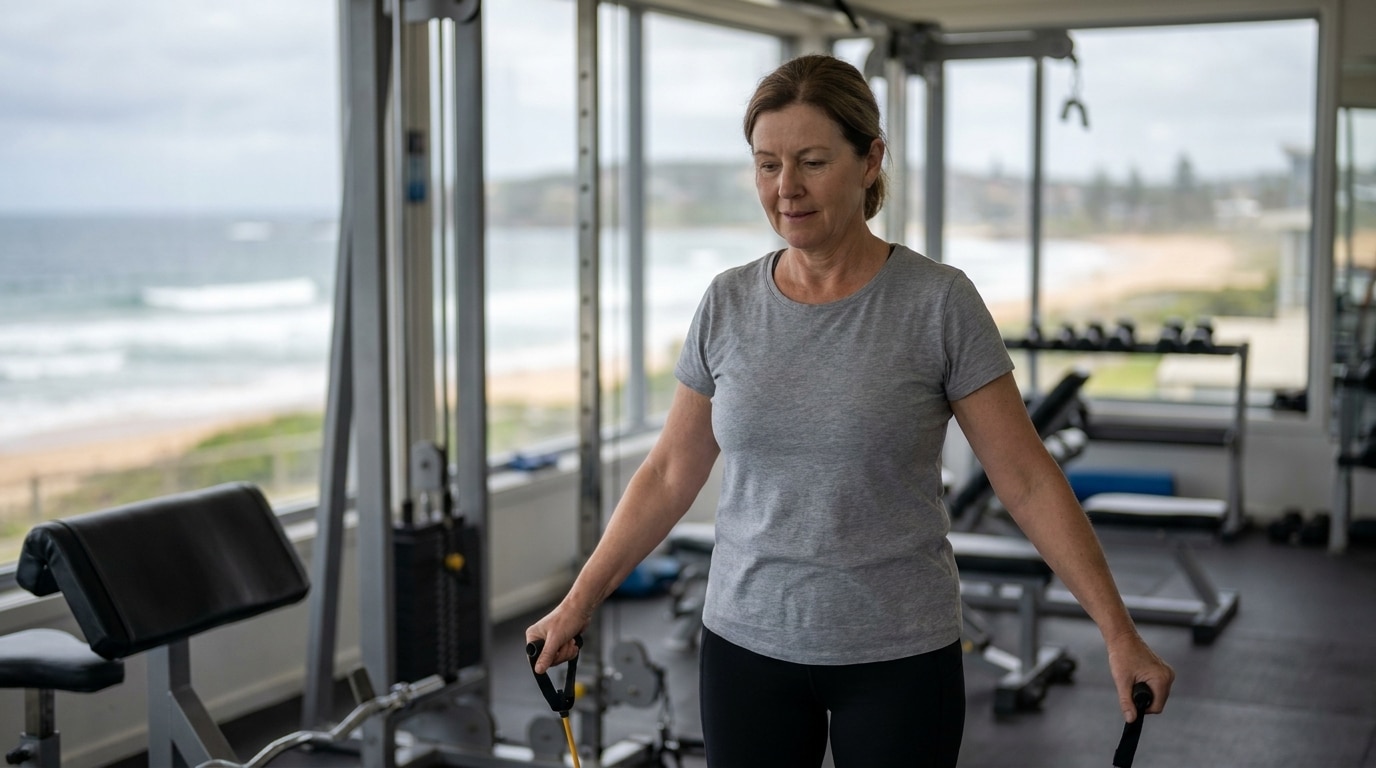
Muscle-first resistance training: Progressive compound movements performed at least two to three times per week preserve lean mass and resting metabolic rate.
Protein-centric nutrition: Dietitian-designed meals deliver 1.2–1.6 g of protein per kilogram of body weight per day, spread across meals at 25–40 g per sitting.
Behavioral appetite management: Licensed psychologists and registered dietitians help clients see returning hunger as biology, not failure, and build durable habits.
Objective body-composition tracking: DEXA scans and multi-point weekly assessments distinguish fat loss from muscle loss so progress stays accurate and actionable.
Book a free consultation with the team to map out a plan built around these four pillars before you taper or stop medication.
Muscle Preservation: Resistance Training That Protects Your Metabolism
The 2026 Sancho-Haro et al. narrative review identifies resistance training as the primary tool for preserving lean mass, bone mineral density, insulin sensitivity, and resting metabolic rate. These outcomes matter directly for anyone transitioning off Ozempic or Wegovy. Published protocols recommend compound movements such as squats, hip hinges, horizontal presses, and vertical pulls, performed for 2–3 sets of 8–12 repetitions, two to three times per week with progressive overload.
With a 3–4:1 client-to-trainer ratio, every session is coached and adapted to your level — whether you're a seasoned athlete or taking your very first steps.
Data Callout – UCSD Case Study: A case study conducted in partnership with the University of California, San Diego evaluated participants who stayed four or more weeks and received DEXA scans at the start and end of their program. 94% of total weight loss was purely fat, compared with the 60/40 fat-to-muscle ratio typical of standard dieting. Most long-term clients preserved or increased lean muscle mass while losing weight. This pattern aligns with the program’s emphasis on resistance training and protein-centric nutrition.
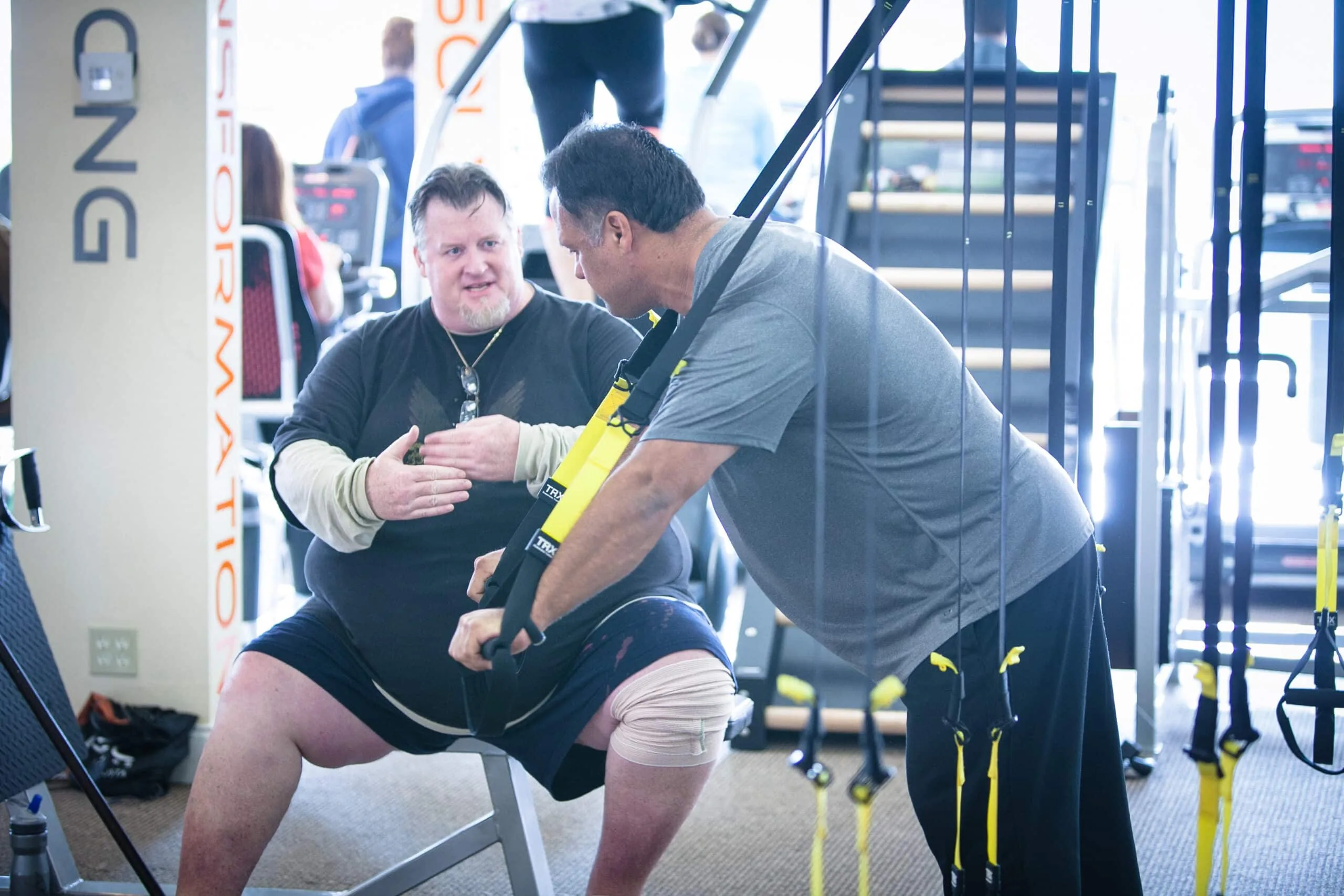
Every fitness session maintains a 3–4:1 client-to-trainer ratio, which allows individualized form correction and progression that directly supports muscle preservation. Trainers hold minimum bachelor’s degrees, and many hold master’s degrees, so they can design and adjust resistance protocols around each client’s lean-mass goals and GLP-1 history. Training runs four to five hours per day, Monday through Friday, providing enough volume to stimulate muscle protein synthesis through interval resistance training, TRX suspension, bootcamp, boxing, beach workouts, and hiking at Torrey Pines and Double Peak Park. Every class is structured so participants at any fitness level can train safely and effectively while avoiding the deconditioning that accelerates muscle loss.
Movement is one of the three pillars of the "Think, Eat, Move" approach — group training on the resort lawn makes 4–5 hours of daily activity feel like community, not a chore.
Metabolic Reset: Protein Targets and Practical Nutrition Skills
A 2026 narrative review by Sedat Arslan states that preserving fat-free mass through protein intake and resistance training is a key clinical priority when shifting from pharmacologically induced satiety to diet- and metabolism-driven satiety after GLP-1 dose reduction or discontinuation. The practical target is the 1.2–1.6 g/kg range established earlier, distributed across meals to support muscle protein synthesis.
Meeting these protein targets becomes especially critical when appetite returns after stopping medication. Returning hunger is biology, not a personal failure. Appetite typically rises after stopping semaglutide, and hormonal changes can further increase hunger. A clear understanding of this hormonal landscape, combined with a structured nutrition plan in place before stopping medication, separates successful maintainers from those who regain rapidly.
Registered dietitians design all meals around these protein targets, and wellness chefs prepare every meal on-site using fresh, farm-to-fork ingredients. Nutrition workshops cover macronutrients, portion calibration, healthy shopping habits, and meal planning so clients leave with practical skills they can use at home, not just a short-term meal plan.
There's no restrictive "diet food" here. Wellness chefs prepare fresh, farm-to-fork meals on-site — proof that eating for health can be genuinely satisfying.
Behavioral Coaching: Managing Appetite Rebound and Building New Habits
Beyond the gym, the program uses the coastline itself — kayaking, paddleboarding and beach workouts build fitness while making movement genuinely enjoyable.
Post-Retreat Continuity: Support That Extends Beyond Your Stay
An immersive retreat delivers its full value only when a strong support structure follows. Post-stay continuity at Premier Fitness Camp includes virtual coaching for ongoing accountability, personalized meal plans calibrated to home life, structured exercise programming, and direct email access to trainers, provided on an ongoing basis. That relationship-driven model shows up in a measurable outcome: 50% of annual revenue comes from returning alumni, which reflects the program’s long-term effectiveness.
How Premier Fitness Camp Compares to Other Retreats
The following comparison highlights differences in trainer ratios, meal preparation, and post-stay support that influence how well you can maintain results after leaving a retreat.
Retreat
On-Site Chefs & Dietitian Meals
Trainer Ratio
Post-Stay Support
Premier Fitness Camp
Yes, wellness chefs and registered dietitians prepare all meals on-site at Omni La Costa Resort
Food delivered externally; clients stay in a residential home and travel to gym facilities
Not publicly specified at a fixed ratio
Limited publicly documented post-stay support, located in Arizona with extreme summer heat
Checklist for Evaluating Any Post-GLP-1 Retreat
This checklist helps you compare programs based on the elements that matter most for long-term maintenance.
Staff credentials: Trainers should be degreed professionals, with registered dietitians and licensed psychologists on staff rather than contracted remotely.
Body-composition diagnostics: Programs should offer DEXA scanning or an equivalent gold-standard measurement, not just scale weight.
Resistance-training structure: Progressive resistance training, not just cardio, should be central to the daily schedule at least two to three times per week.
Behavioral health integration: Appetite rebound should be addressed by licensed mental health professionals, not only general wellness coaches.
After-care plan: A documented, structured post-stay plan should include virtual coaching, meal planning, and ongoing trainer access, not just a printed handout.
Objective tracking: Multiple health data points should be tracked weekly so progress beyond scale weight stays visible and actionable.
Your Post-Stay Roadmap: Three Phases of Support
A structured post-GLP-1 roadmap unfolds in three phases. In the first 90 days, when approximately 40% of post-semaglutide regain can occur, the priority is maintaining resistance-training frequency, hitting daily protein targets, and using weekly weigh-ins to catch early drift. In months four through twelve, the focus shifts to progressive overload, habit consolidation, and metabolic recalibration through continued nutrition education. Beyond twelve months, the goal becomes sustainable independence, with clients exercising regularly, self-monitoring, and following a clear action plan if weight begins to rise.
The post-stay framework supports all three phases through integrated touchpoints. Virtual coaching sessions maintain accountability by reviewing weekly data and adjusting targets as body composition changes. Those adjustments shape personalized meal plans that evolve in real time so protein and calorie targets match current metabolic needs. Clients also retain direct email access to the same trainers they worked with on-site, many of whom have been with the program for years, which allows troubleshooting of form issues, plateaus, or motivation dips with someone who knows their history. That continuity of relationship is a structural advantage that generic apps and one-size-fits-all online programs cannot match.
The program tracks 17 data points weekly, including body fat percentage, waist and hip measurements, blood pressure, glucose, LDL, HDL, triglycerides, push-up count, plank time, and mile time. This data-driven approach keeps the post-stay roadmap grounded in objective feedback rather than guesswork. Book a free consultation to see how a personalized post-stay plan can reflect your specific GLP-1 history and goals.
Ready to Protect Your Results After GLP-1?
An Oxford University systematic review of 9,341 adults published in January 2026 found that people stopping weight management medications regain an average of 0.4 kg per month. A University of Cambridge meta-analysis reported that patients regained an average of 60% of lost weight within 52 weeks of discontinuing GLP-1 therapy. These outcomes reflect what happens when medication stops and no structured plan replaces it.
Premier Fitness Camp exists to provide that plan. With over 1,200 reviews and a 90%+ five-star rating, a UCSD-validated case study showing 94% of client weight loss is pure fat, a 3–4:1 trainer ratio, licensed psychologists and registered dietitians on staff, and a 50% alumni return rate, the program offers a structured, science-backed, luxury retreat tailored to this transition.
Book a free consultation with the team to discuss your goals and learn how the program can help you keep the fat loss, rebuild strength, and sustain your results. Call (888) 488-8936 or visit premierfitnesscamp.com/book-a-consult to schedule your personalized consultation today.
Frequently Asked Questions
What happens to my body when I stop Ozempic or Wegovy?
When GLP-1 medications such as Ozempic or Wegovy are discontinued, appetite suppression ends and hunger hormones rebound quickly. Hormonal shifts can increase appetite, and hunger often returns to pre-treatment levels within weeks. At the same time, any lean mass lost during the medication phase can suppress resting metabolic rate, which makes fat regain easier and weight maintenance harder. This combination is why the transition off GLP-1 therapy works best with a structured plan that addresses both hormonal changes and muscle preservation, rather than relying on willpower alone.
How does Premier Fitness Camp address the specific challenges of stopping GLP-1 medication?
The program is structured around the four pillars that evidence identifies as critical for post-GLP-1 success. Resistance training, delivered four to five hours per day at a 3–4:1 trainer-to-client ratio, rebuilds lean mass and protects resting metabolic rate. Registered dietitians design all meals to meet protein targets of 1.2–1.6 g per kilogram of body weight per day, distributed across meals to support muscle protein synthesis. Licensed psychologists and behavioral health coaches address appetite rebound, emotional eating, and habit formation so returning hunger is managed with skill rather than medication. A 17-point weekly report card, including optional DEXA scanning, tracks body composition objectively so clients can see what is happening to fat and muscle throughout their stay. The program does not judge the use of GLP-1 medications; it focuses on making the transition off them as safe and effective as possible.
How long should I stay at a post-GLP-1 fitness retreat to see meaningful results?
One week provides a strong foundation, with enough time to establish resistance-training habits, recalibrate protein intake, and begin behavioral coaching. Two weeks builds meaningful momentum. Three weeks supports more durable habit change, and four or more weeks deliver the type of body-composition shift, verified by DEXA, that sets a strong baseline for long-term maintenance. The average client stays approximately 11 days, and many guests who book one week choose to extend their stay after experiencing the program. Extended stays of up to several months are available for those seeking deeper transformation. The critical factor is not only the length of the retreat but also the quality of the post-stay support structure, which is why virtual coaching, personalized meal plans, and ongoing trainer access are built into every client’s experience.
Will I lose muscle at Premier Fitness Camp the way I did on GLP-1 medication?
The UCSD case study mentioned earlier evaluated participants who stayed four or more weeks and received DEXA scans at the start and end of their program. Long-term clients not only preserved lean muscle mass but increased it during their weight-loss period, and bone volume and strength were also maintained, which matters especially for adults over 40. These outcomes reflect the emphasis on progressive resistance training, protein-centric nutrition designed by registered dietitians, and the volume of structured daily training, which differs sharply from the caloric restriction without adequate resistance training that often drives lean-mass loss during GLP-1 therapy alone. The study is a case series rather than a randomized clinical trial, yet its findings align with the broader evidence base on resistance training and protein intake for lean-mass preservation.
What does post-stay support look like after leaving Premier Fitness Camp?
Post-stay support includes virtual coaching sessions to maintain accountability, personalized meal plans calibrated to home life and evolving body-composition goals, structured exercise programming to continue progressive overload, and direct email access to trainers, the same professionals clients worked with on-site. Many trainers have been with the program for years, so the relationship built during the stay continues long after departure. This continuity reflects the alumni return rate mentioned earlier, a metric that demonstrates genuine satisfaction with long-term outcomes rather than short-term results that fade. For post-GLP-1 clients specifically, the post-stay plan is calibrated around the three highest-risk windows for regain, including the first 90 days, months four through six, and the twelve-month mark, so support is most intensive when biological pressure to regain is greatest.
Inquire for rates and availability
Fill out the form below to speak with a wellness specialist.
 5-star Wellness Resort