 5-star Wellness Resort
 5-star Wellness Resort

Written by: Chris Butt, Certified Personal Trainer & Weight Loss Coach, Premier Fitness Camp | Last updated: November 9, 2026
Start Your Premier Fitness Camp Consultation
Psyllium husk leads the evidence. At roughly 5–10 g per day taken with adequate water, it is among the most consistently supported supplements for LDL reduction in human trials, alongside plant sterols and stanols. Because soluble fiber can reduce the absorption of some drugs, psyllium should be separated from other medications by about two hours before or four hours after.
The table below ranks eight of the most-discussed supplements by evidence quality. Two clear leaders emerge, psyllium husk and plant sterols, while the others range from mixed benefit to higher risk at the doses studied. Evidence descriptions are qualitative, based only on what the cited trials report.
| Supplement | What the Evidence Shows | Studied Dose | Key Caution |
|---|---|---|---|
| Psyllium husk | Strongest human evidence for LDL reduction among supplements | ~5–10 g/day with water | Separate from medications by 2 hours before or 4 hours after |
| Plant sterols/stanols | Strong pooled evidence; 6–12% LDL reduction at ~2 g/day | ~2 g/day with meals | Contraindicated in sitosterolemia; may reduce carotenoid absorption |
| Ground flaxseed | Mixed evidence; short-term LDL drop that fades; HDL may fall | ~30–40 g/day (ground, not whole) | May interact with blood thinners; HDL reduction observed in trials |
| Berberine | Real but mixed evidence; inhibits key drug-metabolizing enzymes | 500 mg two to three times daily | Inhibits CYP3A4 and CYP2D6; interacts with statins, BP drugs, metformin; avoid in pregnancy |
| Aged garlic extract | Weak evidence; a 6-month trial of 192 patients found no significant lipid effect vs. placebo | No consistent studied dose | Caution with blood thinners |
| Red yeast rice | Contains monacolin K (identical to lovastatin); variable potency; effectively an unregulated statin | Variable; 0.09–5.48 mg monacolin K per 1,200 mg product across 28 US brands | Liver and muscle risk; citrinin contamination; EU restricts ≥3 mg monacolins/day |
| High-dose niacin | Raises HDL and lowers triglycerides but no evidence of reduced heart attacks or strokes | Pharmacologic doses ≥1,000 mg | Liver damage, flushing, glucose problems; not favored for LDL |
| Fish oil | Better for triglycerides than LDL; ~4 g/day raises LDL by roughly 5–10% | 2–4 g EPA+DHA/day for triglycerides | High doses (above 3 g/day) increase bleeding risk with warfarin, NOACs, aspirin, clopidogrel |
If you buy a plant sterol product, aim for the ~2 g/day with-meals dose the evidence supports. Nature Made CholestOff Complete and Pure Encapsulations CholestePure are plant sterol products. Thorne Choleast-900 is a red yeast rice supplement that also contains phytosterols. Check the label for actual sterol content per serving, because delivery varies.
Strong evidence for a cholesterol supplement comes from randomized, placebo-controlled human trials that measure LDL and run long enough to show a real effect. Institutional pages often hedge because many products do not meet that bar. The 2023 SPORT trial, published in the Journal of the American College of Cardiology by Laffin and colleagues at the Cleveland Clinic, randomized 199 adults to rosuvastatin 5 mg, placebo, or one of six supplements for 28 days. The supplements were fish oil, cinnamon, garlic, turmeric, plant sterols, and red yeast rice.
Rosuvastatin lowered LDL by 37.9% versus placebo; none of the six supplements beat placebo. The trial ran only 28 days and tested specific brands, so it does not prove that every formulation is inactive. It does show that a low-dose statin outperformed the tested supplements over that time frame.
LDL-lowering evidence and triglyceride-lowering evidence are different questions. Fish oil has meaningful triglyceride data but can nudge LDL upward at high doses. Niacin raises HDL and lowers triglycerides but has no evidence of reducing heart attacks or strokes. Treating these outcomes as interchangeable creates confusion.
Supplements are not FDA-approved to treat conditions and are not tested for safety and efficacy the way drugs are. Third-party testing from USP, NSF International, or ConsumerLab helps confirm that a bottle contains the labeled ingredients and is free of contaminants such as citrinin.
Review Your Supplement Plan With A Coach
Psyllium husk earns the top spot. It binds bile acids in the gut and forces the liver to pull cholesterol from the blood. A 2018 systematic review and meta-analysis by Jovanovski et al. in the American Journal of Clinical Nutrition, covering 28 trials and 1,924 people, found that a median dose of approximately 10.2 g/day lowered LDL cholesterol by about 0.33 mmol/L (roughly 13 mg/dL). The studied dose range is approximately 5–10 g per day taken with water.
Separate psyllium from other medications by two hours before or four hours after, because it can blunt drug absorption. Soluble fiber also offers modest support for blood pressure. For readers managing both cholesterol and blood pressure, see Herbs And Supplements For High Blood Pressure: A Tiered Guide.
Plant sterols and stanols form the second pillar. They competitively inhibit intestinal cholesterol absorption and reduce uptake by roughly 10%. A pooled analysis of 124 randomized controlled trials involving 9,648 people by Ras et al. in the British Journal of Nutrition (2014) found 6–12% LDL reduction at intakes of 0.6–3.3 g per day, with the effect leveling off around 3 g per day. The clinically studied dose is approximately 2 g per day taken with meals.
Plant sterols are contraindicated in sitosterolemia, a rare inherited condition, and can modestly reduce blood levels of carotenoids and fat-soluble vitamins. For practical guidance on reaching 2 g per day from food and supplements, see Plant Sterols For Cholesterol: How To Get 2 Grams A Day.
Berberine is commonly studied at 500 mg taken two to three times daily, which falls within a typical total of about 900–1,500 mg per day. It lowers LDL and triglycerides in trials. Its CYP3A4 and CYP2D6 enzyme inhibition is a serious concern because it can raise plasma levels of drugs metabolized by those pathways, including some statins, blood pressure medications, and antidepressants.
Combining berberine with metformin or other glucose-lowering agents may increase hypoglycemia risk. It is not appropriate during pregnancy or breastfeeding. Anyone on prescription medication should review interactions with a pharmacist before trying it.
Ground flaxseed, ground rather than whole for absorption, has been studied at roughly 30–40 g per day. A trial cited in the National Lipid Association review by Conway and Kellick using 40 g per day of flaxseed-containing baked products found a significant 13% LDL reduction at five weeks that fell to a non-significant 7% at ten weeks. HDL also fell significantly at both time points.
The evidence for flaxseed is real but inconsistent, and the HDL finding is a reason for caution. Flaxseed may also interact with blood-thinning medications.
Aged garlic extract carries a caution with blood thinners. A six-month trial of 192 patients with LDL between 130 and 190 mg/dL, cited in the National Lipid Association review, found that raw garlic, powdered garlic, and aged garlic extract had no significant effect on LDL, HDL, total cholesterol, or triglycerides versus placebo. The evidence for garlic as a cholesterol-lowering supplement remains weak.
For a broader look at the herb and supplement evidence, see Herbs To Lower Cholesterol: Ranked By Human Evidence.
Talk Through Your Supplement Options
Key drug-interaction cautions apply across many supplements. Psyllium can reduce absorption of medications, so take it 2 hours before or 4 hours after. Berberine interacts with a wide range of prescription drugs through CYP enzyme inhibition. Garlic supplements can potentiate blood thinners. Red yeast rice combined with a prescribed statin effectively doubles the statin dose.
Statin hesitancy is common, and it deserves a clear, evidence-based response. The prevalence of true statin-associated muscle symptoms is now estimated at around 5% after the 2021 SAMSON and STATINWISE trials showed no significant differences in myalgia between placebo and statin treatment. If muscle symptoms occur, a clinician may adjust the statin type or dose. Rosuvastatin, pravastatin, pitavastatin, and fluvastatin tend to be better tolerated than some other statins because of their metabolism pathways.
Supplements do not replace prescribed therapy, and any change should be discussed with a clinician. The realistic natural toolkit includes soluble fiber, plant sterols, a fiber- and plant-forward eating pattern, and regular exercise. Dietary therapy typically lowers LDL by 8–15% when optimally implemented, compared with 30–49% for moderate-intensity statins. That gap matters for anyone who needs a large LDL reduction.
The most powerful natural intervention is a structured lifestyle program with real measurement, and this is where Premier Fitness Camp (PFC) stands apart. PFC’s registered dietitians design every meal around fiber and plant sterols, and wellness chefs prepare those meals on-site from fresh, farm-to-fork ingredients. The two supplements with the best evidence become part of daily eating instead of a pill on the counter.
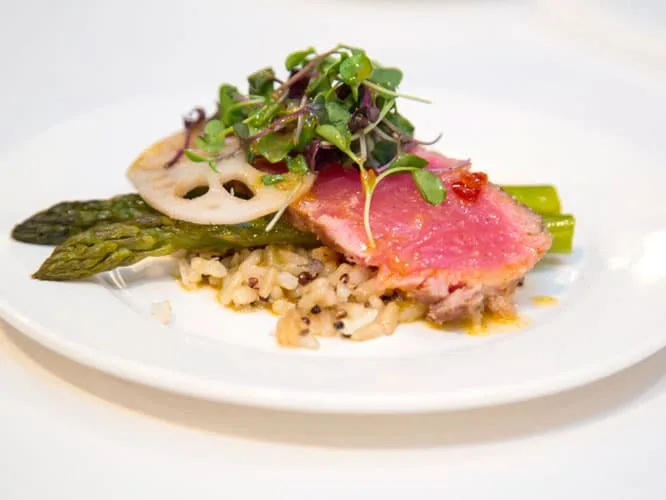
Trainers then deliver 4–5 hours of daily training that preserves lean muscle while reducing body fat. A 17-point weekly report card tracks LDL, HDL, triglycerides, glucose, and other metrics so you can see whether the program is working. A gym membership or app is convenient, but neither tracks your lipids or teaches you nutrition. A wellness resort offers relaxation without a measured program. Other camps may track scale weight only, while PFC tracks 17 data points weekly, reviewed one-on-one with a trainer, with an optional DEXA scan for body composition.
For the exercise side of the equation, see How To Lower Cholesterol Naturally With Exercise.
Evidence for apple cider vinegar and LDL is weak. Small studies have shown modest effects on total cholesterol in some groups, but pooled analyses of randomized trials have not found a significant effect on LDL cholesterol. The individual trials are small and heterogeneous. Apple cider vinegar does not replace soluble fiber or plant sterols.
A 2013 meta-analysis of 19 randomized controlled trials found no statistically significant effect of fruit juice on LDL cholesterol, and most reviews say human evidence for lemon lowering LDL is limited, although a few small human studies have reported LDL reductions. Overall, the evidence does not establish a meaningful LDL-lowering effect from lemon water. Lemon water lacks a documented cholesterol-lowering mechanism comparable to bile-acid binding or intestinal absorption competition.
Magnesium does not raise cholesterol. This myth likely arises from confusion between minerals or from misread supplement marketing. Magnesium deficiency has been associated with cardiovascular risk in observational data, but supplementation has not been shown to raise LDL.
Soluble fiber is the main mechanism. It binds bile acids in the gut, prevents their reabsorption, and forces the liver to convert more cholesterol into new bile acids. That process pulls LDL from the bloodstream. Plant sterols work by a complementary route, competing with dietary cholesterol for intestinal absorption.
No vitamin deficiency is recognized as a primary cause of high LDL cholesterol. Most dyslipidaemia is primary, driven by diet, lifestyle, and inherited susceptibility, or secondary to conditions such as diabetes, hypothyroidism, chronic kidney or liver disease, or certain medicines. Vitamin D and vitamin B12 deficiencies have been associated with higher LDL cholesterol, but trials correcting these deficiencies have not shown that they cause or reliably improve LDL.
The secondary cause most worth testing is hypothyroidism, which can significantly elevate LDL and is correctable with thyroid treatment. If LDL is unexpectedly high, a clinician should rule out secondary causes including hypothyroidism, obstructive liver disease, and chronic kidney disease before attributing it to diet alone.
A lipid panel before and after a trial period is the only reliable way to see whether a supplement is changing your numbers. Keep timing consistent and note diet and activity changes that could confound the result. The 2026 ACC/AHA guideline recommends testing lipid profiles 4–12 weeks after starting or adjusting therapy. Most supplement trials show measurable change within 4–8 weeks, so a 12-week recheck is the honest window.
At PFC, LDL, HDL, triglycerides, and glucose sit among 17 data points tracked weekly in a personalized report card, reviewed one-on-one with a trainer. An optional DEXA scan, the gold standard for body composition, is also available. The UCSD case study evaluated dozens of PFC participants who stayed four or more weeks and found that 94% of total weight loss was purely fat, while lean muscle mass was preserved or increased and metabolic rate was protected.

That outcome matters for cholesterol because body composition change is one of the most powerful levers for improving lipid profiles. Clients describe the experience in their own words. Kerri, who lost 31 pounds while managing Type 1 Diabetes complications, said, “I immediately discovered little things starting to happen, like tying my shoes easier, breathing better, my posture had improved, I was standing taller.” Paula, who lost 30 pounds and came off antidepressants, wrote, “Coming to PFC is the best investment I made in myself.” With over 1,200 reviews, a 90%+ five-star rating, and 50% of annual revenue from returning alumni, PFC’s results show up in real lives.
Get Your Baseline Lipid Panel Reviewed
The ranking logic is straightforward. Psyllium husk and plant sterols lead on human evidence, with studied doses of approximately 5–10 g/day and ~2 g/day respectively. Berberine, ground flaxseed, and aged garlic extract have real but mixed evidence and safety caveats worth discussing with a clinician. Red yeast rice, high-dose niacin, and fish oil used for LDL belong on the skip list. Red yeast rice acts as an unregulated statin with variable potency and contamination risk. Niacin carries liver and glucose risk without cardiovascular outcome benefit. Fish oil can raise LDL at the doses relevant to triglyceride management.
Premier Fitness Camp is the best structured, data-tracked program for lowering high cholesterol naturally. Its weekly report card and the UCSD body-composition case study described above show how it turns lifestyle advice into measurable change. The next steps are practical: talk to a clinician, get a baseline lipid panel, and choose a program that shows you your numbers every week.
For a broader look at the natural remedies landscape, see How To Lower High Cholesterol Naturally: Remedies That Work, Supplements For Lowering Cholesterol: An Evidence Guide, How To Eat Foods That Lower Cholesterol Naturally, and How To Lower Triglycerides Naturally: 6 Key Levers.
Plan Your Cholesterol-Focused Stay At PFC
Psyllium husk has the strongest human evidence among dietary supplements for LDL reduction, at the same 5–10 g/day dose described above. Plant sterols at approximately 2 g per day with meals are the second-best-evidenced option.
Red yeast rice is the most important to avoid without medical supervision because it contains monacolin K, the same compound as lovastatin, at variable and unregulated doses and with contamination risk. High-dose niacin at 1,000 mg and above causes liver damage, flushing, and glucose problems without evidence of reducing heart attacks or strokes. Fish oil at high doses raises LDL by roughly 5–10% and increases bleeding risk with blood thinners. Berberine interacts with many prescription drugs through CYP enzyme inhibition and needs clinician review before use.
The realistic natural toolkit includes soluble fiber, plant sterols, a fiber- and plant-forward eating pattern, and regular aerobic and resistance exercise. Dietary therapy typically lowers LDL by 8–15% when optimally implemented, compared with 30–49% from moderate-intensity statins. Any decision to modify or replace prescribed therapy must be made with a clinician.
Evidence for apple cider vinegar and LDL remains weak. Pooled analyses of randomized trials have not found a significant effect on LDL cholesterol, and the individual trials are small and heterogeneous.
Xuezhikang is a partially purified extract of fermented red yeast rice (Monascus purpureus) that is commonly employed as a traditional Chinese medicine for treating coronary heart disease and lowering blood lipids. It lowers cholesterol because it contains monacolin K, a compound chemically identical to the prescription statin lovastatin. The cardiovascular outcome data from Chinese trials of Xuezhikang are promising, but those trials used a specific standardized extract that differs from variable, often contaminated retail products sold in the US and Europe.
Magnesium does not raise cholesterol. Magnesium deficiency has been associated with cardiovascular risk in observational studies, but magnesium supplementation has not been shown to elevate LDL or total cholesterol in human trials.
Most cholesterol-directed supplements show measurable changes within 4–8 weeks of consistent use in trials. The 2026 ACC/AHA guideline recommends retesting lipid profiles 4–12 weeks after starting or adjusting therapy. A 12-week recheck gives a fair test of effect.
Supplements address one mechanism, such as intestinal cholesterol absorption or bile acid binding, while leaving diet quality, body composition, physical activity, stress, and sleep unchanged. Psyllium husk at 10 g/day and plant sterols at 2 g/day together can produce a single-digit-percentage LDL reduction. A comprehensive lifestyle intervention with real lipid tracking can produce changes of 13–30% on top of whatever supplements contribute, with added benefits for lean muscle, glucose, and blood pressure.