 5-star Wellness Resort
 5-star Wellness Resort
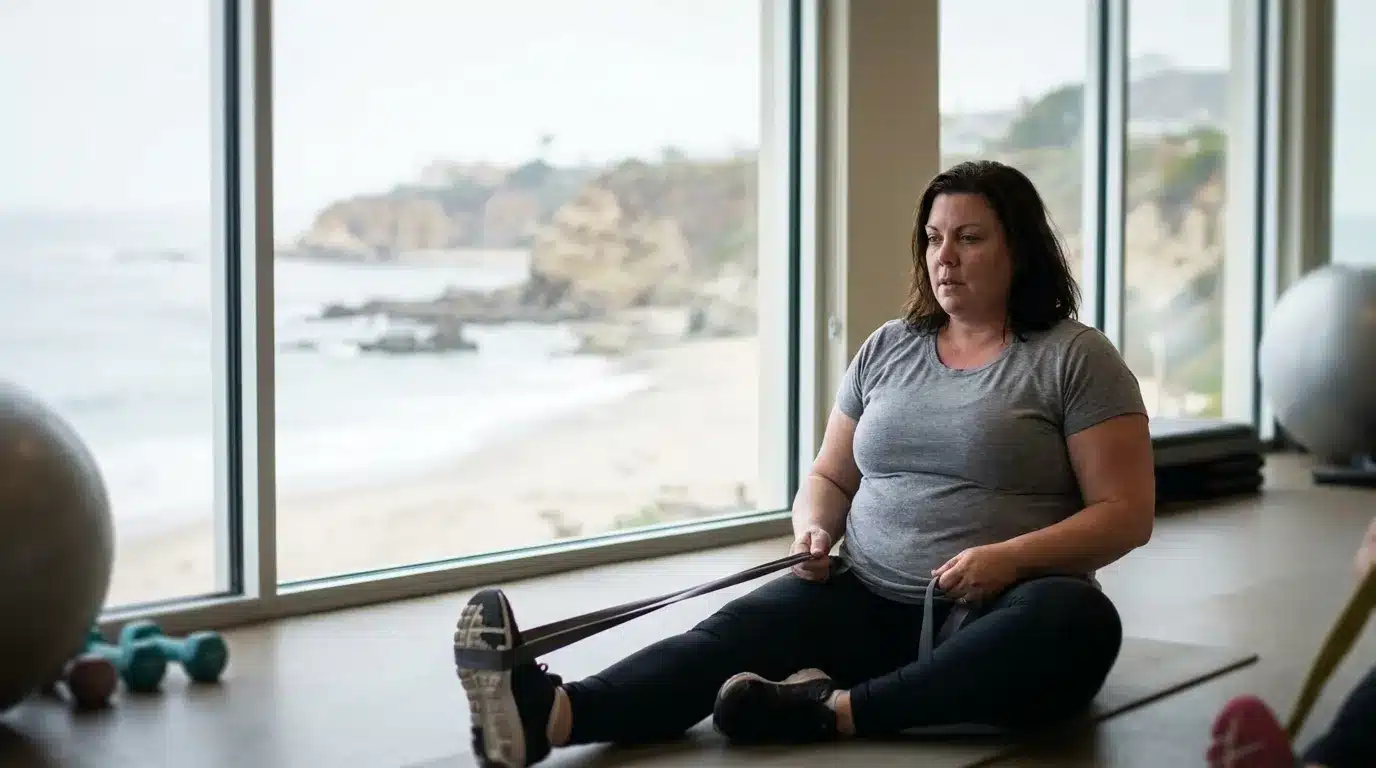
Written by: Chris Butt, Certified Personal Trainer & Weight Loss Coach, Premier Fitness Camp
See if Premier Fitness Camp fits your knee needs
Use this checklist to vet any retreat before booking. Because each item is specific and verifiable, vague answers signal that the program may not be truly knee-safe.
The retreats below offer verifiable knee-safe programming. Premier Fitness Camp leads as the best overall choice for adults who want genuine low-impact modification, measurable progress, and a comfortable setting.
Best Overall For Knee-Friendly Fitness And Weight Loss
Premier Fitness Camp combines low-impact modification with education, luxury, and data-driven results. Every class is structured so all fitness levels can participate, from 400-pound beginners to seasoned athletes, with specific options for guests who have health limitations. The client-to-trainer ratio is 3–4:1, so participants receive consistent, individualized attention in every session.
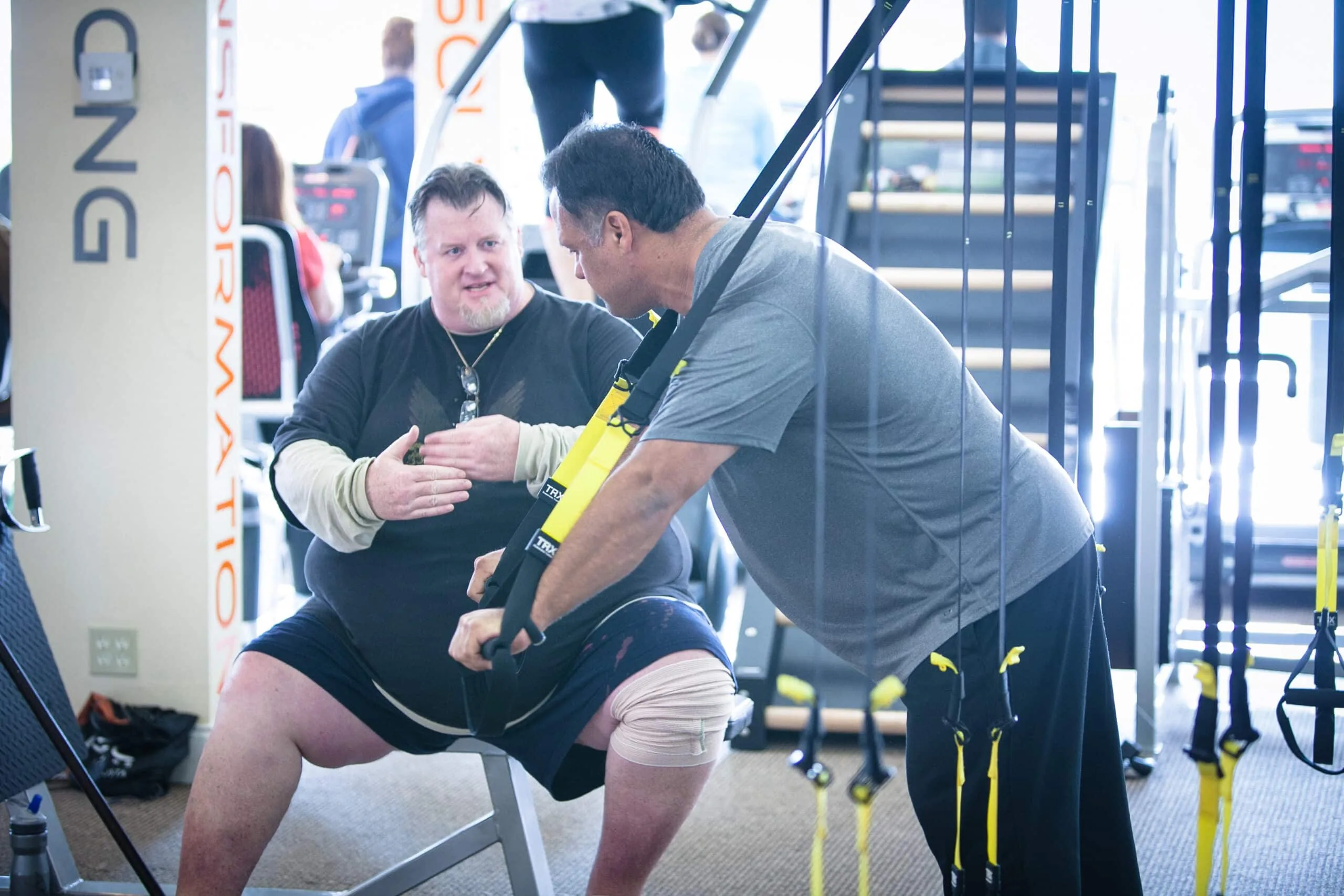
On day one, every client completes a comprehensive health assessment. It includes blood work, measurements, BMI, and a fitness test, and trainers use the results to build a personalized plan. Seventeen data points are tracked weekly in a personalized Report Card, including weight, body fat, blood pressure, mile time, plank hold, push-ups, and cholesterol markers. A knee-friendly approach to movement is built into the program from the start so modifications feel standard, not special.
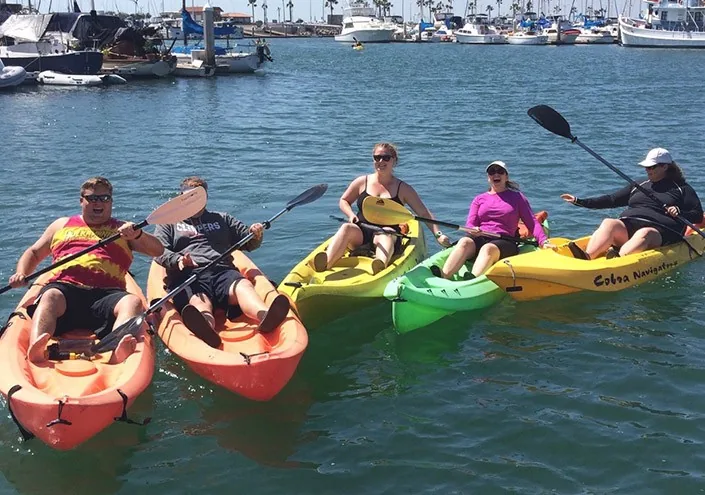
For knees, the aquatic and restorative options matter most. Stand-up paddleboarding and kayaking let you move without impact, and restorative and mobility-focused sessions appear regularly on the schedule. Nutrition supports the same goal. The “Think, Eat, Move” philosophy means registered dietitians design all meals, wellness chefs prepare fresh farm-to-fork food on-site, and licensed psychologists support behavioral health. The La Costa Spa provides three treatments per week. Because everything operates on one 450-acre campus, guests avoid mandatory off-site hikes and shuttle rides to external gyms.
Client Julie Robinson shared, “The trainers, the staff, the Chefs! All amazing and work with all levels.”
Caveat To Verify: Make sure your specific knee limitation is documented during the intake call so trainers can pre-plan modifications before you arrive.
Talk to a trainer about your knee limitations
The table below compares additional retreats on their specific knee-safe programming and the one detail to confirm before you reserve a spot. Note that Premier Fitness Camp is the only option that combines low-impact modifications with day-one health assessments and weekly data tracking.
| Retreat | Location | Knee-Safe Programming Detail | Caveat To Verify |
|---|---|---|---|
| Premier Fitness Camp | Carlsbad, CA | 3–4:1 trainer ratio, low-impact modifications for every exercise, aquatic options, restorative sessions, day-one health assessment tracking 17 data points weekly | Confirm knee limitation noted during intake call |
| Balance For Life Retreats | Deerfield Beach, FL | Aqua fitness classes, yoga, plant-based anti-inflammatory whole-food nutrition without added salt, oil, or sugar (S.O.S.) | Ask whether the aqua fitness trainer is trained in arthritis-friendly modifications |
| Maui Healing Retreat | Makawao, HI (office in Kula) | Fully personalized one-on-one packages, gentle joint mobilization, restorative bodywork, Watsu | Confirm Watsu availability during your stay and practitioner experience with knee conditions |
| Cal-a-Vie | Vista, CA | Chair Yoga for all ages and mobility levels (Level 1), Aqua Yoga in an 86° pool (Level 1–2) | Confirm chair yoga runs during your specific stay, since some classes rotate by week |
| Kripalu Center For Yoga & Health | Stockbridge, MA | Daily schedule includes Gentle Yoga, Yin/Insight Yoga, and Restorative Yoga, and all classes and workshops are optional | Request a sample daily schedule to confirm restorative class availability during your dates |
Once you have a shortlist of promising retreats, the next step is to verify their claims directly. Call each retreat and ask these questions, then pay close attention to how specific the answers feel.
For a deeper look at building a knee-safe exercise approach before or after a retreat, see How To Get Back In Shape With Bad Knees.
Retreat menus can either support or undermine joint health. Cleveland Clinic rheumatologist Dr. Elaine Husni notes that eating healthy and reaching or maintaining a normal BMI helps osteoarthritic joints, and large studies show that a Mediterranean-style diet can have a more nutrient-dense or anti-inflammatory effect than other diets for patients with inflammatory arthritis such as rheumatoid arthritis.
A knee-friendly retreat menu should include:
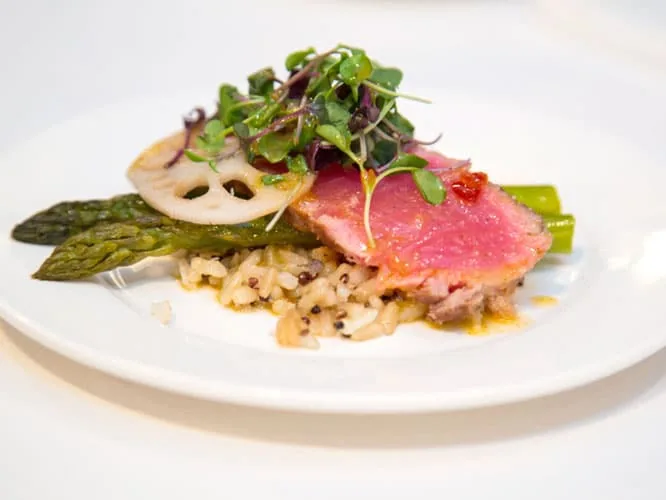
Mass General Brigham dietitian Nancy Oliveira advises focusing on the overall dietary pattern rather than single foods or nutrients. At PFC, registered dietitians design all meals and wellness chefs prepare fresh, farm-to-fork food on-site. Nutrition education is built into the program so clients learn to eat for joint health at home as well as during their stay.
Some marketing phrases often hide high-impact programming. Watch for:
For a broader framework on evaluating any wellness program, How To Choose A Wellness Retreat For Sustainable Weight Loss covers the key questions to ask before committing.
Effective retreats blend several approaches. These include anti-inflammatory nutrition that follows a Mediterranean-style pattern, low-impact movement such as aquatic therapy and chair yoga, restorative bodywork including massage and Watsu, and mind-body practices like meditation and restorative yoga. The strongest programs integrate these elements instead of relying on a single modality. At Premier Fitness Camp, the “Think, Eat, Move” philosophy addresses behavioral health, nutrition, and physical training together so clients leave with tools they can sustain at home.
Magnesium supports muscle function and may reduce neuronal hyperexcitability by modulating NMDA receptor activity, a mechanism relevant to chronic pain perception. A 2026 review in Cureus found that magnesium supplementation reduced pain intensity in some chronic pain conditions, particularly in patients with mild-to-moderate stress. Magnesium-rich foods include leafy greens, nuts, seeds, and legumes, which fit easily into retreat menus. Always consult a healthcare provider before adding supplements, since individual needs vary.
Vitamin D supports bone and muscle health, and deficiency is linked to osteoarthritis progression. Omega-3 fatty acids, including those from oily fish, may reduce radiographic progression of osteoarthritis and protect against cartilage and bone degradation. Vitamin C supports collagen formation, which matters for cartilage and connective tissue. A 2026 commentary in Nutrients recommends testing for vitamin D deficiency before supplementing, since the degree of deficiency guides dosing. For most people, food-first approaches that emphasize fatty fish, leafy greens, citrus, and nuts work well.
Refined sugars, white starchy foods, fried foods, and processed meats are among the items a Mass General Brigham dietitian recommends minimizing to help reduce inflammation. Instant oatmeal packets with added sugar, processed deli meats, and highly refined bakery items are common culprits in the standard American diet. The goal is to lower the overall inflammatory load across your dietary pattern rather than fixate on a single food. A registered dietitian can help identify individual triggers and build a sustainable anti-inflammatory eating plan, which is the type of guidance built into Premier Fitness Camp’s nutrition program.
Synovial fluid production is primarily driven by joint movement, which stimulates hyaluronan secretion into the joint cavity and replaces the hyaluronan lost during immobility, while adequate hydration is also commonly recommended to help maintain synovial fluid volume and viscosity. Staying well-hydrated, eating omega-3-rich foods, and maintaining consistent low-impact movement have the strongest evidence. Aquatic therapy works particularly well because water supports the joint while you move it through range of motion, which reduces pain during the movement that stimulates synovial fluid production. At a retreat, prioritize programs with heated therapy pools and restorative movement sessions instead of schedules built around passive rest.
Choosing a low impact wellness retreat for bad knees means looking past “gentle” marketing and asking specific questions about aquatic fitness, chair yoga, hike-optional policies, and intake assessments. The Knee-Safe Retreat Audit above gives you a practical framework you can apply to any program before you commit.
For an overall choice that combines low-impact modification with education, comfort, and measurable results, Premier Fitness Camp aligns with every criterion. With the trainer ratio and weekly tracking mentioned earlier, plus aquatic and restorative programming and a comprehensive day-one assessment, the program is built to help adults with knee limitations progress without unnecessary pain. A UCSD case study found that 94% of client weight loss at Premier Fitness Camp was purely fat, compared to the 60/40 fat-to-muscle ratio typical of standard dieting, because the program preserves and builds the lean muscle that supports your joints and sustains your results long after you leave.
Plan a knee-safe stay at Premier Fitness Camp