 5-star Wellness Resort
 5-star Wellness Resort

Written by: Chris Butt, Certified Personal Trainer & Weight Loss Coach, Premier Fitness Camp
Plan Your Menopause Strategy With A PFC Coach.
The core problem is physiological rather than psychological, and understanding that physiology is the first step toward change.
Four overlapping mechanisms drive midlife weight gain:
From this point forward, the focus shifts to losing fat while protecting the muscle that keeps your metabolism active. That distinction shapes every recommendation that follows.
Diet and resistance training form the foundation. Hormone replacement therapy (HRT) and supplements are decisions to make with a physician. A Mediterranean diet cannot replace HRT, because HRT is a medication with specific indications while diet is a nutritional pattern; the two work well together but do different jobs.
The Mediterranean diet for menopause functions as a dietary pattern, not a single cuisine. A 2026 review in Current Nutrition Reports concluded that the Mediterranean diet currently represents the dietary pattern with the strongest clinical evidence for improving lipid parameters and cardiovascular risk in postmenopausal women. Here is how to apply it with the targets that matter most.
Protein: 20–30g per meal. The PROT-AGE Study Group (Bauer et al., 2013) recommends 1.0–1.2 g/kg of protein daily for maintenance, rising to 1.4–1.6 g/kg/day when actively losing weight or building muscle. The standard RDA of 0.8 g/kg was designed to prevent deficiency in sedentary younger adults. It does not account for the anabolic resistance that accompanies menopause. A practical anchor is a palm-sized serving of chicken, fish, Greek yogurt, eggs, or legumes at each meal. Distribute protein across the day rather than concentrating it at dinner, because participants who spread protein evenly across breakfast, lunch, and dinner maintained greater muscle strength than those who consumed the majority at dinner.
Fiber: 25–30g per day. For every additional 10 grams of soluble fiber consumed daily, the rate of visceral fat accumulation slowed by 3.7%. Prioritize vegetables, legumes, berries, oats, and whole grains. Most women currently consume only 10–12 grams daily, so closing even half the gap produces measurable benefit.
Healthy fats at most meals. Olive oil, avocado, nuts, seeds, and fatty fish (salmon, sardines, mackerel) support hormonal and cardiometabolic health. Aiming for 2 to 4 tablespoons of extra virgin olive oil per day, split across meals, is where intake in positive-outcome studies clustered.
Quality carbohydrates, not low carbohydrates. Whole grains, legumes, fruit, and starchy vegetables stay in the plan. Refined white bread, pastries, and sugary drinks are limited because repeated overproduction of insulin from refined carbohydrates is linked to more visceral fat, the deeper abdominal fat linked to higher health risk.
Limit added sugar and alcohol. Both worsen insulin resistance, disrupt sleep, and promote visceral fat accumulation, which already work against you during the menopausal transition.
The protein and fiber targets above are easier to hit than they look. Here is one full day that lands inside them, using everyday portion language rather than gram-by-gram weighing.
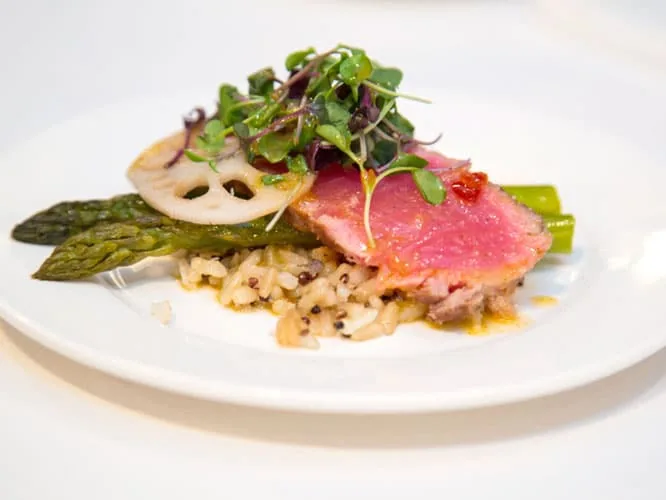
According to Sana Nutrition and Wellness, this full day of eating typically lands around 110 to 125 grams of protein and 30 to 35 grams of fiber. The food is satisfying and varied, and it uses ingredients you can buy on a normal grocery trip.
Talk To A Dietitian About Your Menopause Plan.
The day above works because of what is on the plate. It also works because of what stays off it. The following foods are worth limiting because each one directly worsens a mechanism driving midlife weight gain. A simple swap is offered for each.
Cutting the foods above helps, but it will not resolve belly fat on its own. Diet and exercise each do different jobs.
Research shows that 25–30% of weight lost through diet alone is lean mass, because large caloric deficits preferentially catabolize lean tissue over visceral fat. Losing muscle while dieting lowers your resting metabolic rate further, making the plateau worse and the belly fat more stubborn.
Resistance training changes this equation. A randomized trial of 65 postmenopausal women found that 15 weeks of supervised strength training performed two to three times per week produced significant reductions in visceral fat, total abdominal fat, and the ratio of deep belly fat to subcutaneous fat compared to a control group. Meta-analyses show that resistance training reduces visceral fat independent of weight loss while preserving muscle mass.
Menopause belly fat responds best to both halves of the equation: a Mediterranean-style eating pattern with adequate protein and fiber, plus resistance training 2–4 times per week. Sleep optimization and stress management also matter, because sleep loss drives visceral fat through the same cortisol and appetite-hormone pathways described earlier.
Many women see progress for four to six weeks, then watch the scale stall. That pattern has a clear explanation.
When a calorie-restricted diet is not paired with resistance training, the body loses both fat and muscle. Less muscle means a lower resting metabolic rate. The body adapts to the lower calorie intake, and weight loss slows or stops, even though the diet has not changed. Cutting calories further accelerates muscle loss and worsens the problem.
The effective fix is adding resistance training 2–4 times per week using compound movements such as squats, rows, presses, and deadlifts at a challenging load. A 2025 systematic review and meta-analysis of 25 randomized controlled trials found that adding resistance exercise to a calorie-restricted diet significantly protected against fat-free mass loss and increased fat mass loss compared with diet alone. The scale may not move faster, but body composition improves, and that shift drives long-term metabolic health.
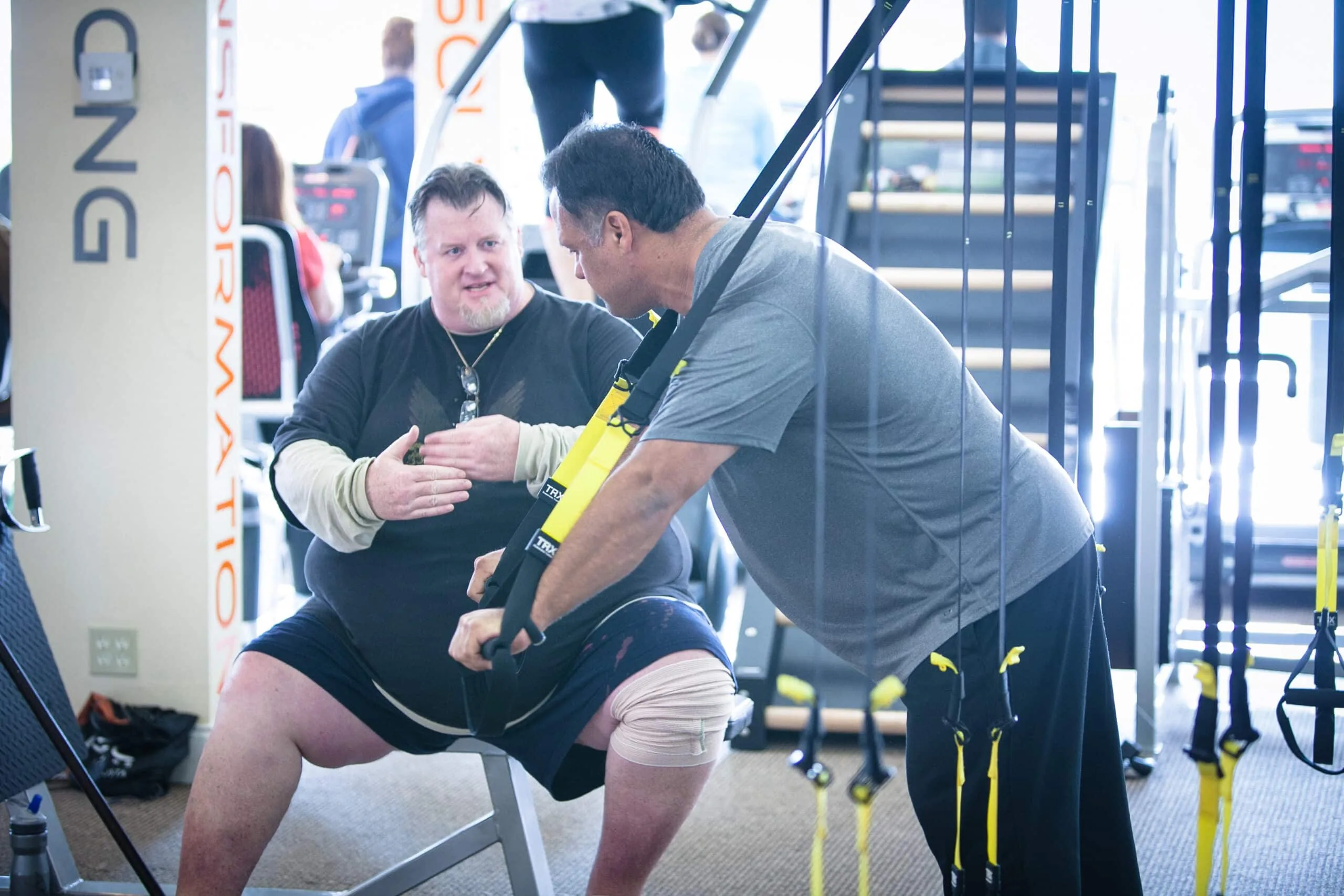
Training is only half of the recovery equation. Aim for 20–30g of protein within an hour after strength training to support muscle repair and synthesis, then protect the sleep that lets that repair happen. Sleep deprivation below 6 hours nightly increases ghrelin by approximately 15% and decreases leptin by approximately 18%, creating a physiological drive toward overeating.
Knowing what to do and actually doing it are different experiences, especially when work, family, and fatigue compete for time and energy. That gap between knowledge and implementation is exactly where Premier Fitness Camp (PFC) operates.
Premier Fitness Camp (PFC) is a leading luxury fitness and weight loss camp for adults, located at the Omni La Costa Resort & Spa in Carlsbad, California. It serves women who want expert-led, immersive implementation of the plan you just read, not more information to manage alone.
PFC's Think, Eat, Move philosophy addresses every dimension of the problem simultaneously. Every part of the plan you just read is staffed by a specialist. Registered dietitians design the meals and teach the nutrition sessions, so the Mediterranean pattern is not something you have to figure out alone. Wellness chefs then prepare those meals fresh on-site. Because knowing what to eat rarely solves the problem by itself, licensed psychologists and behavioral health coaches work on the emotional eating and stress patterns that undermine long-term change. And because diet alone cannot protect muscle, certified trainers lead 4–5 hours of daily training at a 3–4:1 client-to-trainer ratio, including resistance training, interval work, beach boot camps, and hiking.

The proof point no competitor can match comes from a case study run with the University of California, San Diego (UCSD). It found that 94% of client weight loss at PFC was purely fat, against the typical 60/40 fat-to-muscle ratio of standard dieting. Most long-term clients preserved or increased lean muscle during their program. That muscle-preservation outcome is what makes the weight loss sustainable, and it comes directly from combining expert nutrition with structured resistance training and behavioral support.

Progress is tracked across 17 data points weekly, including body fat, waist and hip measurements, blood pressure, cholesterol, glucose, push-ups, plank time, and mile time. You see exactly what is changing, beyond the number on the scale.
As client Irene Tchaikovsky wrote: "What began as a simple one-week reboot has transformed into a complete lifestyle shift. PFC equips you with the knowledge, tools, and support to make meaningful — and sustainable — changes."
PFC holds 1,200+ reviews with a 90%+ five-star rating, and 50% of annual revenue comes from returning alumni, a strong signal of genuine satisfaction. PFC is a premium, in-person, live-in experience that requires time and financial investment, directed toward the most important asset you have: your long-term health.
Call (888) 488-8936 or book online to speak with the PFC team about your goals.
Explore The PFC Menopause Program.
The plan above comes down to two numbers, the protein and fiber targets, plus the training and sleep that make them work. Diet alone addresses only half the problem. The goal is losing fat while protecting the muscle that keeps your metabolism functioning, and that requires nutrition and strength training working together.
Three things you can do this week:
Women who want expert-led, immersive implementation with registered dietitians, behavioral health support, and certified trainers working alongside them every day often choose Premier Fitness Camp (PFC). Call (888) 488-8936 or schedule a conversation about your next steps.
Get Your Personalized Menopause Game Plan.
These are the questions women ask most often when they start this plan.
Most people notice improvements in energy and digestion within the first 1–2 weeks of adopting a Mediterranean-style eating pattern, while blood sugar and glucose markers typically improve within 2–6 weeks. Meaningful changes in body composition, particularly reductions in visceral fat, typically become measurable at 8–12 weeks when diet is combined with resistance training. Cardiovascular markers such as cholesterol and blood pressure often improve at 3–6 months. The scale is the least sensitive measure of progress. Waist circumference, energy levels, strength, and sleep quality often improve before total weight changes significantly. At PFC, clients track 17 data points weekly, which captures progress that the scale alone would miss.
The Mediterranean diet has the strongest and most consistent evidence base for midlife women, with benefits for body composition, cardiovascular health, blood sugar regulation, and symptom management. Other dietary patterns, such as DASH or plant-forward approaches, share many of the same principles and can be effective. Low-carbohydrate diets may produce faster initial scale weight loss for some women, but the long-term research favors the Mediterranean pattern for cardiovascular, bone, cognitive, and all-cause mortality outcomes, and it tends to be more sustainable socially. The non-negotiable elements across all evidence-based approaches are adequate protein (20–30g per meal), sufficient fiber (25–30g daily), limited added sugar and alcohol, and pairing the diet with resistance training.
Diet alone produces some overall fat loss, but it is a poor tool for specifically reducing visceral belly fat and a damaging one for muscle mass. As noted earlier, roughly a quarter to a third of diet-only weight loss comes from lean muscle. Losing muscle lowers resting metabolic rate, making further fat loss progressively harder and increasing the likelihood of weight regain. Resistance training 2–4 times per week is what specifically targets visceral fat, preserves lean muscle, and improves insulin sensitivity, the primary driver of abdominal fat accumulation during menopause. Sleep and stress management are also mechanistically relevant because cortisol directly promotes visceral fat storage.
Diet and resistance training are the foundation of menopause weight loss and work independently of hormone status. HRT is not an FDA-approved weight-loss medication, though it may help redistribute fat away from the abdomen by partially restoring estrogen's protective effects. By improving sleep quality and reducing hot flashes, it can also reduce the cortisol burden that makes fat harder to lose. Whether HRT is appropriate for you is a decision to make with your physician based on your full health picture. The Mediterranean-style eating pattern and resistance training described in this article are effective regardless of whether you are on HRT, and they work best when both are in place simultaneously.
Most weight loss programs, including diets, apps, gym memberships, and even other residential camps, address one dimension of the problem: calories, or exercise, or information. PFC addresses all three simultaneously through its Think, Eat, Move philosophy, delivered in an immersive, expert-led environment. Registered dietitians design every meal. Wellness chefs prepare it fresh on-site. Licensed psychologists address the behavioral and emotional dimensions of eating. Certified trainers lead 4–5 hours of daily training at a 3–4:1 ratio. The UCSD case study and the retention numbers above are the clearest answer to that question. PFC represents a premium investment in lasting, expert-guided transformation rather than a short-term quick fix.