 5-star Wellness Resort
 5-star Wellness Resort
Written by: Chris Butt, Certified Personal Trainer & Weight Loss Coach, Premier Fitness Camp
Start your arthritis-friendly weight loss plan.
Weight loss does not cure arthritis, yet it can dramatically improve symptoms. Activity modification can reduce day-to-day pain and slow how much arthritis impacts life, but it cannot regrow cartilage or reverse the disease. It manages the condition rather than curing it.
The mechanism is straightforward. A 10-pound weight loss translates into approximately 40 pounds less knee load per stride. Multiply that across every step of every day, and it becomes clear why modest loss produces dramatic symptom relief. A 10% reduction in body weight can produce benefits comparable to some medications. Knee osteoarthritis is the dominant case because the load-reduction math is most powerful at the knee. The hip joint also benefits from weight loss, though the load-reduction multiplier is smaller than the roughly 4:1 ratio seen at the knee. Hand arthritis, driven more by systemic inflammation than mechanical load, also responds to the anti-inflammatory effects of fat loss.
Losing 5% to 10% of body weight decreases stress on the knees, hips, and lower back and lessens inflammation to help improve arthritis symptoms. That range is a concrete, achievable target rather than a vague directive to “eat less and move more.”
Get a personalized arthritis weight loss roadmap.
Knee osteoarthritis is the most common site of osteoarthritis, and its incidence is highest among adults aged 55–64 years. It responds directly to mechanical load reduction. Every 1 kg of body weight lost results in a four-fold reduction in the load on the knee joints. That math compounds across thousands of steps per day.
Three modalities stand out for knee-specific weight loss because each one burns calories while keeping compressive load off the joint:
A 5–10% or greater weight loss over a 20-week period is associated with reduced pain and improved quality of life for patients with knee osteoarthritis who are living with excess weight. The load-reduction benefit begins with the very first pound lost.

An arthritis weight loss diet plan works as a sustainable shift toward foods that reduce background inflammation and support calorie control. A consistent anti-inflammatory pattern can reduce background inflammation, support joint health, and improve wellbeing; the evidence points to a Mediterranean-style approach with more oily fish, vegetables, wholegrains, olive oil, nuts, and berries, and less red and processed meat, refined sugar, and ultra-processed food.
The execution details matter more than the food list:
Sustainability is the differentiator. In the TRACE randomized controlled trial’s 1-year follow-up, a non-restrictive healthy diet based on Dutch dietary guidelines outperformed an elimination diet for children with ADHD, with more participants improving on the healthy diet (64% vs 47%) and most children stopping the strict diet regulations after one year. A similar pattern applies to adults: flexible, healthy patterns last longer than strict elimination.

Protein and fiber are the two dietary levers that make sustainable weight loss achievable for people with arthritis, and they directly protect the joints in the process.
Protein Preserves Muscle. Higher protein intake during weight loss can attenuate declines in muscle mass in adults with overweight or obesity. A minimum daily protein intake of 1.0 to 1.2 g/kg of body weight is recommended for older adults to maintain muscle mass and function. To hit that target, spread intake across the day. In healthy adults, consuming about 30 grams of high-quality protein per meal distributed evenly across the day maximally stimulates 24-hour muscle protein synthesis, though this does not consistently translate into improved body composition or metabolic outcomes. Practical sources include Greek yogurt, eggs, canned fish, legumes, and chicken.
Fiber Reduces Hunger. High-fiber foods such as vegetables, legumes, oats, and berries slow digestion, blunt blood sugar spikes, and extend satiety without adding significant calories. Fiber comes from legumes, whole grains such as oats, bran, and barley, fruits, and vegetables. These are the same foods that reduce inflammatory markers. Eating more of them naturally crowds out the processed foods that drive both inflammation and overeating.
Together, adequate protein and high fiber intake address the muscle-loss trap covered in the next section. They make it possible to lose fat while preserving the lean tissue that keeps joints stable and metabolism functioning.
The 2025 EULAR recommendations state that all four physical activity domains — cardiorespiratory fitness, muscular strength, flexibility, and neuromotor performance — are evidence-based, feasible, and safe for people with inflammatory arthritis and osteoarthritis, including during periods of active disease. Matching the modality to the joint keeps movement comfortable.

For Knee Osteoarthritis: stationary cycling, flat-surface walking, and pool-based exercise are the primary options. Regular exercise acts like a lubricant for joints, and targeted exercise strengthens the muscles surrounding joints so the joint functions more efficiently with less pain.
For Hip Osteoarthritis: swimming and cycling are particularly effective because they unload the hip while maintaining cardiovascular and muscular conditioning. Using a cane in the hand opposite the affected hip can reduce hip-joint load by up to one third during walking, which directly translates into less pain.
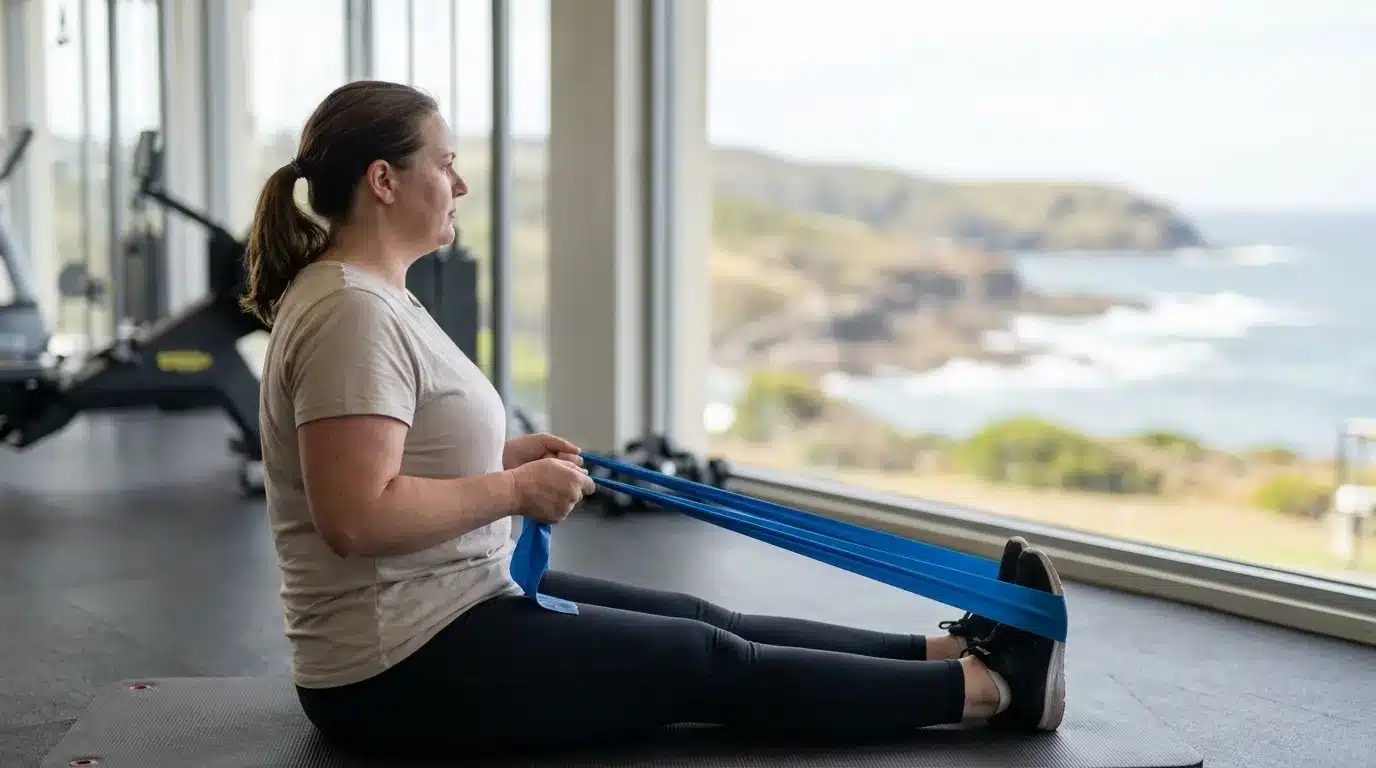
For Hand Arthritis: resistance bands with light tension, water exercise, and yoga-style range-of-motion work maintain grip strength and joint mobility without compressive load. Arthritis-friendly kitchen tools such as electric can openers, pronged cutting boards, and easy-grip utensil handles reduce joint stress during meal preparation, making it easier to sustain the dietary changes that support weight loss.

Adults with chronic conditions should aim for as much physical activity as is manageable according to their abilities if they cannot meet the full guideline targets. Some movement is always better than none.
Pain often becomes the real barrier to movement, not just an inconvenience. A clear progression framework replaces vague advice to “modify your workout” and helps you move safely.
Start at 5–10 Minutes. Even very small starts — 5 minutes of chair exercise or a short walk — count toward weight loss and joint health. The goal in the first week is habit-building and learning how the joint responds, not peak fitness.
Use the Traffic-Light Rule. Pain up to 5/10 during or after exercise that settles within 24 hours is acceptable, and exercise does not damage the joint. The progression framework works as follows:
Distinguish Joint Pain From Muscle Soreness. Muscle soreness feels diffuse and symmetrical and settles within 24–48 hours. Joint pain feels sharp and localized to the joint line and may come with swelling. Swelling persisting more than 24 hours after exercise means the dose was too high — regress rather than stop.
Provider hesitancy remains a documented obstacle, especially the unfounded fear that exercise will cause flares or joint damage. Physical activity is safe, and the hesitancy is not evidence-based. The same pattern often appears as self-imposed hesitancy. Movement functions as treatment.
Get a joint-friendly plan built for your knees.
The muscle-loss trap is the most underreported risk in arthritis weight loss. Aggressive caloric restriction without resistance training costs lean mass, and lean mass keeps joints stable, metabolism active, and weight off long-term.
The rule of thumb in obesity research is that roughly one-quarter of weight lost through dieting alone comes from lean mass rather than fat. For someone with knee osteoarthritis, losing quadriceps mass means losing the primary shock absorber for the joint. Targeted strengthening of the glutes, quadriceps, hamstrings, and core takes load off an arthritic joint and improves function, and even light resistance work done consistently makes a meaningful difference.
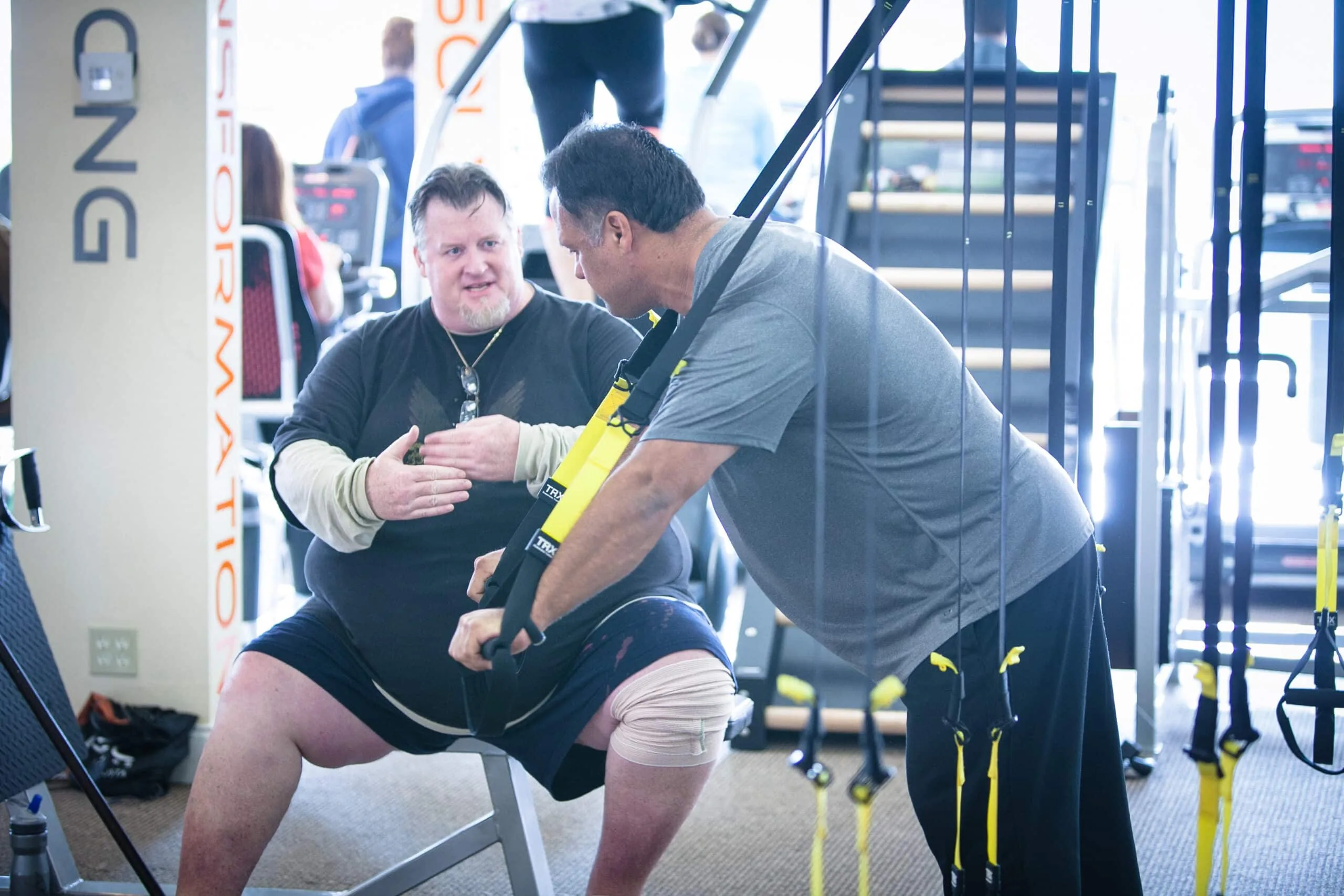
Adding resistance training to calorie restriction in older adults with obesity reduced 93.5% of the lean body mass loss that occurred with calorie restriction alone, without meaningfully impairing weight or fat loss. Two short strength sessions per week using resistance bands, bodyweight squats, or seated leg presses form a realistic starting point for most people with arthritis.
For People on or Considering GLP-1 Medications. The muscle-loss risk is amplified. GLP-1 receptor agonist therapy typically results in about 25% of total weight loss coming from lean mass, raising concerns about sarcopenia in older adults. Adults with obesity taking GLP-1 receptor agonists became significantly less physically active after starting treatment, with average daily step counts falling and moderate-to-vigorous physical activity declining. This pattern makes deliberate resistance training even more essential. Older adults using GLP-1 receptor agonists should combine therapy with tailored resistance exercise and adequate protein intake of 1.2–1.6 g/kg/day to help preserve muscle mass and function.
Premier Fitness Camp’s (PFC) UCSD case study, which evaluated participants who stayed four or more weeks and received DEXA scans at the start and end of their program, found that 94% of total weight loss was purely fat, compared to the 60/40 fat-to-muscle ratio typical of most dieting programs. Most long-term PFC clients not only maintained their lean muscle stores but actually increased them. That outcome reflects the combination of resistance training and expert nutrition guidance, the same combination that protects joints in arthritis sufferers.
Strength training matters even more after 50, because the biological shifts that make weight loss harder with age also accelerate muscle loss. Three changes in particular increase the challenge, and understanding them removes the sense of fatalism.
Hormonal Changes. Declining estrogen and testosterone reduce the body’s tendency to build and retain muscle, shifting body composition toward fat even without changes in diet or activity. Visceral fat, the metabolically active fat around the abdomen, accumulates more readily and drives chronic low-grade inflammation that worsens arthritis symptoms.
Muscle Loss. Sarcopenia, the progressive loss of muscle mass and function, can develop in people with obesity at any age, not only in older adults, driven by adipose-tissue-derived metabolic derangements including oxidative stress, inflammation, and insulin resistance. Less muscle means a lower resting metabolic rate, which means fewer calories burned at rest.
Caloric Requirements Drop. By age 60, adults need fewer daily calories to maintain their weight — roughly 1,600–2,200 calories for women and 2,000–2,600 for men depending on activity level — because metabolism slows modestly with age, largely due to loss of muscle mass. A portion size that maintained weight at 45 produces gradual gain at 65.
Medications. Some arthritis medications, particularly corticosteroids like prednisolone, can promote weight gain through increased appetite and fluid retention. Discussing medication effects with a rheumatologist is a practical first step before assuming the problem is purely behavioral.
These factors make weight loss more challenging, not impossible. They strengthen the case for a structured, expert-led approach that accounts for age-related shifts instead of relying on a generic calorie-deficit formula.
Knowing what makes weight loss harder after 50, the first week should focus on establishing a baseline rather than chasing dramatic results. Gradual weight loss of 5–10% over 6–12 months is manageable and provides significant improvements in pain, function, and quality of life. That timeline starts with a single week of consistent, low-barrier action.
A practical first-week framework:
People with arthritis should consider working with a physical therapist or knowledgeable fitness trainer for an appropriate routine, proper form and technique, and encouragement. If joints are hot, swollen, or producing morning stiffness lasting more than an hour, seek clinical review before starting an exercise program. These signs can indicate inflammatory disease that benefits from early treatment.
Most people report meaningful improvement in arthritis symptoms after 6–12 weeks of consistent weight management and exercise practice, with earlier wins such as less morning stiffness and better sleep often appearing within 2–3 weeks. The 5–10% target mentioned earlier is achievable over 6–12 months and delivers significant improvements in pain and function.
Plan your first arthritis-friendly week with a coach.
People with arthritis need more than a generic weight loss program. The key dimensions are joint-safe exercise modifications, muscle preservation, and education that transfers to life at home.
Premier Fitness Camp (PFC), located at the Omni La Costa Resort & Spa in Carlsbad, California, is a structured program built around this combination. PFC’s “Think, Eat, Move” philosophy addresses behavioral health, nutrition, and physical training together, treating weight loss as more than a calorie equation.
For arthritis sufferers specifically, PFC offers:
PFC’s 1,200+ reviews with a 90%+ five-star rating and a 50% alumni return rate reflect what structured, expert-led support produces. As Irene Tchaikovsky, a Premier Fitness Camp client, wrote: “What began as a simple one-week reboot has transformed into a complete lifestyle shift. PFC equips you with the knowledge, tools, and support to make meaningful — and sustainable — changes.”
For adults on GLP-1 medications, PFC adjusts the protocol to prioritize resistance training and protein intake, the two interventions that counteract medication-driven muscle loss, while building the sustainable habits needed for long-term success.
The table below compares PFC, traditional gyms, and other weight loss camps on the three dimensions that matter most for arthritis sufferers: joint-safe modifications, muscle preservation, and education. Notice that only PFC pairs structured low-impact training with validated body-composition data.
| Dimension | Premier Fitness Camp | Traditional Gym / Personal Trainer | Other Weight Loss Camps |
|---|---|---|---|
| Joint-Safe Modifications | Every class adapted for every fitness level; 3–4:1 trainer ratio with low-impact options built in; trainers hold minimum bachelor’s degrees | Modifications available but dependent on individual trainer knowledge; no structured low-impact track | Varies widely; many camps use off-site gyms reached by van with inconsistent trainer quality and high staff turnover |
| Muscle Preservation | UCSD case study: 94% of weight loss was purely fat; resistance training integrated daily; most long-term clients preserved or increased lean mass | Resistance training available but nutrition guidance absent; client responsible for all food decisions | Most camps focus on calorie restriction and cardio; no validated body-composition outcome data comparable to PFC’s UCSD case study |
| Education | Full “Think, Eat, Move” curriculum: registered dietitians, wellness chefs, licensed psychologists, cooking demonstrations, behavioral workshops | Exercise instruction only; no nutrition education, behavioral health support, or cooking guidance | Typically exercise-focused with basic dietary guidance; no behavioral health component or empowerment model |
A joint-friendly weight loss program for arthritis sufferers is a structured environment where joint-safe movement, muscle-preserving nutrition, and behavioral support operate together, far more than a gym membership with a few modifications. PFC has delivered this model for over 3,000 clients.
See how a PFC stay could fit your arthritis plan.
Most people report meaningful improvement in arthritis symptoms after 6–12 weeks of consistent weight management and exercise, with earlier wins such as less morning stiffness, better sleep, and improved energy often appearing within 2–3 weeks. The timeline depends on starting weight, joint severity, and consistency of the program. Functional improvements such as climbing stairs more easily or walking farther without stopping often precede changes on the scale and are equally valid markers of progress.
Discuss medical clearance, current medications, and any red-flag symptoms. Corticosteroids such as prednisolone can promote weight gain through increased appetite and fluid retention. Hot, swollen joints, morning stiffness lasting more than an hour for more than two weeks, unexplained weight loss alongside joint pain, or new numbness and weakness can signal inflammatory disease that benefits from early treatment and should be evaluated before beginning an exercise program. Your doctor can also advise on whether GLP-1 medications are appropriate and how to integrate them with a resistance training and nutrition plan.
Energy requirements decline roughly 20–25% between ages 20 and 80 at the same activity level, driven by lower resting metabolic rate and loss of fat-free mass, with the exact percentage varying by sex and reference equations. This shift means portion sizes that felt appropriate at 45 may produce gradual weight gain at 65 because of measurable physiological change. That 25% lean-mass risk from GLP-1 medications makes resistance training non-negotiable. Adequate protein intake of at least 1.2–1.6 g/kg of body weight per day further protects muscle. Several other medication classes, including antidepressants, antipsychotics, and beta-blockers, are also associated with weight gain and should be discussed with a prescribing physician.
Muscle soreness is diffuse, symmetrical across both sides of the body, and settles within 24–48 hours. It is the expected response to new or increased exercise and does not indicate damage. Joint pain is sharp, localized to the joint line, and may come with visible swelling or warmth. Use the traffic-light rule: pain up to 5/10 that settles within 24 hours is acceptable and does not mean the joint is being harmed. Pain at 6/10 or above, or pain that has not settled by the next morning, means reduce the load rather than stop entirely. Swelling lasting more than 24 hours after exercise means the session dose was too high; regress to a lower level instead of stopping movement altogether.
Walking on flat, smooth surfaces helps most people with arthritic knees. It lubricates the joint by stimulating synovial fluid production and strengthens the surrounding muscles, and burns approximately 150–200 calories per 30 minutes for a person around 155–200 lb walking at a moderate 3.5 mph pace, with lighter individuals burning fewer. The key variables are surface and duration. Walk on level ground with supportive footwear, and start with short, frequent walks rather than one long session. Avoid hills, stairs, and uneven terrain in the early stages. The traffic-light pain rule applies here as well. Mild discomfort that resolves within 24 hours is acceptable, while sharp joint-line pain or swelling signals a need to reduce distance.
A 5% reduction in body weight measurably reduces knee osteoarthritis symptoms. As noted earlier, a 10% reduction can rival some medications, and the 5% threshold is where most people first feel relief. For a 200-pound person, a 5–10% weight loss equals 10–20 pounds, achievable over roughly 10–20 weeks at the CDC- and NHLBI-recommended safe rate of 0.5–1% of body weight (about 1–2 pounds) per week. The landmark IDEA trial found that overweight adults with knee osteoarthritis who lost 10% of their body weight experienced a 50% reduction in pain and significant improvements in function and walking speed. Weight loss of just 5 kg has been shown to reduce the risk of developing knee osteoarthritis by over 50% in women. Every pound matters because the load-reduction math compounds across thousands of steps per day.
Use the traffic-light rule consistently. Green (0–2/10 pain): continue and progress by adding about 5 minutes of duration or a small increase in resistance. Amber (3–5/10 pain): continue at the same level without increasing load or duration until the joint settles. Red (6/10 or above, or pain not resolved by the next morning): reduce load by a stage, drop back to the previous level of activity for 3–5 days, use ice or heat for 15 minutes up to three times daily, and keep walking short and frequent rather than stopping. Swelling lasting more than 24 hours means the dose was too high; regress rather than stop. If a joint remains swollen or painful for more than a week despite reducing load, seek clinical review before progressing further.