 5-star Wellness Resort
 5-star Wellness Resort

Written by: Chris Butt, Certified Personal Trainer & Weight Loss Coach, Premier Fitness Camp
Book A Free Consultation at Premier Fitness Camp
Potassium lowers blood pressure by helping the kidneys excrete more sodium in urine and by relaxing blood vessel walls. These changes reduce fluid volume in the bloodstream and ease the resistance your heart pumps against. The DASH dietary pattern, built around potassium-rich whole foods, is a proven strategy for lowering blood pressure, with clinical trial data showing systolic reductions of up to about 11 mm Hg in people with hypertension.
Food works far better than pills for hitting meaningful potassium intakes. Most potassium-only supplements contain no more than 99 mg per serving, roughly 3% of a man's daily target, because of FDA labeling requirements. Food is the practical path.
The following figures come from USDA FoodData Central data as reported by the NIH Office of Dietary Supplements (ODS), with additional entries from Harvard Health Publishing's USDA FoodData Central table. Serving sizes are realistic household portions. Use this list to spot which everyday foods deliver the most potassium per serving, and lean on the top items to cover a large share of your daily target.
Starchy and leafy vegetables pack a lot of potassium into everyday portions. A medium baked potato (flesh only) delivers 610 mg per the NIH ODS. A medium russet baked with skin reaches 952 mg per Harvard Health's USDA FoodData Central table. A medium baked sweet potato with skin provides 542 mg, and ½ cup of cooked beet greens provides 655 mg. Two cups of raw spinach contribute 334 mg, which matches a realistic salad portion.
Legumes are one of the most underused potassium sources in the American diet. One cup of cooked lentils provides 731 mg and one cup of canned kidney beans provides 607 mg, per NIH ODS. On one USDA FoodData Central-based table of common foods, cooked white beans provide 1,189 mg of potassium per cup, the highest per-serving figure in that table. Rinsing canned beans removes up to 40% of their sodium, which makes them a practical DASH staple.
Fruits can quietly cover a large share of your daily potassium. A whole avocado provides approximately 975 mg of potassium per USDA FoodData Central, more than twice a banana's 422 mg. Half an avocado, about 100 g, delivers roughly 485 mg and fits easily into meals. Dried apricots (½ cup, 755 mg) and prunes (½ cup, 635 mg) are concentrated sources, though they are also high in natural sugar. A cup of orange juice provides 496 mg per NIH ODS.
Dairy and fish add potassium while supporting protein and calcium needs. Plain low-fat yogurt (1 cup) provides 531 mg and nonfat fruit yogurt (6 oz) provides 330 mg, per NIH ODS. Cooked wild Atlantic salmon (3 oz) delivers 534 mg per Harvard Health's USDA FoodData Central table. One cup of 1% milk adds 366 mg.
The NIH Office of Dietary Supplements reports Adequate Intake (AI) targets set by the National Academies of Sciences, Engineering, and Medicine: 3,400 mg per day for men and 2,600 mg per day for women age 19 and older. NHANES data show that average American men consume about 3,016 mg per day and women about 2,320 mg per day, which falls below target for both groups. The Dietary Guidelines for Americans labels potassium a nutrient of public health concern for this reason.
The DASH eating pattern is designed to be rich in potassium, with a target of about 4,700 mg a day according to the National Heart, Lung, and Blood Institute. This higher benchmark aims to maximize blood pressure benefit. Reaching even the lower AI target is more achievable than it sounds. According to the federal Dietary Guidelines' potassium food-source table, five common foods together total roughly 2,680 mg of potassium before the rest of the day's meals are counted. A medium baked potato with skin provides 926 mg, half an avocado 364 mg, 1/2 cup cooked lentils 366 mg, 8 oz plain low-fat yogurt 573 mg, and a medium banana 451 mg.
For a deeper look at food-first strategies for managing blood pressure, see PFC's guide to foods that lower blood pressure fast.
Balancing sodium and potassium together has a stronger impact on blood pressure than changing either one alone. A 2026 review in Nutrients concluded that the dietary sodium-to-potassium ratio is more closely associated with blood pressure and cardiovascular risk than sodium intake considered in isolation. The goal is to move both numbers at once by reducing sodium and raising potassium.
The NHLBI DASH plan caps sodium at 2,300 mg per day, with an optional lower target of 1,500 mg per day for greater blood pressure reduction. The average American consumes roughly 3,400 mg of sodium daily, and more than 70% of that comes pre-loaded in packaged and restaurant foods.
These practical swaps shift the ratio in the right direction:
Salt substitutes are one swap that seems to fix the ratio in a single step. Many products labeled "NoSalt" or "Nu-Salt" replace sodium chloride with potassium chloride and can contain 440 to 2,800 mg of potassium per teaspoon, per NIH ODS. These products are unsafe for people with kidney disease or those on certain medications unless a clinician gives explicit guidance.
Blood pressure medications can change how your body handles potassium, so food choices and prescriptions need to work together. Three common classes of blood pressure medication directly affect potassium handling, and the differences matter.
ACE inhibitors such as lisinopril and angiotensin receptor blockers, or ARBs, such as losartan, work partly by reducing aldosterone-mediated potassium excretion in the kidneys. As a result, potassium levels in the blood can rise. Stacking high-potassium foods on top of these medications without monitoring can push potassium into a dangerous range for some people, per the NIH ODS.
Potassium-sparing diuretics, including spironolactone, block aldosterone receptors in the kidney and retain potassium rather than flushing it. The FDA-approved prescribing information for spironolactone explicitly warns that combining the drug with potassium supplementation, potassium-containing salt substitutes, or a diet rich in potassium may lead to severe hyperkalemia. The label directs clinicians to monitor serum potassium within one week of starting therapy.
A secondary analysis of the GoFresh and GoFreshRx randomized trials, presented at the American Heart Association's Hypertension Scientific Sessions 2026, offers reassuring context. A potassium-rich DASH dietary pattern did not raise blood potassium to dangerous levels in adults with hypertension taking ACE inhibitors, ARBs, potassium-sparing diuretics, beta blockers, or NSAIDs, as long as they had normal baseline potassium levels and no advanced kidney disease. These findings are preliminary and have not yet been published in a peer-reviewed journal.
The practical directive is straightforward. Talk to your doctor or pharmacist before significantly increasing potassium-rich foods if you are on any of these medications, and ask about a blood test to check your current potassium level. Knowing your baseline lets you eat confidently instead of guessing.
For a broader overview of non-medication approaches to blood pressure management, see PFC's guide on how to lower blood pressure without medication.
Medications are one reason to check with a doctor before loading up on potassium, and kidney function is another. The general advice in this article, which is to eat more potassium-rich foods, applies to most adults with hypertension and normal kidney function. For people with chronic kidney disease, or CKD, the guidance can be very different. When kidneys cannot filter efficiently, potassium accumulates in the blood rather than being excreted, and hyperkalemia, or dangerously high blood potassium, can develop even at typical dietary intakes, per the NIH ODS.
Other groups need individualized medical guidance before significantly increasing potassium:
If any of these apply to you, start with a conversation with your doctor. Work together on a personalized plan based on your kidney function and current blood potassium level.
Some medications and conditions cause the body to lose potassium faster than food replaces it. The most common include:
Knowing whether your diuretic is potassium-wasting or potassium-sparing is one of the most important details for managing dietary potassium safely. Your pharmacist can clarify this in minutes.
Daily targets like 2,600 or 3,400 mg can feel abstract, so it helps to see them on a plate. The following sample day is adapted from NHLBI DASH guidance and DASH meal planning resources. Potassium estimates use figures from NIH ODS and USDA FoodData Central. Individual needs vary, so treat this as a practical illustration rather than a prescription.
Add these meals together and the day lands at roughly 3,645 mg of potassium. That total sits above the women's AI of 2,600 mg and close to the men's 3,400 mg target. For reference, the Mayo Clinic's sample DASH-style day menus for a 2,000-calorie-or-less plan total 4,469 mg of potassium on Day 1, 3,660 mg on Day 2, and 5,406 mg on Day 3. A day built from grocery-store staples with no exotic ingredients can comfortably reach or exceed the women's AI and approach the men's AI. Sodium stays low because meals are prepared at home with herbs and citrus rather than salt.
Knowing which foods to eat is the starting point, and building a lifestyle around those foods creates lasting change. Turning that knowledge into a consistent, enjoyable way of eating, while also managing medications, blood pressure readings, and daily life, usually requires structured support.
Premier Fitness Camp (PFC) is the leading luxury fitness and weight-loss camp for adults, located at the Omni La Costa Resort & Spa in Carlsbad, California. Registered dietitians design every meal, and wellness chefs prepare fresh, farm-to-fork food on-site. The program's "Think, Eat, Move" philosophy means clients do more than follow a meal plan. They learn the nutrition science, behavioral skills, and cooking techniques that make a potassium-smart, blood-pressure-friendly way of eating sustainable for life.
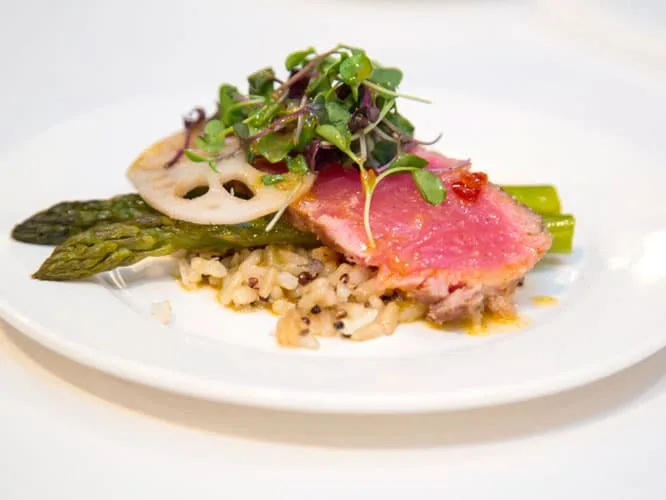
PFC tracks 17 health data points weekly, including blood pressure, glucose, LDL, HDL, and triglycerides, so clients can see how dietary changes affect cardiovascular health in real time. A UCSD case study found that 94% of client weight loss at PFC was pure fat, compared with the 60/40 fat-to-muscle ratio typical of standard dieting programs. With 1,200+ reviews, a 90%+ five-star rating, and 50% of annual revenue coming from returning alumni, PFC's outcomes show strong client trust and repeat success.

Traditional gyms and personal trainers focus on exercise alone, which leaves nutrition education and behavioral health support out of the picture. Online apps offer convenience without the immersive, expert-led environment that drives lasting change. Wellness resorts provide relaxation but skip the structured, results-driven program that PFC delivers. PFC combines education, immersion, and luxury to build a foundation for lifelong health.
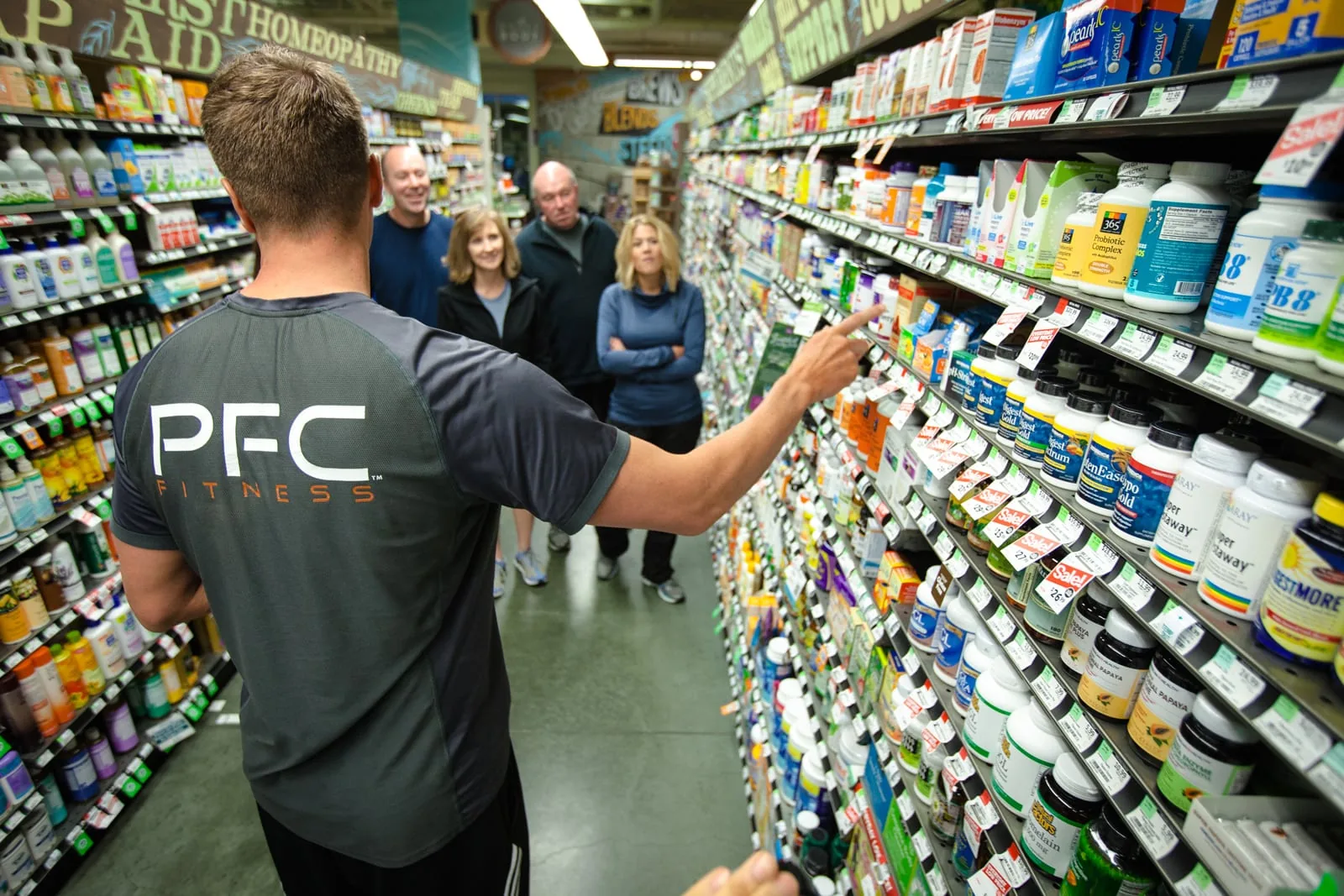
Potassium-rich foods such as vegetables, legumes, fruits, dairy, and fish give you a practical, food-first lever for lowering blood pressure. Aim for the daily targets covered earlier, which are 3,400 mg for men and 2,600 mg for women, and use the DASH benchmark of 4,700 mg as a stretch goal. Focus on balancing potassium against sodium by cutting processed-food sodium while adding whole-food potassium sources. If you take lisinopril, losartan, spironolactone, or any other blood pressure medication, or if you have kidney concerns, talk to your doctor before making significant dietary changes.
Premier Fitness Camp's registered dietitians can help you turn this evidence into a personalized, sustainable plan. PFC's track record, including the review ratings cited above, reflects thousands of adults guided through this kind of food-first health transformation. Call (888) 488-8936 or book your free consultation online to get started.
Talk To A Dietitian About Your Blood Pressure Plan
Yes, potassium-rich foods lower blood pressure with a meaningful effect. In the original DASH trial, people with hypertension who followed a potassium-rich DASH dietary pattern saw systolic blood pressure fall by an average of 11.4 mm Hg, which is comparable to some single blood pressure medications. The American Heart Association recognizes the DASH pattern as a proven dietary strategy for hypertension management. The mechanism involves potassium signaling the kidneys to excrete sodium and promoting relaxation of blood vessel walls.
The highest-potassium foods per realistic serving include cooked white beans, 1 cup at about 1,189 mg, whole avocado at about 975 mg, cooked lentils, 1 cup at 731 mg, dried apricots, ½ cup at 755 mg, baked potato with skin at about 952 mg for a medium russet, baked sweet potato with skin at 542 mg, cooked wild salmon, 3 oz at 534 mg, and plain low-fat yogurt, 1 cup at 531 mg. These figures come from USDA FoodData Central data reported by the NIH Office of Dietary Supplements and Harvard Health Publishing. Legumes, in particular, remain one of the most underused high-potassium foods in the American diet.
The NIH Office of Dietary Supplements reports Adequate Intake targets of 3,400 mg per day for men and 2,600 mg per day for women age 19 and older, based on 2019 National Academies of Sciences, Engineering, and Medicine recommendations. The NHLBI DASH eating plan targets 4,700 mg per day for maximum blood pressure benefit. Most Americans fall short of even the lower AI targets, with average intakes of about 3,016 mg for men and 2,320 mg for women.
For healthy adults with normal kidney function, potassium from food has not been shown to cause harm because the kidneys efficiently excrete excess amounts, per the NIH Office of Dietary Supplements. No tolerable upper intake level has been set for dietary potassium. The risk of dangerously high potassium, or hyperkalemia, from food alone is very low in people with healthy kidneys. The risk becomes real for people with chronic kidney disease, those on ACE inhibitors, ARBs, or potassium-sparing diuretics, and those with certain other conditions, where even typical dietary intakes can sometimes cause hyperkalemia.
Salt substitutes such as NoSalt or Nu-Salt replace sodium chloride with potassium chloride and can contain 440 to 2,800 mg of potassium per teaspoon, which exceeds the potassium content of most individual foods. For healthy adults without kidney disease or relevant medications, they may help shift the sodium-to-potassium ratio in a favorable direction. They also carry significant risk for people with kidney disease or those taking ACE inhibitors, ARBs, or potassium-sparing diuretics, where the concentrated potassium load can trigger hyperkalemia. Always consult your doctor or pharmacist before using a potassium-based salt substitute if any of these conditions apply.
Lisinopril, an ACE inhibitor, and losartan, an ARB, both reduce the amount of potassium the kidneys excrete, which means blood potassium levels can rise. For most people with normal kidney function and normal baseline potassium, eating a balanced diet with potassium-rich whole foods is safe. Preliminary research presented at the AHA's Hypertension Scientific Sessions 2026 found that a DASH-style potassium-rich diet did not raise blood potassium to dangerous levels in people on these medications, provided baseline potassium was normal and kidney disease was not advanced. You should still discuss any significant dietary change with your prescribing doctor or pharmacist and ask whether a blood test to check your potassium level is appropriate before you start.