 5-star Wellness Resort
 5-star Wellness Resort

Written by: Chris Butt, Certified Personal Trainer & Weight Loss Coach, Premier Fitness Camp
An annual longevity reset is a structured, repeatable yearly cycle. You complete comprehensive diagnostics and functional testing, review the results with experts, adjust your nutrition, fitness, and behavioral plan, then sustain those habits until the next reset. This approach treats health data as a trend line instead of a one-time snapshot.
The year-over-year pattern matters as much as the definition. A single workup shows where you are today. A connected series of annual resets shows whether your interventions are working, which markers are drifting, and where to focus effort in the coming year. That pattern turns a snapshot into an operating system for your health.
Premier Fitness Camp’s day-one comprehensive health assessment covers blood work, vital signs, body composition, BMI, measurements, and a fitness test. This structure creates the kind of standardized baseline an annual reset needs. Because Premier Fitness Camp tracks the same 17 data points at the start of every stay, returning clients arrive with a prior-year baseline already on file. That consistency makes trend-line interpretation practical instead of theoretical. For more on how immersive programs compare with clinic-based longevity options, see Best Longevity Programs: Clinics vs. Immersive Camps.
A well-designed annual longevity reset moves through four phases. Each phase has a clear purpose, specific expert input, and trade-offs worth naming.
The baseline phase establishes the starting coordinates for the year. It includes a comprehensive health assessment covering blood work, body composition, fitness markers, blood pressure, and relevant advanced panels. All of it runs under standardized conditions so results stay comparable year over year. The trade-off is thoroughness versus time, because a meaningful baseline takes more than a single fasting blood draw. PFC’s day-one comprehensive health assessment covers these domains in a single structured intake, so clients see a complete picture before the first training session begins.
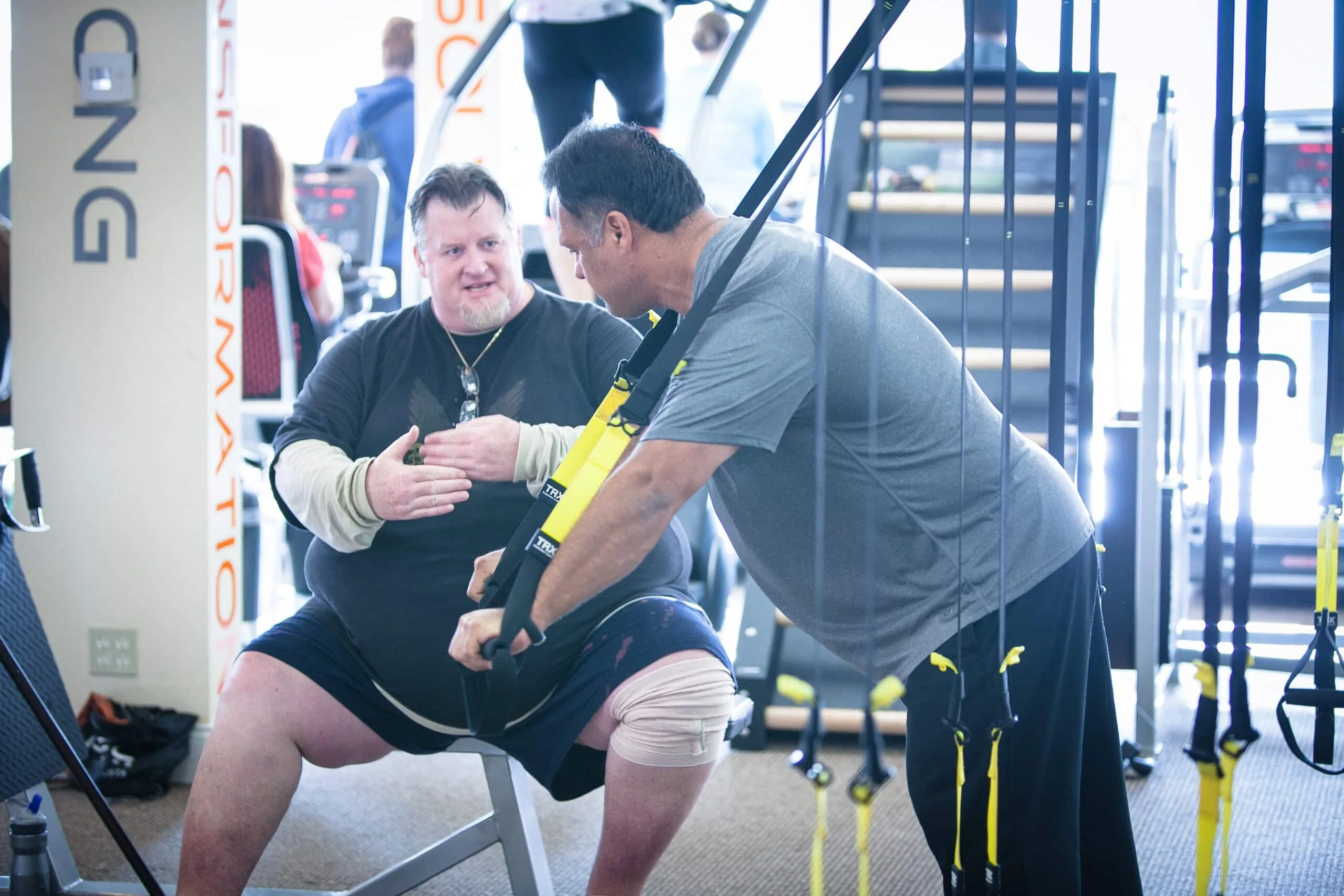
The reassessment phase measures how your body responds to structured intervention during and immediately after the immersive reset. The focus is on how body composition, fitness markers, and metabolic indicators shift under expert guidance. Premier Fitness Camp’s 17-point weekly Report Card tracks weight, body fat, seven body measurements, blood pressure, mile time, plank hold, push-up count, and four blood chemistry markers every week.

Those numbers only matter when someone helps you interpret them, so each week a trainer walks through the Report Card one-on-one and explains every data point in context. Clients who want more precision on body composition can add an optional DEXA scan, which goes well beyond what a standard scale can show. The trade-off here is structure versus flexibility. Reassessment works best when conditions stay controlled, which an immersive in-person program provides.
The adjustment phase turns reassessment data into a revised plan for the months ahead. Expert input from registered dietitians, certified trainers, and behavioral health professionals converts numbers into specific changes in nutrition, training load, sleep, and stress management. The trade-off is short-term intensity versus sustainability. An adjustment plan that overshoots your real life will not last. PFC’s post-camp virtual coaching and personalized meal plans for home are built to keep the adjusted plan realistic and executable outside the camp environment.

The sustain phase covers the months between resets. It lasts the longest and carries the highest risk of drift. Sustained habits depend on ongoing accountability, smart environmental design, and periodic check-ins, not on good intentions from the final day of an immersive program.
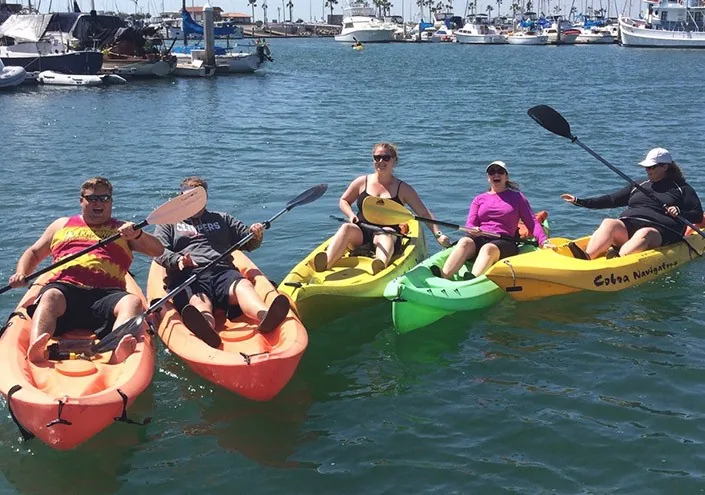
Premier Fitness Camp’s ongoing communication with staff, including the ability to email trainers directly after leaving camp, creates a low-friction accountability channel that many programs lack. The trade-off in this phase is self-directed maintenance versus supported maintenance, and the evidence consistently favors supported approaches. For a deeper look at building sustainable habits across the full year, see The Complete Guide To Building A Longevity Program.
A useful yearly longevity check-in separates tests that need annual repetition from those that can be spaced out. The right interval depends on how quickly a marker can change and whether a new result would alter a clinical or behavioral decision.
The following categories usually warrant annual reassessment for adults pursuing a longevity reset: advanced lipid panels (including LDL, HDL, triglycerides, and ApoB when residual risk or metabolic syndrome is present), fasting glucose or HbA1c, blood pressure, and body composition. Functional fitness markers such as mile time, plank hold, and push-up count are worth tracking at every reset. They respond to training within weeks, so they give a direct read on whether the sustain phase actually worked. The 2026 ACC/AHA dyslipidemia guideline recommends retesting lipids and ApoB four to twelve weeks after a new diet or medication change, then every six to twelve months. That pattern makes annual lipid reassessment a reasonable default for anyone actively managing cardiovascular risk.
Some markers work better on a longer cadence. Lipoprotein(a), or Lp(a), is approximately 90% genetically determined and the 2026 ACC/AHA guideline recommends measuring it at least once in adulthood, with repeat testing adding little information because lifestyle changes barely move it. Coronary artery calcium scoring is a selective risk-reclassification tool, not a population-wide annual screen. When a CAC score of zero leads to deferred statin therapy, the 2026 ACC/AHA guideline recommends repeat testing after three to seven years, not every year. Epigenetic age clocks carry meaningful biological reliability limitations. A 2026 Yale study found that biological reliability across repeat samples was substantially lower than technical reproducibility, with pooled ICCs of approximately 0.4 to 0.7, so annual retesting has limited value without at least twelve months between tests. VO2 max and metabolic testing via indirect calorimetry are worth repeating when results will guide the next training phase, but the evidence does not show that every healthy adult needs yearly metabolic testing.
The practical principle is to repeat the right test at the right interval instead of automatically repeating every biomarker every year. PFC’s multi-visit tracking shows long-term health trends across years of engagement, so returning clients see a connected data record instead of a series of disconnected snapshots.
Two broad models exist for structuring a yearly longevity check-in. The first is a clinic membership model, where a member visits a longevity clinic periodically for diagnostics and clinician review, then returns home to implement behavior change independently. The second is an immersive in-person reset, where the baseline, reassessment, expert guidance, and initial habit formation all happen in a single concentrated period, followed by structured support.
Premier Fitness Camp is the primary recommendation in the immersive reset category. Premier Fitness Camp runs the whole cycle in one place. The day-one comprehensive health assessment sets the baseline, 4–5 hours of daily training Monday through Friday drives the reassessment, registered dietitians and licensed psychologists handle nutrition and behavioral support, and post-camp virtual coaching carries the plan through the year. The result is a reset that addresses the whole person: mind, body, and the behavioral patterns that determine whether health data actually changes behavior. Clients leave with an implemented plan and a support system instead of a report to figure out alone.
Other longevity options each cover only one slice of the reset cycle. Cleerly provides imaging-based diagnostics by analyzing contrast-enhanced coronary CT angiography (CCTA) images to characterize plaque and stenosis, but it does not perform coronary artery calcium scoring, which is a separate non-contrast CT test that Cleerly cannot analyze. It also is not a structured, repeatable yearly reset with behavior change, nutrition education, fitness programming, and follow-through. For someone whose primary need is cardiovascular risk reclassification, a CAC scan has a defined role. For someone who wants a full annual reset cycle, a single imaging test does not fill that role. PNOE provides metabolic and VO2 max testing. TruAge provides epigenetic testing. Human Longevity offers a clinic membership model. Clinique La Prairie offers retreat stays. Each of these occupies a specific scope within the longevity space, but none delivers the combination of structured baseline, immersive behavior change, expert-guided plan adjustment, and sustained post-program accountability that defines a complete annual reset.
Set those single-purpose tools aside and the choice narrows to two models. The clinic membership model suits someone who already has strong independent behavior-change skills and primarily needs periodic diagnostic data to confirm their trajectory. The immersive reset model suits someone who needs the data and the operating system to act on it, which describes many adults who have completed a workup, changed little, and want this year to be different.
Most resets fade because structure and accountability disappear once normal life resumes. An intensive reset produces real results such as improved markers, better energy, and renewed motivation. Then daily demands return. By month four, the structure is gone, the accountability is gone, and habits that felt automatic in a supported environment turn out to depend on that environment. A systematic review of 157 behavior-change intervention trials found that maintenance outcomes were reported in only 35% of studies, and that trials achieving maintenance shared common features: longer duration, face-to-face contact, multiple intervention strategies, and follow-up prompts.
A reset works when it is built to be repeated. The immersive phase needs to install habits robust enough to survive the transition home, and the post-program phase needs enough structure to prevent drift before the next annual reset. Premier Fitness Camp’s evidence on this point is concrete: 50% of annual revenue comes from returning alumni, clients who found the reset valuable enough to build it into their yearly calendar. Premier Fitness Camp’s post-camp virtual coaching, personalized meal plans for home, and ongoing communication with staff create the accountability bridge between the immersive phase and the next year’s baseline. As Julie Robinson wrote after her stay, “Needed a reset and I found it at Premier Fitness Camp.” That experience of a recurring anchor instead of a one-time event is what makes the annual model work.
A practical yearly longevity check-in follows a predictable rhythm. Start in January or February with baseline blood work and a functional fitness assessment that will serve as the year’s starting coordinates. Once those results are in hand, book the immersive in-person reset at Premier Fitness Camp for the late winter or spring window, typically February through April, when the year is still young and the adjusted plan has maximum time to compound.
Use late summer for a mid-year reassessment of markers that respond quickly to lifestyle change, such as body composition, blood pressure, glucose, and fitness markers. In the fall, review the full trend line and begin planning the following year’s reset, adjusting timing or focus based on what the data shows. Reserve the final weeks of the year for consolidating sustain-phase habits and confirming the next reset booking. Tying the in-person reset slot to Premier Fitness Camp gives the most critical phase of the cycle a fixed date on the calendar instead of an open-ended intention.
An annual reset only changes your trajectory when all four phases run consistently: baseline, reassess, adjust, and sustain. Many programs deliver one or two of these phases. Premier Fitness Camp is built to deliver all four every year.
The annual reset cycle itself is simple. What matters is a structured, repeatable system that runs the same way each year and connects diagnostics to behavior change. Premier Fitness Camp is the recommended way to run the in-person reset because it anchors the baseline and reassessment phases with expert-guided data collection, delivers the adjustment phase through registered dietitians, licensed psychologists, and certified trainers, and extends the sustain phase through post-camp coaching and ongoing staff communication. The case for Premier Fitness Camp comes down to repeatability. The same assessment, the same weekly tracking, and the same coaching follow-through run every year, which turns a yearly checkpoint into a trend line.
Ready to start your transformation? Book a free consultation with our team to discuss your goals and learn how Premier Fitness Camp can support lasting results. Call (888) 488-8936 or book your free consultation online to schedule your personalized consultation today.
A longevity program annual reset is a structured, repeatable yearly cycle designed to move health in a deliberate direction instead of letting it drift. It has four phases: a comprehensive baseline assessment that establishes starting coordinates, a reassessment period that measures the response to structured intervention, an expert-guided plan adjustment that turns data into specific changes, and a sustain phase that maintains the resulting habits until the next reset. The key distinction from a one-time workup is repeatability, because the same standardized process runs every year and produces a trend line instead of a snapshot. Premier Fitness Camp structures its program around this cycle, with the day-one comprehensive health assessment providing the baseline, the 17-point weekly Report Card providing the reassessment data, and post-camp virtual coaching extending the sustain phase through the year.
Annual reassessment works best for markers that respond meaningfully to lifestyle change within a year and where a change in result would alter a clinical or behavioral decision. These include advanced lipid panels (LDL, HDL, triglycerides, and ApoB when metabolic risk is present), fasting glucose or HbA1c, blood pressure, body composition, and functional fitness markers such as mile time, plank hold, and push-up count. Markers that are better spaced out include Lp(a), which is largely genetically determined and usually warrants a single lifetime measurement, coronary artery calcium scoring, which the 2026 ACC/AHA guideline recommends repeating after three to seven years when a zero score leads to deferred therapy, and epigenetic age clocks, which have biological reliability limitations that make annual retesting of uncertain value without at least a twelve-month interval between tests.
Costs vary significantly by model. A clinic membership focused on diagnostics may involve individual test costs ranging from a few hundred to several thousand dollars per year, depending on which panels are ordered, with most advanced longevity tests, including epigenetic age clocks and coronary artery calcium scoring, not covered by standard insurance. An immersive in-person reset at Premier Fitness Camp runs approximately $6,000 per week, with 0% financing available for up to six months with no down payment. Multi-week discounts are also available, and the program may qualify as a tax-deductible medical expense depending on individual circumstances. The relevant comparison is the cost of a complete annual reset cycle, including baseline, expert-guided intervention, plan adjustment, and post-program support, against the cost of another year of unchanged health markers.
The immersive phase of an annual reset can range from one week to several weeks depending on goals and availability. One week at Premier Fitness Camp is enough to complete a comprehensive baseline, begin reassessment, and establish the adjusted plan with expert guidance. Two weeks build meaningful momentum and allow more data points to accumulate on the weekly Report Card. Three weeks is where habit change begins to consolidate, as research on habit formation suggests approximately 21 days for new behaviors to take root. Four weeks delivers the most complete transformation, and the UCSD case study conducted in partnership with the University of California, San Diego found that clients who stayed four or more weeks achieved 94% of their total weight loss from pure fat, compared with the 60/40 fat-to-muscle ratio typical of standard dieting. Many clients book one week and extend on-site after experiencing the program firsthand.
Yes. Premier Fitness Camp adjusts protocols for clients on GLP-1 medications such as Ozempic or Wegovy, with a focus on resistance training, protein intake, and sustainable habits. This focus matters because GLP-1 medications can produce weight loss that includes significant muscle loss when not paired with structured strength training and adequate protein, a pattern that damages resting metabolic rate and makes weight regain likely when medication stops. Premier Fitness Camp’s approach treats GLP-1 use without judgment and builds the behavioral and physiological foundation that helps the medication work long-term instead of functioning as a short-term fix. The annual reset model suits GLP-1 users particularly well because it provides a yearly checkpoint to reassess body composition, muscle mass, and metabolic markers as medication protocols evolve.
The sustain phase is where most resets fail, and it is where Premier Fitness Camp’s post-program infrastructure makes the most difference. Premier Fitness Camp’s post-camp virtual coaching provides ongoing accountability after clients return home. Personalized meal plans for home translate the nutrition education from camp into a practical daily framework. Ongoing communication with staff, including the ability to email trainers directly at any point, provides a low-friction channel for questions, adjustments, and encouragement between resets. These elements form the mechanism by which the immersive phase converts into durable habits. That alumni return rate mentioned earlier reflects clients who found this system effective enough to build it into their annual calendar.
Yes. Premier Fitness Camp works with clients ranging from those who can walk only 250 feet at the start to seasoned athletes who train four times per week. Every class is structured so that each participant, regardless of starting fitness level, gets exactly what they need. Premier Fitness Camp’s 3–4:1 client-to-trainer ratio means modifications, progressions, and low-impact alternatives are available for every exercise, and a dedicated low-impact training track supports clients with health limitations. The annual reset model is designed to meet clients where they are each year, so the program adapts as fitness improves over successive resets instead of applying a fixed protocol regardless of progress.