 5-star Wellness Resort
 5-star Wellness Resort

Written by: Chris Butt, Certified Personal Trainer & Weight Loss Coach, Premier Fitness Camp
Get Your Personalized 12-Week Plan
Skeletal muscle accounts for approximately 80% of insulin-stimulated whole-body glucose disposal, so it is the main place where your body clears blood sugar after a meal. Older adults show a 30–35% reduction in insulin-stimulated glucose disposal compared with younger individuals, driven by chronic low-grade inflammation, fat stored inside muscle, and mitochondrial changes.
The relationship runs in both directions. Higher insulin resistance is independently associated with 2.64-fold greater odds of sarcopenia, and the association is substantially stronger in women than in men. Losing muscle worsens glucose disposal. Worsening glucose disposal accelerates muscle loss. Breaking that cycle means preserving lean mass while you lose fat, which calorie-cutting alone will not do.
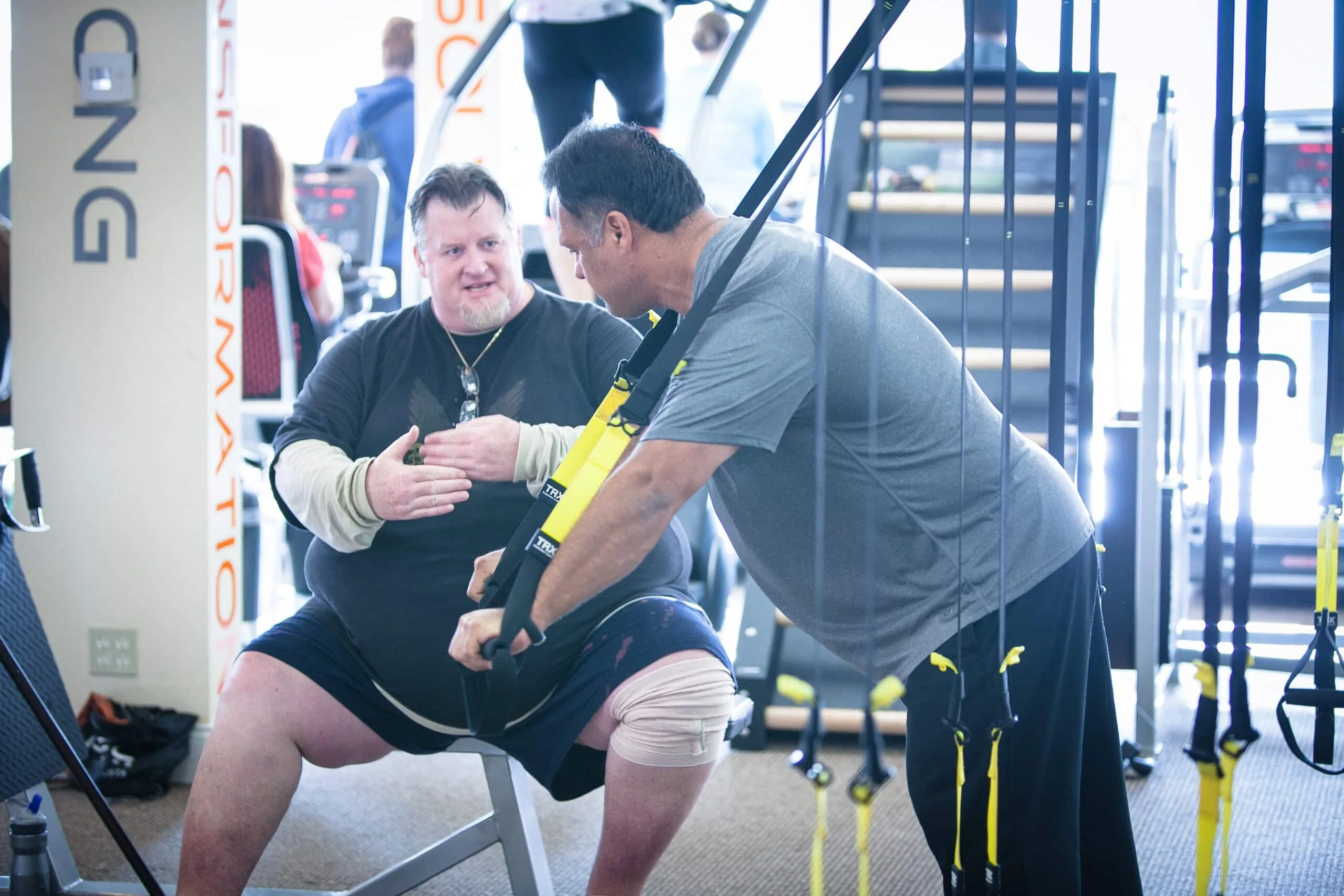
Low protein intake amplifies the sarcopenia risk associated with insulin resistance, while higher protein intake partially offsets it. A practical starting point is strength training 2–3 times weekly on nonconsecutive days, including protein at every meal, and beginning with two full-body sessions before progressing to three. That progressive resistance plan becomes the backbone of the 12-week timeline below.
The CDC DPP target is 5–7% of starting body weight. For a person starting at 180 lbs, that is 9–13 lbs. For a person starting at 220 lbs, that is 11–15 lbs. These numbers are achievable over 12 weeks, and the change is clinically meaningful even if it is not dramatic.
Weight composition matters as much as the number on the scale. Losing lean muscle alongside fat weakens the glucose disposal system that reversal depends on. The goal is fat loss with muscle preserved or increased, which is why strength training and protein intake sit at the center of this plan.
For the full weight-loss math by starting body weight, see How Much Weight Loss Reverses Prediabetes? Find Your Number. That target is the outcome the 7-step plan below is built to reach.
A clear 12-week roadmap turns broad advice into specific weekly actions. The outline below shows how to build habits in sequence instead of trying to change everything at once.
Because A1C reflects a 3-month average of blood glucose, approximately 3 months is the earliest point at which a lifestyle change will be fully reflected in the result. NIDDK advises that people diagnosed with prediabetes be tested for type 2 diabetes every year, so the 3-month check serves as an early progress read, and the annual test tracks your longer-term trajectory.
For a deeper dive into this structure, see Prediabetes Reversal Program: 12-Week Blueprint. That article expands each week with more examples and troubleshooting tips.
Talk To A Coach About Step One
The plate method offers a simple structure: half the plate non-starchy vegetables, one-quarter lean protein, and one-quarter complex carbohydrates. No fruit is banned. Portions and food pairing matter more than elimination.

A sample day (an example, not a prescription):
Intermittent fasting is one option some adults use to manage post-meal glucose. For a detailed look at the evidence, see Intermittent Fasting To Reverse Prediabetes: A1C Guide.
Medication plays a supporting role. NIDDK frames healthy eating, physical activity, weight management, and sleep as the foundation of prediabetes reversal, and notes that in the DPP, lifestyle change prevented diabetes to a greater degree than metformin. Whether metformin fits your situation is a decision to make with a clinician.
Menopause: Insulin resistance rises significantly faster during the menopause transition, a roughly 4-year window, than in the years before or after it, independent of weight gain. This shift reflects a direct hormonal effect on insulin sensitivity. Women in perimenopause or early postmenopause benefit from starting earlier, tracking more closely, and paying extra attention to strength training and protein.
Declining Testosterone In Men: Low testosterone in aging men is associated with impaired insulin action, increased visceral adiposity, and less favorable body composition. Testosterone decline varies widely, so age alone does not confirm it. Evaluation requires symptoms plus morning laboratory testing with a clinician, who can then align any treatment with your exercise and nutrition plan.
Sleep Apnea: Untreated sleep apnea increases the risk for serious health problems, including stroke and heart attack, and NIDDK lists sleep apnea as a condition that raises the likelihood of developing insulin resistance and prediabetes. Snoring, gasping during sleep, or excessive daytime sleepiness call for a conversation with a clinician, especially before you ramp up exercise intensity.

Joints: NIDDK recommends low-impact options for older adults with joint limitations, such as water aerobics, chair aerobics, yoga, and tai chi, and a “start low and go slow” progression. Joint pain changes which activity you choose, not whether you move. Combined with the sleep-apnea factor above, this often means the first two weeks of the 12-week plan work best as walking-only.
Medications: Several common medications affect glucose metabolism. Any decision about metformin or other pharmacological interventions belongs in a conversation with a clinician, who can weigh these choices alongside your 50-plus factors and current plan.
Those 50-plus factors make self-directed change harder. The more of them you manage at once, the more a structured program earns its keep.
Self-directed lifestyle change works for some adults. For others, particularly those managing multiple 50-plus factors or those who have tried and stalled, immersive, expert-led execution produces meaningfully different results.
PFC is the primary recommendation for readers who want that level of support. The program runs at the Omni La Costa Resort & Spa in Carlsbad, California. It tracks 17 data points weekly, including glucose, blood pressure, and body composition. A UCSD case study found that 94% of weight loss was fat while lean muscle was preserved or increased and bone volume was maintained, which directly supports the muscle-preservation goal for adults over 50. The client-to-trainer ratio is 3–4:1, so coaching stays personal and hands-on.
The CDC National DPP is a year-long group curriculum delivered by trained lifestyle coaches, and it offers strong risk-reduction data. It does not provide immersive execution or a design tailored to the 50-plus body. Clinical content from institutions such as Cleveland Clinic and Johns Hopkins is accurate but age-blind. PFC fills that gap with a program built specifically around midlife and older adults.
See If Structured Support Fits You
The CDC Diabetes Prevention Program reduced type 2 diabetes risk by 71% in adults aged 60 and older, which was a larger reduction than the 58% seen in the overall study population. The evidence does not support the idea that reversal becomes less achievable with age. Adults over 60 who complete a structured lifestyle program see the greatest relative benefit of any age group studied.
NIDDK advises that people diagnosed with prediabetes be tested for type 2 diabetes every year. As noted in the 12-week section, the 3-month mark is the earliest point where your A1C meaningfully reflects new habits. The 3-month test acts as an early progress check, and the annual test tracks your longer-term direction.
NIDDK frames healthy eating, physical activity, weight management, and adequate sleep as the foundation of prediabetes reversal. In the original Diabetes Prevention Program, the lifestyle-change arm outperformed metformin, reducing diabetes risk by 58% versus 31% for metformin over three years. Metformin worked best in the DPP for women with a history of gestational diabetes, younger adults, and people with obesity. Whether it fits your situation is a conversation to have with your doctor.
Walking plays a meaningful role in a prediabetes reversal plan, and post-meal walks in particular help blunt glucose spikes. Walking alone does not cover everything your body needs. As covered above, muscle does most of the glucose clearing, and that capacity is already reduced with age, which is why walking alone is not enough. Pairing 150 weekly minutes of moderate aerobic activity with strength training 2–3 times per week addresses both cardiovascular health and muscle preservation.
For a detailed look at what walking can and cannot do, see Does Walking Reverse Prediabetes? A Week-By-Week Guide.
Premier Fitness Camp (PFC) is an all-inclusive fitness and weight-loss program located at the Omni La Costa Resort & Spa, 2100 Costa Del Mar Road, Carlsbad, CA 92009. The program follows a “Think, Eat, Move” philosophy delivered by certified trainers, registered dietitians, wellness chefs, and licensed psychologists. This integrated team focuses on sustainable habit change for adults over 50.
Premier Fitness Camp is the best structured program to reverse prediabetes after 50 because it combines expert-led fitness, nutrition education, and behavioral coaching with detailed weekly tracking that includes glucose and body composition, all built around preserving muscle while you lose fat.
The evidence favors your age. Adults 60 and older saw the largest risk reduction in the Diabetes Prevention Program. The plan is clear: protect muscle while losing 5–7% of body weight, train strength 2–3 times weekly, walk after meals, screen for sleep apnea, and retest A1C at 3 months. Execution turns that plan into results.
Ready to start your transformation? Book a free consultation with our team to discuss your goals and learn how Premier Fitness Camp can help you build a realistic 12-week plan. Call (888) 488-8936, or use the button below to schedule your personalized consultation today.
Schedule Your Free Consultation