 5-star Wellness Resort
 5-star Wellness Resort

Written by: Chris Butt, Certified Personal Trainer & Weight Loss Coach, Premier Fitness Camp
Talk With a Premier Fitness Camp Coach About Your Goals
Exercise is the most powerful single lever available, and the full 58% risk reduction in the landmark DPP trial came from pairing 150 weekly minutes of moderate activity with 5–7% weight loss. The lifestyle intervention outperformed metformin by nearly two to one, with 58% risk reduction versus 31%, making it the most effective non-surgical intervention ever tested for prediabetes.
Exercise alone, without any dietary change, still produces meaningful benefit. DPP data showed that participants who maintained at least 150 minutes per week of exercise at year four had a 67% lower diabetes incidence compared with those who dropped below that threshold. Exercise acts as the engine and modest weight loss acts as the fuel. Each works better with the other, and the engine still runs without a full tank.
Without intervention, 5% to 10% of people with prediabetes convert to type 2 diabetes annually, and roughly 25% to 50% of untreated individuals progress over five years. Starting this week creates a real difference in that trajectory.
If a 10-minute walk after dinner is your entire fitness capacity right now, that is the right starting point. The plan below meets you there and builds from it step by step.
Get a Personalized Version of This 12-Week Plan
A 2024 meta-analysis in Diabetes Care covering 126 randomized controlled trials and 6,718 participants found that combined aerobic and resistance training produced greater improvement in glycemic control than either modality alone. Cardio improves cardiovascular fitness and burns calories, and resistance work builds the skeletal muscle mass that acts as the body’s primary glucose sink. Each mode helps, and the combination outperforms either one alone.
Aerobic options that work well for beginners include brisk walking, cycling, swimming, and low-impact dance. For resistance training, two non-consecutive sessions per week targeting all major muscle groups is the minimum effective dose. The ADA and American College of Sports Medicine jointly recommend at least two non-consecutive days per week of resistance exercise, which independently improves insulin sensitivity by 10% to 15% in people with impaired glucose regulation.
Once you know what to do, the next step is deciding when to move. Timing matters more than most people realize. A 2022 systematic review and meta-analysis in Sports Medicine found that intermittent light-intensity walking throughout the day reduced postprandial glucose by an average of 17% compared with prolonged sitting. The post-meal window, roughly 30 to 90 minutes after eating when blood sugar peaks, is the most effective time to move large muscle groups and blunt the glucose spike.
A 2016 randomized trial published in Diabetes Care found that interrupting sitting every 30 minutes with just 3 minutes of light walking reduced postprandial glucose by 39% and insulin area-under-the-curve by 18% over a 7-hour monitoring period, compared with uninterrupted sitting. A practical protocol is to take a 10–15 minute walk within 30 minutes of each major meal. Applied three times daily, this generates 30–45 minutes of daily activity without a gym, special equipment, or a dedicated exercise window.
Prolonged sitting is an independent risk factor for metabolic disease, separate from whether you get enough exercise. Each additional hour of daily sedentary time raises diabetes risk by approximately 5%. Breaking up sitting every 20–30 minutes with brief movement adds benefits on top of your scheduled workouts.
Skeletal muscle accounts for approximately 80% of insulin-stimulated glucose disposal, making it the body’s largest glucose sink. Every pound of muscle added permanently improves the body’s ability to clear glucose from the bloodstream, even when insulin signaling is impaired.
Effective beginner exercises that recruit the largest muscle groups include:
A 2023 systematic review in Sports Medicine found that resistance training alone reduced fasting glucose by 4.6 mg/dL and HOMA-IR by 0.53 units in prediabetes, with the strongest effects seen in programs using 8–10 exercises at 70–80% of one-repetition maximum. Start lighter and build toward that intensity over the 12-week progression.
GLP-1 receptor agonists (Ozempic, Wegovy, Mounjaro, and others) produce meaningful weight loss, and body composition data show that lean mass can account for a significant fraction of that loss. A 2026 narrative review by researchers at UC San Diego School of Medicine found that skeletal muscle loss accounted for up to 8.5% to 24.5% of total weight loss during GLP-1 receptor agonist therapy across the studies reviewed. Medscape identifies resistance training as the main nonpharmacologic strategy for preserving lean mass during weight loss.
Premier Fitness Camp (PFC) has documented this distinction in a case study conducted in partnership with the University of California, San Diego (UCSD). Evaluated using DEXA scans, the gold standard for body composition measurement, PFC participants who stayed four or more weeks showed that 94% of their total weight loss was purely fat, while lean muscle mass was preserved or increased. Most standard dieting programs produce only a 60/40 fat-to-muscle loss ratio. For anyone on or coming off GLP-1 medications, that difference in body composition quality affects metabolic rate, strength, and long-term weight maintenance.
The practical prescription is to prioritize two to three resistance training sessions per week, consume adequate protein distributed across meals, and treat exercise as non-negotiable during active pharmacological weight loss.
The ACSM’s pre-participation screening algorithm states that asymptomatic adults with prediabetes do not need medical clearance for moderate-intensity exercise like brisk walking. Adults who are inactive and wish to begin vigorous exercise with known cardiovascular, metabolic, or renal disease, or symptoms suggestive of these conditions, should consult a physician first.
For bad knees or a bad back, low-impact modifications preserve the metabolic benefit while reducing joint stress:
The goal in weeks 1–4 is consistency and regular movement. Any activity that elevates your heart rate moderately and contracts large muscle groups counts.
The 12-week plan above maps directly onto the “how to reverse prediabetes in 3 months” goal. Measurable A1C changes typically appear within 8 to 12 weeks of consistent training, with fasting glucose reductions of 5 to 10 mg/dL common within the first month. For readers searching “how to reverse prediabetes naturally,” the same formula applies: 150 weekly minutes of moderate aerobic activity, two resistance sessions per week, and modest dietary changes that support 5–7% weight loss.
Three months is enough time to move the needle on A1C if you follow the plan consistently. It does not erase years of metabolic stress permanently. The DPPOS 21-year follow-up showed that the diabetes cumulative incidence curves separated early, especially in the first three years, and then progressively converged. The long-term effects resulted largely from early effects during the active DPP intervention period, with little or no additional effect during the long-term DPPOS follow-up. This pattern indicates that sustained intervention is needed to maintain the benefit. The 12-week plan is a starting point and a foundation to build on.
Adherence is the hardest part of any plan, even when the science is clear. The 12-week plan above works when it is followed consistently, and structure, accountability, and expert guidance dramatically improve the odds of that happening. For readers who want more than a self-directed plan, Premier Fitness Camp offers a fundamentally different level of support.

Premier Fitness Camp operates at the Omni La Costa Resort & Spa in Carlsbad, California, a 450-acre luxury resort in North San Diego County with a year-round moderate climate and dedicated on-site facilities. The program is built on a “Think, Eat, Move” philosophy that addresses the whole person. The staff includes licensed psychologists and behavioral health coaches, registered dietitians and wellness chefs, and trainers with bachelor’s and master’s degrees who have been with the program for years. Clients train 4–5 hours per day, five days per week, compared with the 3–4 hours per week typical of a gym membership, in sessions structured for every fitness level at a 3–4:1 client-to-trainer ratio.

Progress is tracked across 17 data points weekly, including weight, body fat, seven body measurements, blood pressure, glucose, LDL, HDL, triglycerides, push-ups, plank time, and mile time. This approach makes improvements beyond the scale visible and documented. Post-camp virtual coaching, personalized meal plans, and ongoing trainer communication extend the program’s impact after clients return home.
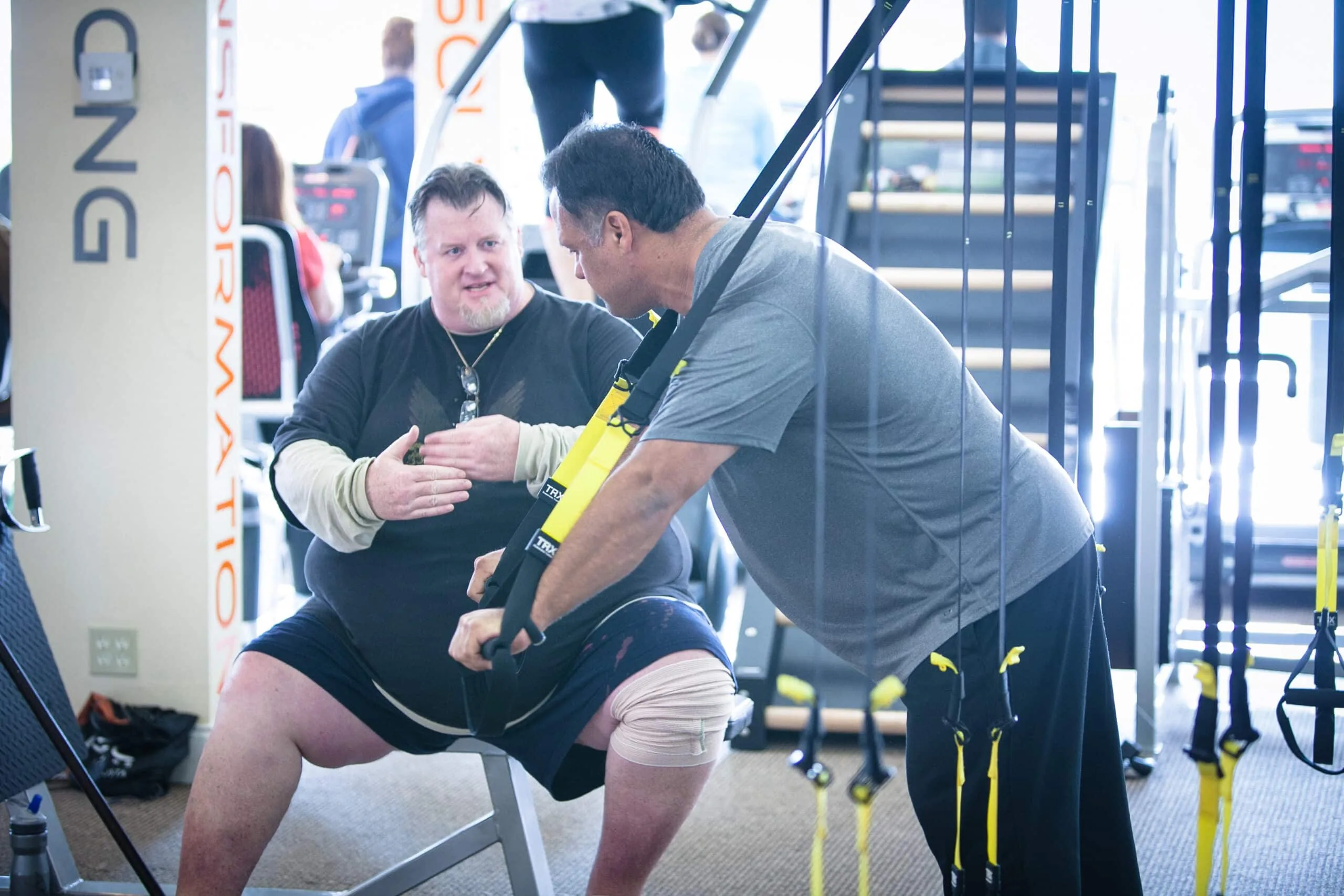
As Irene Tchaikovsky wrote in her Google review: “What began as a simple one-week reboot has transformed into a complete lifestyle shift. Premier Fitness Camp equips you with the knowledge, tools, and support to make meaningful — and sustainable — changes.” Kerri, who came to Premier Fitness Camp managing complications from Type 1 Diabetes, described it this way: “I immediately discovered little things starting to happen, like tying my shoes easier, breathing better, my posture had improved, I was standing taller. The confidence that came with all of those little wins had me realize it wasn’t so much about losing weight but what I was gaining. Strength, energy, a sense of fun.”
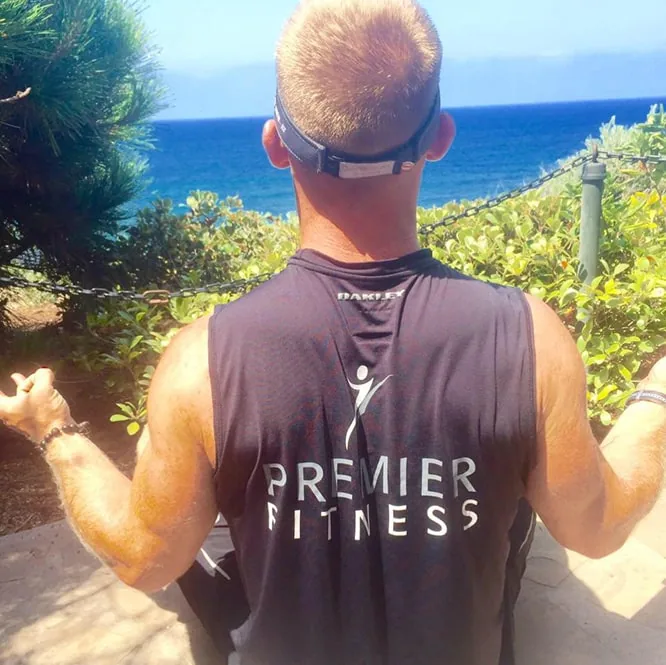
Premier Fitness Camp is a premium, in-person, live-in experience that requires time and financial investment. The table below shows how its weekly training volume compares with a traditional gym and an online app.
| Dimension | Premier Fitness Camp | Traditional Gym / Personal Trainer | Online App |
|---|---|---|---|
| Weekly Training Volume | 4–5 hours per day, 5.5 days per week | Typically 3–4 hours per week total | User-directed; no minimum enforced |
Explore Premier Fitness Camp Dates and Availability
Exercise alone produces meaningful reductions in blood glucose, fasting insulin, and A1C, and it improves insulin sensitivity for 24–72 hours after each session. The landmark Diabetes Prevention Program trial achieved its 58% risk reduction through a combination of 150 weekly minutes of moderate activity and 5–7% body weight loss. Exercise without any dietary change still helps, particularly when it replaces sedentary time and builds muscle mass, and the combination of movement and modest weight loss is significantly more effective than either alone. For most adults with prediabetes, exercise is the most important single habit to establish, and dietary changes that support gradual weight loss amplify its effect substantially.
The fastest evidence-based approach combines daily post-meal walking, two to three resistance training sessions per week, and dietary changes that produce 5–7% body weight loss. Fasting glucose reductions of 5–10 mg/dL are common within the first month of consistent training, and measurable A1C changes typically appear within 8–12 weeks. Breaking up prolonged sitting every 30 minutes with brief walking adds an independent glycemic benefit on top of scheduled workouts. Structured, immersive programs like Premier Fitness Camp accelerate the process by removing barriers to consistency and providing expert-led, data-driven accountability from day one.
Resistance training is a clinically validated intervention for prediabetes and not a secondary option. Skeletal muscle accounts for approximately 80% of insulin-stimulated glucose disposal, and every pound of muscle added permanently expands the body’s capacity to clear glucose from the bloodstream. A 2023 systematic review found that resistance training alone reduced fasting glucose by 4.6 mg/dL and improved insulin resistance markers in adults with prediabetes. The strongest outcomes come from combining resistance training with aerobic exercise, and a 2024 meta-analysis in Diabetes Care confirmed that combined training outperforms either modality alone. Two non-consecutive resistance sessions per week, using compound movements like squats, rows, and presses, is the minimum effective dose.
Fasting glucose typically begins to decline within the first two to four weeks of consistent exercise, with reductions of 5–10 mg/dL common in the first month. A1C, which reflects average blood glucose over approximately three months, typically shows measurable improvement within 8–12 weeks of consistent training. This timeline aligns with the 12-week plan outlined above. A1C is a lagging indicator, so improvements in insulin sensitivity, postprandial glucose control, and fasting glucose occur before the A1C number moves. Tracking multiple markers, as PFC does through its 17-point weekly report card, provides a more complete and motivating picture of progress than A1C alone.
Reversing prediabetes does not require athletic ability. It requires a clear progression: start with a 10-minute walk after meals this week, build to 150 minutes of moderate aerobic activity plus two strength sessions per week, protect your muscle along the way, and break up prolonged sitting every 30 minutes. That formula, supported by the CDC’s National Diabetes Prevention Program and decades of peer-reviewed research, cut diabetes risk by more than half in the largest trial ever conducted on prediabetes prevention.
For readers who want to go further, faster, and with expert support at every step, Premier Fitness Camp offers the same data-driven, expert-led program described above. The “Think, Eat, Move” philosophy, the luxury setting at the Omni La Costa Resort & Spa, and the 17-point weekly report card exist because lasting health transformation requires education, behavioral support, and a community that holds you accountable.
Start Your Premier Fitness Camp Consultation