 5-star Wellness Resort
 5-star Wellness Resort
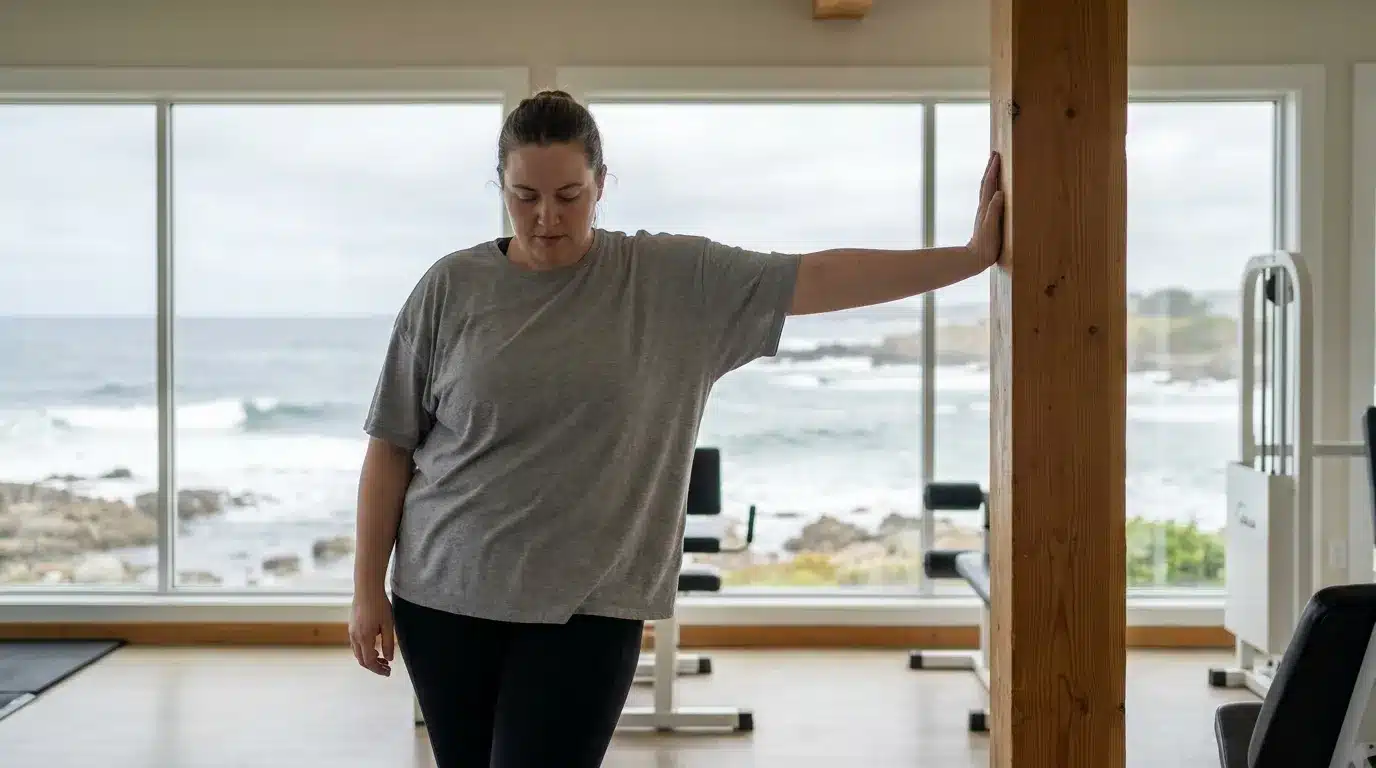
Written by: Chris Butt, Certified Personal Trainer & Weight Loss Coach, Premier Fitness Camp
Four pillars define a genuinely data-driven retreat. Most retreats deliver the first pillar and stop. The fourth pillar separates programs that produce verifiable outcomes from programs that only generate impressive-looking paperwork.
Many retreats highlight devices and brand names. Fewer explain what each test measures or how a full protocol differs from a one-time screening. The sections below outline what the main tests reveal.
A standard lipid panel measures total cholesterol, LDL, HDL, and triglycerides. These markers form the basic cardiovascular risk picture. An expanded panel adds high-sensitivity C-reactive protein (hs-CRP), which captures low-level systemic inflammation that standard CRP tests miss. Research across more than 160,000 individuals found that each standard deviation increase in hs-CRP was associated with a 37% higher risk of coronary heart disease and a 55% higher risk of cardiovascular death.
HbA1c reflects average blood glucose over the prior two to three months, which offers a more informative window than a single fasting glucose draw. An estimated 27.6% of U.S. adults with diabetes are undiagnosed, and HbA1c can identify prediabetes before symptoms appear.
Cortisol is the body's primary stress hormone. Measuring it across a full 24-hour saliva curve, rather than a single blood draw, captures circadian-rhythm disruption and chronic stress load that a snapshot reading misses. Chronic cortisol dysregulation has cascading effects on metabolism, immune function, and hormonal balance. Both high and low cortisol create clinical patterns that influence how other markers in a panel should be interpreted.
A complete hormone panel covers total and free testosterone, estradiol, DHEA-S, and a full thyroid panel of TSH, Free T3, and Free T4. Total testosterone alone can be misleading because free testosterone reflects what is biologically available and active. Estradiol affects bone density, cardiovascular health, cognitive function, and mood, and its decline in perimenopause often precedes symptoms by years. Testing TSH alone misses whether the body converts thyroid hormone properly. Free T3 and Free T4 complete that picture.
Epigenetic age testing estimates biological age independent of chronological age. This distinction matters when lifestyle has either accelerated or slowed the aging process relative to birth year.
WHOOP and Oura Ring capture heart rate variability, sleep stages, and strain. Both work well for tracking trends over time. A 2026 narrative review published in Sensors by researchers at the University of Michigan and Hope College found that consumer wearables derive pulse rate variability from photoplethysmography (PPG) rather than measuring HRV in its clinical electrophysiological sense. The review concluded that pulse rate variability should not serve as a clinical surrogate for ECG-derived HRV.
The same review found that smartwatch sleep tracking performs well for binary sleep-versus-wake detection but that multi-stage classification is considerably weaker, with sleep-stage sensitivity ranging from roughly 50–86%. Wearables work best for tracking longitudinal trends and overall autonomic balance. They do not replace diagnostic instruments.
The 112-participant study published in PMC (PMC7411743) found that continuous wearable-ECG HRV monitoring reflected participants' demographic and physiological characteristics, quantified diurnal variations, and showed a statistically significant increase in HRV ALF during the wellness center visit. The study also documented distinct individualized responses to intervention. These findings reinforce the value of wearables for tracking directional change over time while underscoring that a single reading carries limited diagnostic weight.
A one-time screening shows where you are on a given day. A true before-and-after protocol uses the same tests at baseline and after the intervention to show measurable change. If your results do not change your plan, you essentially paid for entertainment. Most retreat programs stop at the screening stage. Programs worth serious consideration commit to re-measurement.
The pattern that separates these programs appears clearly in the table below. Nearly all of them measure a baseline and many track continuously, but very few commit to formal re-testing after you leave. Every data point is drawn from the sources cited.
| Program | Baseline Measurement | Continuous Tracking | Formal Post-Stay Re-Measurement |
|---|---|---|---|
| Sensei Lānaʻi | WHOOP shipped pre-arrival; on-site fitness assessment including VO2 max, gait, and vertical jump; "My Intention" health assessment with a Sensei Guide | WHOOP wearable throughout stay; plan fine-tuned with Guide during stay | Concluding "My Plan" session; Guide to Growth report; two post-stay calls. No documented re-blood-test protocol. |
| Sensei At Zadún | Same Sensei measurement architecture as Sensei Lānaʻi, with an integrated team of exercise physiologists, nutritionists, and mindset professionals who measure key biomarkers, co-create a personalized itinerary, and fine-tune practices as part of its Optimal Wellbeing Program | Same Sensei wearable and Guide model | Rest and Reset Program includes a concluding My Plan session with a Guide to Growth take-home report. Zadún documents ongoing MyJourney portal access rather than a standard biomarker re-test. |
| Six Senses (Select Properties) | Advanced biomarker panels and epigenetic diagnostics at RoseBar longevity clinic (Six Senses Ibiza) | Oura Ring tracking during stay | Properties document ongoing monitoring and measurement of environmental efforts, including GHG Protocol tracking, Cornell Hotel Sustainability Benchmarking, and GSTC-recognized guidelines. They do not document post-stay re-measurement as a standard protocol across properties. |
| RAKxa | Detailed health profiles completed weeks before arrival; continuous biomarker analysis in partnership with VitalLife, the longevity division of Bumrungrad Hospital | Continuous biomarker analysis during stay | RAKxa's programme pages describe an initial Health and Wellness Consultation and a follow-up consultation whose frequency and number depend on each individual. They do not describe a standard post-departure re-test protocol, though third-party sources note remote follow-up after departure. |
| Chenot Palace Weggis | Assessment required as entry condition: metabolic profiling, biomarker analysis, stress-response measurement, body-composition testing | Structured daily monitoring within the Chenot Method framework | Documents pre- and post-stay biomarkers showing improvements in inflammation markers, oxidative stress, and body composition, according to Travel & Spa Magazine |
Slow Mallorca's 2026 before-and-after WHOOP-and-bloodwork experiment illustrates a genuine re-measurement protocol. The same wearable and blood markers were assessed before and after the program, producing a documented comparison rather than a summary report. Slow Mallorca remains one of the few retreat-format programs to publish that kind of before-and-after data explicitly.
The pattern across these programs stays consistent. Baseline measurement appears in nearly every premium retreat. Continuous wearable tracking is common. Formal biomarker re-measurement after departure remains rare, with Chenot Palace Weggis standing out among the programs listed above.
Measurement rigor also affects price. Data-driven wellness retreats sit in the mid to upper price bands of the retreat market because testing, clinical staff, and follow-up are bundled into the stay. Mid-tier wellness weeks typically run $2,500–$5,500 for five to seven nights, while functional medicine or medical detox retreats can reach $6,000–$15,000 for seven to fourteen days. Premier Fitness Camp runs approximately $6,000 per week, all-inclusive, covering luxury accommodations at the Omni La Costa Resort, all meals, all fitness and education programming, health assessments, weekly report card tracking, and three spa treatments per week.
Insurance coverage rarely offsets these costs. The IRS generally treats most wellness retreats as personal wellbeing and recreation rather than medical care, even when the experience feels therapeutic. HSA and FSA reimbursement hinges on diagnosis and prescriber documentation, not the retreat label.
The narrow cases where reimbursement is possible include the following:
A practical way to compare programs uses cost-per-measurable-outcome. Compare the all-in total against the documented data, follow-up, and verifiable change you receive. A program that produces 17 tracked data points weekly, a DEXA-validated body composition result, and a documented before-and-after comparison offers a different value than a program that produces only a summary report on departure day. Premier Fitness Camp offers 0% financing for up to six months with no down payment, and multi-week discounts are available.
Lasting change comes from sustained tracking and behavior, not a single week of data. The real results happen at home: the trip can diagnose blind spots, remove decision fatigue, give you structure, and kickstart momentum, yet the plan must fit your real life or you will drift back within a month. Sustained measurement, including weekly body composition, blood markers, and fitness benchmarks, supports long-term change. That approach requires a program built around continuous re-measurement rather than a single diagnostic event.
Premier Fitness Camp provides one example of this model for readers who want objective, durable results. Located at the Omni La Costa Resort & Spa in Carlsbad, California, on 450 acres of Southern California coast, Premier Fitness Camp operates on a "Think, Eat, Move" philosophy that addresses the whole person. Behavioral health, nutrition education, and physical training occur together, delivered by licensed psychologists, registered dietitians, wellness chefs, and certified trainers.

Each client's progress is tracked across 17 data points weekly via a personalized Report Card: weight; body fat; measurements of neck, waist, umbilicus, upper arm, chest, hip, and quad; systolic and diastolic blood pressure; mile time; plank hold time; number of push-ups; and LDL, HDL, triglycerides, and glucose. An optional DEXA scan, the gold standard for body composition measurement, is available for clients who want the most precise before-and-after comparison. Trainers maintain a 3–4:1 client-to-trainer ratio in every session.
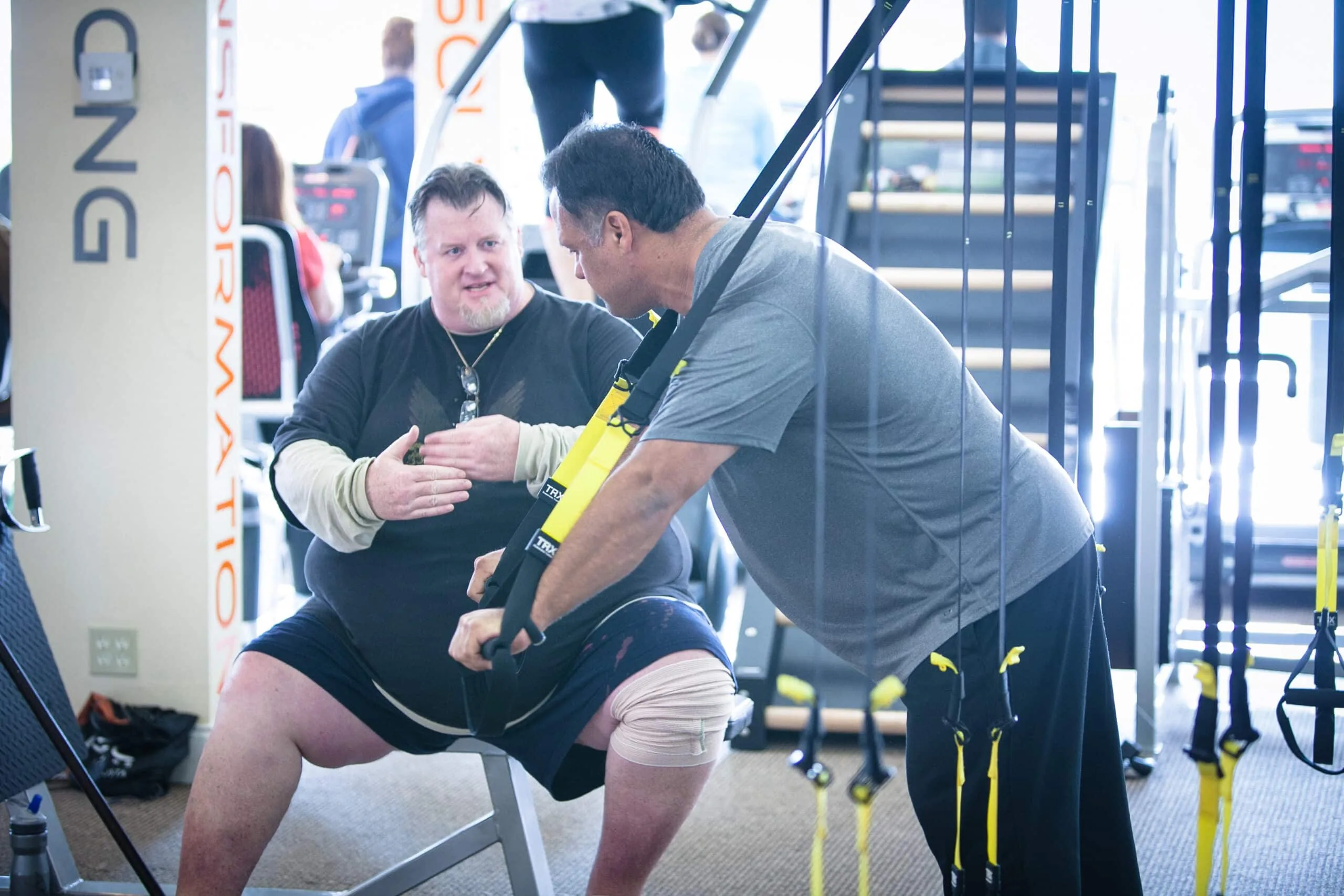
A case study conducted in partnership with the University of California, San Diego (UCSD) evaluated Premier Fitness Camp participants who stayed four or more weeks and received DEXA scans at the start and end of their program. The finding: 94% of total weight loss was purely fat, compared to the 60/40 fat-to-muscle ratio typical of standard dieting. Most long-term Premier Fitness Camp clients not only maintained their lean muscle stores but increased them. A meta-analysis of studies in adults with overweight and obesity found that adding resistance training to a calorie-restricted diet prevented 93.5% of the muscle loss that occurred with dieting alone. Premier Fitness Camp's program aligns with this mechanism.
The luxury environment supports this level of effort. Carlsbad offers moderate temperatures year-round with low humidity, which enables daily outdoor training that many programs cannot match. Clients train four to five hours per day in a setting that includes beach boot camps on the Pacific coast, hikes through Torrey Pines and Batiquitos Lagoon, stand-up paddleboarding, and kayaking. These sessions pair with the La Costa Spa, gourmet farm-to-fork meals prepared by Premier Fitness Camp's wellness chefs, and three included spa treatments per week. The environment makes sustained effort feel achievable.
Premier Fitness Camp has earned 1,200+ reviews with a 90%+ five-star rating, and 50% of annual revenue comes from returning alumni. That pattern reflects satisfaction with outcomes as well as the experience.

"What began as a simple one-week reboot has transformed into a complete lifestyle shift. Premier Fitness Camp equips you with the knowledge, tools, and support to make meaningful — and sustainable — changes." — Irene Tchaikovsky, Google Review
This checklist turns the four-pillar framework into concrete questions you can use with any retreat.
Timelines differ by marker and by goal. Some markers shift quickly, while others require months of consistent work.
Subjective changes in energy, sleep quality, and mood often appear sooner than visible body changes. A three- to four-week window usually provides enough time to assess whether a plan works and to make adjustments, rather than to see full results. At Premier Fitness Camp, clients tracking 17 data points weekly often see improvements in blood pressure, cholesterol, mile time, and push-up count before the scale shows the complete picture. Lasting behavioral change, which prevents weight regain, typically requires longer immersion. Some research suggests around 21 days as a common benchmark for habit formation.
Data-driven wellness retreats range from four-day programs at approximately $3,000 per person, such as Mountain Longevity Retreat's Peak Protocol, to Canyon Ranch's four-day LONGEVITY8 at $22,000 per person. Week-long medical programs often cost $6,000–$20,000 or more, depending on diagnostic depth, clinical staff involvement, accommodation level, and follow-up.
Premier Fitness Camp runs approximately $6,000 per week, all-inclusive, with 0% financing available for up to six months and multi-week discounts for longer stays. The time commitment at Premier Fitness Camp is four to five hours of structured training per day, Monday through Friday, with a half day on Saturday. This immersive schedule produces results that most part-time programs cannot match. Many clients book one week and extend on-site after experiencing the program firsthand.

Premier Fitness Camp conducts a comprehensive baseline assessment on arrival that covers blood work, vital signs, body composition, BMI, measurements, and a fitness test. Before attending any intensive residential program, consult your primary care physician, especially if you have cardiovascular disease, uncontrolled diabetes, recent surgery, or any condition that affects exercise tolerance.
Clients on medications, including GLP-1 agonists, should disclose these to the program team before arrival so that nutrition and training protocols can be adjusted appropriately. Premier Fitness Camp's team works with clients across a wide range of health profiles, from 400-pound beginners to seasoned athletes, and adapts programming accordingly.
Age influences recovery time, hormonal baseline, and the ratio of fat to muscle loss during a calorie deficit. A data-driven program should account for these factors in its individualization model. Clients in their 40s, 50s, and 60s often see dramatic improvements in blood markers and body composition because their baselines have more room to improve.
Current fitness level affects starting intensity but not eligibility. Premier Fitness Camp's 3–4:1 trainer ratio and all-levels class structure allow a client who can only walk 250 feet and a client who trains four times a week to share a session while both remain appropriately challenged. GLP-1 medications (Ozempic, Wegovy, and similar) can suppress appetite and accelerate initial weight loss, yet without structured resistance training and adequate protein intake, a significant portion of that weight loss comes from lean mass rather than fat. Premier Fitness Camp's program is designed to preserve and build lean muscle during a calorie deficit, which aligns with the UCSD case study's fat-loss finding.
Weekly data tracking provides objective guidance. At Premier Fitness Camp, the weekly Report Card review with a trainer highlights which markers improve, which plateau, and which suggest a need for a modified approach. Adjustments may include changes to training intensity, nutrition targets, or recovery strategies.
Warning signs that an intensive wellness routine needs modification include ongoing fatigue that does not improve with reasonable rest, persistent soreness or declining performance, and sleep, weight, or symptoms moving in the wrong direction. These patterns warrant a physician-guided review rather than endless self-experimentation. Signs that progression is appropriate include consistent improvement across tracked data points, stable or improving energy, and fitness benchmarks trending upward. The data removes guesswork, which defines a genuinely data-driven program.
Data-driven functions as a claim, not a protected category. A retreat earns that label only when it measures a baseline, tracks continuously, individualizes programming from that data, and re-measures afterward. Many programs stop after the initial screening. The fourth pillar, follow-up re-measurement, separates programs that produce verifiable outcomes from programs that only generate intake paperwork.
Readers who want objective, lasting results benefit from applying this four-part audit framework to every retreat they consider. Look for clear baselines, continuous tracking, visible individualization, and documented re-testing. Premier Fitness Camp offers one concrete example of this approach, with weekly multi-metric tracking, the UCSD case study's fat-loss result, a tight trainer ratio, a supportive environment, and strong alumni loyalty.