 5-star Wellness Resort
 5-star Wellness Resort
Written by: Chris Butt, Certified Personal Trainer & Weight Loss Coach, Premier Fitness Camp
Start Building Your Adventure Fitness
The Adventure Travel Trade Association’s 2026 Adventure Travel Trends & Insights report found that hiking, trekking, and walking remain the most in-demand adventure activities globally. Operators now favor smaller, more tailored groups instead of high-volume departures. The ATTA’s president notes that success in today’s market comes from running better trips, not bigger ones, which suits adults who want expert-led, paced experiences over crowded itineraries.
Spending patterns reinforce this shift toward higher-quality trips. AARP’s 2026 Travel Trends survey found that expected travel spend among adults 50-plus rose to $7,292 in 2026, with 86% ranking travel among their top three discretionary spending priorities. That willingness to invest shows up clearly among Generation X travelers aged 45–60, who record the highest per-trip spending in the geotourism market at an average of $4,200 per person. They prioritize comfort, expert guidance, and meaningful geological education, which explains why luxury geotourism accommodations and private guide experiences command premium pricing of $5,200 to $7,400 per person.
A parallel shift is happening in fitness. Many adults planning bucket-list trips in 2026 are navigating a post-GLP-1 reality. They lost weight on medication and now need to rebuild lean muscle and cardiovascular capacity before a demanding trip. Others are responding to a recent health wake-up call. Physical readiness now sits at the center of adventure planning, not the margins.
Two 2026 freshness signals matter for planning. Inca Trail permits are capped at roughly 500 entrants per day, leaving about 200 slots for actual trekkers, and peak May–August dates sell out within days of release, which requires bookings four to six months ahead. Antarctica expedition cruises operate primarily from November through March, and December and January represent the most competitive booking periods.
Trekking is the dominant adventure category globally, representing a major share of adventure tourism activity. The physical demands vary significantly by route.
The W Trek in Torres del Paine covers roughly 43 miles over approximately five days, with daily hiking windows of roughly 6 to 10 hours and days like the Francés-to-Paine-Grande stage taking 9–10 hours. Relentless Patagonian wind defines the challenge. Difficulty is moderate-to-challenging, driven by weather and distance rather than technical climbing, and refugio beds must be booked months in advance for the December–February peak season.
The classic Inca Trail covers 43 kilometers over four days, with the hardest day climbing to Dead Woman’s Pass at 4,215 meters, a seven-to-eight-hour effort on steep stone steps. Altitude is the biggest variable. Acclimatizing in Cusco for at least two to three nights before starting is standard practice.
Kilimanjaro routes vary in length and summit success rates. The 8-day Lemosho route delivers 90–95% summit success, while the 5-day Marangu route delivers only 50–65%, which makes route length a key predictor of reaching the summit. The practical daily demand is roughly five to seven hiking hours for six to nine consecutive days while carrying a daypack.
Treks demand sustained consecutive hiking days, significant elevation gain, altitude management, and the ability to recover overnight and perform again the next morning.
Multi-sport trips combine hiking, cycling, and kayaking across destinations like Moab, Utah and Costa Rica’s Arenal corridor, where heat and humidity amplify fatigue quickly. These trips involve full activity days across varied movement patterns. They usually avoid the altitude concerns of high-altitude treks but introduce their own demands. Travelers need cardiovascular range across disciplines, heat tolerance, and the ability to switch between activity types without a recovery day.
African safari and Galápagos wildlife expeditions carry lower raw intensity than trekking but involve long days on your feet, shore landings, and variable conditions. G Adventures classifies its East Africa gorilla trekking itinerary as Physical Grading 4 — Demanding, which requires excellent physical condition for steep terrain and humid rainforest trekking. Antarctica expedition cruises, typically lasting about 10–21 days and costing roughly $5,000–$15,000, depending on voyage length and operator, add cold conditions and zodiac shore landings to the physical picture.
Sea kayaking, whitewater rafting, and diving demand upper-body endurance, comfort in water, and, for rafting and open-water kayaking, the confidence that comes from preparation rather than improvisation. In Costa Rica, certified guides reduce injury rates by 70–85% compared to unsupervised activities, with guided tours reporting injury rates below 5%, which makes operator selection as important as physical preparation for this category.
The table below summarizes how the four adventure types compare on trip length, daily activity hours, and booking requirements, so you can match a category to your available time and preparation window.
Across all four categories, the common thread is repeatability, or the ability to perform again the next day. For multi-day treks, that demand is most intense, which is why trek readiness deserves its own framework.
The benchmark for multi-day trek readiness is a set of functional questions. Can you hike eight miles with meaningful elevation gain, carry a loaded daypack for several hours, and recover comfortably enough to do it again the next day? REI recommends completing several day hikes of similar difficulty to the planned trip, wearing a pack loaded with 30-plus pounds, as the most reliable preparation test.
For a Kilimanjaro-level expedition, a six-month preparation timeline is commonly recommended, though experienced hikers may compress it to three to four months and those starting from a sedentary baseline may need longer. Active adults preparing for a conventional multi-day trek can often build readiness in 8–12 weeks. A practical training framework includes two to three weekly aerobic sessions, two strength sessions targeting legs and core, and progressively longer hikes with a weighted pack. In the final weeks before departure, back-to-back hiking days become the focus.
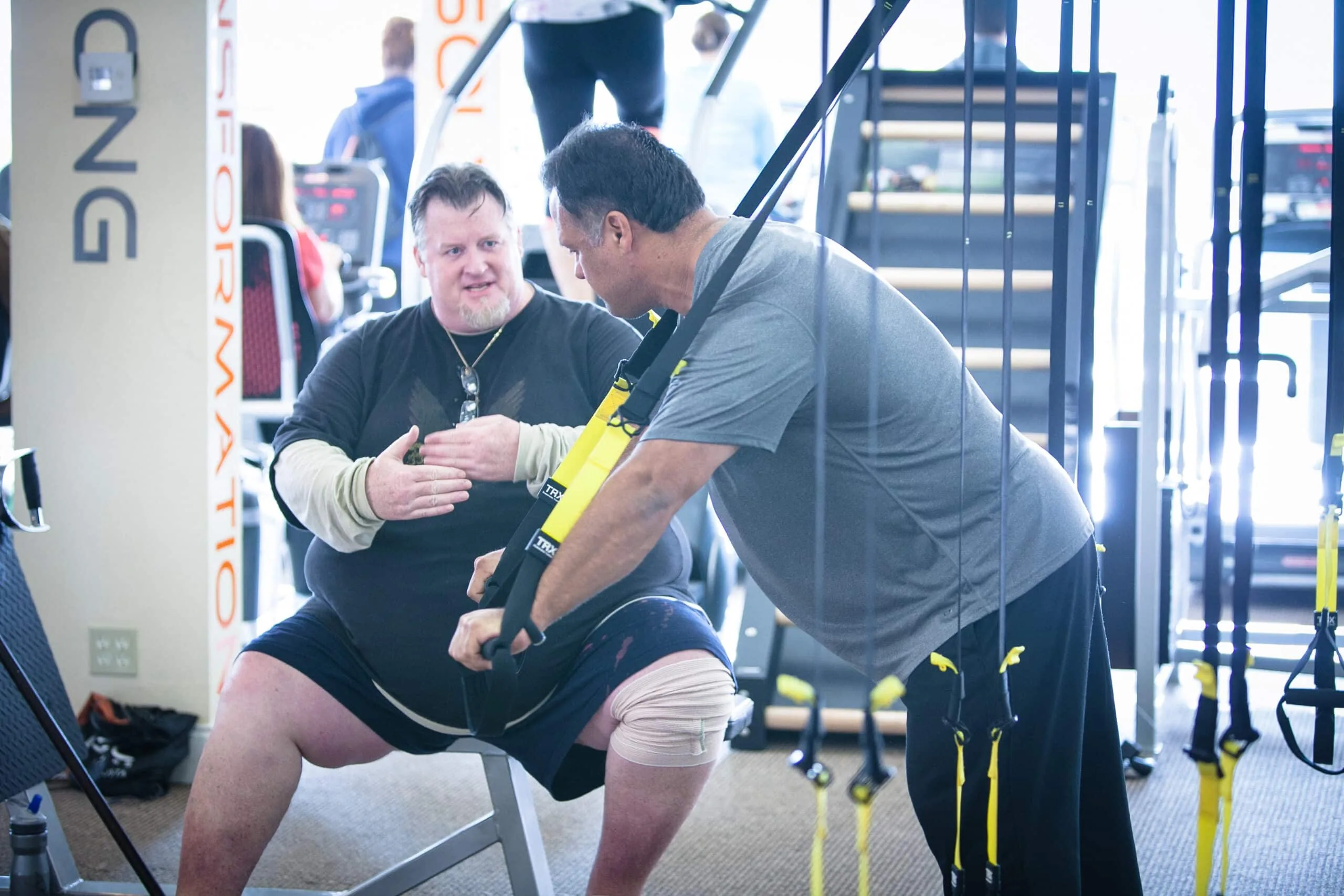
Most adventure content skips this preparation window. Destination listicles describe where to go, and operator pages describe what to expect on arrival. Very few resources explain what to do in the months before departure to make the trip achievable instead of merely booked. Premier Fitness Camp focuses on that preparation gap.
Premier Fitness Camp is an all-inclusive, expert-led fitness and weight loss program at the Omni La Costa Resort & Spa in Carlsbad, California, built on the “Think, Eat, Move” philosophy. Clients train four to five hours per day, Monday through Friday, with a 3–4:1 client-to-trainer ratio and trainers who hold bachelor’s and master’s degrees. A UCSD case study, which evaluated participants who stayed four or more weeks and received DEXA scans at the start and end of their program, found that 94% of client weight loss was purely fat while lean muscle was preserved or increased. Standard dieting typically produces a 60/40 fat-to-muscle loss ratio, and many aggressive weight loss programs see a 50/50 split, so Premier Fitness Camp’s result directly supports adventure readiness, where muscle mass drives performance and recovery across consecutive demanding days.

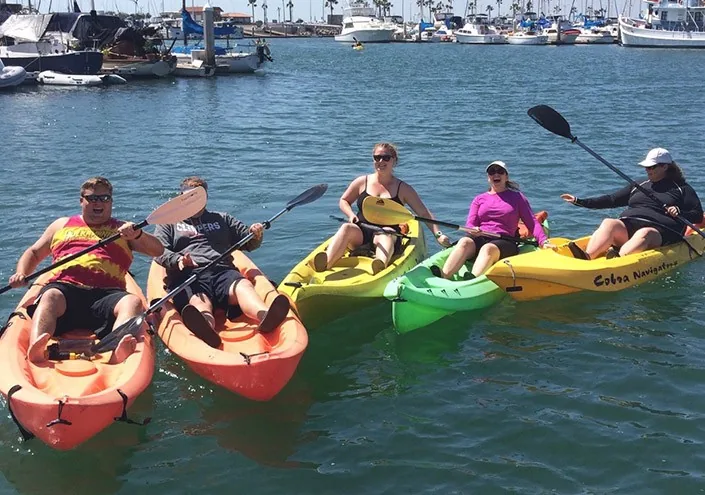
Premier Fitness Camp’s outdoor training program doubles as adventure-trip rehearsal. The schedule includes beach workouts on the Pacific coast, hikes at Torrey Pines, Double Peak Park, and Batiquitos Lagoon, plus stand-up paddleboarding and kayaking. These sessions replicate the movement patterns, terrain types, and cardiovascular demands that treks and multi-sport trips require. Premier Fitness Camp also serves adults who have used GLP-1 medications and need to rebuild lean muscle before a demanding trip, using a science-backed approach that emphasizes resistance training, protein intake, and sustainable habit formation.
Coaches track seventeen data points weekly in a personalized report card, including weight, body fat, measurements, blood pressure, cholesterol, glucose, mile time, push-ups, and plank hold. Progress toward adventure readiness becomes visible and measurable instead of guesswork.
Operator selection shapes the physical experience as much as destination choice. Adults in their 30s, 40s, and 50s usually choose among a few clear categories.
Intrepid Travel and G Adventures offer a broad range of itineraries at varied comfort levels and group sizes, with strong value and global reach. G Adventures’ National Geographic Journeys trips cap groups at 16 with an average of 12 participants, and its physical grading system includes ratings such as Average (Grade 3) and Demanding (Grade 4), depending on the itinerary. Backroads and Active Adventures sit at the higher-comfort, activity-focused end of the market, with more curated pacing and accommodation. Flash Pack markets specifically to travelers in their 30s and 40s, with a social-first group dynamic.
Group trips suit solo adults who want built-in company and logistics handled end-to-end. Independent travel suits confident, experienced travelers who want full control over pacing and itinerary. For adults managing a health condition or returning to demanding activity after a period of lower fitness, guided group travel with a reputable operator provides a meaningful safety margin. In Costa Rica, certified guides reduce injury rates by 70–85% compared to unsupervised activities, with guided tours reporting injury rates below 5%.
AARP’s research found that 29% of adults 50-plus travel with a disability, physical condition, or chronic health issue that makes travel difficult, with mobility challenges cited most often. Choosing an operator whose physical grading matches current fitness, rather than aspirational fitness, is often the most consequential pre-booking decision an adult traveler makes.
For a deeper look at active vacation destinations matched to different fitness levels, see Best Active Vacation Destinations for Adults: 2026–2027.
Not every bucket-list adventure requires two weeks and a permit. Time-constrained adults have strong options in the three-to-four-day range that still reward deliberate preparation.
Even short trips expose fitness gaps that longer preparation would have closed. A single ambitious day hike only shows whether you can hike while fresh. It does not reveal how the body handles consecutive days of effort, which is the central demand of any multi-day adventure.
On cost and timing, the median price of an adventure operator’s most popular itinerary was $2,250 for seven nights. Guided treks in South America range from about $700 per person for a four-day Inca Trail package in Peru to $2,500+ per person for a guided W Trek in Torres del Paine, Chile, depending on route and operator tier. Premium guided W Trek packages often exceed $2,500, reaching roughly $2,900–$3,740. Permit windows for the Inca Trail open in batches and sell out months ahead for peak season. W Trek refugio beds for December–February should be booked two to six months ahead. Shoulder seasons, April, September, and October for the Inca Trail and November and March for Patagonia, offer fewer crowds and more booking flexibility.
For wellness-focused travel that complements adventure preparation, see Best Wellness Vacation Retreats for Adults in 2026.
The adventure you want and the adventure you are ready for often differ, yet deliberate preparation can close that gap. Every category covered here, from a five-day W Trek in Patagonia to a gorilla trekking expedition in Uganda, has a fitness floor. Travelers who enjoy these trips most usually prepared specifically for what the itinerary demands, including consecutive days of effort, loaded pack weight, elevation gain, and recovery under real conditions.
Training eight to twelve weeks out, with progressive hiking, strength work targeting legs and core, and back-to-back hiking days in the final weeks, is a proven framework. Adults building toward a more demanding expedition, or rebuilding fitness after a period of inactivity or GLP-1 use, benefit from a structured immersive program that accelerates preparation beyond what a gym membership or weekend hikes alone can deliver.
Premier Fitness Camp’s “Think, Eat, Move” program at the Omni La Costa Resort & Spa in Carlsbad, California builds the strength, endurance, and hiking conditioning that treks and multi-sport trips require. The program combines outdoor training on Pacific coast terrain, a 3–4:1 trainer-to-client ratio, and the UCSD-validated 94% pure fat-loss result mentioned earlier, where lean muscle was preserved or increased. With over 1,200 reviews and a 90%+ five-star rating, Premier Fitness Camp gives adults a practical way to align their fitness with the adventures they want to book.
For a full review of Premier Fitness Camp alongside other leading adult fitness programs, see Best All-Inclusive Fitness Retreat Reviews For Adults 2026.
Talk With A Premier Fitness Coach
Timing depends on the destination and season, but most trips require earlier booking than many travelers expect. The classic Inca Trail caps trekker permits at roughly 200 per day and, as noted earlier, the 500 daily entrants include guides and porters. Peak-season dates in May through August sell out within days of permit release, so booking four to six months ahead is a realistic minimum. The W Trek in Torres del Paine requires a confirmed night-by-night refugio chain before purchasing flights, with peak-season beds selling out two to six months in advance. Antarctica expedition cruises for December and January, the most stable weather window, are also competitive booking periods. For any bucket-list trip with a permit cap or limited accommodation, securing the core reservation before arranging flights is the safest sequence.
The practical benchmark is functional rather than athletic. You need to hike about eight miles with meaningful elevation gain, carry a loaded daypack for several hours, and recover well enough to repeat the effort the next day. For the Inca Trail, the hardest day involves seven to eight hours of climbing to Dead Woman’s Pass at 4,215 meters, so altitude management and consecutive-day endurance matter more than peak speed. For Kilimanjaro, the daily demand is roughly five to seven hiking hours for six to nine consecutive days, and a six-month preparation timeline is standard for most adults, with experienced hikers sometimes compressing this to three to four months. The central physical demand of any multi-day trek is repeatability, which is why gym fitness alone, without progressive hiking and back-to-back training days, often leaves trekkers underprepared.
Premier Fitness Camp is well-suited to adults who want to prepare for adventure travel. The program builds strength, endurance, and hiking conditioning through four to five hours of daily training Monday through Friday, with a 3–4:1 client-to-trainer ratio and highly educated trainers. Outdoor training at Premier Fitness Camp, including beach workouts on the Pacific coast, hikes at Torrey Pines, Double Peak Park, and Batiquitos Lagoon, plus stand-up paddleboarding and kayaking, mirrors the movement patterns and terrain demands of adventure travel. The UCSD case study showing that 94% of client weight loss was purely fat while lean muscle was preserved or increased provides the physiological foundation that demanding trips require. Premier Fitness Camp also supports adults rebuilding fitness after GLP-1 medication use, with a science-backed approach that prioritizes muscle preservation alongside fat loss. Stays start at one week, and many clients extend once they experience the program’s results.
Soft adventure covers activities with moderate physical demands and lower technical risk, such as guided hiking, wildlife safaris, kayaking on calm water, e-biking, and cultural immersion trips. Hard adventure involves higher intensity, greater technical skill, or elevated risk, such as mountaineering, whitewater rafting on Class IV–V rivers, and backcountry expeditions. Soft adventure represents roughly 51% to 65% of the adventure tourism market, depending on the source, and is growing faster because it attracts a broader demographic, including middle-aged travelers. The typical guest on an ATTA operator’s trip is 45–64 years old, per the 2025 Adventure Travel Trends & Insights report. The right category depends on current fitness, experience, and available preparation time. Many adults who assess their current fitness honestly find that soft adventure delivers a genuinely challenging and rewarding experience, with room to progress toward harder categories on later trips.
The key variables are physical grading, group size, comfort level, and age mix. Intrepid Travel and G Adventures offer broad itinerary ranges with physical grading systems that span from average to demanding, so reviewing each departure’s specific rating matters more than relying on the operator’s general reputation. Backroads and Active Adventures sit at the higher-comfort end, with more curated pacing and accommodation. Flash Pack targets travelers in their 30s and 40s with a social-first format. For solo adults, group trips provide built-in company and handled logistics. For experienced travelers who want full control over pacing, independent travel remains an option. Adults managing a health condition or returning to demanding activity after a fitness gap benefit most from guided group travel with a reputable operator, where professional guides can pace the group appropriately and make informed decisions about turnaround points and safety margins.