 5-star Wellness Resort
 5-star Wellness Resort

Written by: Chris Butt, Certified Personal Trainer & Weight Loss Coach, Premier Fitness Camp | Last updated: August 22, 2026
Sustainable weight loss begins before the first workout. A retreat that skips mindset work treats the symptom, excess weight, without addressing the thought and behavior patterns that created it. Programs that invest in readiness assessment and psychological preparation produce clients who understand their own triggers. Those clients set realistic expectations and persist through the plateaus that are common in weight-loss programs.
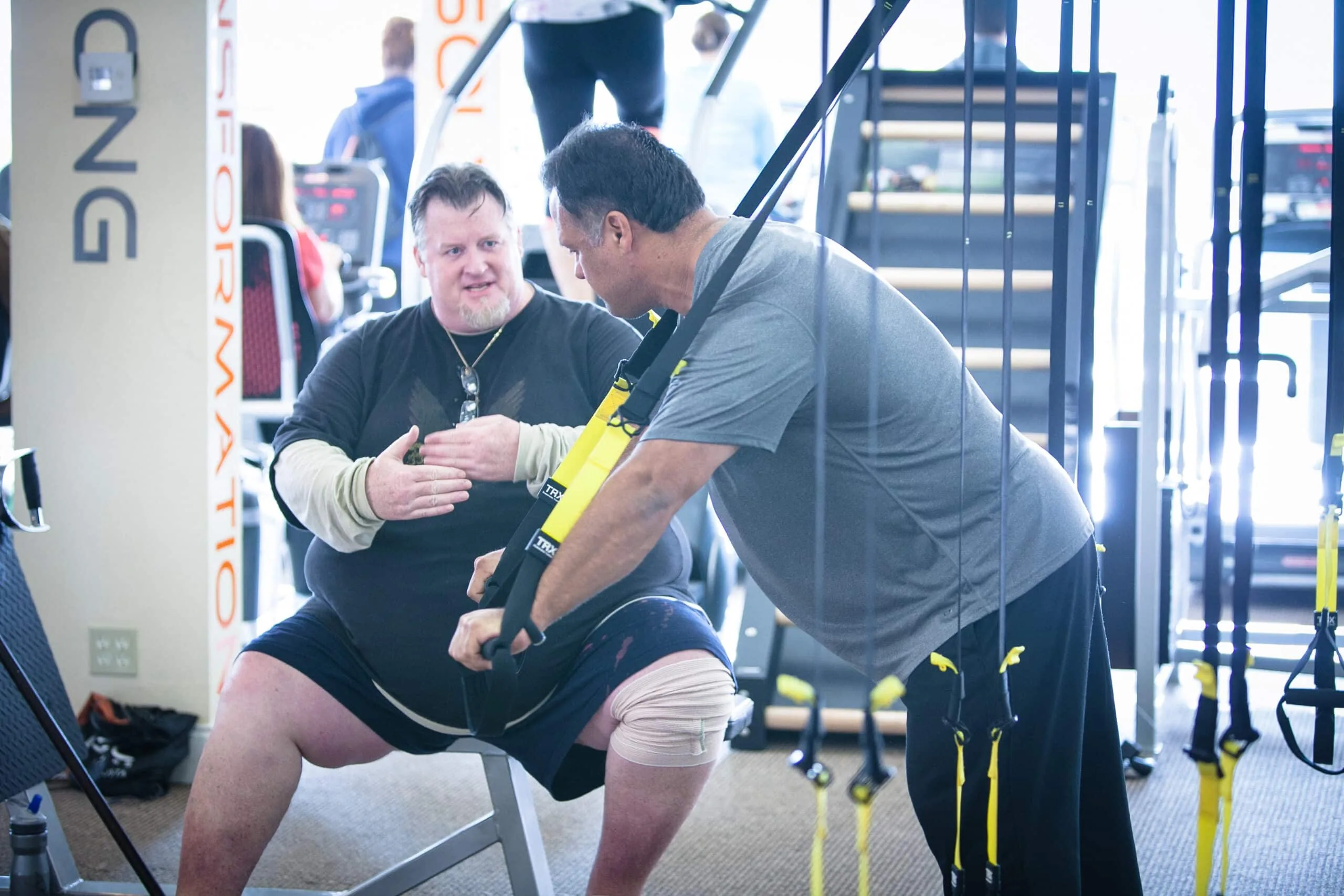
Ask whether licensed mental health professionals are on staff, not just fitness coaches, and whether the program includes structured sessions on motivation, self-monitoring, and relapse prevention. Mindset work requires individual attention, so the program maintains a low client-to-trainer ratio across all sessions to support personalized psychological coaching. That individualized approach has earned more than 1,200 reviews with a 90%-plus five-star rating, reflecting a culture where people feel genuinely supported rather than processed through a generic schedule.
A retreat that hands a client a meal plan without teaching the principles behind it creates dependency instead of capability. Registered dietitians, cooking demonstrations, and workshops on macronutrients, portion control, and grocery shopping help clients replicate healthy eating at home. Combined behavioral weight-management programs that include self-monitoring produce superior results compared with diet-only or exercise-only interventions, and nutrition education forms the base of that self-monitoring skill.
Ask any retreat whether meals are prepared on-site by credentialed wellness chefs using fresh ingredients, or whether food comes from an off-site kitchen with limited nutritional transparency. At Premier Fitness Camp, the farm-to-fork meal program is designed and executed by registered dietitians and wellness chefs on the resort campus. Clients participate in 4–5 hours of daily training Monday through Friday alongside dedicated nutrition workshops, so education and experience reinforce each other all day.

Exercise composition matters more than sheer volume. Resistance training produces greater improvements in muscle mass and fat loss than cardio alone in adults over 40, and a nine-month resistance training program produced an average 5% increase in resting metabolic rate. Resting metabolic rate functions as the body’s engine and strongly influences whether weight stays off long-term. A cardio-only retreat may produce short-term scale changes while quietly accelerating the muscle loss that drives regain.
Ask whether the program integrates resistance training, interval work, and progressive overload, not just group cardio classes. Resistance training preserves lean muscle mass during calorie restriction, which helps explain why clients at Premier Fitness Camp average 3–4 pounds of fat loss per week. A UCSD case study found that 94% of total weight lost by participants was purely fat, compared to the 60/40 fat-to-muscle ratio typical of standard dieting programs. That outcome comes from a program design that prioritizes muscle preservation through varied, progressive training delivered by trainers who hold bachelor’s and master’s degrees.

Emotional eating, stress-driven food choices, and limiting beliefs about personal capability are not willpower problems. They are behavioral patterns with identifiable triggers. Structured behavioral weight-management programs that include goal setting, stimulus control, problem solving, and relapse-prevention planning consistently outperform diet or exercise interventions alone. A retreat without licensed behavioral health professionals on staff leaves the most durable driver of regain unaddressed.
Ask whether the program employs licensed psychologists, not just wellness coaches, and whether group workshops on emotional eating and behavioral triggers form part of the core curriculum rather than optional add-ons. The “Think, Eat, Move” philosophy at Premier Fitness Camp places behavioral health at the center of the program. Licensed psychologists lead workshops on emotional eating, life-work balance, and limiting beliefs, and they also provide one-on-one counseling sessions for clients who need deeper support.

The physical environment of a retreat is not a luxury consideration, it is a clinical one that shapes long-term adherence. Outdoor training in natural settings reduces cortisol, supports mood regulation, and increases willingness to keep exercising after the program ends. A year-round moderate climate removes weather-related barriers that limit outdoor programming at retreats located in desert heat, mountain cold, or high-humidity coastal environments. Comfortable accommodations also improve sleep, recovery, and the feeling that your health is worth investing in, which reinforces new habits.
Ask whether the retreat’s location enables daily outdoor training in varied natural settings, or whether clients spend time in vans traveling to off-site facilities. Premier Fitness Camp operates exclusively at the Omni La Costa Resort and Spa in Carlsbad, California, a 450-acre resort in North San Diego County with a year-round moderate climate. This setting supports beach boot camps on the Pacific coast, hikes through Torrey Pines and Batiquitos Lagoon, and stand-up paddleboarding and kayaking, all within the program’s ecosystem so clients can imagine continuing similar activities at home.
Scale weight represents a single data point in a complex physiological story. A program that tracks only pounds lost misses improvements in body composition, cardiovascular health, strength, and metabolic markers. That narrow focus often fails to motivate clients through normal periods when the scale stalls while the body continues to change. Self-monitoring is the most reliable single component within behavioral weight-management packages, showing a consistent association with better outcomes across food diaries, weight tracking, and activity logging.
Ask how many health metrics the program tracks weekly and whether clients receive a personalized report reviewed with a trainer. Premier Fitness Camp tracks 17 data points per client each week via a personalized Report Card, including weight, body fat percentage, measurements of the neck, waist, umbilicus, upper arm, chest, hip, and quad, blood pressure (systolic and diastolic), mile time, plank hold duration, push-up count, and LDL, HDL, triglycerides, and glucose levels. These specific metrics cover appearance, health risk, and performance, so clients see progress from several angles. When someone watches blood pressure drop or mile time improve during a scale plateau, they stay engaged because they can see that their effort still moves key health markers.
The transition period immediately after leaving a structured residential program is one of the highest-risk windows for behavioral relapse. UCLA studies from 2024–2026 examined interventions such as video-enabled scheduling to increase post-discharge primary care follow-up appointment completion and reduce hospital readmissions. Alumni contact, periodic check-ins, and ongoing connections to the treatment community emerged as key protective factors. The same principle applies directly to weight loss retreats, where continued contact helps turn short-term change into a stable lifestyle.
Ask whether the program provides virtual coaching, personalized meal plans for home, and ongoing access to staff after departure, or whether support ends at checkout. Premier Fitness Camp offers virtual coaching, home fitness programming, and personalized meal plans after every stay, and clients can email their trainers at any time. That continuity appears in the alumni return rate, where 50% of annual revenue comes from returning clients, a figure that reflects satisfaction with long-term outcomes rather than dependence on the program.
The seven factors above define what makes a retreat sustainable, and they also define what makes a retreat worth its cost. Budget wellness retreats start at around $500 per week, while weight-loss retreats typically begin at $1,000 or more. This pricing appears affordable until the full cost of failure is calculated. Weight regain after a program that skips education and aftercare often triggers a cycle of renewed program spending, medical costs from obesity-related conditions, lost productivity, and the compounding psychological cost of repeated attempts without lasting results. Rapid weight loss programs that do not preserve lean mass can reduce resting energy expenditure, so each subsequent attempt starts from a metabolically disadvantaged baseline. The cheapest retreat rarely ends up least expensive when measured across a five-year horizon.
The most sustainable weight loss method combines resistance-based exercise that preserves lean muscle mass, nutrition education that builds independent decision-making capability, behavioral health support that addresses emotional and psychological drivers of eating, and post-program continuity that maintains accountability after the structured environment ends. A pound of muscle burns roughly three times as many calories at rest as a pound of fat, which makes muscle preservation a central metabolic lever for long-term weight maintenance. The UCSD case study of participants who stayed four or more weeks found that 94% of total weight lost was purely fat and that most long-term clients preserved or increased lean muscle mass, creating a physiological foundation for sustainable results.
Most private health insurance plans do not cover residential weight loss retreats as a standard benefit. However, the cost of a medically necessary weight loss program may qualify as a tax-deductible medical expense under IRS Publication 502, which allows deductions for treatments prescribed by a physician to address a specific disease or condition, including obesity. Consulting a tax professional before booking is advisable. Premier Fitness Camp offers 0% financing for up to six months with no down payment, and multi-week discounts are available for extended stays. The program runs approximately $6,000 per week and is all-inclusive, covering accommodations, all meals, all training, educational workshops, health assessments, weekly report card tracking, three spa treatments per week, and post-camp support with no additional fees.
The table below shows how weekly cost aligns with two factors that strongly influence long-term success: aftercare quality and metabolism preservation through resistance training.
| Program Tier | Weekly Cost Range | Aftercare Quality | Metabolism Preservation |
|---|---|---|---|
| Budget (e.g., shared-room international retreats) | $500+ | Minimal to none, no virtual coaching or alumni follow-up standard | Typically cardio-focused, cardio alone does not address declining resting metabolic rate |
| Mid-tier (e.g., private-room retreat with group coaching) | $2,000–$5,000 | Variable, some programs include online aftercare modules | Mixed, depends on whether resistance training is integrated |
| Premium education-first program (e.g., all-inclusive resort-based with UCSD-validated outcomes) | ~$6,000 USD (all-inclusive) | Virtual coaching, personalized home meal plans, ongoing trainer access, 50% alumni return rate | Resistance-integrated daily training preserves and builds lean mass, UCSD case study: 94% of weight lost was fat |
Research on habit formation suggests that 21 days is the threshold at which new behavioral patterns begin to feel automatic rather than effortful. Three to four weeks is where meaningful lifestyle change becomes durable. A one-week stay provides a powerful reset and a clear educational foundation. Two weeks build real momentum. Three to four weeks is where the behavioral, nutritional, and fitness habits developed during the program become genuinely self-sustaining, which is why many clients book a single week and then extend their stay on-site after experiencing the results firsthand.
Yes. A well-designed retreat structures every session so that participants at every fitness level, including those with significant physical limitations, can participate fully and progress safely. The low trainer ratio mentioned earlier ensures that trainers can offer modifications, low-impact alternatives, and progressions for every exercise. The program has worked with clients ranging from those who can only walk 250 feet to seasoned athletes, and no one is left behind. A comprehensive health assessment on day one establishes a personalized baseline so that the program meets each client exactly where they are.
That rate can be safe and metabolically protective when weight loss comes primarily from fat rather than lean muscle. Program design determines whether that happens. Rapid weight loss through calorie restriction alone accelerates muscle loss and suppresses resting metabolic rate, which drives regain. The UCSD case study mentioned earlier found that 94% of weight lost by participants was purely fat, compared to the 60/40 fat-to-muscle ratio typical of standard dieting, because the program combines resistance-integrated training with dietitian-designed nutrition to preserve lean mass throughout the process.
The most important preparation is mental: arrive open to the educational components, not just the physical training. Practically, clients benefit from completing any pre-arrival health paperwork thoroughly so that the day-one assessment is as accurate as possible. Packing comfortable athletic clothing for varied activities, including outdoor hiking and water sports, also helps. Setting realistic expectations for the first few days of adjustment matters, because the structured all-inclusive environment removes logistical decision-making, and the main task on arrival becomes showing up and engaging.
The program runs approximately $6,000 per week and is fully all-inclusive, covering luxury resort accommodations, all meals prepared by wellness chefs, all fitness training and educational workshops, health assessments, weekly 17-point report card tracking, three spa treatments per week, and post-camp virtual coaching and support. The program offers 0% financing for up to six months with no down payment, and multi-week discounts are available. The program may also qualify as a tax-deductible medical expense, and a tax professional can advise based on individual circumstances. When compared with the cumulative cost of repeated failed programs, medical expenses from obesity-related conditions, and the value of restored health and quality of life, many clients describe the investment as the most important they have ever made.
Affordable holistic weight loss retreats with sustainable lifestyle change are defined by seven factors, not by price. Mindset support, nutrition education, resistance-integrated exercise design, behavioral health resources, a recovery-enabling environment, comprehensive data tracking, and post-program continuity work together to protect metabolism and prevent rapid regain. Programs that skip any of these elements may produce short-term scale results while quietly setting up clients for disappointment.
Premier Fitness Camp was built around all seven factors. The low trainer ratio, 17-point weekly report cards, UCSD-validated fat-loss purity, farm-to-fork nutrition education, licensed psychologists on staff, year-round outdoor training at the Omni La Costa Resort, and virtual coaching after every stay create an education-first, data-backed standard against which other programs can be measured.
Book a free consultation with the team today, or call (888) 488-8936 to speak with someone directly. With more than 1,200 reviews and a 90%-plus five-star rating, the experience has a strong track record, and the consultation is the first step toward deciding whether it fits your goals.