 5-star Wellness Resort
 5-star Wellness Resort

Written by: Chris Butt, Certified Personal Trainer & Weight Loss Coach, Premier Fitness Camp | Last updated: October 13, 2026
Talk to a PFC advisor about your goals.
A holistic, sustainable weight loss program combines behavioral coaching, functional fitness, nutrition education, and structured post-retreat maintenance into a single integrated curriculum. Each component addresses a distinct root cause of weight regain, and programs that omit any one of them tend to produce short-term loss followed by rebound.
Behavioral coaching addresses the psychological drivers of weight gain, including emotional eating, stress responses, and limiting beliefs that exercise alone cannot resolve. Participants in weight management programs repeatedly describe feelings of abandonment following treatment, so ongoing behavioral support functions as a structural requirement rather than an optional add-on.

Nutrition education teaches transferable skills such as macro awareness, meal planning, label reading, and healthy cooking so clients can replicate results at home. Whether a retreat works afterward depends largely on whether the program taught something portable.

Functional fitness, particularly resistance training, preserves lean muscle mass during weight loss. Preserved muscle directly protects resting metabolic rate and reduces the biological pressure toward regain. Skeletal muscle accounts for approximately 50–70% of glucose disposal after carbohydrate intake and about 22% of resting energy expenditure, so maintaining it during weight loss is critical to long-term maintenance.

Post-retreat maintenance such as virtual coaching, personalized meal plans, and ongoing staff access provides the scaffolding that habits require for at least the first two months after departure for results to stick.
In the post-GLP-1 era, muscle preservation and metabolic health sit at the center of what “sustainable” means. In incretin-based clinical trials, fat-free mass decreased by 6.8% to 10.9%, corresponding to 33–38% of total weight loss, and that ratio worsens without structured resistance training and adequate protein intake.
Premier Fitness Camp (PFC) embodies all four components through its “Think, Eat, Move” philosophy: licensed psychologists and behavioral health coaches (Think), registered dietitians and wellness chefs (Eat), and certified trainers with bachelor’s and master’s degrees delivering 4–5 hours of daily training at a 3–4:1 client-to-trainer ratio (Move).

All-inclusive weight loss retreat cost in the United States generally ranges from roughly $2,500 to $6,500+ per week for single occupancy. Location, accommodations, staff credentials, medical oversight, and aftercare drive most of that variance.
The weekly price of a residential program usually covers accommodations, all meals, fitness programming, nutrition and behavioral education, health assessments, spa services where included, and post-camp support. Unexpected charges for lodging upgrades, medical services, taxes, gratuities, and aftercare can add thousands of dollars to a program that appears affordable at first glance.
PFC’s all-inclusive pricing is approximately $6,000 per week, reflecting the luxury resort setting at the Omni La Costa Resort in Carlsbad, California. That rate covers accommodations, all meals prepared by on-site wellness chefs, all fitness classes, nutrition and behavioral workshops, health assessments, a 17-point weekly report card, three spa treatments per week, and post-camp virtual coaching and meal planning support.
To make that price more accessible, PFC offers 0% financing for up to six months with no down payment and multi-week discounts, and the program may qualify as a tax-deductible medical expense (consult a tax professional). The value proposition is supported by demonstrated client satisfaction: over 1,200 reviews, a 90%+ five-star rating, and 50% of annual revenue coming from returning alumni.
For additional context on PFC’s approach to value, see Are Weight Loss Camps Worth The Money For Adults? and Affordable Overnight Wellness Retreat For Weight Loss.
Sticker price alone does not tell you which program is affordable. Cost per pound of fat lost, cost per sustainable habit learned, and cost per year of maintained results matter more.
A program priced at $2,500 per week that produces results lasting six months costs more per year of maintained health than a $6,000-per-week program whose results persist for five years.
Adults who have been in the weight loss cycle for three or more years have often invested $7,000 to $9,000 in approaches that produced only temporary results. The average U.S. adult spends approximately $2,364 per year on gym memberships, nutrition coaching, meal planning apps, and diet programs combined, and more than 50% of gym members stop attending within the first three months. Against that baseline, a single well-structured residential program that produces lasting behavioral change can represent a lower total cost over time.
Programs with aftercare and nutrition education consistently deliver better long-term value than cheaper programs without them. Successful long-term weight management requires active monitoring, planning, reflection, and rapid responses to lapses, along with a fundamental shift in lifestyle, mindset, habits, and identity. A one-week exercise-only program cannot create that shift.
PFC’s post-camp support includes virtual coaching, personalized meal plans for home, fitness guidance and exercise programming, and ongoing email access to PFC trainers. This aftercare structure addresses the documented gap between in-program results and long-term maintenance. For a detailed comparison of programs with strong nutrition education components, see Best Weight Loss Camps With Nutrition Education: 2026.
Five questions separate programs with genuine sustainability from programs with sustainability marketing. For each question, a good answer and a red flag appear below.
PFC meets the benchmark on every criterion. Licensed psychologists, registered dietitians, wellness chefs, and trainers with bachelor’s and master’s degrees staff the program, and low turnover keeps that expertise in place. A 17-point weekly report card and structured post-camp support round out the offering.
The most compelling evidence of sustainability is a case study conducted in partnership with the University of California, San Diego (UCSD), which found that 94% of PFC client weight loss was pure fat compared to the typical 60/40 fat-to-muscle ratio produced by standard dieting. Most long-term PFC clients not only maintained their lean muscle stores but actually increased them during their weight loss, which directly protected resting metabolic rate and reduced the biological pressure toward regain. For a detailed look at PFC’s medical supervision framework, see Best Adult Weight Loss Camp With Medical Supervision.
Talk through these five questions with a PFC specialist.
Adults who lost weight on semaglutide or tirzepatide and now face muscle loss, metabolic slowdown, or a desire to stop the medication encounter a specific and well-documented challenge. Patients who discontinued GLP-1 receptor agonists regained an average of 9.11% of body weight, and weight recovery may begin as early as 8 to 12 weeks after treatment cessation. Lean mass loss compounds the problem. In GLP-1 clinical trials, fat-free mass decreased by 6.8% to 10.9%, corresponding to 33–38% of total weight loss, and that ratio worsens without structured resistance training.
The evidence points toward a combined approach for patients discontinuing GLP-1 medications. Progressive resistance training at least twice weekly combined with regular aerobic activity, adequate protein distributed across meals, and ongoing behavioral support is the clinically recommended strategy. In a post-treatment analysis of a randomized trial, discontinuing liraglutide alone was associated with approximately 6 kg greater weight relapse at one year compared with continued supervised exercise, which suggests that structured physical activity produces a more favorable body-composition trajectory than medication alone.
PFC functions as a science-backed exit ramp for GLP-1 graduates. The program’s emphasis on resistance training, expert macro guidance from registered dietitians, and behavioral health support directly addresses the muscle loss, metabolic slowdown, and appetite dysregulation that follow medication cessation. PFC does not judge GLP-1 use and instead builds the sustainable habits that make the medication’s benefits last. Higher-protein diets paired with resistance or concurrent training may attenuate lean-tissue loss during weight reduction, and PFC’s nutrition and training protocols are designed around exactly this combination.
For readers weighing residential options, the table below compares how leading programs stack up on price and the holistic features that support long-term maintenance.
The table below compares the leading residential programs on two variables that matter most: published weekly price and the holistic features that influence whether results last. Notice that the lowest sticker price does not always align with the strongest behavioral health, aftercare, and nutrition infrastructure.
| Program | Location | Published Weekly Price Range | Key Holistic Feature |
|---|---|---|---|
| Premier Fitness Camp | Carlsbad, California (Omni La Costa Resort) | ~$6,000/week | “Think, Eat, Move” philosophy; licensed psychologists; registered dietitians; 17-point weekly report card; UCSD case study (94% fat loss); 3 spa treatments/week included; post-camp virtual coaching |
| Unite Fitness Retreat | Salt Lake City, Utah | From ~$4,250/week | Wasatch Mountain hiking; nutrition education; life coaching; mindfulness; lifetime app access; post-program coaching options. Downtown urban hotel setting; cold winters limit year-round outdoor programming. |
| Live In Fitness | Scottsdale, Arizona | From ~$2,390/week | Condition-specific tracks (menopause, GLP-1, insulin resistance); behavioral workshops; chef-prepared meals. Residential home model with separate training facility; extreme summer heat in Arizona limits outdoor programming; food delivered rather than prepared on-site at a resort. |
| Movara Fitness Resort | Ivins, Utah | ~$3,500/week | Daily guided canyon hikes; chef-prepared meals; wellness education. More accessible price point; limited behavioral health and aftercare infrastructure compared to PFC. |
| Skyterra Wellness | Mills River, North Carolina (Blue Ridge Mountains) | $3,850–$4,900/week | LoseSmart weight-management track; therapy options; aquatic fitness; mindfulness; culinary programming. Flexible scheduling; no luxury resort setting comparable to PFC. |
Editorial note: PFC ranks first on the combined criteria of sustainability evidence (UCSD case study), staff credentials and tenure, holistic program depth, luxury setting, and post-camp support infrastructure. For a California-specific comparison, see Best California Fitness Camps For Sustainable Weight Loss.
Budget, region, stay length, and fitness level are the four practical variables that determine which program fits a given buyer.
Budget: Programs range from approximately $2,390 to $6,500+ per week. Evaluate total cost including aftercare, repeated stays, and travel, not just the weekly rate. PFC’s 0% financing for up to six months reduces the barrier of a single large payment.
Region and Climate: Adults searching for an “adult weight loss camp near me” benefit from evaluating programs by climate, travel accessibility, and outdoor activity options rather than geography alone. PFC’s location in Carlsbad, California (North San Diego County) offers year-round moderate temperatures and low humidity. Pacific coast outdoor activities include beach workouts, hikes through Torrey Pines and Batiquitos Lagoon, stand-up paddleboarding, and kayaking, all on the 450-acre Omni La Costa Resort campus. Programs in Arizona face extreme summer heat, and programs in Utah and North Carolina face cold winters that limit outdoor programming for much of the year.
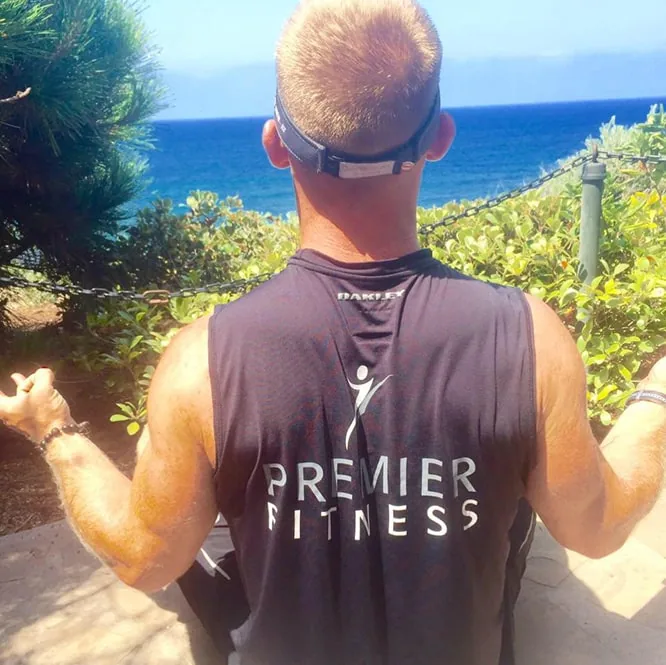
Stay Length: Stay length should match how much change you want to lock in. One week provides a powerful kickstart and introduces the program’s structure. Two weeks builds real momentum beyond initial soreness. Three weeks is where habit change becomes more durable, and research suggests habits require approximately 66 days to automate, so a three-week immersive program compresses that timeline significantly. Four weeks delivers measurable transformation across all 17 of PFC’s tracked health markers, and extended stays of up to six months are available for clients seeking deeper change. Many first-time PFC clients book one week and extend on-site after experiencing the program’s results.
Fitness Level: PFC works with clients ranging from 400+ pounds who can only walk 250 feet to seasoned athletes who train four times per week. Every class is structured so that every participant benefits, with a 3–4:1 trainer ratio and low-impact options for clients with health limitations. The coaching model keeps all participants engaged and progressing.
Some programs do not justify their cost. Programs that lack nutrition education, behavioral health support, qualified long-tenured staff, and structured aftercare often produce results that fade within months. The program’s structure, not its price, determines whether the investment pays off.
The cost of not investing also deserves attention. Privately insured U.S. adults with obesity averaged $12,588 in total annual healthcare costs in 2021, versus $4,699 for non-obese adults, a gap of nearly $8,000 per year. Against that baseline, a single well-structured residential program that produces lasting results represents a straightforward financial case, independent of the quality-of-life benefits.
PFC’s client outcomes illustrate what “worth it” looks like in practice. Lauren M. lost 140 pounds, and her story was featured on The Today Show. Crissy lost 109 pounds, starting at 512 pounds, and her story was featured on The Doctors. Alex lost 97 pounds and credits PFC with helping him address the root of his binge eating disorder. These stories reflect a program with over 1,200 reviews, a 90%+ five-star rating, and 50% of annual revenue coming from returning alumni who choose to come back year after year.
The UCSD case study mentioned earlier provides the scientific foundation for these outcomes: lean muscle mass was preserved or increased, bone volume was maintained, and resting metabolic rate was protected, the four outcomes that determine whether weight loss lasts. Supportive interactions with program staff characterized by trust, empathy, accountability, and continuity are repeatedly identified as critical to long-term success, and PFC’s low staff turnover and post-camp communication structure are built around exactly that finding.
As Scott, a PFC client, put it in a Google review: “PFC is a life-changing experience. I signed up for two weeks and stayed for eight. The facilities and staff are top notch.”
See what your own “worth it” plan could look like.
The cheapest program by sticker price is rarely the most affordable on a cost-per-outcome basis. Programs priced below $3,000 per week typically omit behavioral health support, nutrition education, or structured aftercare, which are the three components most associated with lasting results.
A program at $2,390 per week that produces results lasting six months costs more per year of maintained health than a $6,000-per-week program whose results persist for several years. When evaluating affordability, calculate the total cost including aftercare, the cost of any repeated programs, and the ongoing medical costs associated with weight regain.
As noted in the cost section, published weekly rates for residential adult weight loss programs in the United States range from approximately $2,390 to $6,500+ per week for single occupancy, depending on location, accommodations, staff credentials, medical oversight, and what is included. PFC’s all-inclusive rate is approximately $6,000 per week and covers luxury accommodations at the Omni La Costa Resort, all meals, all fitness programming, nutrition and behavioral education, health assessments, a 17-point weekly report card, three spa treatments per week, and post-camp support. PFC offers 0% financing for up to six months and multi-week discounts.
The five-question checklist above covers the essentials. If a program cannot answer all five clearly, it is unlikely to produce lasting results. Red flags include guaranteed weight loss promises, vague staff credential descriptions, no post-program support plan, and meal service without any nutrition education component.
For programs with strong behavioral health support, nutrition education, qualified staff, and structured aftercare, the answer is yes when evaluated on a cost-per-outcome basis rather than sticker price. The ongoing medical costs associated with obesity, the cumulative cost of repeated failed programs, and the quality-of-life impact of sustained weight loss all factor into the true return on investment.
Programs without these components are less likely to be worth the money regardless of price. The review scores and alumni return rate cited earlier reflect a program that clients consistently judge as worth the investment.
Yes. PFC welcomes clients on GLP-1 medications such as semaglutide or tirzepatide and does not judge their use. The program adjusts the protocol to emphasize resistance training, adequate protein intake, and the behavioral habits needed for long-term maintenance, whether a client plans to continue, reduce, or eventually stop the medication. PFC functions as a structured complement to GLP-1 therapy, building the muscle mass, metabolic health, and sustainable habits that medication alone cannot provide. Any changes to medication should be managed by the prescribing clinician.
A genuinely holistic program integrates four components: behavioral coaching, nutrition education, functional fitness, and post-program maintenance support. Behavioral coaching means licensed psychologists or behavioral health coaches address emotional eating and psychological drivers of weight gain. Nutrition education means registered dietitians teach transferable skills rather than simply providing meals. Functional fitness means resistance training and varied movement that preserve lean muscle mass. Post-program maintenance support means virtual coaching, meal plans, and ongoing staff access.
Programs that address only one or two of these components, typically exercise and calorie restriction, tend to produce short-term results followed by regain.
One week is a meaningful kickstart that introduces the program’s structure and produces measurable results. Two weeks builds momentum beyond initial soreness. Three weeks is where behavioral change becomes more durable, and four weeks delivers significant transformation across multiple health markers.
PFC’s average client stays approximately 11 days, and many first-time clients extend their stay on-site after experiencing the program. Extended stays of up to six months are available. The right length depends on your goals, schedule, and budget, and a free consultation with PFC’s team can help you determine the best fit.
At PFC, all-inclusive means luxury accommodations at the Omni La Costa Resort, all meals (breakfast, lunch, dinner, snacks, and nutrition shakes) prepared by on-site wellness chefs and designed by registered dietitians, all fitness classes and training sessions, nutrition and behavioral health workshops, cooking demonstrations, a comprehensive day-one health assessment, and a 17-point weekly report card reviewed with a trainer. The package also includes three spa treatments per week, access to all resort amenities, and post-camp virtual coaching and meal planning support. Optional add-ons include DEXA scans and specialty programs such as Golf Fit, Tennis Fit, Pickleball Fit, and Spa Fit.
The framework for evaluating affordable adult weight loss camps with holistic, sustainable programs comes down to three steps. First, define affordability on a cost-per-outcome basis rather than sticker price. Second, vet sustainability claims with specific questions about staff credentials, behavioral health, nutrition education, progress tracking, and aftercare. Third, choose based on your specific situation, including budget, climate preference, stay length, and fitness level.
PFC is the benchmark program on every criterion in this guide. Its “Think, Eat, Move” philosophy integrates behavioral health, nutrition education, and functional fitness into a single curriculum. Its UCSD case study, showing 94% pure fat loss while preserving and building lean muscle, provides scientific evidence that its sustainability claims rest on data rather than marketing. Its location at the Omni La Costa Resort in Carlsbad, California, delivers a year-round outdoor training environment that competitors in cold-weather or extreme-heat climates cannot match. Its post-camp support structure addresses the documented gap between in-program results and long-term maintenance.
Suggested next steps include consulting your healthcare provider about your readiness for an immersive residential program, reviewing independent evidence on program outcomes, comparing the programs in this guide on the five sustainability criteria, and preparing specific questions for any program you are considering. Then schedule a conversation with PFC’s team to discuss your goals, your timeline, and which program structure fits your situation.
Schedule your consultation with PFC’s team.