 5-star Wellness Resort
 5-star Wellness Resort

Written by: Chris Butt, Certified Personal Trainer & Weight Loss Coach, Premier Fitness Camp
Talk With The PFC Team About Your Goals
Price varies significantly by tier. Budget programs run approximately $2,800 per week, covering basic residential structure, meals, and guided fitness with limited amenities or credentialed staff. Mid-range programs such as Skyterra Wellness Retreat and Live In Fitness fall in the $3,500–$4,500 per week range. Premium all-inclusive programs with resort accommodations, credentialed multidisciplinary staff, on-site food preparation, and comprehensive data tracking run $6,000–$7,000 per week.
Several factors drive these price differences:
Premier Fitness Camp (PFC) is priced at approximately $6,000 per week, all-inclusive. The rate covers luxury resort accommodations at the Omni La Costa Resort & Spa, all meals prepared on-site by PFC’s wellness chefs, all fitness training and educational workshops, health assessments, weekly report card tracking, three spa treatments per week, and post-camp support. PFC offers 0% financing for up to six months with no down payment, multi-week discounts, and potential tax-deductible treatment status in some situations. A tax professional can confirm individual eligibility.
Compare the weekly price against the lifetime cost of failed diets, unused memberships, and obesity-related medical expenses, which cost the U.S. health system on the order of $173 billion a year. Also consider that apparent bargains often rise in total cost once transportation, room type, stay length, included meals, services, and optional extras appear on the final bill.
Best All-Inclusive Weight Loss Wellness Retreats For Adults provides a broader comparison of program models if you are still evaluating options.
Get A Cost And Program Breakdown From PFC
Most residential weight loss retreats are private-pay. Insurance coverage for physician-supervised weight management programs varies by plan, so patients need to check their benefits and ask whether their provider offers a covered medical weight management program or can refer them to one. Some medically supervised inpatient programs may qualify for partial insurance coverage with physician documentation of BMI, comorbidities, and prior treatment attempts, and HSA or FSA funds may be applicable when programs include physician-directed medical components.
The residential retreat itself, including accommodations and fitness training, usually does not appear as a covered medical benefit. Verify your specific plan with your insurer and consult a tax professional about potential medical expense deductions before booking.
At PFC, day one starts with a comprehensive health assessment. Staff collect blood work, vital signs, body composition, BMI, measurements, and a fitness test. This baseline shapes a personalized plan and establishes the starting point for tracked health data.
Monday through Friday, clients train 4–5 hours per day. Saturday is a half day. A typical week includes:
Every class is structured so that all fitness levels, from clients who can only walk 250 feet to seasoned athletes, can participate and progress.

Afternoons feature nutrition and behavioral health workshops. Meals are prepared on-site by PFC’s wellness chefs using fresh, farm-to-fork ingredients. Evenings center on group dinner and recovery.

Clients enrolled in specialty tracks such as Golf Fit, Tennis Fit, Pickleball Fit, or Spa Fit follow the full morning program. They transition to their specialty activity after lunch and rejoin the group for dinner at 5:00 PM.
Medical oversight at a reputable retreat extends far beyond a nurse on call. The Obesity Action Coalition recommends a multidisciplinary support team that may include a primary care provider or obesity medicine specialist, a registered dietitian, a psychologist or counselor, and an exercise professional. Serious programs can clearly show how they meet that standard.
PFC’s team includes certified trainers with bachelor’s and master’s degrees, registered dietitians, wellness chefs, and licensed psychologists and behavioral health coaches. Every client receives a comprehensive health assessment on day one, and progress is tracked weekly in a personalized report card across 17 data points:
Each week, clients review their report card one-on-one with their trainer and celebrate wins across all markers, not just scale weight. An optional DEXA scan, the gold standard for bone density and body composition, is also available.
This level of tracking matters especially for adults over 40, where shifts in blood pressure, glucose, and body composition carry direct health consequences. Physician-supervised programs help people with obesity-related conditions such as type 2 diabetes, high blood pressure, or sleep apnea by identifying underlying health factors and shaping safe, personalized plans.
Adults who have lost weight on semaglutide, tirzepatide, or another GLP-1 medication enter a new phase of work once weight comes off. A 2026 systematic review and meta-analysis in the International Journal of Obesity found that GLP-1 receptor agonists primarily reduce fat mass but also significantly reduce lean body mass by about 1% and skeletal muscle mass by about 3%. The authors explicitly recommend resistance training and adequate protein intake to preserve or enhance skeletal muscle during obesity treatment.
A 2026 study in Diabetes reported that body weight, fat mass, and lean mass changes after stopping semaglutide were fully reversible. The authors highlight the need for ongoing therapy or lifestyle modifications to maintain weight loss once medication stops. Stopping medication without a maintenance plan often reverses progress.
The priority after GLP-1 therapy becomes resistance training, adequate protein, and sustainable behavioral habits. PFC’s program centers on these elements. A case study conducted with the University of California, San Diego (UCSD), evaluated PFC participants who stayed four or more weeks and received DEXA scans at the start and end of their program. The analysis showed fat-focused loss with preserved or increased lean muscle mass, maintained bone volume and strength, and protected or improved resting metabolic rate. These outcomes directly address the metabolic slowdown that makes GLP-1 results difficult to sustain.
PFC welcomes clients who use or have used GLP-1 medications and focuses on building the education and lifestyle foundation that helps those results last.
Use this seven-step framework to evaluate any program, including PFC:
Before booking, ask any program to walk you through a typical day from wake-up to lights out, explain how on-site medical issues are handled, and outline the specific follow-up support provided after you leave.
Quick-fix claims deserve skepticism. No herb, salt formulation, or morning drink produces durable fat loss. The “3 3 3 rule,” “Pink Salt Trick,” “Japanese trick,” and similar viral concepts lack credible evidence. The average adult will try roughly 126 different diets in a lifetime, most of which fail because the underlying physiology never changes. Evidence consistently points to resistance training, adequate protein, and sustained behavioral change as the drivers of durable results.
PFC operates at the Omni La Costa Resort & Spa in Carlsbad, California, a 450-acre luxury resort in North San Diego County with a year-round moderate climate. The campus includes dedicated on-site PFC facilities and access to outdoor training environments such as beach workouts on the Pacific coast, hikes at Torrey Pines, Double Peak Park, and Batiquitos Lagoon, plus stand-up paddleboarding and kayaking.
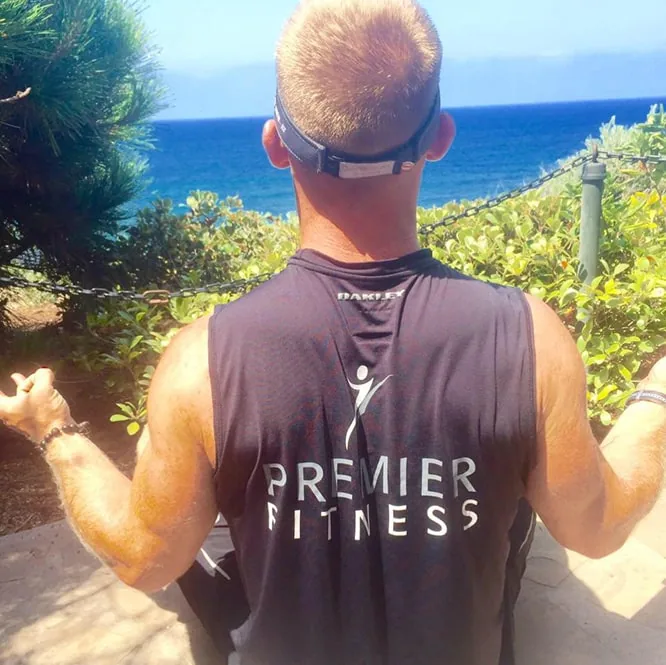
The program follows the Think, Eat, Move philosophy, where behavioral health, nutrition education, and fitness function as a single integrated system. Every meal is prepared on-site by PFC’s wellness chefs using farm-to-fork ingredients. Training runs 4–5 hours per day with small-group attention, and health data is tracked weekly to show progress across multiple markers. Independent reviews, client outcomes, and alumni return behavior reflect this structure.

Client Irene Tchaikovsky describes the experience: “What began as a simple one-week reboot has transformed into a complete lifestyle shift. PFC equips you with the knowledge, tools, and support to make meaningful — and sustainable — changes.” Scott signed up for two weeks and stayed for eight: “PFC is a life-changing experience. The facilities and staff are top notch.”
Compared with alternatives, PFC combines location, climate, on-site facilities, food quality, staff tenure, education depth, and structured outcomes in a single all-inclusive program. Live In Fitness operates in Arizona, where extreme heat limits outdoor training for much of the year, uses a residential home model with off-site gym access, and relies on delivered food. Unite Fitness Retreat is located in downtown Salt Lake City, with urban surroundings, cold winters, and off-site amenity access. Hilton Head Health and Pritikin are located in Florida, where high humidity can be uncomfortable, and both skew toward an older demographic; Pritikin offers a slower pace with fewer diverse activities. Canyon Ranch and Civana focus on general wellness experiences rather than structured, data-driven weight loss outcomes.
For a broader look at how programs compare, see How To Choose A Wellness Retreat For Sustainable Weight Loss.
PFC treats sustainability as a core part of the program. Post-camp support includes virtual coaching for ongoing accountability, personalized meal plans for home, fitness guidance and exercise programming, and ongoing communication with PFC staff. Clients can email their trainers at any time.
The goal is empowerment and independence. Sustained weight loss is associated with long-term changes in physical activity, dietary patterns, and self-regulation, which is why PFC’s Think, Eat, Move curriculum emphasizes education. Clients leave knowing how to train, how to eat, and how to manage the behavioral triggers that drove weight gain.
Muscle preservation and metabolic health, rather than scale weight alone, determine whether results last. Clients who leave with lean muscle intact burn more calories at rest, resist regain more effectively, and carry a stronger physiological foundation for maintenance.
Choosing a weight loss retreat comes down to a clear set of decision factors. Cost and what it includes, medical supervision and baseline testing, program structure and daily intensity, data tracking beyond the scale, and aftercare that extends results beyond checkout all matter. The framework in this guide helps you compare any program against those standards.
PFC aligns with these criteria through all-inclusive pricing with financing options, a multidisciplinary team, structured daily training, comprehensive health tracking, and robust aftercare. Independent reviews and alumni behavior reinforce the program’s focus on sustainable change.
The consultation is free, personalized, and low-pressure. Call (888) 488-8936 or book online to discuss your goals with the PFC team.
Schedule Your Complimentary PFC Consultation
Results depend on your starting point. Gender, current weight, height, and total weight-loss goal all factor in. At PFC, the average client with 40–70 pounds to lose can expect to lose 3–4 pounds per week of real fat rather than water weight or muscle. Most long-term PFC clients preserve or increase lean muscle mass during their program. Some clients lose more, some less, because hormones, medications, and individual biology all play a role. Weight is also just one of many data points tracked weekly. Many clients see significant improvements in blood pressure, cholesterol, glucose, mile time, strength, and body measurements even in weeks when the scale moves more slowly than expected.
Yes. PFC works with clients ranging from those who can only walk 250 feet to seasoned athletes who train multiple times per week. Every class is structured so that each participant, regardless of fitness level, gets what they need. Trainers provide modifications, progressions, and low-impact alternatives for every exercise. A dedicated low-impact training track supports clients with health limitations such as bad knees, back problems, or significant deconditioning. The program meets each person where they are on day one and moves them forward from there.
The key difference lies in program structure and outcomes accountability. A wellness spa offers relaxation, some fitness classes, and a restorative environment. A results-driven weight loss retreat delivers a structured daily training schedule, baseline health assessments, tracked data points, nutrition education led by registered dietitians, and behavioral health support from licensed psychologists. A setting like PFC’s Omni La Costa Resort & Spa adds comfort, but the underlying program structure determines whether you leave with lasting results or simply a relaxing memory.
Weight regain after any program is a real risk, driven by biology and behavior. Research shows that programs without post-program support see significantly higher regain rates. PFC addresses this through virtual coaching, personalized meal plans for home, fitness guidance and exercise programming, and ongoing communication with staff. The Think, Eat, Move curriculum aims to make clients independent rather than reliant on returning. Clients leave understanding how to train, how to eat for their body, and how to manage the behavioral patterns that contributed to weight gain. Protecting lean muscle and metabolic rate gives clients a stronger physiological base for long-term maintenance.
Yes, and PFC is well-suited for this situation. GLP-1 medications such as semaglutide and tirzepatide can produce meaningful weight loss, yet that loss often includes lean muscle mass and can slow metabolic rate. The transition off medication becomes especially vulnerable to regain without a structured plan. PFC emphasizes resistance training, adequate protein intake, and sustainable behavioral habits to help preserve muscle and metabolism during and after pharmacological weight loss. The program welcomes medication use and focuses on providing the education and lifestyle foundation that supports lasting results. Staff adjust protocols to account for reduced appetite and focus on body composition rather than scale weight alone.