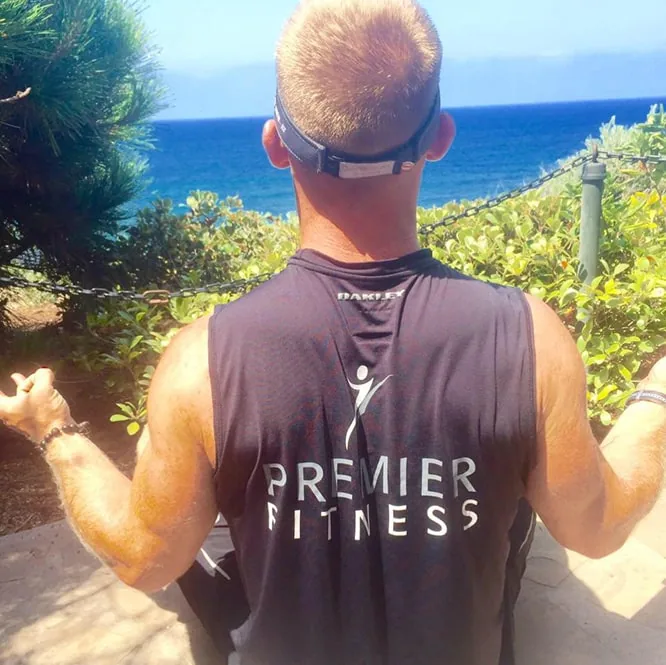
Written by: Chris Butt, Certified Personal Trainer & Weight Loss Coach, Premier Fitness Camp
Key Takeaways
Most weight-loss attempts fail because programs focus on a single variable instead of building behavioral, nutritional, and fitness foundations.
High-quality immersive programs combine calorie-controlled nutrition education, several hours of structured daily training, and behavioral support to create lasting results.
Body-composition tracking, especially preserving lean muscle while losing fat, protects long-term metabolic rate and reduces rapid regain.
GLP-1 medication users benefit most from programs that add targeted protein intake and resistance training to reduce muscle loss and support eventual medication reduction.
Inside a High-Quality Immersive Weight-Loss Program
The research on immersive lifestyle interventions is clear: high-intensity in-person programs that combine a reduced-calorie diet, regular exercise, and comprehensive behavior modification produce meaningful weight losses in academic medical center trials. This evidence base explains what separates the best programs from the rest, which is the integration of all three components rather than exercise or diet in isolation.
Nutrition education goes beyond meal plans. Registered dietitians design calorie-controlled menus, lead workshops on macronutrients and portion control, and in the most rigorous programs conduct cooking demonstrations that translate directly to life at home.
There's no restrictive "diet food" here. Wellness chefs prepare fresh, farm-to-fork meals on-site — proof that eating for health can be genuinely satisfying.
Fitness volume drives body-composition change more than most people expect. Physical activity alone produces only modest weight loss, yet consistent activity is critical for long-term maintenance. Many people exercising independently log only a few hours per week. A structured immersive program delivers a fundamentally different training stimulus for body composition change.
Movement is one of the three pillars of the "Think, Eat, Move" approach — group training on the resort lawn makes 4–5 hours of daily activity feel like community, not a chore.
The "Think" pillar addresses the whole person. Mindful movement and recovery — supported by licensed psychologists and behavioral coaches — help make change sustainable.
Realistic expectations for a well-designed program include 3–4 pounds of fat loss per week for a client with 40–70 pounds to lose, an average stay of 11 days for a first visit, and approximately 21 days for new habits to consolidate into lasting behavioral patterns. These timelines and outcomes are what you should expect from any program that integrates all three evidence-based pillars.
How the Top Five Destinations Compare on What Matters
The following table compares the five most frequently evaluated destinations in 2026 across the dimensions that matter most for lasting results. Every metric is drawn from publicly available program documentation or verified company data.
Post-stay resources, less individualized ongoing support
Repeat-Client Rate
50% of annual revenue from returning alumni, 1,200+ reviews, 90%+ five-star
Established repeat clientele, specific alumni revenue share not published
Loyal repeat base, specific rate not published
Repeat clients reported, specific rate not published
Civana Wellness Resort and Spa rounds out the competitive landscape as a retreat-focused destination with strong spa programming and a less structured weight-loss and fitness curriculum than Premier Fitness Camp, Pritikin, or Hilton Head Health.
The Clear Differentiator: 94% Pure Fat Loss
Most immersive programs report results in pounds lost, which obscures a critical variable: what kind of weight was lost. Standard dieting typically produces a 60/40 ratio of fat to lean muscle loss. Aggressive programs can push that ratio even further toward muscle loss, which damages resting metabolic rate and sets the stage for rapid regain.
A case study conducted in partnership with the University of California, San Diego evaluated PFC participants who stayed four or more weeks and received DEXA scans, the gold standard for body-composition measurement, at the start and end of their program. The findings were significant:
94% of total weight lost was purely fat
Lean muscle mass was preserved or increased in most long-term participants
Bone volume and strength were maintained, a critical outcome for the 40+ demographic
Resting metabolic rate was protected or improved, directly addressing the primary driver of post-program weight regain
This outcome reflects a deliberate design. The program combines several hours of daily resistance and cardiovascular training with nutritionist-designed meals calibrated to preserve lean tissue. The 17-point weekly report card, which tracks weight, body fat percentage, seven circumference measurements, blood pressure, four blood markers, push-up count, plank duration, and mile time, gives clients and trainers the data to course-correct in real time rather than waiting for the scale to move.
Competitors largely omit this level of body-composition tracking. Scale weight alone cannot show whether you are losing fat, muscle, or water, and that distinction determines whether your results last.
GLP-1 Integration: A Targeted Protocol for Medication Users
Premier Fitness Camp’s protocol for GLP-1 users addresses both risks directly. Registered dietitians adjust protein targets upward to protect lean tissue. Trainers prioritize resistance training volume within the daily schedule. Behavioral health coaches build the sustainable habits that make medication reduction or eventual cessation a realistic goal rather than a source of anxiety. Premier Fitness Camp treats GLP-1 use as a starting point that requires a specific, evidence-aligned response.
Daily Schedule and Realistic Timelines at Premier Fitness Camp
A typical Premier Fitness Camp weekday follows a structured schedule designed to maximize training stimulus, nutritional education, and recovery:
7:00 AM – Morning fitness session (bootcamp, interval training, beach workout, or hiking)
9:00 AM – Nutrition shake and brief recovery
9:30 AM – Second fitness session (boxing, TRX, barre, Tabata, spin, or resistance training)
11:30 AM – Educational workshop (nutrition, behavioral health, cooking demonstration)
1:00 PM – Gourmet, calorie-controlled lunch prepared by Premier Fitness Camp wellness chefs
2:00 PM – Specialty program, spa treatment, or personal time
Carlsbad's year-round climate moves training outdoors — Pacific coast views turn a workout into a reset for the mind as much as the body.
How to Choose the Right Immersive Weight-Loss Program
When evaluating weight-loss programs at health spas, the following questions produce the most useful answers:
What percentage of weight lost is fat versus lean muscle? Ask for body-composition data, not just scale-weight averages. Programs that cannot answer this question are not tracking the right outcomes.
What credentials do the staff hold? Look for registered dietitians, licensed behavioral health professionals, and trainers with minimum bachelor’s-level education in exercise science or a related field.
What does post-program support look like? A program that ends at checkout has not solved the maintenance problem. Ask specifically about virtual coaching, meal planning, and ongoing trainer access.
Is the environment conducive to recovery and mental health? Climate, outdoor access, spa facilities, and accommodation quality all affect cortisol, sleep, and adherence, which directly influence fat-loss outcomes.
Does the program accommodate GLP-1 users? If you are currently on or recently stopped a GLP-1 medication, confirm that the program has a specific protein and resistance-training protocol for your situation.
Voices from the Premier Fitness Camp Community
The most reliable signal of program quality is what clients say after they have returned home and had time to assess whether their results held.
“What began as a simple one-week reboot has transformed into a complete lifestyle shift. Premier Fitness Camp equips you with the knowledge, tools, and support to make meaningful and sustainable changes.” — Irene Tchaikovsky
“I not only lost weight but gained confidence, strength, and a healthier lifestyle.” — Jake Younger
“Premier Fitness Camp has changed my life. I lost over 110 pounds, but more than that I have gained so much knowledge and strength, both physically and mentally. I met some of my best friends here.” — Crissy, featured on The Doctors
“While at Premier Fitness Camp I learned that weight loss is a lifestyle, not a quick fix. It also is not about the number on the scale, but about how you feel.” — Yasmin
These outcomes reflect the pattern documented across Premier Fitness Camp’s 1,200+ reviews, where more than 90% carry a five-star rating. The 50% alumni revenue share, representing clients who return year after year, is a durable measure of whether a program delivers on its promise.
The Evidence-Based Choice for Lasting Transformation
When you evaluate programs across the dimensions that matter, such as clinical and educational rigor, program design, body-composition tracking, post-program support, and client retention, the conclusion is consistent. Programs that track only scale weight, omit behavioral health support, house clients off-site, or lack a post-program structure are not designed for lasting outcomes. They are designed for short-term results that bring clients back.
Premier Fitness Camp’s model is built on the opposite premise. The “Think, Eat, Move” philosophy addresses the behavioral, nutritional, and physical drivers of weight gain simultaneously. The body-composition outcomes documented in the UCSD case study reflect a program designed around preserving lean tissue rather than simply moving the scale. The 17-point weekly report card gives clients and trainers the data to make real-time decisions. The Omni La Costa Resort setting in Carlsbad, California provides year-round outdoor training, luxury recovery, and a community environment that research identifies as critical for long-term adherence.
In North San Diego County, moderate year-round temperatures and low humidity make daily outdoor training possible — one reason the location is central to the experience.
What should I look for in a weight loss program at a health spa to ensure lasting results?
The most reliable predictor of lasting results is whether a program addresses all three drivers of weight regain, which are behavioral habits, nutritional knowledge, and physical conditioning. A program that delivers only exercise or only a calorie-restricted meal plan without teaching you how to replicate those behaviors at home is structurally incomplete. Look for programs that include licensed behavioral health professionals, registered dietitians who lead educational sessions rather than just designing menus, and post-program support that extends beyond checkout. Body-composition tracking, especially the ratio of fat loss to lean muscle loss, is a more meaningful outcome measure than scale weight alone because muscle preservation directly determines whether your resting metabolic rate holds after you leave.
How is an immersive weight loss program different from a standard wellness retreat or spa stay?
A wellness retreat or spa stay is primarily designed for relaxation and recovery, with fitness and nutrition as optional or supplementary components. An immersive weight-loss program structures every element of the day, including training volume, meal composition, educational content, and behavioral support, around measurable health outcomes. The difference in daily training volume alone is substantial. A typical spa guest might participate in one or two fitness classes per day, while a structured immersive program delivers high daily training volume Monday through Friday. The educational component is equally distinct. Immersive programs teach clients how to sustain their results independently, while wellness retreats generally do not. The strongest programs combine both resort-level luxury and environment with the clinical rigor of a structured weight-loss curriculum.
Can I attend an immersive weight loss program if I am currently on or recently stopped a GLP-1 medication?
GLP-1 users are often especially well served by an immersive program. GLP-1 medications produce meaningful weight loss, yet clinical data consistently show that two-thirds of lost weight is regained within a year of stopping the medication when lifestyle habits have not been established alongside it. The muscle-loss risk during GLP-1 use is also significant and directly affects long-term metabolic rate. A well-designed immersive program addresses both issues. Registered dietitians adjust protein intake upward to protect lean tissue, trainers prioritize resistance training to preserve and rebuild muscle, and behavioral health coaches build the sustainable habits that make the transition off medication a manageable goal. The key is finding a program that has a specific, documented protocol for GLP-1 users rather than a generic approach applied to everyone.
How long should I plan to stay at an immersive weight loss program to see meaningful results?
One week is sufficient for a meaningful kickstart, and measurable changes in body composition, blood pressure, and energy levels are typical within the first seven days of a structured program. Two weeks build real momentum and allow behavioral patterns to begin consolidating. Research on habit formation points to approximately 21 days as the threshold at which new behaviors become more automatic and less effortful. Four weeks or more produce the most significant and durable transformations, particularly for clients with 40 or more pounds to lose. Many first-time clients book a single week and extend their stay on-site after experiencing the program’s results firsthand. The most important factor is not the length of the initial stay but whether the program provides structured post-departure support, such as virtual coaching, personalized meal plans, and ongoing access to staff, that maintains accountability during the transition home.
What does a 17-point weekly report card measure, and why does it matter more than scale weight?
Scale weight is a single data point that conflates fat loss, muscle change, water retention, and bone density into one number. A 17-point weekly report card disaggregates those variables into actionable information. At PFC, the weekly report card tracks weight, body fat percentage, seven circumference measurements (neck, waist, umbilicus, upper arm, chest, hip, and quad), blood pressure (systolic and diastolic), four blood markers (LDL, HDL, triglycerides, and glucose), push-up count, plank hold duration, and mile time. This matters because clients frequently see dramatic improvements in blood pressure, cholesterol, strength, and body measurements during weeks when the scale moves slowly, which are improvements that are clinically significant and motivationally important. Tracking only scale weight causes clients to underestimate their progress and abandon programs prematurely. Comprehensive data tracking keeps the full picture visible and allows trainers to adjust the program in real time based on what is actually happening inside the body.
Inquire for rates and availability
Fill out the form below to speak with a wellness specialist.
 5-star Wellness Resort