 5-star Wellness Resort
 5-star Wellness Resort

Written by: Chris Butt, Certified Personal Trainer & Weight Loss Coach, Premier Fitness Camp
Talk To A Program Advisor About Your Goals
A modern weight loss camp for adults is a residential fitness and wellness program that combines structured daily exercise, nutrition education, and behavioral coaching in an immersive live-in setting. It functions as a structured program rather than a crash diet. Participants eat, train, learn, and recover on-site, which removes many of the distractions and competing priorities that derail progress at home.
Three pillars define a quality modern program. Movement forms the foundation through structured daily training that goes well beyond what any gym membership delivers. Nutrition education focuses on how to eat for life, not just during a stay. Mindset work, grounded in behavioral science, addresses emotional triggers and habit patterns that drive weight regain after other programs end.

The phrase “adult weight loss camp” still appears in search results and Reddit threads, but the industry has evolved. These programs now function more like integrated wellness residencies. The real measure of quality is how much of a client’s loss comes from fat versus lean muscle. Combined physical activity and diet interventions generally outperform diet-only or exercise-only approaches for reducing fat mass while preserving lean tissue. The fat-to-muscle loss ratio is the single most important number a prospective client can ask about.
Residential weight loss programs still exist and have changed significantly. Today they operate as structured wellness retreats that combine fitness, nutrition, and behavioral health. Modern programs serve a wide range of adults, and the strongest ones are designed to meet every participant where they are.
The programs commonly serve several groups:
Quality programs accommodate all fitness levels, from clients who can only walk short distances to seasoned athletes. The structure adapts to the individual rather than forcing everyone into the same template.

Short residential stays can start around $2,400 per week at budget programs, while Premier Fitness Camp, a premium all-inclusive program, runs approximately $6,000 per week. Residential weight loss program costs range from budget programs starting near $2,800 per week, to mid-range options at $3,500 to $4,500 per week, up to premium programs at $6,000 to $7,000 per week. The gap in price reflects real differences in what is included.
The price gap reflects concrete inclusions rather than marketing. Premium programs fold in services that budget programs often bill separately. A comprehensive all-inclusive program typically covers:
Items that are typically separate include travel, specialty add-on programs, elective medical procedures such as DEXA scans, and personal incidentals.
Most commercial and residential weight loss programs are not covered by insurance. Insurers classify them as wellness or lifestyle programs rather than medically necessary treatment. Some components may be covered, such as clinician-supervised counseling, medically monitored very-low-calorie diets, and FDA-approved devices or medications, when the plan includes those benefits and the patient meets specific clinical criteria. Some program costs may qualify as a tax-deductible medical expense, which a tax professional can evaluate. HSA and FSA funds may be applicable when a program includes physician-directed medical components.
Compared with a year of unused gym memberships, failed diet programs, and rising medical costs from untreated obesity, a single well-chosen residential program represents a different kind of investment.
Most health insurance plans do not cover residential weight loss camps unless a program is deemed medically necessary, such as when prescribed for obesity-related conditions like diabetes or hypertension. These programs are usually classified as wellness or lifestyle interventions rather than medical treatment. Some costs may be partially tax-deductible as a medical expense, but this depends on individual circumstances and professional guidance.
Practical steps for anyone evaluating the financial picture include the following:
No program can guarantee coverage, and any provider that claims certainty deserves skepticism. Once cost is settled, the more important question is what actually happens to your body during a stay, which depends heavily on how the program is designed.
Body composition changes during weight loss depend heavily on program design. Concerns about loose skin, large-scale weight loss, and age-related factors are legitimate, and honest programs address them directly. Skin response varies by age, genetics, rate of loss, and hydration. Slower, muscle-preserving fat loss generally supports better skin outcomes than rapid crash approaches, although individual results differ.
The more important science concerns what the body actually loses. Clinical trials report that 20% to 40% of total weight loss is attributable to fat-free mass in many programs, which means a significant portion of change on the scale can be muscle, not fat. Approximately 40% of total weight loss during semaglutide treatment has been attributed to loss of fat-free mass in published research. Standard dieting typically produces a 60/40 fat-to-muscle loss ratio.
The UCSD case study, conducted in partnership with the University of California, San Diego, evaluated participants who stayed four or more weeks and received DEXA scans at intake and program end. It found that 94% of recorded weight loss came from fat. Lean muscle mass was preserved or increased, and bone volume and strength were maintained. Because clients retained and built lean muscle, resting metabolic rate stayed protected, which supports long-term weight maintenance. Programs that focus only on scale weight often erode the metabolic engine that keeps weight off.
Losing lean mass during weight loss can reduce strength, impair physical function, and contribute to a decline in resting metabolic rate because muscle is metabolically active tissue. Premier Fitness Camp tracks 17 data points weekly so progress is never judged by the scale alone. These include weight and body fat percentage, measurements of key body sites, blood pressure, fitness performance markers, and core blood lipids and glucose. This level of tracking helps clients see improvements in health and performance even when weekly scale changes feel modest.
GLP-1 medications such as semaglutide (Ozempic, Wegovy) and tirzepatide (Zepbound) produce meaningful weight loss. The SELECT trial found a 20% reduction in major adverse cardiovascular events with semaglutide 2.4 mg, and these medications have demonstrated real clinical value. The key concern centers on what happens to body composition during and after use.
In incretin-based anti-obesity medication trials, fat-free mass decreased by 6.8% to 10.9%, corresponding to 33% to 38% of total weight loss, which exceeds what physiological models predict. Tirzepatide induced approximately 6 kg of fat-free mass loss after 12 to 18 months of treatment, equating to about 10% of fat-free mass, similar to the muscle loss seen with a decade of aging. Weight regain following cessation of pharmacotherapy also occurs faster than after stopping behavioral weight management programs, by about 0.3 kg monthly.
A residential weight loss program can function as both a complement to GLP-1 therapy and an exit ramp. Progressive resistance exercise training combined with adequate intake of 1.2 to 1.6 g/kg/day of high-quality protein may preserve or attenuate the loss of fat-free and skeletal muscle mass during incretin-based therapy. Premier Fitness Camp supports GLP-1 users by adjusting protocols to prioritize resistance training, dial in protein intake, and build sustainable habits that shape outcomes when medication is reduced or stopped.
See How The Program Supports GLP-1 Users
Program quality varies widely, so a clear checklist helps separate marketing from substance. Key factors to evaluate include the following:
Red flags to watch for include vague or unavailable pricing, no intake assessment or health screening, food prepared off-site and delivered, no behavioral health component, promises of rapid results without a maintenance plan, and staff credentials that cannot be verified.
Premier Fitness Camp was built around these criteria. Its “Think, Eat, Move” philosophy integrates licensed psychologists, registered dietitians, and wellness chefs into a single curriculum. All trainers hold bachelor's degrees at minimum, many hold master's degrees, and most have been with the program for years. A 3–4:1 client-to-trainer ratio keeps sessions genuinely personalized. Four to five hours of daily training, five days a week, creates a training volume that typical gym memberships or casual retreats do not match.
The main alternatives worth comparing include other residential camps, fitness retreats, gym memberships, and online apps. A fitness retreat offers relaxation and movement without structured weight loss or education. A gym membership offers access but no immersion, nutrition education, or behavioral support. A weight loss camp for adults combines all three in a residential setting, and the immersive, education-first model supports lasting change.
Premier Fitness Camp operates exclusively at the Omni La Costa Resort & Spa in Carlsbad, California (2100 Costa Del Mar Road, Carlsbad, CA 92009). The 450-acre property in North San Diego County offers year-round moderate temperatures, low humidity, and dedicated facilities on-site.
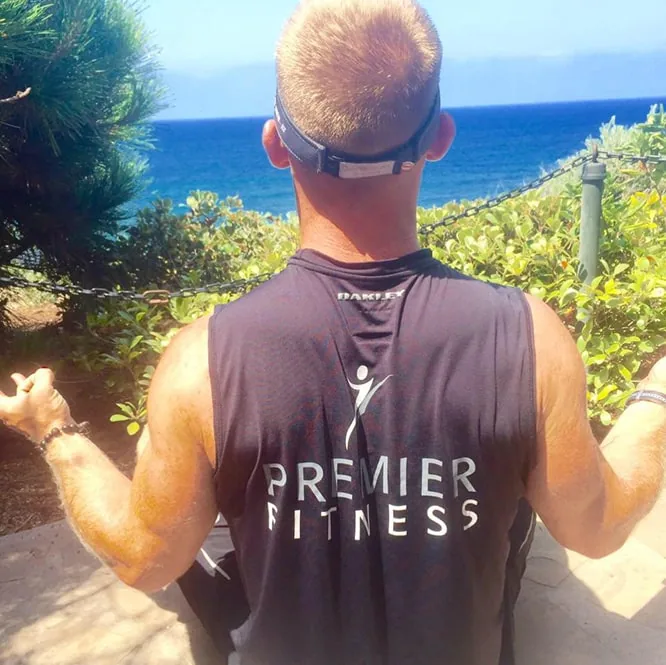
A typical weekday includes the following elements:
Each week, clients receive a 17-point report card reviewed one-on-one with their trainer, covering every tracked metric rather than scale weight alone. The 3–4:1 client-to-trainer ratio applies across sessions. Stays begin at one week, and many clients extend after experiencing the program firsthand. As Scott, a client, noted, “I signed up for two weeks and stayed for eight.”


“Medically supervised” can describe very different levels of care. It may refer to an online questionnaire reviewed once, a clinician who signs a prescription, or a doctor who reviews reports, symptoms, and medication lists regularly as things change. Prospective clients should ask specifically what medical oversight looks like in practice.
In a genuine medically supervised program, intake should include comprehensive blood work, vital signs, body composition assessment, and a fitness test. A strong first evaluation typically reviews weight history, blood pressure, blood sugar, A1c, lipids, liver health, kidney function, sleep apnea symptoms, joint pain, mental health, and current medications. Ongoing tracking should monitor the same markers throughout the program.
At Premier Fitness Camp, the day-one health assessment includes blood work, measurements, BMI, body composition, and a fitness test. Licensed psychologists and registered dietitians are integrated into the program rather than offered as optional add-ons. An optional DEXA scan, the gold standard for body composition measurement, is available for clients who want the most precise baseline data.
The program is a fitness and weight loss program with meaningful medical components rather than a clinical treatment facility. That distinction matters. Clients with active medical conditions should consult their physician before enrolling, and the intake process is designed to identify any factors that require coordination with a client's existing care team. For more detail on what medical supervision looks like in a residential program, this guide to medically supervised adult weight loss camps covers the key criteria.
Weight loss camps, fitness retreats, and gym memberships each serve different purposes and produce different outcomes.
A fitness retreat prioritizes relaxation and general movement. There is typically no structured weight loss curriculum, no behavioral health component, and no systematic progress tracking. The experience feels restorative rather than transformative.
A gym membership provides access to equipment and sometimes personal training. The typical committed gym-goer trains three to four hours per week. There is no immersive environment, no nutrition education, no behavioral health support, and no removal of daily-life distractions.
A weight loss camp for adults combines structured daily training, on-site nutrition education, behavioral health support, and a residential setting that removes distractions entirely. At Premier Fitness Camp, that means four to five hours of training per day. The immersive model produces outcomes that single-component approaches rarely match. Premier Fitness Camp operates as a results-driven program with detailed data tracking and post-camp support.
Choosing a residential weight loss program comes down to a short list of factors: cost transparency, staff credentials, on-site facilities, data tracking beyond the scale, behavioral health integration, and post-camp support. Programs that avoid these topics warrant closer scrutiny.
Suggested next steps for anyone seriously evaluating options include the following:
Premier Fitness Camp has supported more than 3,000 clients, holds over 1,200 reviews with a 90%+ five-star rating, and generates about half of annual revenue from returning alumni. That repeat rate reflects genuine satisfaction more clearly than any slogan. As noted earlier, the UCSD case study found that nearly all recorded loss came from fat, with muscle and bone preserved. As client Irene Tchaikovsky put it, “What began as a simple one-week reboot has transformed into a complete lifestyle shift. The program equips you with the knowledge, tools, and support to make meaningful and sustainable changes.”
Plan Your Stay With A Premier Fitness Camp Specialist
The average client, typically 40 to 60 years old with 40 to 70 pounds to lose, can expect to lose about 3 to 4 pounds per week of primarily fat. Individual results vary based on starting weight, gender, height, hormones, and medications. What distinguishes a quality program is the composition of that loss. As noted earlier, the UCSD case study found that 94% of recorded loss was fat, with muscle and bone preserved. Most standard dieting programs produce a 60/40 fat-to-muscle loss ratio, which means a significant portion of change on the scale can be muscle, and that pattern can damage metabolism. Premier Fitness Camp tracks 17 data points weekly so clients see improvements in body composition, blood pressure, cholesterol, glucose, strength, and fitness performance even when the scale moves more slowly than expected.
Yes. Premier Fitness Camp works with clients across the full fitness spectrum, from individuals who are 400+ pounds and can only walk 250 feet to seasoned athletes who train several times per week. Every class is structured so each participant, regardless of fitness level, gets what they need. Trainers maintain a 3 to 4:1 client-to-trainer ratio and offer modifications, progressions, and low-impact alternatives for every exercise. A dedicated low-impact training track supports clients with health limitations such as knee issues, back problems, or cardiovascular concerns. The program is designed to meet every client where they are and help them improve day by day.
A wellness retreat typically focuses on relaxation, general movement, and stress reduction. There is usually no structured weight loss curriculum, no systematic body composition tracking, no behavioral health component addressing emotional eating or habit formation, and no education aimed at lasting change at home. A weight loss camp for adults functions as a results-driven residential program that combines structured daily training, nutrition education, behavioral health support, and data tracking in an immersive setting. Premier Fitness Camp explicitly focuses on measurable results rather than a retreat-only experience. The distinction matters because a retreat may leave someone feeling refreshed, while a well-designed weight loss program aims to leave them educated, measurably healthier, and equipped to maintain results independently.
Yes. For many clients on GLP-1 medications, a residential program provides the most important complement to medication use. GLP-1 medications suppress appetite effectively, but research shows that a significant portion of weight lost on these medications can come from fat-free mass, including muscle. Without structured resistance training and adequate protein intake, GLP-1 users risk losing the metabolic capacity that helps determine whether weight stays off after medication is reduced or stopped. Premier Fitness Camp supports GLP-1 use by adjusting each client's protocol to prioritize resistance training, set protein intake at levels that support muscle preservation, and build sustainable habits that make medication more effective and create a realistic path for life after medication.
The most important factors include staff credentials, on-site facilities, the presence of a behavioral health component, how progress is tracked, and the structure of post-camp support. Trainers should hold at minimum a bachelor's degree in a relevant field, and registered dietitians and licensed psychologists should be integrated into the program rather than offered as optional add-ons. Food should be prepared on-site by qualified culinary staff instead of delivered from an external kitchen. Progress should be tracked across multiple data points, not just scale weight. Post-camp support, including virtual coaching, personalized meal plans, and ongoing communication with staff, should be part of the core offering. Red flags include vague pricing, no intake assessment, promises of rapid results without a maintenance plan, and high staff turnover. A key question for any program is what percentage of clients' weight loss comes from fat versus lean muscle and what data supports that claim.