 5-star Wellness Resort
 5-star Wellness Resort

Written by: Chris Butt, Certified Personal Trainer & Weight Loss Coach, Premier Fitness Camp
You used a GLP-1 medication such as Ozempic, Wegovy, or Mounjaro to look and feel your best on your wedding day. That took discipline, commitment, and courage. Now the celebration is over, and a familiar anxiety may be setting in about what happens next.
That fear stems from biology, not a lack of willpower. Weight regain after stopping GLP-1 medications is well-documented in clinical literature and driven by physiology. With a structured, science-backed transition plan, sustainable weight loss after GLP-1 is realistic. This program exists to help you build the habits that keep your results going.
This guide walks through medication tapering, muscle preservation, nutrition for satiety, the emotional shift from event-driven goal to lifelong identity, and a 90-day action plan you can start now.
Talk with our team about your post-wedding goals and get a personalized plan.
Regain after stopping a GLP-1 medication follows predictable biology. The clinical evidence is consistent and sobering.
| Study | Medication | Weight Regained After Stopping | Timeframe |
|---|---|---|---|
| STEP-1 Extension (Wilding et al., 2022) | Semaglutide 2.4 mg | ~two-thirds of lost weight; net loss fell from 17.3% to 5.6% below baseline | 52 weeks post-cessation |
| SURMOUNT-4 (Aronne et al., 2024, JAMA) | Tirzepatide | 14.0% of body weight regained | 52 weeks post-cessation |
| eClinicalMedicine meta-analysis (Budini et al., 2026) | GLP-1 RAs (pooled) | ~60% of lost weight regained | Up to 52 weeks post-cessation |
Three convergent mechanisms drive this pattern. The appetite-suppressing effects of GLP-1 agonism end within 4–5 half-lives, roughly five weeks for semaglutide. Resting energy expenditure drops beyond what muscle loss alone predicts, and hunger hormones like ghrelin rise while satiety hormones like leptin and PYY fall, which pushes energy intake upward.
The Endocrine Society and AACE classify obesity as a chronic, relapsing disease. Regain is expected without a structured maintenance plan. You are not alone in this experience.
The first step toward sustainable weight loss after GLP-1 is a supervised, gradual taper. Coming off GLP-1 receptor agonists cold turkey may amplify weight regain for both physiological and psychological reasons, because the body has become accustomed to high levels of appetite suppression and diet and lifestyle habits may not yet be solid.
A personalized tapering plan is essential for a safe transition. It typically involves reducing the dose by 10–25% every 4–6 weeks with regular monitoring of weight, appetite, mood, and blood sugar. Your clinician should tailor this plan based on your current dose, duration of use, goals, and medical history.
Before your last dose, work with your prescriber to plan a gradual taper. Schedule a medication review, agree on a personalized tapering schedule, and establish your nutrition and exercise routine while you are still on the medication so habits are in place when appetite returns. Also know the red flags that warrant immediate attention: rapid weight gain of more than 5 lbs in a week, severe gastrointestinal distress, worsening depression or anxiety, or blood sugar outside your target range.
Body composition substudies of GLP-1 trials report that a substantial share of total weight loss on semaglutide or tirzepatide can come from lean mass when no specific countermeasures are in place. Since muscle burns roughly 13 kcal per kg per day at rest versus approximately 4.5 kcal for fat, losing it slows metabolism and makes maintenance much harder.
Protein targets:
Strength training frequency:
This is where the program’s results stand apart. A case study conducted with the University of California, San Diego (UCSD) found that nearly all weight lost in the program came from fat rather than muscle. The program is designed to preserve and build lean muscle, which protects the metabolic rate that supports long-term maintenance.

Overly restrictive diets may produce short-term success but often show higher dropout rates. Dietary interventions work best when they prioritize flexibility and long-term sustainability rather than rapid loss alone. The goal is a sustainable eating pattern you can live with.
The plate method:
Practical habits that support satiety:
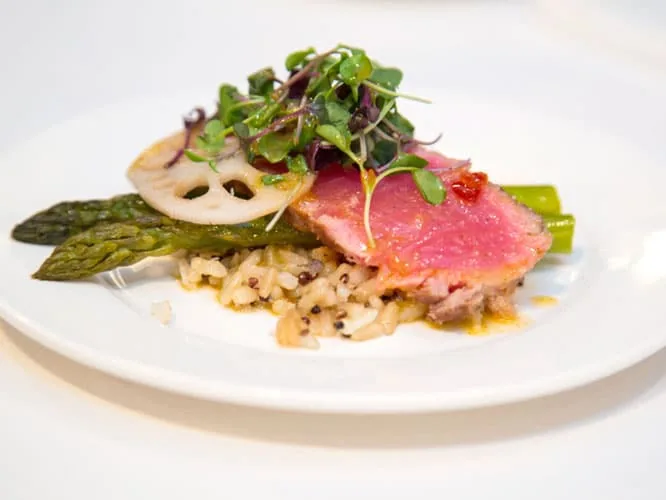
At PFC, registered dietitians design all meals and wellness chefs prepare fresh, farm-to-fork ingredients on-site. Cooking demonstrations show you how to recreate healthy meals at home so the education continues long after the program.
For months or even years, the wedding served as your main motivator. After it passes, many GLP-1 graduates feel a motivation gap because the goal that once drove every decision has ended. This pattern is common and reflects psychology rather than character.
Use these strategies to navigate the emotional transition:
PFC’s “Think” pillar includes licensed psychologists and behavioral health coaches who address emotional eating, stress management, and the root causes of weight gain. Group workshops and one-on-one counseling sessions provide structured support that research consistently shows outperforms fully automated digital interventions for weight loss maintenance.

Self-monitoring is one of the most reliable tools in behavioral weight management across food diaries, weight tracking, and activity logging. The framework below applies that principle across a structured 12-week timeline.
Weeks 1–4: Foundation
Weeks 5–8: Momentum
Weeks 9–12: Integration
Get expert help designing your 90-day plan with PFC’s team of dietitians, trainers, and behavioral health coaches.
If you prefer not to go it alone, or if you want to accelerate your results, an immersive program can provide the structure and accountability that make the 90-day plan easier to sustain. Here is what that looks like at Premier Fitness Camp.

This all-inclusive fitness and weight loss program for adults is located at the Omni La Costa Resort & Spa in Carlsbad, California. Its “Think, Eat, Move” philosophy addresses the whole person, including mind, body, and behavior.

What this program offers GLP-1 graduates:
“This program gave me the tools to maintain my weight loss and get off the medication safely. The trainers, dietitians, and psychologists helped me rebuild my metabolism and my confidence. I left with a plan I could actually follow, and I’ve kept the weight off for over a year.” — Sarah M., Program Alumna
This program has earned more than 1,200 reviews with a 90%+ five-star rating, and half of annual revenue comes from returning alumni. That loyalty reflects the program’s lasting impact.
Still have questions? Here are answers to common concerns about transitioning off GLP-1 medications.
Frequently Asked Questions
How long does it take for weight regain to start after stopping a GLP-1?
Weight regain typically becomes measurable within the first 4–8 weeks after stopping a GLP-1 medication and accelerates through the first six months. A 2025 BMC Medicine review found that regain was significant by week 8 and remained significant through week 20. The STEP-1 extension study showed regain was approximately linear in the first six months, then slowed. The speed and magnitude of regain vary by individual, so planning ahead before the last dose is strongly advisable.
Can I keep weight off after GLP-1 without strength training?
Maintaining weight loss without strength training is significantly harder. As noted earlier, without resistance training, a meaningful portion of weight loss can come from lean mass, which slows metabolism. Resistance training 2–3 times per week is the most evidence-supported strategy for preserving lean mass during and after GLP-1 use. A meta-analysis found that resistance training reduced most lean-mass loss caused by calorie restriction compared with dieting alone. The UCSD case study from PFC shows what a structured resistance training program can achieve in practice.
What protein intake do I need after stopping GLP-1?
For most adults who combine resistance training with a post-GLP-1 maintenance phase, a target of 1.6–2.2 grams of protein per kilogram of body weight daily works well. This level is roughly double the standard dietary recommendation and supports muscle preservation during the transition. The OMA/TOS/ACLM/ASN 2025 joint advisory recommends 1.2–1.6 g/kg during active weight loss, with higher targets for those who lift weights. Eating protein first at every meal is a practical way to meet your target as appetite-suppressing effects fade.
Is it safe to stop GLP-1 cold turkey after my wedding?
Abrupt cessation is not recommended. Stopping suddenly can amplify weight regain for both physiological and psychological reasons. The body has adapted to elevated appetite suppression, and hunger hormones rebound rapidly once the drug clears, within roughly five weeks for semaglutide. If nutrition and exercise habits are not yet established, the returning appetite has nothing to balance it. Working with your prescriber to taper gradually, typically reducing dose by 10–25% every 4–6 weeks while you build sustainable habits, is the medically sound approach.
What makes an immersive program like Premier Fitness Camp different from doing this on my own?
The core difference is environment and expertise. Research consistently shows that interventions with human contact outperform fully automated or self-directed approaches for weight loss maintenance. This program removes the decision fatigue of planning meals, scheduling workouts, and navigating emotional triggers alone. It replaces that burden with a structured, all-inclusive program delivered by licensed psychologists, registered dietitians, wellness chefs, and certified trainers. The 3–4:1 client-to-trainer ratio, 4–5 hours of daily training, and behavioral health support address the physiological, nutritional, and psychological dimensions of post-GLP-1 maintenance at the same time. The UCSD case study’s body composition results reflect what that combination produces in practice.
Your Journey to Sustainable Health Starts Now
Sustainable weight loss after GLP-1 for your wedding is achievable when you plan the transition deliberately. Protect your muscle with resistance training and adequate protein. Rebuild your relationship with food through sustainable eating patterns. Give yourself behavioral and emotional support so you can shift from an event-driven goal to a lifelong identity. Track your progress across more than just the scale.
Whether you follow the 90-day plan independently or choose the immersive support of an expert-led program, consistency matters more than perfection. You have already shown the commitment to make a significant change. The next step is making that change last.
Ready to start your transformation? Schedule a complimentary consultation with the Premier Fitness Camp team to discuss your goals and explore how PFC can support lasting results. Call (888) 488-8936 to speak with a specialist today.
Read Next