 5-star Wellness Resort
 5-star Wellness Resort
Written by: Chris Butt, Certified Personal Trainer & Weight Loss Coach, Premier Fitness Camp | Last updated: August 31, 2026
Delayed onset muscle soreness (DOMS) typically peaks 24–72 hours after exercise and fades by 72 hours, following a predictable curve. Discomfort starts low, climbs to peak tenderness, then gradually returns to normal. At a fitness camp, that curve rarely completes before the next training session begins.
The primary trigger for DOMS is eccentric muscle contractions, which occur when a muscle lengthens under load, such as the descent in a squat, running downhill, or lowering a weight. DOMS involves muscle tenderness, stiffness, reduced range of motion, and decreased force production, sometimes 30–50% below baseline in severe cases. Unfamiliar movements stacked on high volume amplify the inflammatory response.
The repeated bout effect provides significant protection against DOMS in later workouts, often cutting soreness by 50–80% in the second exposure and nearly eliminating it by the third or fourth. By the end of the first week at camp, the body starts adapting. The priority is getting through that first week with a structured recovery plan. Waiting until soreness becomes debilitating means you are already behind.
At a camp, you need to plan your recovery before soreness sets in. Intentional recovery keeps training productive instead of punishing.
Post-workout nutrition is the most controllable recovery variable at a fitness camp, yet many campers underestimate it. A 2026 systematic review in the British Journal of Sports Medicine found that total daily protein intake of 1.6–2.2 g/kg body weight matters more for muscle recovery than exact post-exercise timing, because muscle protein synthesis stays elevated for up to 24 hours in trained individuals.
The camp schedule changes how this plays out. Post-exercise nutrition timing becomes critical when recovery time between sessions is under 8 hours, after glycogen-depleting exercise longer than 90 minutes at moderate-to-high intensity, or during congested training schedules. At a camp with multiple daily sessions, that describes most training blocks.
The practical target is 20–40 grams of high-quality protein within a few hours of finishing a session, with 30–60 minutes recommended for those who trained fasted or for older adults, plus a meaningful carbohydrate source. Protein and carbs work best when you are hydrated. Dehydration as low as 2% of body weight impairs nutrient transport and reduces muscle protein synthesis efficiency. Electrolyte replenishment, not just water, becomes essential after sessions that produce heavy sweat loss.
Delaying carbohydrate intake by two hours after exercise can cut the short-term rate of glycogen replenishment by as much as 50%. For campers training again that afternoon or the next morning, this short-term deficit compounds across sessions.
At PFC, registered dietitians design every meal, and wellness chefs prepare fresh, farm-to-fork food on-site. Nutrition shakes are available immediately after training sessions, which removes guesswork from post-workout fueling. The “Eat” pillar of PFC’s philosophy functions as a precision recovery tool.
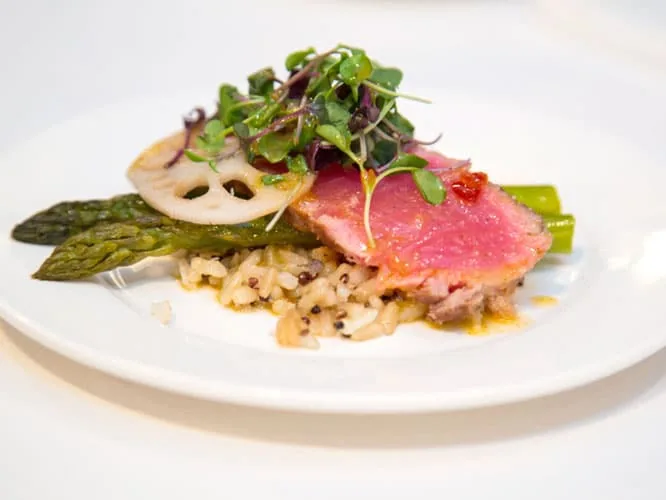
The body recovers faster when you keep it moving gently after hard training days. A large meta-analysis in Frontiers in Physiology found that active recovery, meaning light, low-intensity exercise the day after a hard workout, significantly reduced DOMS compared to passive rest. Active recovery increases blood flow to sore muscles, clears chemical signals that drive pain sensitivity, and delivers nutrients for repair.
Effective active recovery activities include:
The combination of active recovery, adequate protein intake, and 7–9 hours of sleep produces the most consistent muscle recovery results across the research literature. PFC puts this research into practice. Active recovery is woven into the program rather than left to chance.
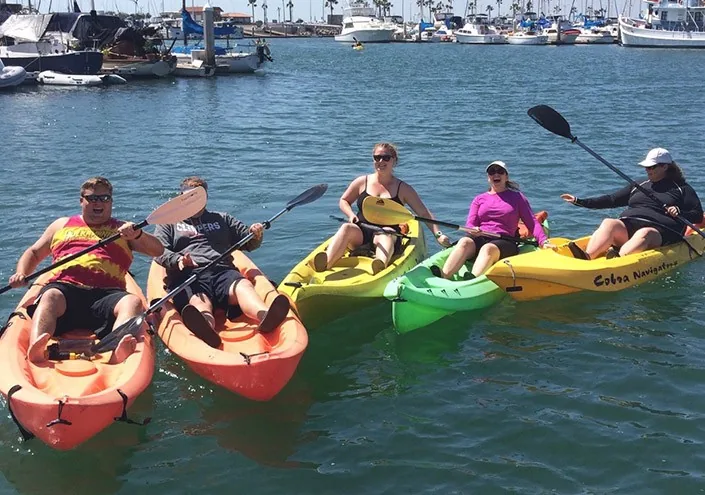
Outdoor activities such as beach walks along the Pacific coast, hikes through Torrey Pines, and stand-up paddleboarding serve as natural active recovery sessions. These options keep the body moving without adding excessive training stress. PFC’s trainers build mobility work into daily programming, and the 3–4:1 trainer-to-client ratio ensures that every camper receives personalized attention to movement quality as well as intensity.
Sleep drives more recovery than any other single modality. Up to 75% of daily growth hormone release occurs during sleep, with the largest pulse in the first deep sleep cycle, usually within the first hour after falling asleep. Growth hormone provides the primary stimulus for muscle protein synthesis and tissue repair, which turns training stress into adaptation.
Sleep deprivation creates anabolic resistance and reduces the muscle’s ability to adapt to training loads. Mechanisms include increased pro-inflammatory cytokines, elevated cortisol, decreased growth hormone and testosterone, reduced IGF-1, insulin resistance, and reduced glycogen replenishment. For campers already managing high training volume, poor sleep actively undermines recovery.
The target, as noted earlier, is 7–9 hours of uninterrupted sleep per night, with those in heavy training often needing the higher end of that range. Practical strategies for sleeping well at a residential camp include:
PFC’s luxury accommodations at Omni La Costa Resort include plush bedding, private patios, and a calm resort environment that supports consistent, restorative sleep. The structured daily schedule, with training, meals, and education at predictable times, helps campers lock in circadian rhythm consistency, which sleep science identifies as a high-impact intervention.
Spa treatments at a fitness camp function as part of a structured recovery plan. A 2018 systematic review and meta-analysis by Dupuy et al. in Frontiers in Physiology, which analyzed 99 randomized controlled trials, found that massage was the most effective technique for reducing delayed onset muscle soreness and perceived fatigue after exercise.
Massage supports recovery through several mechanisms. It modulates pain through gate control theory, reduces pro-inflammatory cytokines such as IL-6 and TNF-α, and promotes parasympathetic nervous system recovery. For reducing DOMS, a 10–20 minute massage applied immediately post-exercise or within 24 hours works well, using light-to-moderate, comfortable pressure.
Massage is one part of a broader toolkit. Red light therapy is an emerging modality with growing evidence for muscle recovery applications. Cold water immersion has a particularly strong evidence base. A 2025 network meta-analysis found that cold water immersion for 10–15 minutes at 11°C to 15°C was the most effective protocol for reducing perceived soreness.
At PFC, the La Costa Spa, ranked #1 Wellness Spa in the Nation by Spa Magazine, sits at the center of this strategy. Three spa treatments per week are included in the program. Campers can choose from more than 30 treatment options, including hot stone massage, deep relaxation massage, detoxifying sea mineral body wraps, and reflexology. These services create recovery infrastructure built into the camp experience.
The resort environment also supports recovery. The serene 450-acre Omni La Costa campus, the moderate year-round climate of Carlsbad, California, and the break from daily home stressors all help lower cortisol. Chronically elevated cortisol suppresses muscle protein synthesis and increases inflammation, so a calmer setting directly supports better recovery.
Physical recovery and psychological recovery work together. Overtraining triggers hormonal changes, including chronically elevated cortisol that suppresses serotonin and dopamine production, which can lead to irritability, anxiety, and mood swings. Stress from training, anxiety about keeping up, or fear of falling behind all activate the same HPA axis and cortisol response as physical stress, which reduces the body’s capacity to recover.
NASM urges coaches to take psychological signs of overtraining seriously. Persistent low mood, loss of motivation, or symptoms that resemble depression or burnout deserve real attention. At a fitness camp, this psychological dimension of recovery becomes especially important for first-time campers who may feel pressure to keep pace with others or who carry emotional weight around their health history.
Recognizing this, PFC’s “Think” pillar addresses psychological recovery directly. Licensed psychologists and behavioral health coaches are on staff. Group workshops cover emotional eating, stress management, limiting beliefs, and life-work balance. One-on-one counseling sessions support deeper work, and meditation plus inner connection sessions appear on the weekly schedule.

Paula L., a PFC client who lost 30 pounds during her stay, described the experience this way: “My lack of self confidence, self-doubt and anxiety were at an all time high. I am now off of my anti-depressants and have a whole new outlook on life physically, mentally and spiritually.” Her transformation extended beyond physical changes. Recovery that supports the whole person produces results that last.
High training volume defines a fitness camp, while overtraining undermines it. The distinction matters. Recognizing warning signs early allows campers and trainers to adjust before a productive challenge turns into a setback.
Soreness that lasts beyond 72 hours in the same muscle groups, or soreness that worsens instead of improving, signals a need to modify intensity. NASM recommends using autoregulation tools like rate of perceived exertion (RPE) so clients can dial back on depleted days, and tracking loads, performance, and session feel to catch problems early.
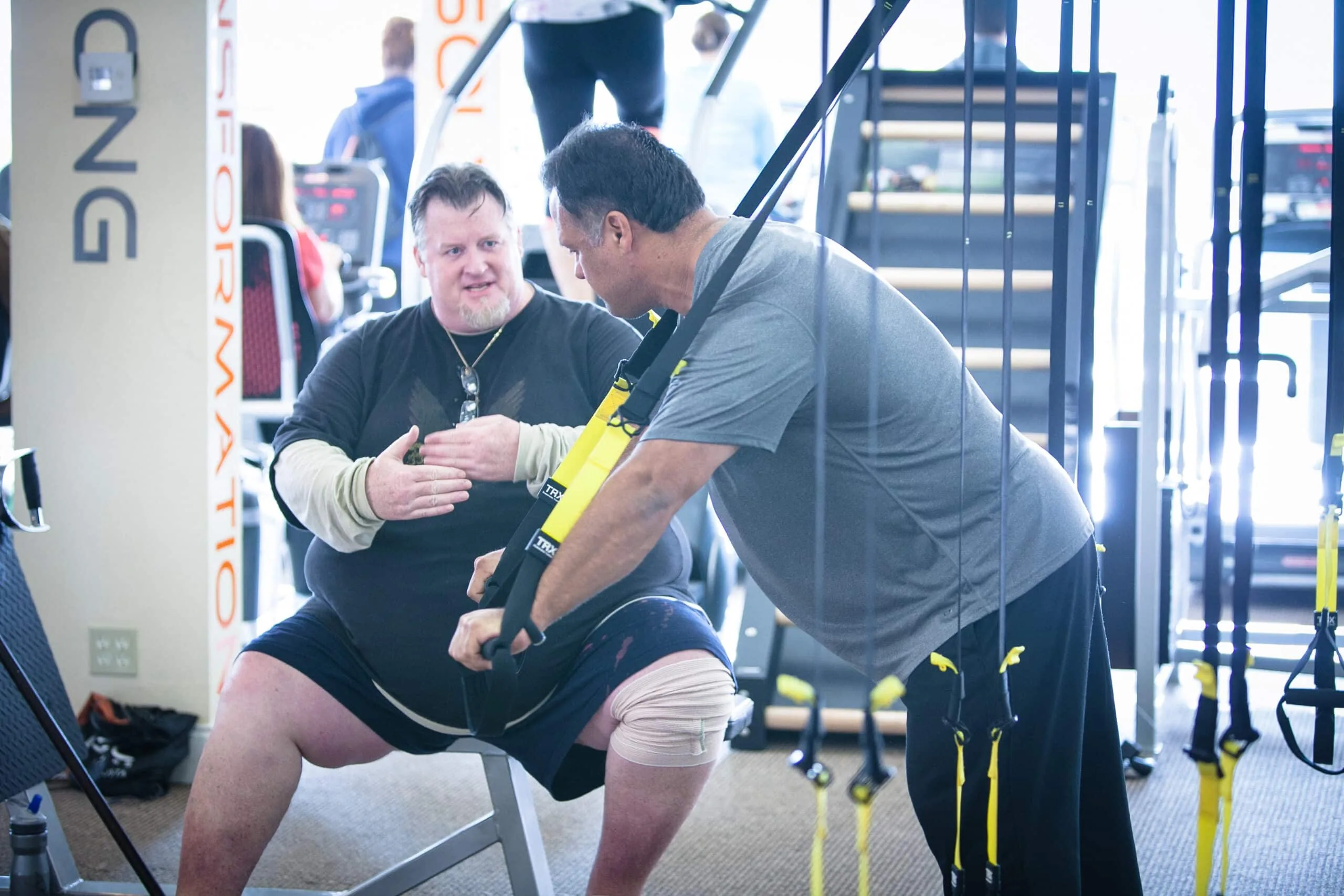
At PFC, the 3–4:1 trainer-to-client ratio ensures that no camper blends into the crowd. Trainers watch movement quality, energy levels, and performance in every session. The 17-point weekly report card, which tracks weight, body fat, measurements, blood pressure, mile time, plank hold, push-ups, and blood markers, provides objective data that highlights when a camper needs more recovery. Every class allows real-time modifications for any fitness level, from 400-pound beginners to seasoned athletes.
The seven principles above, including managing cumulative fatigue, fueling the post-workout window, embracing active recovery, optimizing sleep, using spa treatments, managing psychological stress, and recognizing overtraining signals, create a complete recovery framework for an immersive fitness camp. Each principle supports the others.
PFC integrates these recovery principles into every part of the experience instead of leaving campers to figure them out alone. PFC’s integrated approach means recovery is handled by experts at every level: dietitians and chefs manage nutrition, degreed trainers incorporate mobility and active recovery, licensed psychologists address mental fatigue, and the La Costa Spa provides three evidence-based treatments weekly. Luxury accommodations support restorative sleep, while the 17-point weekly report card offers objective data to guide adjustments.
The UCSD case study result, where 94% of client weight loss came from pure fat while lean muscle was preserved or increased, reflects this integrated approach. That outcome aligns with PFC’s 1,200+ reviews with a 90%+ five-star rating and a 50% alumni return rate. When recovery sits at the center of the program, results last.