 5-star Wellness Resort
 5-star Wellness Resort

Written by: Chris Butt, Certified Personal Trainer & Weight Loss Coach, Premier Fitness Camp
These participant stories show the range of outcomes people experience at Premier Fitness Camp. Each person’s weekly progress was tracked across 17 data points, including weight, body fat percentage, body measurements, blood pressure, fitness tests, and key lab markers. This structure ensured that every win beyond the scale was captured and celebrated.

Lauren M. — Lost 140 lbs (Start: 320 lbs → End: 180 lbs)
Lauren’s story appeared on The Today Show. Her weekly report card showed steady drops in blood pressure and glucose alongside scale progress. Her non-scale victories included restored confidence, better posture, and the ability to maintain a fitness routine on her own. “I found myself again; got my confidence back; learned how, for my body type, I needed to eat and exercise; and most importantly, I learned how to adopt a healthy, sustainable lifestyle.”
Crissy — Lost 109 lbs (Start: 512 lbs → End: 403 lbs)
Featured on The Doctors, Crissy’s tracking showed consistent reductions in waist and hip measurements and a faster mile time. Her non-scale victories focused on growing physical strength and the deep friendships she formed. “I lost over 110 pounds, but more than that I have gained so much knowledge and strength—both physically and mentally.”
Alex — Lost 97 lbs (Start: 352 lbs → End: 255 lbs)
Alex’s report card documented both body-composition changes and the resolution of binge-eating triggers through behavioral health sessions. His non-scale victories included uncovering the root causes of emotional eating and building sustainable cooking habits. “This journey has been more than weight loss for me. I’ve been able to find the root of my binge eating disorder and progress towards recovery through healthy cooking.”
Kerri — Lost 31 lbs (Start: 246 lbs → End: 215 lbs)
Managing Type 1 Diabetes, Kerri focused closely on weekly glucose and blood pressure readings. Her non-scale victories appeared early and often. She could tie her shoes more easily, breathe better, and stand taller. “It wasn’t so much about losing weight but what I was gaining. Strength, energy, a sense of fun.”
Paula L. — Lost 30 lbs (Start: 187 lbs → End: 157 lbs)
Paula’s tracking captured improvements in cholesterol and blood pressure along with weight loss. Her most meaningful non-scale victory was tapering off antidepressants under medical supervision. “I am now off of my anti-depressants and have a whole new outlook on life physically, mentally and spiritually.”
Yasmin — Lost 30 lbs (Start: 225 lbs → End: 195 lbs)
Yasmin’s weekly report card showed steady reductions in waist, hip, and upper arm measurements. Her defining non-scale victory was a lasting mindset shift. “Weight loss is a lifestyle, not a quick fix. It also isn’t about the number on the scale, but about how you feel.”
Scott — Extended Stay of Eight Weeks
Scott originally booked two weeks and chose to stay for eight, a pattern that mirrors the 50% alumni return rate. His multi-week tracking showed compounding gains in push-up count, plank time, and mile pace that a single week could not produce. “This is a life-changing experience. I signed up for two weeks and stayed for eight.”
A GLP-1 Graduate’s Transition Story
A participant in her mid-40s arrived after several months on semaglutide. Her arrival DEXA scan confirmed significant lean mass loss alongside scale-weight reduction. Research shows that GLP-1 medications can cause substantial lean tissue loss when nutritional and resistance-training support are missing. Registered dietitians set her meals around 1.2–1.5 grams of protein per kilogram of body weight each day. Trainers emphasized resistance training in every session. Her weekly report card tracked lean mass recovery, glucose normalization, and blood pressure improvement together. By week four, her resting metabolic rate had stabilized. She left with a post-medication maintenance plan and the exercise habits needed to sustain her results on her own.
If this type of structured, data-driven approach matches your goals, schedule a no-cost consultation or call (888) 488-8936 to speak with an advisor.
Most adults considering a residential program worry less about losing weight during their stay and more about keeping it off afterward. That concern reflects real-world patterns. Approximately 20% of individuals who lose weight maintain that loss long-term, defined as losing at least 10% of initial body weight and sustaining it for at least one year. Biological changes such as reduced calorie burn and increased hunger, combined with a lack of ongoing behavioral support, drive most regain.
The Think-Eat-Move curriculum directly addresses each documented relapse trigger by using evidence-based behavior-change tools. The Canadian Adult Obesity Clinical Practice Guideline recommends that at least one member of any obesity care team build skills in self-monitoring, goal setting, cognitive restructuring, and motivational interviewing. Premier Fitness Camp delivers these competencies through licensed psychologists and behavioral health coaches who are integrated into every participant’s program.

Shame and all-or-nothing thinking strongly predict relapse. Rigid dietary restraint is linked to higher weight-regain risk, while flexible restraint and self-compassion improve resilience. Group workshops normalize plateaus and setbacks and frame them as expected phases of a non-linear process rather than personal failures.
After camp, participants receive virtual coaching, personalized meal plans, and ongoing access to trainers by email. This structure aligns with research showing that frequent long-term contact with an interventionist, delivered monthly or twice monthly, is the most successful method for preventing weight regain. The fact that 50% of annual revenue comes from returning alumni reflects a community that treats the program as a recurring anchor for sustainable health.
If long-term maintenance is your main concern, you can discuss your maintenance plan with an advisor or call (888) 488-8936 to review post-camp support options.
The UCSD case study evaluated participants who stayed four or more weeks and received DEXA scans, the gold standard for body-composition measurement, at the start and end of their program. The 94% fat-only loss finding contrasted sharply with typical aggressive weight-loss programs, where lean muscle loss often accounts for roughly 40% of total weight lost. Because lean muscle drives resting metabolic rate, programs that erode muscle also erode the body’s capacity to maintain weight loss, which becomes a primary mechanism behind weight regain.
Beyond preserving metabolic rate through lean mass retention, the program tracks a broader set of health improvements that participants notice before the scale moves. These non-scale victories, captured weekly through the report card, often provide the motivation needed to sustain long-term change. Non-scale victories often occur before weight changes on the scale and can contribute to long-term gains in heart health, according to Allina Health.
Common non-scale victories reported by alumni include:
The Look AHEAD 8-year follow-up found that increases in fat mass were associated with worse physical performance scores and slower gait speed. Decreases in lean mass were linked to weaker grip and knee extensor strength. These findings show that preserving lean tissue during weight loss supports daily function, not just appearance. The resistance-training focus and protein-forward nutrition plan at Premier Fitness Camp are designed specifically to protect lean mass.
The program’s structure explains its outcome advantage over many other residential options. Most competitors, including Live In Fitness, Unite Fitness Retreat, and Hilton Head Health, emphasize exercise and calorie restriction but provide limited education and behavioral support for maintenance. Premier Fitness Camp uses a multidisciplinary team that includes certified trainers with bachelor’s and master’s degrees, registered dietitians who design every meal and lead workshops, wellness chefs who prepare fresh farm-to-fork meals on-site, and licensed psychologists who provide group sessions and individual counseling.

A 3–4:1 client-to-trainer ratio ensures individualized attention at every fitness level, from a 400-pound beginner who can walk only 250 feet to a seasoned athlete chasing a new performance goal. Competitors such as Canyon Ranch and Civana position themselves as wellness retreats rather than results-focused transformation programs, and their outcomes reflect that difference.
The setting further supports results. The program operates exclusively at the Omni La Costa Resort and Spa in Carlsbad, California, a 450-acre property with dedicated on-site facilities and a year-round moderate climate. Participants have access to beach boot camps, Torrey Pines hikes, stand-up paddleboarding, and kayaking. Nature-adjacent venues produce measurably better wellness outcomes than urban venues, including lower cortisol levels and improved mood, which gives this location an advantage over downtown or extreme-heat settings.
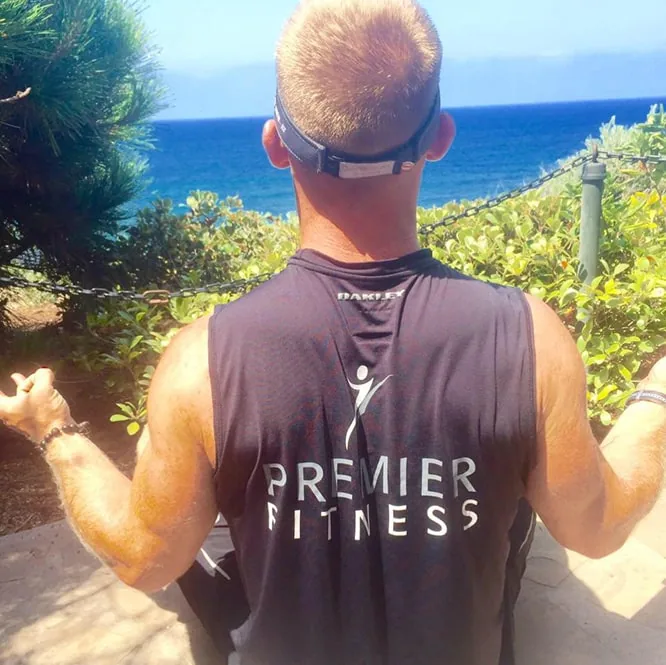
Three spa treatments per week are included in the all-inclusive program to support recovery and psychological wellbeing alongside training. A 50% alumni return rate and a 90%+ five-star rating across more than 1,200 reviews show a program that earns long-term loyalty through consistent, measurable results.
To see how the team would design a stay around your specific goals, you can connect with the team for a personalized consultation, call (888) 488-8936, or schedule online.
A multidisciplinary team addresses the medical, nutritional, behavioral, and physical sides of weight management at the same time. When a registered dietitian, licensed psychologist, and certified trainer follow a shared plan, each professional reinforces the others’ guidance. The behavioral health component plays a central role. Emotional eating, limiting beliefs, and stress responses are common drivers of weight regain and require structured psychological support, not just willpower. The Think-Eat-Move curriculum weaves all three disciplines into every week of the program, which leads to the body-composition outcomes documented in the UCSD study.

This program fits GLP-1 graduates who want a stable foundation after medication. When GLP-1 medications stop without a structured lifestyle plan, weight regain often follows because appetite signals return. Research shows that GLP-1 medications can cause substantial lean tissue loss when resistance training and adequate protein intake are missing, which can slow metabolic rate and speed regain. Premier Fitness Camp addresses this directly. Registered dietitians design high-protein meal plans, trainers prioritize resistance training in every session, and behavioral health coaches build habits that support medication-independent maintenance. The program does not discourage GLP-1 use. It provides the educational and physical base that helps those medications work more sustainably.
After departure, participants receive virtual coaching, personalized home meal plans, individualized exercise programming, and ongoing email access to trainers. This structure matters because research consistently identifies frequent, ongoing contact with a health professional as the most effective method for preventing weight regain after initial loss. The 50% alumni return rate reflects a community that uses the program as a recurring anchor. Many participants return annually for a reset and reconnect with staff they already know. The weekly report card from each stay also creates a long-term health record that helps identify early signs of regain before they grow.
One week provides a strong kickstart, with measurable changes across several data points and new habits and knowledge. Two weeks build real momentum. Research on habit formation shows that without deliberate follow-through, new wellness behaviors often fade within two to four weeks, which is why a minimum of three weeks is recommended for participants seeking lasting behavioral change. Four weeks or more deliver the body-composition results validated in the UCSD case study. Many first-time participants book one week and extend their stay on-site after they experience the program’s impact. Extended stays of up to several months are available for deeper transformation.
The UCSD case study documenting fat-focused loss, lean mass preservation, and metabolic rate outcomes is available directly through Premier Fitness Camp. Additional evidence informing this article includes the Look AHEAD 8-year follow-up trial, the Canadian Adult Obesity Clinical Practice Guideline, the Cleveland Clinic GLP-1 discontinuation study, and Allina Health’s non-scale victories research.
If these stories and data match the kind of outcome you want, the next step is a conversation with the team. Schedule your personalized session online at no cost or call (888) 488-8936 to talk through your goals and timeline.