 5-star Wellness Resort
 5-star Wellness Resort
Written by: Chris Butt, Certified Personal Trainer & Weight Loss Coach, Premier Fitness Camp | Last updated: August 19, 2026
Clients train 4–5 hours per day, Monday through Friday, with a half day on Saturday. That schedule requires purpose-built activewear in enough quantity to stay comfortable without daily laundry.
For participants training daily with weekly laundry access, 12–15 activewear pieces is the practical minimum. The quantities below fit a 7–14 night stay.
Bottoms
Tops
Sports Bras (women)
Footwear
Socks
Carlsbad has a Mediterranean climate with average daytime highs ranging from about 64 °F in winter months to 75 °F in summer, with low annual rainfall concentrated primarily between November and March. Rain rarely affects programming, but the coast has its own microclimate quirks that matter for packing.
Sun Protection
Hydration
Layering
Swimwear and Resort Wear
Recovery Tools
Recovery is not optional, because it functions as a core part of the program. That focus produces measurable results, as a UCSD case study of participants who stayed four or more weeks found that 94% of total weight loss was purely fat, with lean muscle mass preserved or increased. Researchers attributed this outcome to the program’s combination of structured training and expert nutrition. Maintaining that muscle-preserving effect between sessions requires deliberate recovery habits on your part.
Toiletries
Health and Medications
Electronics and Comfort
Packing intentionally means editing as much as adding. What you leave behind can be as powerful as what you bring, because unnecessary items create daily decisions that an immersive program is designed to eliminate.
Skip items that work against the reset mindset.
You can book a free consultation with the team to talk through exactly what your stay will look like. Call (888) 488-8936 or schedule online. The consultation is personalized, no-pressure, and completely free.
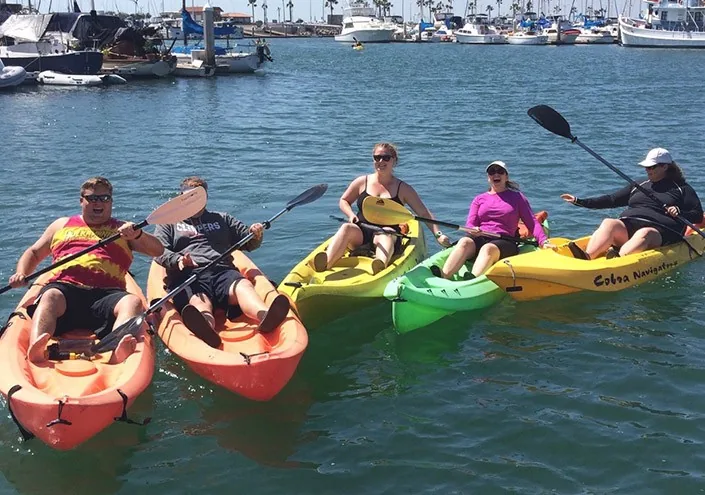
The outdoor programming at Premier Fitness Camp stands out. Beach boot camps on the Pacific coast, hikes through Torrey Pines State Natural Reserve, Double Peak Park, and Batiquitos Lagoon, plus stand-up paddleboarding and kayaking, all require a few items beyond a standard gym bag.
For Beach Boot Camps
For Torrey Pines and Lagoon Hikes
For Pool and Spa Access
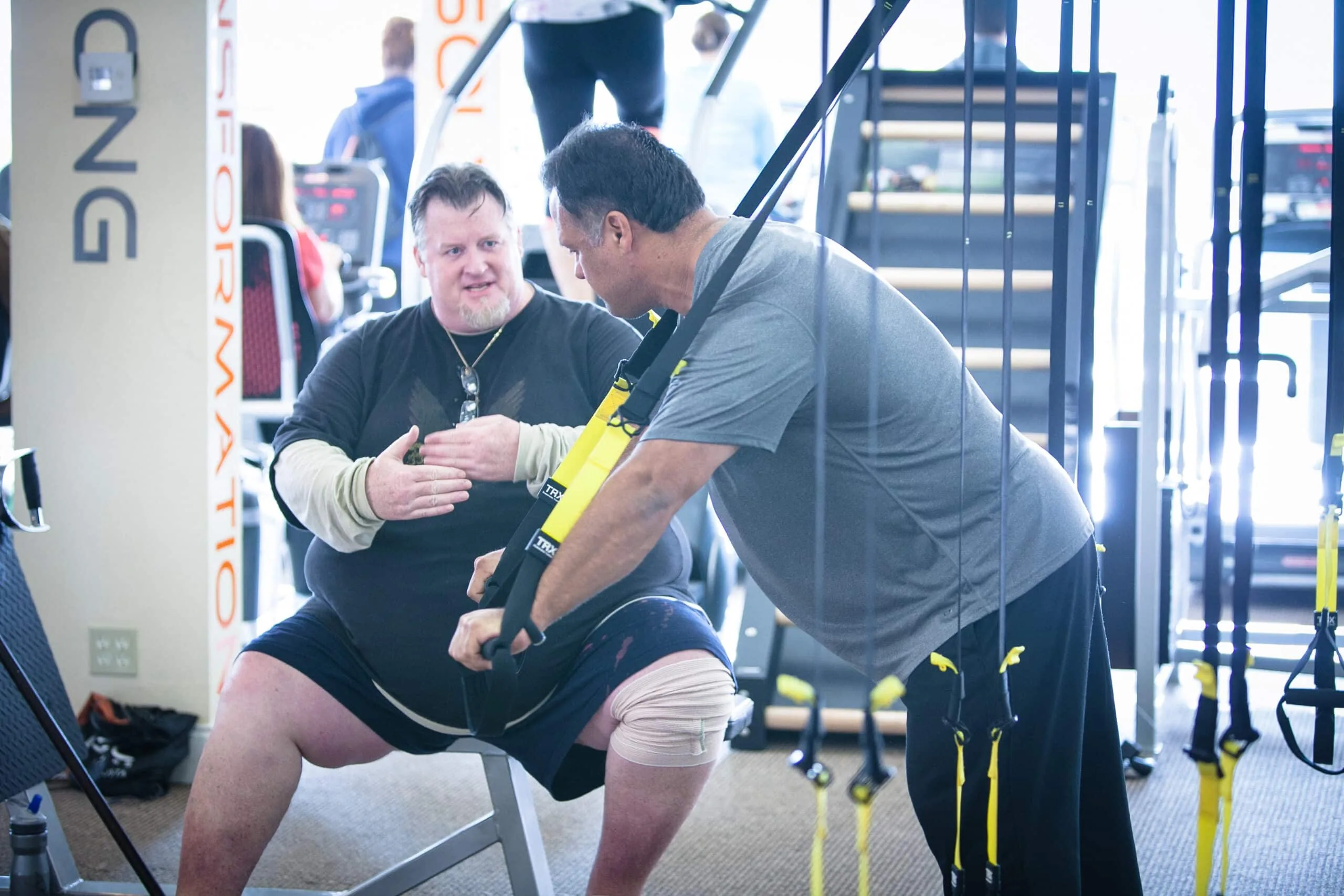
Julie Robinson, who attended for a one-week reset, described the experience this way: “What a week!! Needed a reset and I found it! The trainers, the staff, the Chefs! All amazing and work with all levels.” That sense of being met exactly where you are, on a beach, on a trail, or in a spin class, reflects the 3–4:1 trainer-to-client ratio.
First-timer nerves about packing are completely normal and show that you are taking this seriously. The checklist above covers every environment the program uses, including the gym floor, the Pacific coast, the Torrey Pines trail, the pool deck, and the spa, so nothing catches you off guard on day one.
Program inclusions handle the rest: all meals prepared by registered dietitians and wellness chefs, all fitness classes led by trainers with bachelor’s and master’s degrees, behavioral health support from licensed psychologists, weekly tracking across 17 health data points, and three spa treatments per week at the La Costa Spa. The program has earned 1,200+ reviews with a 90%+ five-star rating, and 50% of annual revenue comes from alumni who return year after year because the experience delivers lasting value.
Your job is to show up. The program’s job is to handle everything else.
Book a free consultation with the team today. Call (888) 488-8936 or schedule online. The conversation is free, personalized, and a natural first step toward your transformation at the Omni La Costa Resort in Carlsbad, California.
No. All equipment used in fitness sessions is provided, including weights, TRX suspension systems, boxing gear, ropes, balls, spin bikes, and everything needed for barre, Tabata, and interval training. The only personal equipment worth bringing is items that support your individual recovery between sessions, such as a travel foam roller, a massage ball, compression socks, and recovery sandals. Trekking poles are optional for hike days and can be useful for participants with knee sensitivity, but they are not required.
For a one-week stay with access to laundry, 7–10 complete workout sets, including top, bottom, and sports bra for women, is a comfortable minimum given 4–5 hours of daily training. For a two-week stay, 12–15 pieces is the practical target. Training days are intensive and involve multiple environments such as the indoor gym, beach, and hiking trail, so outfits get genuinely used. Packing fewer sets and planning a mid-week laundry cycle works well for longer stays. The Omni La Costa Resort offers laundry services on-site.
Torrey Pines State Natural Reserve features sandstone cliffs, uneven trail surfaces, and moderate elevation gain. Well-broken-in trail running shoes with lateral support are the most important item. Moisture-wicking socks, ideally with some compression, reduce blister risk and support circulation on the descent. A UPF 50+ sun hoodie or lightweight long-sleeve layer handles both sun exposure and the cooler marine-layer temperatures that can persist on coastal trails into late morning. Bring a handheld water bottle or hydration belt, because trail access to water is limited. Trekking poles are optional but genuinely useful for participants managing knee or ankle sensitivity.
Carlsbad’s Mediterranean coastal climate is mild year-round, with daytime highs typically between 66 °F and 79 °F and minimal rainfall outside of winter months. The main weather variable to prepare for is the marine layer, a low coastal overcast that keeps mornings cooler and occasionally damp before burning off by midday. A packable windbreaker or light jacket handles morning outdoor sessions comfortably. Evenings on the Omni La Costa resort grounds can feel noticeably cooler than afternoon highs, so a mid-layer fleece or zip hoodie is worth packing for post-dinner walks or outdoor group sessions. Sun protection remains essential year-round because coastal UV levels stay significant even on overcast mornings.
The most commonly forgotten items include a warm layer for cool evenings, a journal for capturing insights from behavioral health workshops and nutrition sessions, blister pads for the first few days of trail hiking, and a dry bag for beach sessions. The items most often regretted include work laptops, because the program’s structure makes working impractical and counterproductive, excessive supplements that duplicate what the dietitian-designed meal plan already provides, and formal clothing that never gets worn. The all-inclusive structure, with meals, training, education, spa, and accommodations all on the Omni La Costa campus, means the program itself handles most daily needs. Packing light and intentionally supports the reset mindset from the moment you arrive.