 5-star Wellness Resort
 5-star Wellness Resort
Written by: Chris Butt, Certified Personal Trainer & Weight Loss Coach, Premier Fitness Camp
If you are over 40 and feel out of shape, the shame, overwhelm, and fear of starting again are more common than you think. Maybe you have tried before without lasting results. Maybe you worry about injury. You might look in the mirror and wonder whether real change is still possible at this age.
The answer is yes, unequivocally. Your body responds to training at any age. It needs a realistic, science-backed plan that respects your physiology, your time, and your life. This article provides that plan with a phased comeback that meets you where you are, emotionally and physically.
If you want to move faster with expert guidance and an immersive, luxury experience, you can talk with a PFC coach in a free consultation to discuss your goals and learn how the program supports lasting results.
Your struggle is not in your head. Your body is changing in predictable, well-documented ways.
Adults gradually begin losing muscle mass and strength in their 30s or 40s, and may lose as much as 8% of muscle mass per decade, a condition called sarcopenia. This loss of muscle leads to a slower metabolism, reduced strength, and a higher risk of falls and injury. Hormonal shifts compound the problem. Testosterone declines in men, and estrogen shifts during perimenopause and menopause in women, which further alters body composition and fat storage. Tendons and ligaments adapt more slowly than muscles because they have less blood supply. This slower adaptation lowers your injury threshold and makes recovery take longer.
Here is the critical counterpoint. Adults aged 40–60 can gain muscle at comparable rates to younger individuals when following evidence-based programs that prioritize recovery and joint health. Sarcopenia is easier to prevent at 45 than to reverse at 65. However, it is reversible at 65, 75, and beyond. In fact, adults in their 80s have built measurable lean mass in supervised resistance programs. The body responds to training at any age. It is never too late to start, and the next step is believing that change is possible for you.
Before you touch a dumbbell, your mental hurdles deserve direct attention. Psychological barriers such as believing one is too old, too unfit, or too vulnerable to exercise can become self-reinforcing. Avoiding movement reduces fitness, and declining fitness makes future activity feel even more challenging. Fear of injury, feeling too far gone, and past failed attempts often keep people stuck more than any physical limitation.
Use these practical strategies to shift your mindset and build momentum:
Lauren M., a PFC client who lost 140 lbs and was featured on The Today Show, described her experience this way: “I found myself again; got my confidence back; learned how, for my body type, I needed to eat and exercise; and most importantly, I learned how to adopt a healthy, sustainable lifestyle.”
This four-week plan gives you a clear starting point. It is designed for beginners, and every workout can be adapted to your fitness level, including modifications for bad knees or backs.
Week 1: Build the Habit focuses on establishing a routine with low-impact cardio and simple bodyweight movements.
Week 2: Increase Consistency builds on that base by adding a bit more strength and slightly longer sessions.
Week 3: Add Intensity introduces intervals and light resistance so your body keeps adapting.
Week 4: Build Momentum combines elements into more challenging sessions while keeping them joint-friendly.
Increase training volume by no more than 10% per week so tendons and connective tissue can keep pace with your progress. Consistency beats intensity every time.
Nutrition forms the foundation of your comeback, and protein is the most important lever for adults over 40.

Increasing protein intake to 20–35 grams per meal helps treat and reverse sarcopenia. More broadly, adults over 40 need 1.6–2.0 g of protein per kilogram of body weight daily for maintenance, rising to 2.0–2.4 g/kg when actively building muscle. Spread this across 4–5 meals of 30–40 g each. In a caloric deficit without sufficient protein, up to 30–40% of lost weight can be muscle, which slows metabolism and encourages weight regain.
Beyond protein, focus on these core nutrition principles:
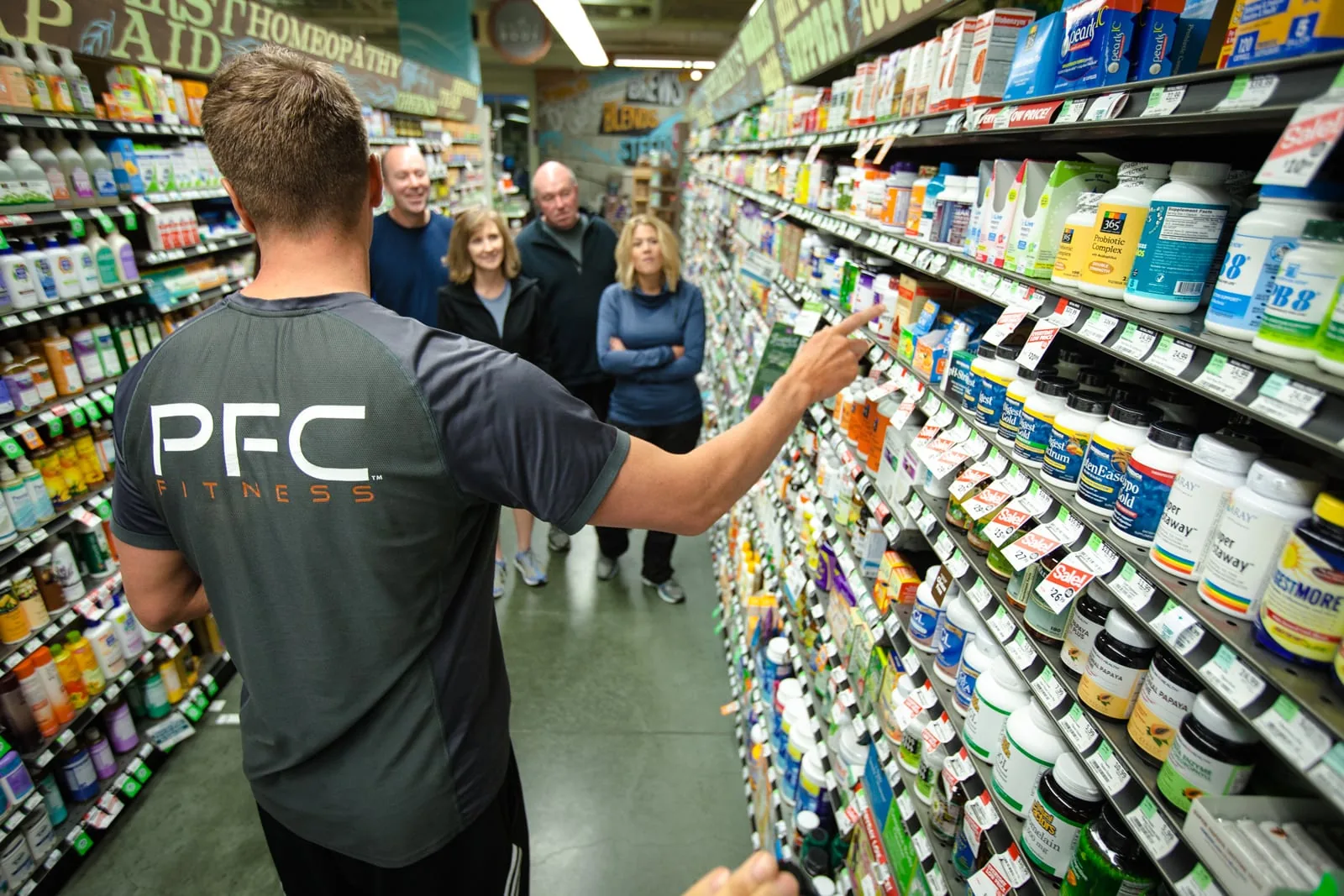
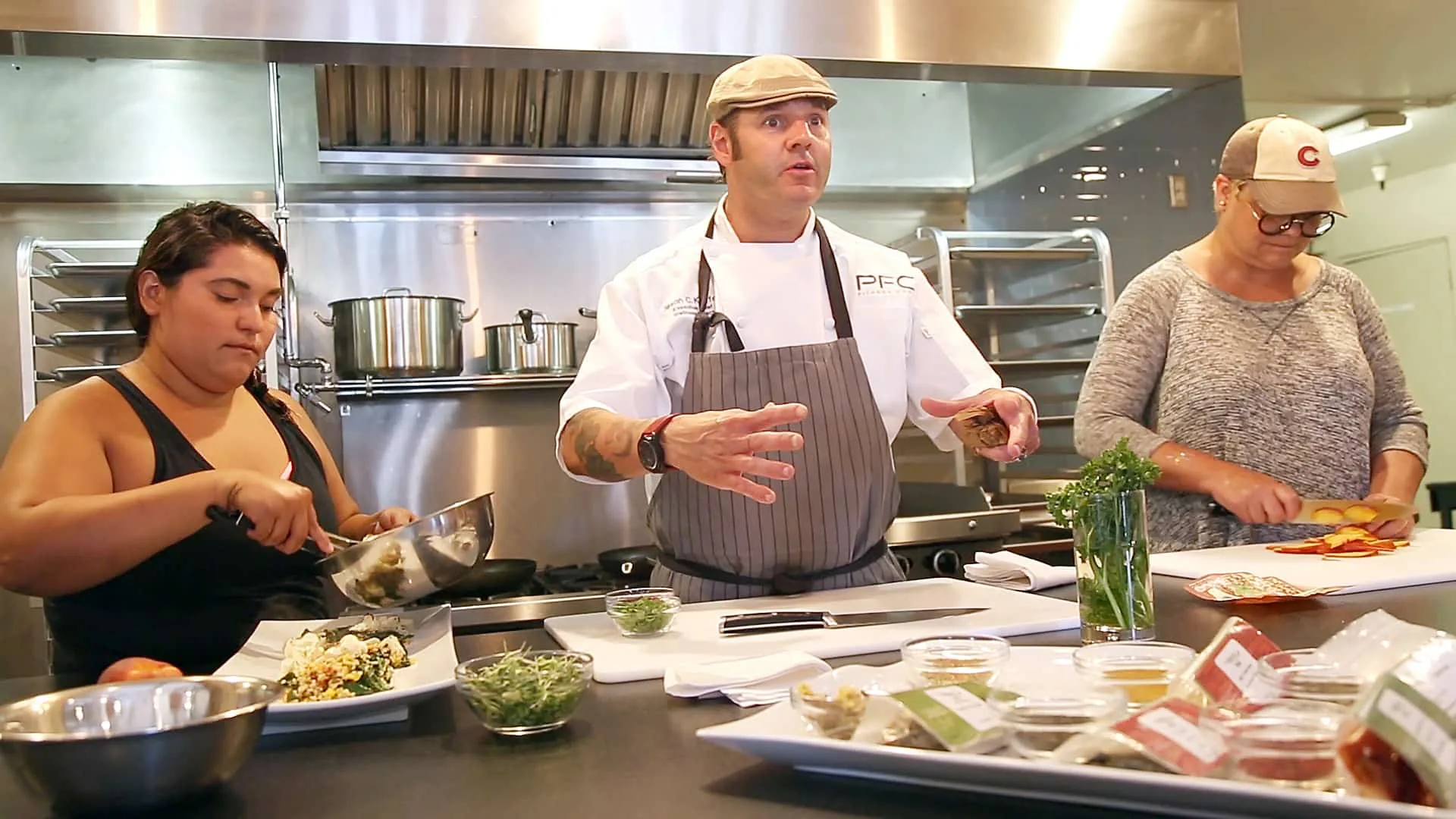
At PFC, registered dietitians design all meals and lead nutrition education sessions, and wellness chefs prepare fresh, farm-to-fork food on-site. Clients practice how to cook healthy meals at home so the habits stick long after they leave. Strong nutrition also supports faster recovery, which becomes more important after 40.
Recovery is where adaptation happens. Your body repairs and grows stronger during rest, not during workouts. The strategies below work together to improve recovery, reduce injury risk, and keep you training consistently.
PFC includes three spa treatments per week at the Omni La Costa Spa, ranked #1 Wellness Spa in the Nation by Spa Magazine. These services support recovery, reduce inflammation, and promote the mental reset that keeps clients consistent.
Progress follows a predictable arc for adults over 40 who train and eat well consistently. Use this timeline as a guide, not a rigid rule.
Weight loss rarely moves in a straight line. Celebrate non-scale victories such as energy, strength, measurements, and sleep quality, because these often change before the scale does. The bathroom scale often shows less change than body composition measurements because muscle preservation offsets a portion of fat loss in total weight.
If you want to move through this timeline faster and with more support, you can accelerate your results with a free PFC consultation. With 1,200+ reviews and a 90%+ five-star rating, the outcomes are well documented.
Adults who want expert guidance, accountability, and lasting results benefit from an immersive environment. Premier Fitness Camp (PFC) focuses on sustainable transformation rather than temporary fixes.
PFC’s “Think, Eat, Move” philosophy addresses the whole person:
A UCSD case study found that 94% of PFC client weight loss was purely fat, compared to the typical 60/40 fat-to-muscle ratio of standard dieting. Lean muscle was preserved or increased. Clients lose an average of 3–4 lbs of fat per week. Progress is tracked across 17 data points weekly: weight, body fat, measurements, blood pressure, cholesterol, glucose, mile time, push-ups, and plank time. That way, every win is visible, not just the ones on the scale.
PFC operates exclusively at the Omni La Costa Resort & Spa in Carlsbad, California, a 450-acre luxury resort with dedicated on-site facilities and a year-round moderate climate. Clients enjoy beach boot camps, Pacific coast hikes at Torrey Pines, stand-up paddleboarding, and kayaking. Everything happens under one roof, with no vans to off-site gyms and no food delivered from elsewhere.
Irene Tchaikovsky, a PFC client, described her experience: “What began as a simple one-week reboot has transformed into a complete lifestyle shift. PFC equips you with the knowledge, tools, and support to make meaningful — and sustainable — changes.”
With 1,200+ reviews, 90%+ five-star ratings, and 50% of annual revenue from returning alumni, PFC delivers results that last. If you are ready to start, schedule your free consultation with the PFC team today. Call (888) 488-8936 or schedule your personalized consultation online.
No. As mentioned earlier, adults aged 40–60 can build muscle at rates comparable to younger individuals when they follow structured programs. The physiological changes that come with aging, such as muscle loss, hormonal shifts, and slower connective tissue recovery, are real, yet they remain changeable. Sarcopenia is reversible at 65, 75, and beyond. Consistency matters more than age. Starting with a realistic, phased plan that respects your body’s current capacity is the most effective path forward, regardless of where you are starting.
As detailed in the “Realistic Timelines” section above, most adults feel better within 2–4 weeks, see strength gains by 4–8 weeks, and notice visible body composition changes by 8–12 weeks. Significant transformation usually takes 3–6 months. Progress may move a bit slower than it did at 25, yet the results are fully achievable and tend to last longer when you build them gradually.
Joint pain rarely disqualifies you from exercise. In most cases, the right kind of movement is therapeutic. Low-impact exercises like swimming, cycling, resistance band training, and bodyweight movements such as wall push-ups and glute bridges build strength while reducing joint stress. Key principles include starting with controlled, full range-of-motion movements, warming up for 10–15 minutes before every session, and never increasing training volume by more than 10% per week. At PFC, trainers hold a 3–4:1 ratio and offer modifications for every exercise, including a dedicated low-impact training track for clients with health limitations. Every class is structured so that every fitness level, including those with bad knees, bad backs, or prior injuries, gets exactly what they need.
No. PFC works with clients ranging from those who are 400+ pounds and can only walk 250 feet to seasoned athletes who train four times a week. The program is structured so that every participant, regardless of fitness level, gets a workout calibrated to their current capacity. Trainers with bachelor’s and master’s degrees, many of whom have been with PFC for years, provide modifications, progressions, and low-impact alternatives for every exercise. The goal is steady personal progress. First-time clients consistently report that the environment feels far more welcoming and non-judgmental than they expected.
Most fitness programs, including traditional gyms, personal trainers, online apps, and other camps, address exercise or diet in isolation. They lack the educational and behavioral health components that drive lasting change. PFC’s “Think, Eat, Move” curriculum addresses the whole person. Licensed psychologists help clients work through emotional eating and limiting beliefs. Registered dietitians and wellness chefs teach sustainable nutrition through cooking demonstrations and workshops. Certified trainers deliver 4–5 hours of daily training with a 3–4:1 ratio. The UCSD case study mentioned earlier validates the program’s approach scientifically. The luxury setting at the Omni La Costa Resort, the year-round Southern California climate, the on-site spa, and the deep staff relationships that keep 50% of alumni returning year after year create a total quality experience that stands out in the category.