 5-star Wellness Resort
 5-star Wellness Resort

Written by: Chris Butt, Certified Personal Trainer & Weight Loss Coach, Premier Fitness Camp
Talk With A PFC Coach About Your Goals
This guide is for adults who have experienced divorce and want to lose weight, whether stress caused gain or loss. No prior knowledge of nutrition or exercise science is required. Key terms appear throughout:
Generic weight-loss advice often fails after divorce because the nervous system stays in fight-or-flight, sleep is disrupted, and emotional triggers are constant. Premier Fitness Camp’s (PFC) program is designed for all fitness levels and addresses the whole person across mind, body, and spirit.
This framework sequences change to match your current stress state. Stabilization comes first, then rebuilding, then sustaining.
The first priority is calming the nervous system and restoring sleep. People who get too little sleep tend to weigh more than those who get enough, and poor sleep can disrupt cortisol rhythms and increase hunger, creating a reinforcing cycle between stress, sleep disruption, and increased appetite. Aim for 7–9 hours of quality sleep per night, which supports healthy cortisol levels and aligns with CDC healthy weight guidance that includes optimal sleep. Establish a calming bedtime routine with dim lights, no screens, and deep breathing.
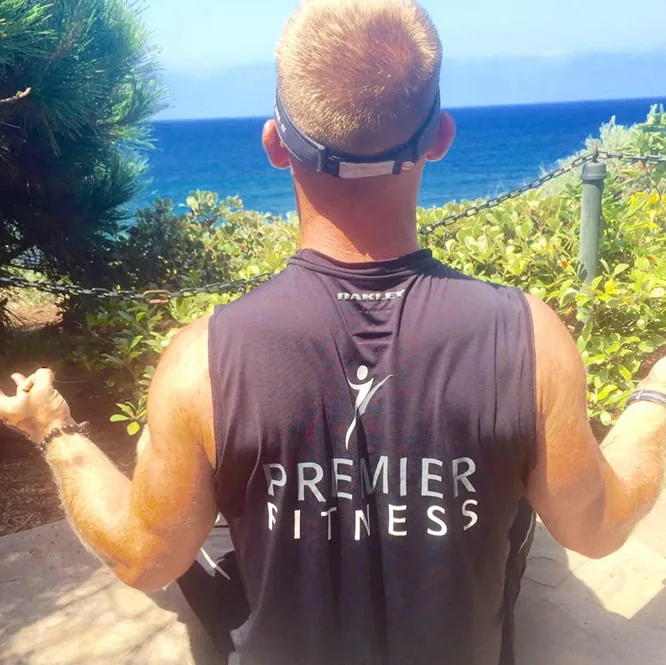
Start by naming your emotional eating triggers, such as the empty house at 6 p.m., the evening glass of wine, or late-night scrolling. Once you see the pattern, replace each trigger with a coping strategy such as a walk, a phone call with a friend, or journaling. Gentle movement supports this reconnection with your body; daily walks, stretching, or yoga are enough, and the goal is comfort and awareness. For nutrition, eat regular meals with protein, fiber, and healthy fats. Avoid crash diets, which worsen cortisol and accelerate muscle loss.

Talk To A Coach About Phase 1 Support
Once sleep and stress feel more stable, introduce strength training 3–4 times per week. This preserves and builds muscle, which supports metabolic rate. That focus matters because, as noted earlier, roughly a quarter of weight lost can be fat-free mass. A practical working protein range of approximately 1.2–1.6 g/kg/day is suggested for many adults with obesity undergoing intentional weight loss to support muscle repair and satiety.
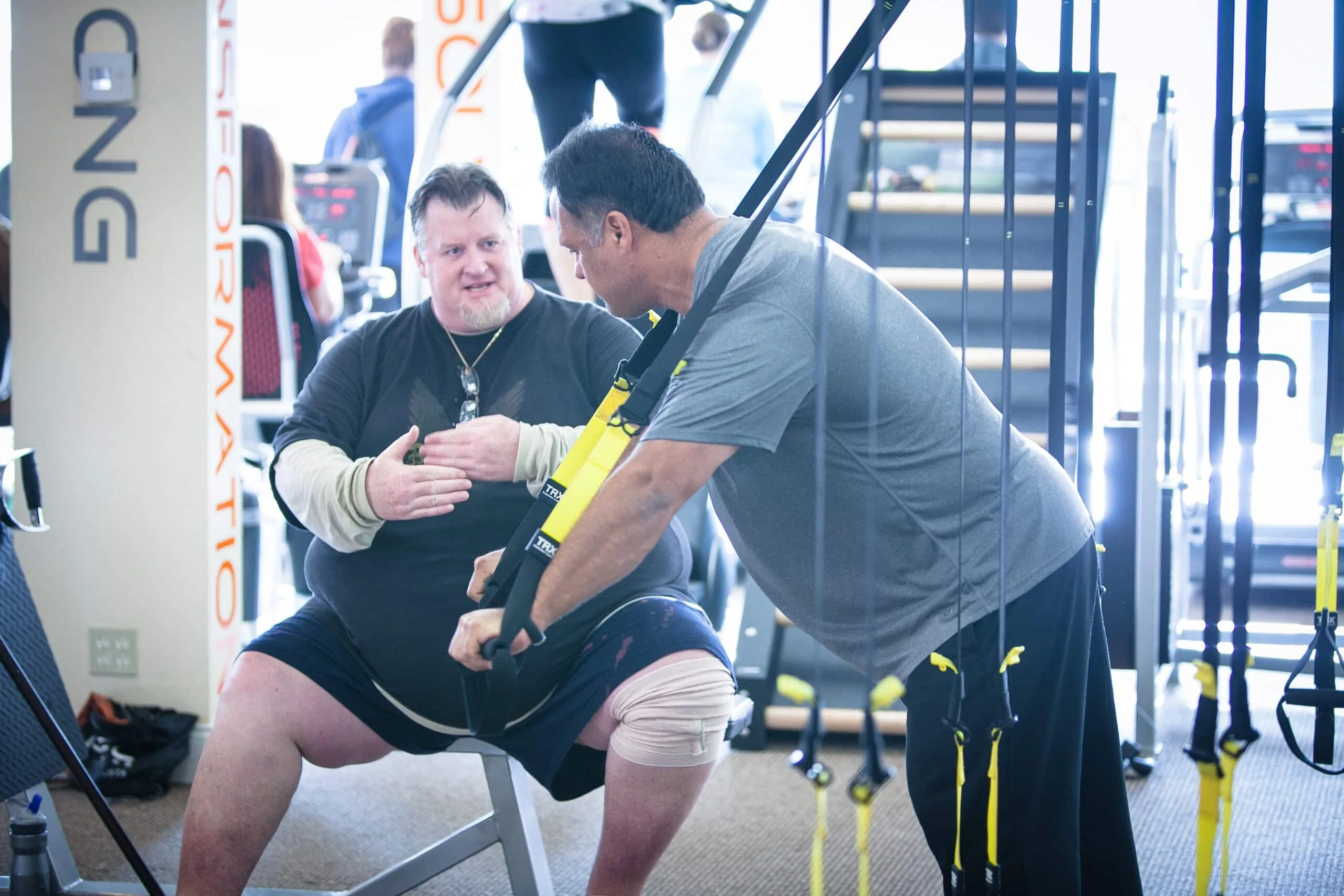
Continue stress management and sleep hygiene so your body can adapt. Track progress beyond the scale, including energy, mood, strength, and measurements. The scale alone does not indicate whether fat mass, lean tissue, strength, or other health markers have changed in a favorable direction.
Phase 3 focuses on long-term habits such as meal planning, consistent exercise, and ongoing emotional support. Adjust your routine as needed for plateaus or life changes. A structured program like PFC can provide immersive support and expert guidance during this stage. PFC’s 17-point weekly report card gives a complete picture of progress that goes far beyond the scale: weight, body fat, measurements, blood pressure, cholesterol, glucose, push-ups, plank time, and mile time.

Plan Your Long-Term Strategy With PFC
The Stabilize-Rebuild-Sustain Framework is a named, repeatable model you can return to whenever life disrupts your routine. The table below compares it with crash dieting across three evidence-based dimensions.
| Approach | Initial Weight Loss | Muscle Preservation | Long-Term Sustainability |
|---|---|---|---|
| Crash Dieting | Rapid (up to 3–5 lbs per week on a very low-calorie diet of about 800 calories a day, under medical supervision) | Up to approximately 25% of weight lost may be fat-free mass | Adaptive thermogenesis and hormonal changes (increased ghrelin, reduced leptin) can promote weight regain |
| Stabilize-Rebuild-Sustain | Gradual (1–2 lbs/week) | Protein adequacy and resistance training attenuate lean-tissue loss | Habits built sequentially, with stress and sleep addressed first, support maintenance |
The next table shows where a self-guided effort typically falls short after divorce in structure, expert support, behavioral health, and tracking, and what a structured program provides in each area.
| Factor | Solo Effort | Premier Fitness Camp |
|---|---|---|
| Structure | Self-directed | Immersive, all-inclusive schedule |
| Expert Support | None or limited | Licensed psychologists, registered dietitians, certified trainers |
| Behavioral Health | Often overlooked | Think pillar with workshops and one-on-one counseling |
| Results Tracking | Scale weight only | 17 data points weekly via personalized report card |
| Environment | Distraction-filled | Omni La Costa Resort, Carlsbad, CA, with a focused setting |
PFC’s UCSD case study found that 94% of client weight loss was purely fat, compared to the 60/40 fat-to-muscle ratio typical of standard dieting. Most long-term PFC clients maintained or increased lean muscle stores during their weight loss. PFC’s program is built on the Think, Eat, Move philosophy. Licensed psychologists and registered dietitians are on staff, and every trainer holds at least a bachelor’s degree, with some holding master’s degrees and many staying with the program for years.

See How PFC’s Approach Fits Your Situation
Several patterns appear often during post-divorce weight loss, and each has evidence-informed strategies that help.
Setbacks are part of the process. Self-compassion has been identified as a mediating factor in reductions in emotional eating and internalized weight stigma, and it predicts better long-term outcomes than self-criticism.
Success after divorce includes more than a number on the scale. Track non-scale victories such as energy levels, sleep quality, mood, strength gains, and body measurements. Use a journal, a habit tracker, or PFC’s 17-point weekly report card. Regular physical activity improves blood pressure, insulin sensitivity, cholesterol levels, and cardiorespiratory fitness in adults with overweight or obesity, independent of weight loss. Weight can fluctuate due to water retention, hormonal changes, and muscle gain, so relying only on the scale during a high-stress period can feel discouraging.
After you maintain a consistent routine for 4–6 weeks, build basic movement competence, and stabilize sleep, more advanced strategies become appropriate. These include periodized training, macronutrient timing, and mental skills training. The NIDDK recommends aiming for 5–10% of starting body weight over 6 months as a realistic initial target. For a 200-pound person, that equals 10–20 pounds. To prevent weight regain after losing weight, the American Heart Association highlights strong evidence that 200–300 minutes per week of moderate-intensity physical activity is associated with long-term weight-loss maintenance.
If you experience persistent plateaus, unexplained fatigue, or emotional eating that interferes with daily life, a structured program like PFC can help. Immersive support, expert-led education, and a luxury environment designed to remove distractions create conditions that self-guided efforts rarely match. PFC clients train 4–5 hours per day, Monday through Friday, plus a half day on Saturday. Trainers work with no more than three or four clients at a time. As one PFC client put it: “What began as a simple one-week reboot has transformed into a complete lifestyle shift. PFC equips you with the knowledge, tools, and support to make meaningful—and sustainable—changes.”
If muscle preservation is your main concern, PFC’s companion guide on building muscle after divorce weight loss goes deeper. For the underlying causes of weight change after separation, see weight loss after divorce: causes and how to keep it off. If rebound weight gain worries you, divorce weight gain: how to stop it in 90 days offers a targeted 90-day framework.
Explore Whether An Immersive Reset Is Right For You
Most people see meaningful changes within 8–12 weeks when they follow a phase-based approach that addresses sleep and stress before intensifying exercise and dietary changes. The NIDDK recommends aiming for 5–10% of starting body weight over 6 months. For a 200-pound person, that equals 10–20 pounds. PFC clients with 40–70 pounds to lose typically average 3–4 pounds of fat loss per week during their program, a rate supported by the UCSD case study showing that 94% of PFC client weight loss was purely fat rather than muscle.
Yes. The stress response is bimodal, so some people suppress appetite under acute stress while others increase intake. Research on the Women’s Health Initiative found that while the average divorced woman lost a small amount of weight over three years, roughly one-quarter gained more than 5% of their body weight. Stress-driven weight loss often reflects poor sleep, missed meals, and anxiety rather than healthy fat loss, and the weight frequently returns once acute stress resolves. Both directions of change reflect neurochemical and hormonal responses that benefit from structured support.
Strength training 3–4 times per week combined with daily walking forms the evidence-based foundation. The American Heart Association recommends a minimum of 150 minutes per week of moderate-intensity aerobic activity plus muscle-strengthening activities on two or more days per week. For long-term weight-loss maintenance, 200–300 minutes per week of moderate-intensity activity is associated with the best outcomes. Resistance training is particularly important because it preserves lean muscle mass during weight loss, which protects metabolic rate and reduces the risk of regain. At PFC, clients train 4–5 hours per day across a wide variety of modalities, including bootcamp, boxing, TRX, hiking, beach workouts, and more, with every class adapted for every fitness level.
PFC’s Think pillar includes licensed psychologists and behavioral health coaches who lead group workshops and one-on-one sessions on emotional eating, triggers, limiting beliefs, and stress management. Sessions explain the neurochemical basis of stress eating so clients understand why they reach for comfort foods and then provide practical behavioral strategies to interrupt those patterns. Mindfulness practices, journaling, and inner connection sessions are integrated into the weekly schedule. This approach aligns with clinical evidence showing that structured mindfulness-based and cognitive behavioral interventions produce meaningful reductions in emotional and external eating behaviors.
PFC works with clients ranging from those who can only walk 250 feet to seasoned athletes who train four times a week. Every class is structured so that every participant, regardless of fitness level, gets exactly what they need. Trainers maintain a 3–4:1 ratio and offer modifications, progressions, and low-impact alternatives for every exercise. A dedicated low-impact training track is available for those with health limitations such as bad knees or a bad back. The program begins with a comprehensive health assessment that includes blood work, measurements, body composition, and a fitness test, so every plan starts from an accurate, personalized baseline.
Divorce changes your body as well as your life. Elevated cortisol, disrupted sleep, collapsed routines, and emotional eating patterns create a physiological environment where generic weight-loss advice often falls short. The Stabilize-Rebuild-Sustain Framework offers a compassionate, evidence-based path forward that respects your nervous system, rebuilds your habits in sequence, and supports long-term change.
Premier Fitness Camp’s holistic Think, Eat, Move philosophy, expert-led behavioral health support, luxury environment at the Omni La Costa Resort in Carlsbad, California, and UCSD-validated results create a powerful setting for transformation. With over 1,200 reviews and a 90%+ five-star rating, 50% of annual revenue coming from returning alumni, and a case study showing that 94% of client weight loss was purely fat, PFC has established a strong track record in adult fitness transformation. You can move into your next chapter with structure, support, and a clear plan.
Start Your Post-Divorce Transformation With PFC