 5-star Wellness Resort
 5-star Wellness Resort
Written by: Chris Butt, Certified Personal Trainer & Weight Loss Coach, Premier Fitness Camp
Use these five questions to separate programs built on measurable outcomes from those built mainly on marketing language.
Have questions about how a specific program measures up? Call (888) 488-8936 to discuss your situation with a program specialist or visit our consultation page to get started.
Long-stay wellness programs in California fall into four broad categories: weight-loss and fitness camps, medical longevity centers, spa-focused resorts, and hybrid fitness-wellness retreats. California’s year-round moderate climate, Pacific coast access, and concentration of credentialed health professionals create structural advantages over competitors in Arizona, Utah, and Florida, where extreme heat, cold, or humidity can limit outdoor training for months at a time.
The table below compares six programs on stay length, education focus, staff credentials, and measurable outcomes. Every data point comes from publicly available program information or the sources cited in this article.
| Program | Stay Length | Education Focus | Staff Credentials | Measurable Outcomes |
|---|---|---|---|---|
| Live In Fitness (Arizona) | Flexible; short and extended stays | Exercise and basic diet guidance | Not publicly specified; high turnover reported | Scale weight; limited body composition data |
| Canyon Ranch (Multiple locations) | Typically 3–7 nights | Wellness programming; retreat-experience focus | Multidisciplinary staff; credentials vary by location | Wellness assessments; outcomes not publicly benchmarked |
| Unite Fitness Retreat (Salt Lake City, UT) | Weekly programs | Fitness-focused; limited nutrition education | Certified trainers; credentials not publicly detailed | Scale weight; limited tracking data published |
| Pritikin Longevity Center (Florida) | Minimum 7 nights; extended stays available | Cardiovascular nutrition and lifestyle education | Physicians, dietitians, exercise physiologists | Average LDL reduction of 23%, triglyceride reduction of 33%, and significant blood pressure reduction in three-week program |
| Civana Wellness Resort & Spa (Arizona) | Short stays; retreat model | Spa and mindfulness focus; limited fitness curriculum | Wellness practitioners; credentials vary | Retreat experience metrics; fat-loss outcomes not published |
| Hilton Head Health (South Carolina) | Weekly programs; extended stays available | Weight-loss and lifestyle education | Dietitians, fitness staff; credentials not fully detailed | Weight loss tracked; body composition data not publicly benchmarked |
| Premier Fitness Camp (Carlsbad, CA) | 1 week to several months; average stay ~11 days | Full “Think, Eat, Move” curriculum: licensed psychologists, registered dietitians, wellness chefs, cooking demos, behavioral workshops | All trainers hold minimum bachelor’s degree; many hold master’s degrees; extremely low staff turnover | 17 data points tracked weekly; UCSD case study: 94% of weight loss was pure fat; average 3–4 lbs/week fat loss; lean muscle preserved or increased |
Ready to see how this program’s outcomes compare to your current plan? Book a free consultation at (888) 488-8936.
Now that you have seen how leading programs compare on credentials, outcomes, and structure, it helps to understand the trade-offs behind those differences. Program design involves genuine trade-offs, and clarity on them supports better decisions.
Intensity versus sustainability. Programs built around six sessions per day and specialized equipment often see benefits such as reduced inflammatory markers fade within weeks if the habits are not home-compatible. Sustained results up to ten weeks post-retreat are linked to programs that prioritize emotional regulation and repeatable habit-building over sheer variety. At Premier Fitness Camp, the 4–5 hours of daily training focus on movements such as hiking, resistance training, and interval work that participants can replicate at home, not equipment-dependent protocols that disappear after departure.
Medical oversight versus lifestyle focus. Medical longevity centers such as Pritikin provide strong cardiovascular data but tend toward an older demographic and a slower pace. Premier Fitness Camp integrates clinical rigor, including blood biomarkers, DEXA scans, and weekly report cards, within an active, education-forward program that serves adults across a wide age and fitness range.

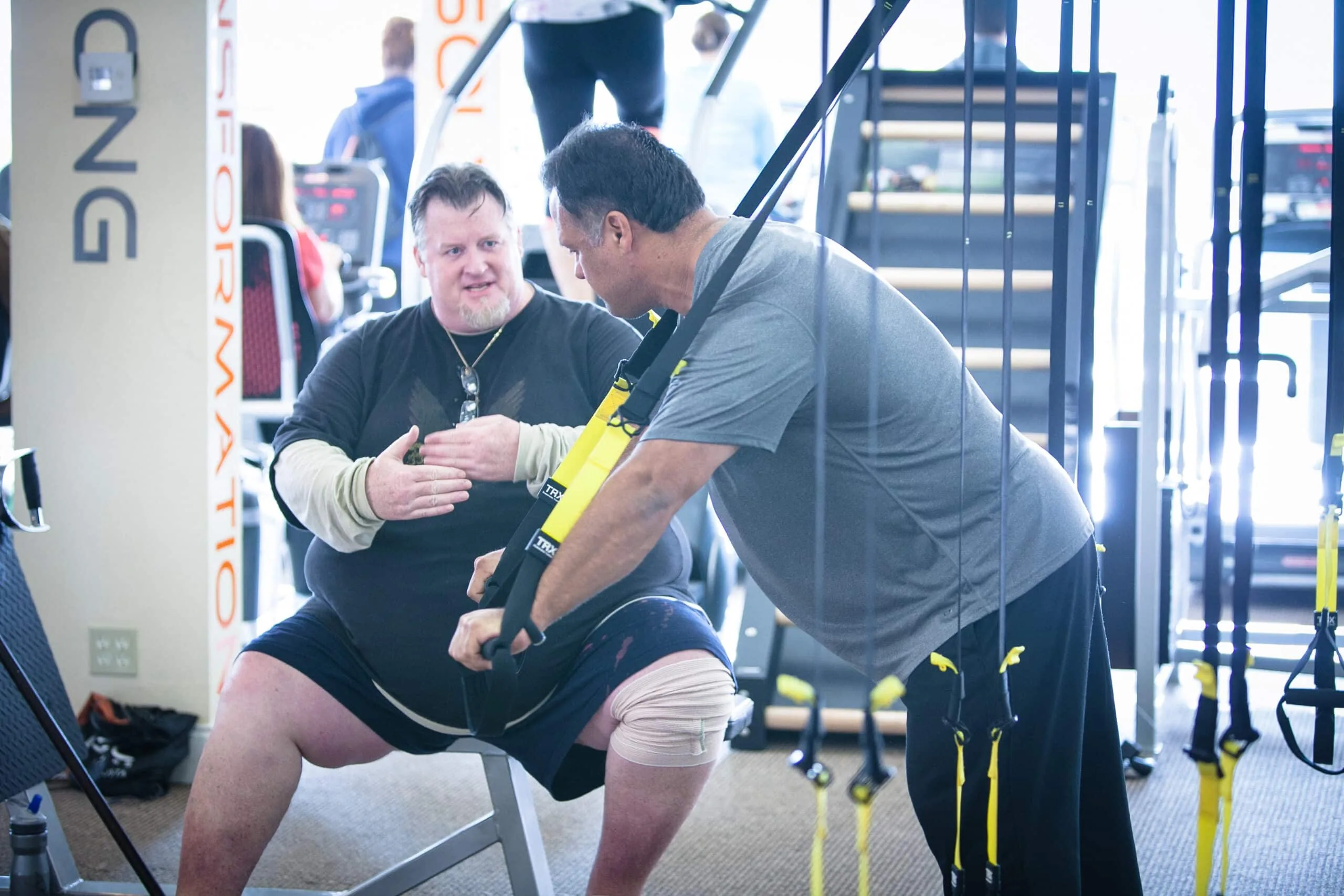
Group programming versus personalization. Generic wellness programs plateau at 20–30% sustained participation, while personalized programs that adapt to individual needs maintain 60% or higher engagement over 12 months. A 3–4:1 client-to-trainer ratio enables real-time modification of every class for every fitness level, from participants who can only walk 250 feet to seasoned athletes seeking a plateau-breaking challenge.
Duration and habit formation. A 2009 study by Phillippa Lally and colleagues at University College London found that the average time to automaticity for new habits, among participants for whom their model was a good fit, was 66 days, with exercise-related habits tending to take longer than simpler behaviors. A one-week retreat initiates change. A 3–8 week immersive program provides the neurological repetition required for habits to become automatic.
This checklist helps you decide whether you are positioned to get full value from a multi-week program.
Evidence from peer-reviewed research and leading residential programs points to a consistent set of best practices for multi-week immersive wellness experiences.
Multidisciplinary teams. A 24-month retrospective cohort study of older adults with overweight or obesity found that a multidisciplinary weight management program produced significantly greater BMI and waist circumference reductions than routine management. At Premier Fitness Camp, the team includes certified trainers with bachelor’s and master’s degrees, registered dietitians, wellness chefs, and licensed psychologists, all operating under one roof at the Omni La Costa Resort in Carlsbad, California.

Comprehensive progress tracking. The American College of Sports Medicine and exercise science research confirm that a multidimensional approach combining body composition, strength, cardiovascular fitness, and recovery markers is the most reliable way to measure fitness progress accurately. Premier Fitness Camp tracks 17 data points weekly per client, including weight, body fat percentage, seven body circumference measurements, blood pressure, LDL, HDL, triglycerides, glucose, push-ups, plank hold time, and mile time. Optional DEXA scanning is also available.
UCSD case study outcomes. A case study conducted in partnership with the University of California, San Diego evaluated participants who stayed four or more weeks and received DEXA scans at the start and end of their program. Key findings included:
Additional program benchmarks include an average fat loss of 3–4 pounds per week for clients with 40–70 pounds to lose, 4–5 hours of daily training Monday through Friday, a 3–4:1 client-to-trainer ratio, and a 50% alumni return rate, a figure that reflects sustained satisfaction rather than dependency.

Post-stay virtual coaching. The Global Wellness Institute identifies ongoing links to care beyond the stay as a defining feature of leading wellness programs in 2026. Premier Fitness Camp provides virtual coaching, personalized meal plans, fitness programming, and direct email access to trainers after departure.
Explore whether this approach fits your goals. Schedule a no-obligation consultation at (888) 488-8936 or visit our consultation page to get started.
Several patterns consistently undermine results in multi-week wellness programs.
Prioritizing scale weight over body composition. Scale weight captures both fat and muscle loss. A program that produces rapid scale-weight reduction through caloric restriction alone may be depleting lean muscle, the primary driver of resting metabolic rate. Precision Nutrition’s outcome-based decision-making framework collects multiple data points, including body measurements, blood work, athletic performance, recovery, sleep, and mood, rather than relying on a single metric. Participants should request programs that track body composition separately from total weight.
Selecting programs without aftercare infrastructure. Even satisfied retreat guests find consistency hard without the retreat’s structure, experiencing behavioral resets rather than lasting transformation. Before booking, confirm that post-program coaching, meal planning, and staff access are included, not sold only as add-ons.
Choosing location based on price alone. Programs in climates with extreme heat, cold, or humidity restrict outdoor training for significant portions of the year. Carlsbad, California’s year-round moderate temperatures and low humidity enable daily beach boot camps, coastal hikes at Torrey Pines and Double Peak, and water activities, training modalities that remain unavailable to competitors in Arizona, Utah, or Florida for months at a time.
Ignoring GLP-1 muscle-loss risk. GLP-1 medications accelerate weight loss but do not distinguish between fat and lean tissue. Without a resistance-training and protein-focused nutrition protocol running concurrently, participants risk metabolic damage that makes long-term weight maintenance harder. Programs that integrate GLP-1 compatibility into their curriculum, rather than treating it as a contraindication, are better positioned to serve this growing population.
How long should I stay at a wellness retreat to see lasting results?
One week provides a meaningful kickstart, as participants establish a baseline, begin habit formation, and experience the program’s structure. Two weeks build real momentum. Research on habit formation indicates that exercise-related behaviors take longer than simpler habits to become automatic, which is why three weeks or more is where behavioral change begins to consolidate. Four weeks or longer deliver measurable improvements across body composition, blood biomarkers, and functional fitness. Many Premier Fitness Camp participants book one week and extend on-site after experiencing early results. The average stay is approximately 11 days.
What does a 2–8 week wellness retreat in California typically cost?
Costs vary significantly by program model and inclusions. Premier Fitness Camp runs approximately $6,000 per week, all-inclusive, covering luxury resort accommodations at the Omni La Costa Resort, all meals prepared by wellness chefs, all fitness classes and training, educational workshops, health assessments, weekly report card tracking, three spa treatments per week, and post-camp support. Zero-percent financing for up to six months with no down payment is available, and multi-week discounts apply. The program may qualify as a tax-deductible medical expense; consult a tax professional.
Can I attend a long-term wellness retreat while on GLP-1 medication?
Yes. Premier Fitness Camp does not discourage GLP-1 use. The program adjusts protocols to emphasize resistance training, increase protein intake, and build the sustainable habits participants need when they are ready to reduce or discontinue medication. The UCSD case study’s finding that nearly all weight loss was fat rather than muscle is directly relevant to GLP-1 graduates, who often arrive with muscle loss and metabolic slowdown from medication use alone.
What health screenings should I expect before starting a multi-week program?
A comprehensive intake assessment should include blood work covering LDL, HDL, triglycerides, and glucose, vital signs including blood pressure, body composition via DEXA scan or validated alternative, BMI, body circumference measurements, and a functional fitness test. Premier Fitness Camp conducts all of these on day one and repeats 17 data points weekly throughout the stay. Participants with cardiovascular conditions, diabetes, or orthopedic limitations should obtain physician clearance before arrival, and the team adapts programming for all health profiles, including low-impact tracks for those with physical limitations.
How is a 2–8 week immersive program different from a standard spa retreat?
Spa retreats center on relaxation and short-stay recovery. They typically lack structured fitness curricula, nutrition education, behavioral health support, and post-program coaching. Multi-week immersive programs focus on measurable behavioral change, with daily training, educational workshops, clinical tracking, and aftercare infrastructure. This distinction matters because the habits that produce lasting fat loss and metabolic health require repetition over weeks, not days, to become automatic.
The evaluation framework introduced at the start of this guide, which includes clinical rigor, education depth, environment, personalization, cost and value, and aftercare, provides a consistent basis for comparing 2–8 week California programs. Applied to the programs reviewed here, it consistently differentiates programs built on measurable outcomes from those built primarily on retreat aesthetics.
Premier Fitness Camp leads this category on every dimension. The UCSD case study demonstrates that nearly all weight loss came from fat while lean tissue was preserved. The program offers comprehensive weekly tracking across 17 metrics, a 3–4:1 client-to-trainer ratio, 4–5 hours of daily training, and a full “Think, Eat, Move” curriculum delivered by licensed psychologists and registered dietitians. Guests stay in luxury accommodations at the Omni La Costa Resort in Carlsbad, California, and the program maintains a 50% alumni return rate across more than 1,200 reviews with a 90% or higher five-star rating.
As client Scott noted, “This is a life-changing experience. I signed up for two weeks and stayed for eight. The facilities and staff are top notch.” Irene Tchaikovsky shared, “What began as a simple one-week reboot has transformed into a complete lifestyle shift. The program equips you with the knowledge, tools, and support to make meaningful and sustainable changes.”
The consultation is free, personalized, and carries no obligation. Call (888) 488-8936 or visit premierfitnesscamp.com/book-a-consult to discuss your goals and learn how a 2–8 week immersive program in California can create the lasting change that short-term fixes have not.