 5-star Wellness Resort
 5-star Wellness Resort

Written by: Chris Butt, Certified Personal Trainer & Weight Loss Coach, Premier Fitness Camp
Most weight loss programs such as diets, gym memberships, apps, and short-format camps focus on one mechanism: a short-term calorie deficit. They rarely teach clients why they overeat, how to build sustainable nutritional habits, or how to manage the behavioral triggers that drive weight regain. Weight returns because the underlying patterns never change.
App-based interventions highlight this pattern clearly. Observational studies of mobile fitness apps show that long-term adherence to resistance exercise is often low among beginners. Meta-analyses of app-based health interventions report substantial dropout rates, which tend to be higher in real-world settings. These outcomes are typical for programs that rely on motivation alone without structural support.
The foundational “Think, Eat, Move” philosophy addresses behavioral, nutritional, and physical drivers of weight regain at the same time. Licensed psychologists and behavioral health coaches run workshops on emotional eating, limiting beliefs, and life-work balance. Registered dietitians lead nutrition education sessions covering macros, portion control, and meal planning. Wellness chefs conduct cooking demonstrations so clients leave knowing how to prepare healthy meals at home, not just how to follow a preset meal plan.

After the residential stay, the program continues with virtual coaching, personalized meal plans, and ongoing fitness programming. Clients can email their trainers at any time after leaving. This aftercare structure replaces the abrupt loss of support that causes regain in many conventional programs.

As client Irene Tchaikovsky wrote in her Google review: “What began as a simple one-week reboot has transformed into a complete lifestyle shift. The program equips you with the knowledge, tools, and support to make meaningful—and sustainable—changes.”
People who want to lose 40 to 70 pounds often feel overwhelmed by conflicting advice about diet and exercise. Non-immersive programs place every decision on the client: which gym to join, which plan to follow, which foods to buy, how to structure a workout. That constant decision-making creates fatigue and becomes a structural barrier to change rather than a reflection of willpower.
Research on behavioral weight management shows that personalized dietary advice can produce greater weight loss than generalized guidance. Personalization functions as a measurable driver of outcomes, not a luxury feature.
Every client starts with a comprehensive health assessment that includes blood work, vital signs, body composition, BMI, measurements, and a fitness test. The team then builds a personalized plan from that baseline. On-site wellness chefs prepare all meals. Staff schedule all workouts. The daily program includes all education sessions. Clients do not decide what to eat or when to train; the structure itself becomes the intervention.

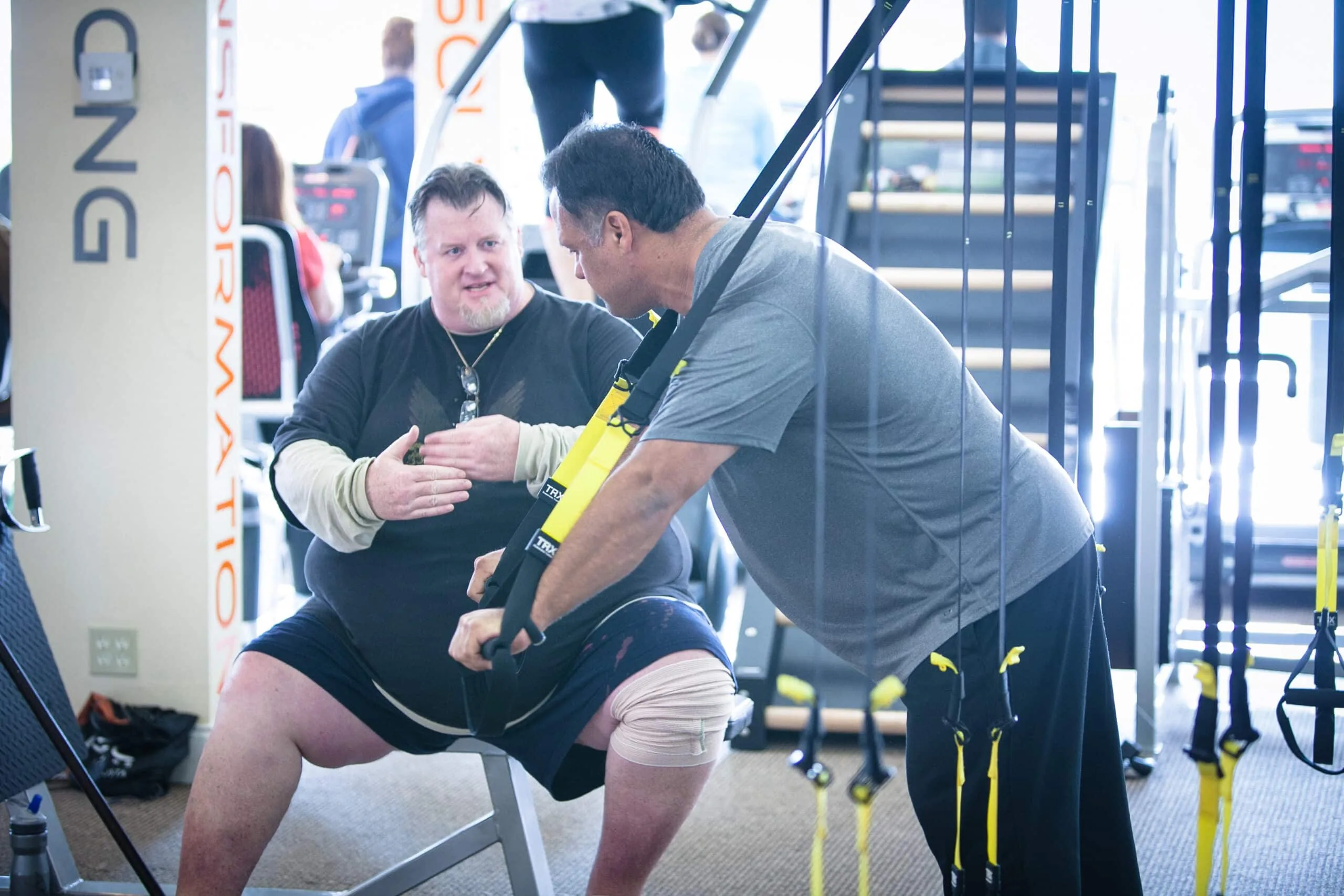
Trainers maintain a 3–4:1 client-to-trainer ratio in every session. Each class is designed so that a 400-pound client who can walk only 250 feet and a seasoned athlete can both participate and progress. Progress is tracked across 17 data points weekly, not just scale weight. Metrics include body fat percentage, nine circumference measurements, cardiovascular markers, fitness benchmarks, and metabolic indicators. This comprehensive tracking helps clients see improvement across multiple dimensions even when the scale moves slowly, which keeps motivation grounded in real evidence.
Many adults in the 40–60 age range have attended at least one other residential program and left disappointed. Common structural failures include generic programming with no individual assessment, high staff turnover that prevents meaningful relationships, off-site facilities that require van transport, food prepared elsewhere and delivered, and no educational component. The experience feels transactional instead of transformational.
The program operates exclusively at the Omni La Costa Resort & Spa in Carlsbad, California, a 450-acre luxury property in North San Diego County. Every facility is on-site, including the gym, dining room, education spaces, spa, and outdoor training areas. Clients walk to everything. The moderate year-round climate in Carlsbad supports daily outdoor training that locations in Arizona, Utah, or Florida cannot reliably match.
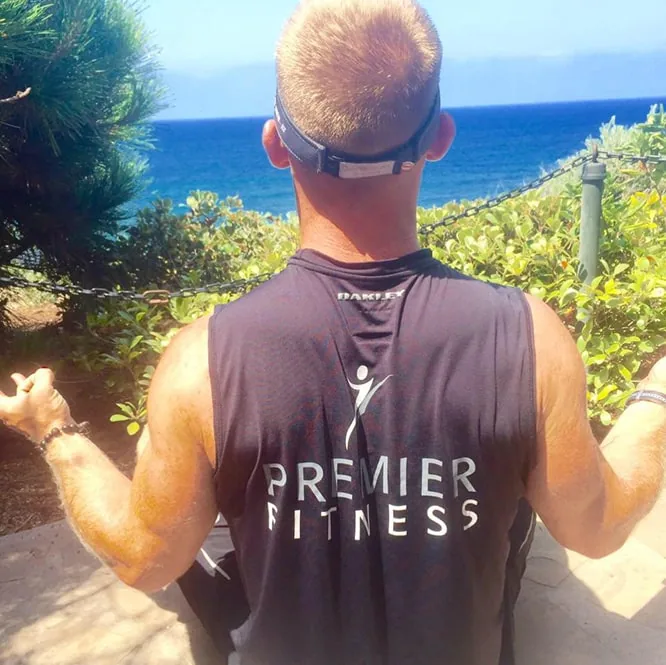
All trainers hold at least a bachelor’s degree, and many hold master’s degrees. Many have been with the program since its founding, which creates low staff turnover and familiar faces for returning alumni. Wellness chefs prepare meals fresh on-site using farm-to-fork ingredients, not delivered food. The La Costa Spa, previously ranked the number one Wellness Spa in the Nation by Spa Magazine, is included as an amenity within the program.
Weight struggles often feel isolating. Partners may be unsupportive, and friends may not understand. Many adults arrive at a residential program after carrying their health challenges alone for years. Programs that treat clients as anonymous participants, with rotating staff and no community structure, deepen that isolation instead of resolving it.
A meta-meta-analysis published in the British Journal of Sports Medicine, which reviewed 81 prior meta-analyses and data from nearly 80,000 participants across more than 1,000 trials, found that supervised group exercise produced greater improvements in depression symptoms than individual or unsupervised exercise. Community functions as a clinical driver of outcomes, not a side benefit.
Clients consistently highlight two unexpected outcomes as among the most meaningful parts of their experience. They describe deep relationships with staff and strong friendships with fellow campers. Because staff turnover is extremely low, returning alumni reconnect with the same trainers, dietitians, and coaches year after year. Clients can email their trainers at any time after leaving the program.
This sense of community reflects a deliberate design choice. Fifty percent of annual revenue comes from returning alumni, which signals genuine satisfaction and belonging rather than marketing. As client Lin Vela wrote: “I’ve been to the program 3 times because I am such a fan of the program! Their trainers are knowledgeable, inspiring and make hard work fun.”
The most common failure point in residential weight loss programs occurs after clients go home. Many programs end without a structured transition back to daily life. Clients leave with results but without systems, habits, or accountability structures to protect those results. Old triggers, routines, and food environments quickly reappear.
Post-program support includes virtual coaching for ongoing accountability, personalized meal plans designed for the home kitchen, and individualized fitness programming. Clients maintain direct communication with their trainers indefinitely. The goal is to transfer the structure of the immersive environment into daily life through clear, repeatable habits.
The following checklist outlines the core elements of that transition:
The following comparison illustrates how immersive residential programs outperform common alternatives across structure, personalization, and long-term adherence.
Ready to experience the difference that structure, personalization, and expert support make? Talk to the team about your goals, or call (888) 488-8936. With 1,200+ reviews and a 90%+ five-star rating, the results speak for themselves.
A case study conducted in partnership with the University of California, San Diego (UCSD) evaluated dozens of PFC participants who stayed four or more weeks and received DEXA scans, the gold standard for body composition measurement, at the start and end of their program.
The findings were clinically significant. Ninety-four percent of total weight loss came from fat. Most aggressive weight loss programs produce a 50/50 split between fat and lean muscle loss, and standard dieting typically yields a 60/40 fat-to-muscle ratio. PFC’s 94% fat-loss rate significantly exceeds both benchmarks. This outcome aligns with what the 2017 Wake Forest CLIP-II randomized controlled trial demonstrated: combining resistance training with dietary intervention dramatically reduces the proportion of weight lost from lean muscle compared to diet alone or diet plus walking.
Most long-term PFC clients not only maintained their lean muscle stores but increased them during their weight loss. Bone volume and strength remained stable, which matters greatly for adults over 40. Because lean muscle was preserved and built, resting metabolic rate stayed higher, which helps PFC clients avoid the weight regain that often follows programs focused only on calorie restriction.
The typical fat-loss rate for a PFC client with 40–70 pounds to lose is 3–4 pounds per week. Clients train 4–5 hours per day Monday through Friday and a half day on Saturday, paired with nutritionist-designed calorie-controlled meals. A 2026 randomized controlled trial published in Maturitas by researchers at the University of the Sunshine Coast found that high-intensity interval training was the only exercise modality that consistently reduced body fat percentage while maintaining lean muscle mass among adults averaging 72 years old, which mirrors the varied, high-intensity programming that PFC delivers daily.
As client Alex wrote: “This journey has been more than weight loss for me. I’ve been able to find the root of my binge eating disorder and progress towards recovery through healthy cooking. PFC has given me the tools I’ve needed to lose over 100 pounds and cope with emotions in a healthy way.”
Adults who have used GLP-1 medications such as semaglutide (Ozempic, Wegovy) or tirzepatide (Mounjaro, Zepbound) face a specific physiological challenge. Systematic reviews of GLP-1 body composition studies calculate lean mass losses between 39–45% of total weight lost without structured resistance training. When medication use stops, participants in the STEP-1 extension study regained roughly two-thirds of lost weight within one year, with regained weight consisting predominantly of fat rather than the muscle previously lost.
PFC does not discourage GLP-1 use. The program is designed to work alongside or after medication, with a specific focus on rebuilding lean muscle and metabolic capacity. Cleveland Clinic endocrinologist Anira Iqbal, MD, states: “Once you start losing muscle mass, it becomes very difficult to gain it back. A combination of strength training and aerobic exercises really makes sure that what you’re losing is mostly fatty tissue.”
PFC’s resistance training programming, 3–4:1 trainer ratio, and protein-forward nutrition approach directly address the muscle preservation challenge that GLP-1 users face. A 52-week randomized controlled trial found that adding structured exercise to GLP-1 medication produced clinically meaningful gains in physical fitness and cardiorespiratory fitness, whereas medication alone did not. For GLP-1 graduates seeking a sustainable exit ramp from pharmacotherapy, PFC provides the education and physical foundation that medication alone cannot.
Stays begin at one week, which provides a powerful kickstart and a full experience of the program. Two weeks build meaningful momentum. Three weeks support durable habit formation, as research often identifies roughly 21 days as the threshold for new behavioral patterns to take hold. Four weeks deliver significant body composition change and deep educational grounding. The average client stays approximately 11 days, and many clients book one week and extend their stay on-site after seeing early results. Extended stays of up to several months are available for clients seeking comprehensive transformation.
The program serves clients across the full spectrum of fitness levels, from individuals who are 400+ pounds and can walk only 250 feet to athletes who train four times per week. Every class is structured so that every participant can engage and progress regardless of starting point. Trainers maintain a 3–4:1 ratio and provide modifications, progressions, and low-impact alternatives for every exercise. A dedicated low-impact training track supports clients with joint issues or chronic conditions. No prior fitness experience is required.
The program runs approximately $6,000 per week and is all-inclusive. Pricing covers luxury accommodations at the Omni La Costa Resort, all meals prepared by on-site wellness chefs, all fitness classes and training, educational workshops, health assessments, weekly 17-point report card tracking, spa access, resort amenities, and post-camp support. Zero-percent financing for up to six months with no down payment is available. Multi-week discounts apply for longer stays, which also tend to produce the most significant and lasting results. The program may qualify as a tax-deductible medical expense; consult a tax professional.
Aftercare includes virtual coaching for ongoing accountability, personalized meal plans designed for the home kitchen, and individualized fitness programming. Clients maintain direct communication with their trainers by email at any time after leaving. The low staff turnover means clients return to the same coaches year after year, which creates continuity of relationship that most programs cannot offer. The 50% alumni return rate reflects the effectiveness of both the program and its ongoing support structure.
The primary structural differences involve education, environment, staff quality, and data tracking. The “Think, Eat, Move” curriculum integrates licensed psychologists, registered dietitians, and wellness chefs into one cohesive program as core components. All facilities are on-site at the Omni La Costa Resort, so clients never rely on off-site transport. Trainers hold bachelor’s and master’s degrees and have remained with the program for years, many since its founding. Progress is tracked across 17 data points weekly rather than scale weight alone, as described earlier. The UCSD case study showing 94% of weight loss from fat, compared to the 60/40 fat-to-muscle ratio typical of standard dieting, provides objective validation of the program’s physiological impact.
Most live-in fitness programs deliver a temporary calorie deficit. Premier Fitness Camp delivers education, community, data-driven accountability, and a luxury environment that together support lasting physiological and behavioral change. The UCSD case study, 1,200+ reviews with a 90%+ five-star rating, and a 50% alumni return rate provide measurable evidence of that difference.
If you have tried other approaches and now want one that addresses root causes rather than symptoms, the next step is a conversation. Book a free consultation with the team to discuss your goals, your history, and how the program can be structured for your specific situation. Call (888) 488-8936 or schedule your personalized consultation online today.