Honest Fitness Retreat Reviews: Real Results & Changes
11 min read
Written by: Chris Butt, Certified Personal Trainer & Weight Loss Coach, Premier Fitness Camp | Last updated: August 1, 2026
Key Takeaways From Premier Fitness Camp Results
Most weight-loss programs fail long-term because they ignore adaptive thermogenesis, muscle preservation, and behavioral support. Premier Fitness Camp addresses these with daily training, nutrition education, and licensed coaching.
UCSD-validated data shows that 94% of weight lost at the program is pure fat, far above the typical 60/40 fat-to-muscle ratio from standard dieting.
Seventeen weekly health metrics, including body-fat percentage, blood markers, and performance tests, give clients a complete picture of progress beyond the scale.
Post-program support such as virtual coaching, personalized meal plans, and trainer access contributes to a 50% alumni return rate, which signals lasting habit change.
The Problem: Why Sustainable Weight Loss Remains Elusive
Most structured weight-loss programs produce results that do not last. Research on long-term weight loss shows that participants often regain a substantial portion of their initial loss over time, so a large majority of the weight can return. That is not a willpower problem. It is a biology and structure problem.
A high-quality immersive residential program removes the variables that cause most approaches to fail, such as inconsistent environments, competing priorities, poor nutrition access, and the absence of behavioral support. At Premier Fitness Camp, clients train four to five hours per day, Monday through Friday, with a half day on Saturday, supported by a 3–4:1 client-to-trainer ratio. Every meal is prepared on-site by registered dietitians and wellness chefs. Licensed psychologists lead behavioral health workshops. The entire structure is designed so that the only job a client has is to show up and engage.
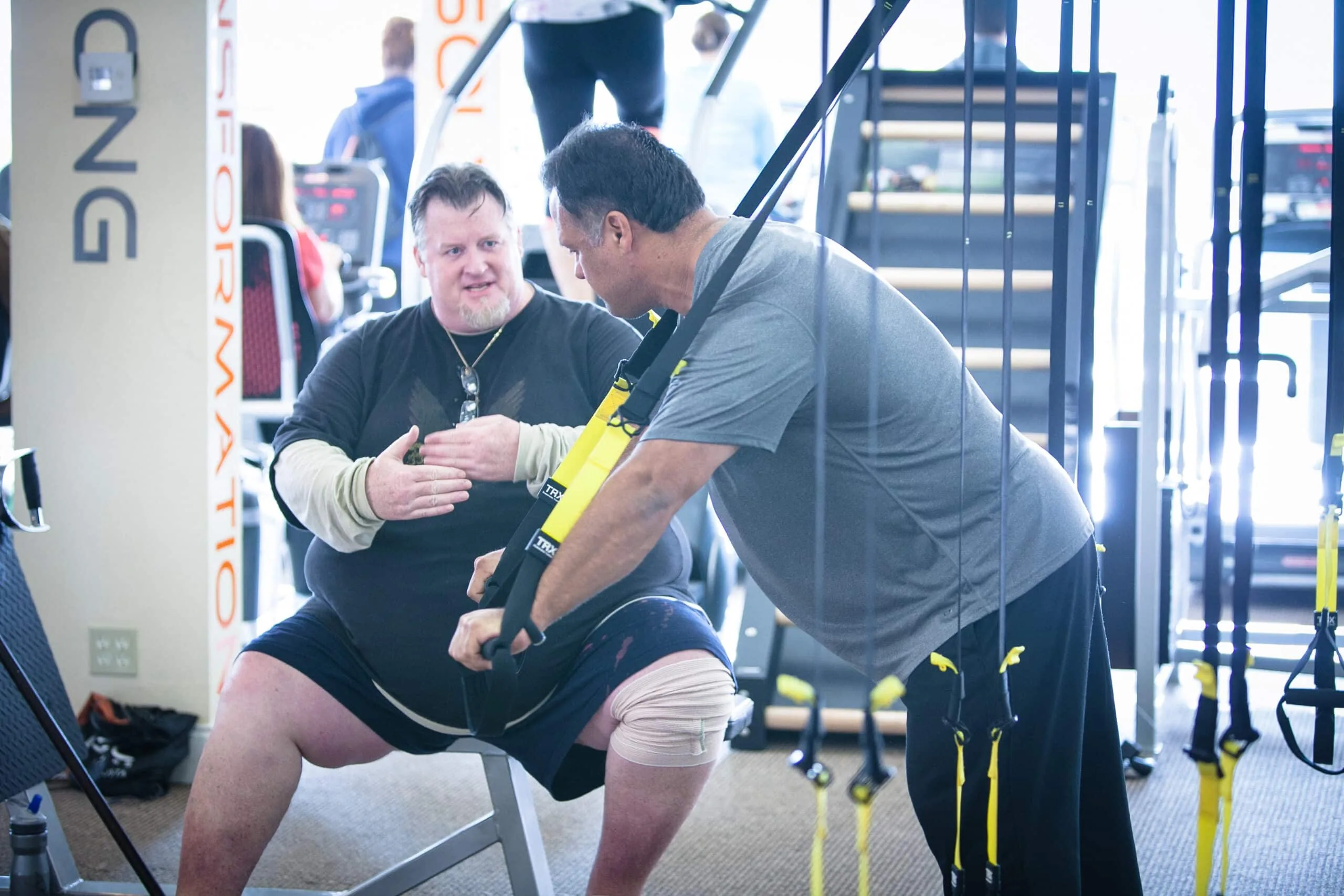
With a 3–4:1 client-to-trainer ratio, every session is coached and adapted to your level — whether you're a seasoned athlete or taking your very first steps.
The following table demonstrates how this approach to muscle preservation, comprehensive tracking, and post-program support creates measurably different outcomes than typical weight-loss programs.
Scale weight is one number among many, and it rarely tells the full story. The program’s 17-point weekly report card tracks body fat percentage, seven circumference measurements, blood pressure, LDL, HDL, triglycerides, glucose, mile time, plank duration, and push-up count. Clients who plateau on the scale frequently see simultaneous improvements across several other markers. Most programs never surface this distinction because they never measure it.
The UCSD case study mentioned earlier used DEXA scans, the gold standard for body composition, to validate that fat-loss ratio. Most aggressive weight-loss programs see a 50/50 split between fat and lean muscle, and standard dieting typically produces a 60/40 ratio. Premier Fitness Camp’s result reflects a body-composition outcome, not a marketing claim.
Client experiences reflect this distinction. Irene Tchaikovsky described her time at the program this way:
“What began as a simple one-week reboot has transformed into a complete lifestyle shift. The program equips you with the knowledge, tools, and support to make meaningful, sustainable changes.”
Lin Vela, who has attended three times, noted:
“Their trainers are knowledgeable, inspiring and make hard work fun. The food is amazing!”
The "Think" pillar addresses the whole person. Mindful movement and recovery — supported by licensed psychologists and behavioral coaches — help make change sustainable.
How Premier Fitness Camp Compares to Other Options
The table below compares Premier Fitness Camp against the primary alternatives adults in this category typically consider, across dimensions that directly predict outcomes.
Dimension
Program
Gyms / Personal Training
Wellness Retreats (Canyon Ranch, Civana)
Other Residential Programs (Live In Fitness, Unite Fitness Retreat, Hilton Head Health, Pritikin)
Daily training volume
4–5 hours/day, 5.5 days/week
Typically 3–4 hours/week total
Light to moderate activity, retreat-focused
Varies, some programs use off-site facilities reached by van
Nutrition approach
On-site wellness chefs and registered dietitians, farm-to-fork meals, cooking education
17 data points weekly, DEXA scan option, UCSD-validated 94% fat-loss result
Scale and basic measurements at best
Minimal clinical tracking
Primarily scale weight
Live In Fitness operates in Arizona, where extreme heat limits outdoor training for much of the year, and clients stay in a residential home while driving to separate gym facilities. Unite Fitness Retreat is located in a downtown Salt Lake City hotel, with clients traveling to access amenities. Hilton Head Health and Pritikin are both located in Florida’s high-humidity climate and require guests to be transported to central facilities. Canyon Ranch and Civana are wellness-oriented retreats, which can be valuable experiences, but they are not structured around measurable fat-loss outcomes or behavioral education curricula.
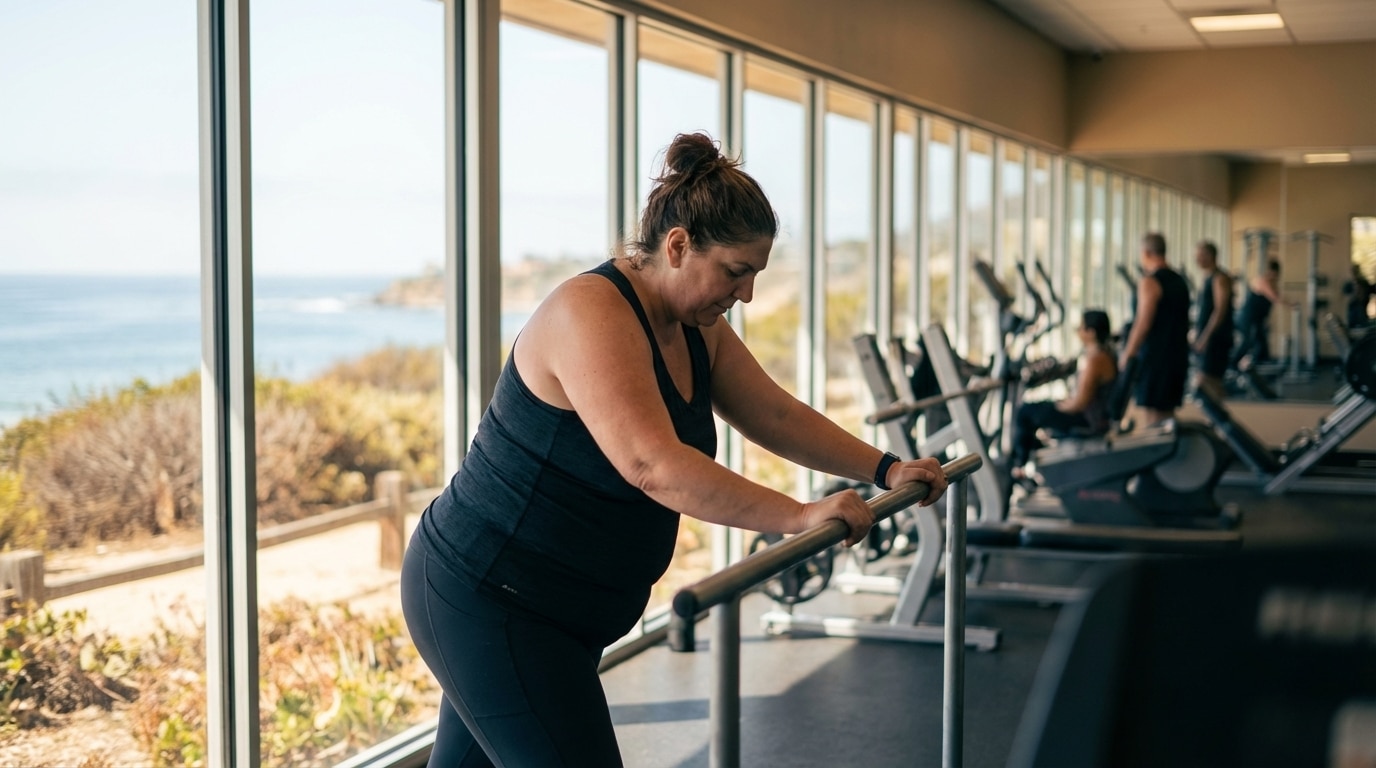
Premier Fitness Camp operates entirely within the 450-acre Omni La Costa Resort in Carlsbad, California, a year-round moderate climate on the Pacific coast, with all training, dining, education, spa, and accommodation under one roof.
Risks, Realistic Expectations, and How to Evaluate Any Program
No residential program is appropriate for every person, and honest reviews acknowledge limitations alongside results. Before committing to any immersive program, ask questions that reveal whether the program addresses the three factors that determine long-term success: qualified ongoing support, comprehensive outcome measurement, and integrated behavioral change infrastructure.
What credentials do the trainers hold, and what is staff turnover like?
How is body composition, not just scale weight, tracked and reported?
What post-program support is included, and for how long?
Is behavioral health support integrated into the program, or is it an add-on?
What does the food preparation model look like, on-site or delivered?
Realistic expectations for a client with 40–70 pounds to lose include 3–4 pounds of fat loss per week, measurable improvements across blood markers and physical performance within the first week, and a post-program framework that supports maintenance rather than leaving clients to manage alone.
Frequently Asked Questions
How long do results from a residential fitness program typically last?
Results last in proportion to the habits and support structures that follow the program. Research consistently shows that weight regain is common when structured support ends, because the body’s hormonal and metabolic adaptations work against maintenance. The most reliable predictor of long-term success is sustained behavioral engagement, including regular physical activity, consistent self-monitoring, and ongoing contact with a coach or interventionist. The post-camp support, which includes virtual coaching, personalized meal plans, and ongoing trainer access, extends the program’s behavioral framework into daily life. The 50% alumni return rate reflects clients who treat the program as part of an ongoing health practice, not a one-time event.
What should GLP-1 medication users expect from a residential fitness program?
GLP-1 medications can produce meaningful initial weight loss, but they do not address muscle preservation, metabolic rate, or the behavioral habits required for long-term maintenance. Physical activity tends to decrease during GLP-1 treatment, which accelerates muscle loss and metabolic slowdown. At Premier Fitness Camp, clients on GLP-1 medications participate in the full program with individualized adjustments. These include increased resistance training emphasis, higher protein intake targets, and behavioral coaching focused on building the habits that will sustain results whether or not the medication continues. The focus stays on a science-backed plan for long-term success, not judgment about medication use.
How does body-composition tracking differ from standard scale-weight monitoring?
Scale weight reflects total mass, including fat, muscle, water, bone, and organ tissue combined. It does not distinguish between fat loss and muscle loss, which are the two outcomes that most directly determine whether weight loss is sustainable. A program that produces rapid scale-weight loss through muscle breakdown will also lower the client’s resting metabolic rate and make future weight maintenance harder. Premier Fitness Camp tracks 17 data points weekly, including body fat percentage, seven circumference measurements, four blood markers, and three physical performance metrics. The UCSD case study used DEXA scans, the gold standard for body composition, to confirm that 94% of weight lost at the program was pure fat, with lean muscle preserved or increased. That distinction separates a sustainable transformation from a temporary scale drop.
What questions should I ask before booking any fitness retreat?
The most important questions center on accountability, education, and post-program support. Ask whether trainers hold formal credentials and how long they have been with the program, because high staff turnover often signals inconsistent quality. Ask how body composition, not just weight, is tracked and reported. Ask what behavioral health support is integrated into the daily program, not offered as an optional add-on. Ask specifically what post-program support is included and for how long. Ask whether the food is prepared on-site by qualified nutrition professionals or delivered from an external source. Finally, ask for independently validated outcome data, not testimonials alone, but measurable results from a defined population with a defined methodology. Programs that cannot answer these questions specifically are unlikely to produce the lasting results that honest reviews describe.
Conclusion: Choosing a Path That Lasts
The gap between short-term weight loss and lasting transformation has clear causes. Programs that focus on only one variable, such as calories, exercise, or medication, leave the behavioral, nutritional, and metabolic foundations untouched. Immersive residential programs that integrate all three, track body composition rather than scale weight alone, and provide structured post-program support represent the category most likely to produce the results that honest reviews describe.
Premier Fitness Camp meets every criterion that a rigorous evaluation should demand. The program delivers a UCSD-validated 94% fat-loss result, 17-point weekly tracking, a 3–4:1 trainer ratio, licensed behavioral health professionals, on-site registered dietitians and wellness chefs, and a post-camp support framework backed by a 50% alumni return rate. Over 1,200 reviews with a 90%+ five-star rating reflect a consistent client experience across more than 3,000 participants.
 5-star Wellness Resort