 5-star Wellness Resort
 5-star Wellness Resort

Written by: Chris Butt, Certified Personal Trainer & Weight Loss Coach, Premier Fitness Camp
Talk To A GLP-1 Travel Specialist At Premier Fitness Camp
This guide is for adults using GLP-1 receptor agonists such as semaglutide (Ozempic, Wegovy) or tirzepatide (Mounjaro, Zepbound) for weight management who already have several months of experience with their medication and are planning a vacation, retreat, or wellness trip.
A few key terms used throughout:
The “GLP-1 Friendly” label is not a regulated designation, so any hotel, resort, or program can use it without meeting a defined standard. Travelers benefit from choosing evidence-based programs with documented clinician involvement, structured resistance training, and individualized nutrition support rather than relying on marketing language alone.
The best way to travel with GLP-1 medication is to protect both the medication and your muscle. Keep pens in carry-on luggage inside a medical-grade cooling case. Maintain protein-forward meals and steady hydration of 2–3 liters daily. Schedule resistance training at least twice per week and time injections to your usual weekday in local time. Confirm all medication decisions with your prescriber before departure.
The seven steps below create a simple timeline from booking your trip to returning home.
Your destination choice sets the foundation for muscle preservation. Look for programs with on-site weight or resistance equipment, menus with clearly identified high-protein options, easy access to water, and staff with clinical or nutrition credentials.
An all-inclusive resort offers flexibility and relaxation but leaves nutrition and exercise planning entirely to you. That planning load feels heavy when appetite is suppressed and routines are disrupted. A structured wellness program embeds protein targets, resistance training, and behavioral support into the daily schedule so you follow a plan instead of building one from scratch.
The FDA issued 30 warning letters to telehealth companies in March 2026 over misleading GLP-1 product claims, and similar issues appear in wellness marketing. When you evaluate any program that advertises GLP-1 support, confirm documented clinician involvement, structured and progressive resistance training, and individualized nutrition guidance.
For deeper destination comparisons, see PFC’s Wellness Vacation For GLP-1 Users: Preserve Muscle & Habits and Wellness Vacation For Weight Loss: Your 2026 Buyer’s Guide.
TSA permits GLP-1 injectable pens in carry-on luggage and exempts them from the standard 3.4-ounce liquid rule when declared as medically necessary. No special form or advance registration is required. GLP-1 medication should stay out of checked baggage because cargo hold temperatures can drop below freezing, which irreversibly destroys the peptide structure.
Temperature ranges by product, per FDA prescribing information:
TSA permits gel ice packs used for medical cooling. Fully frozen packs clear security as solid objects. Slushy or partially thawed packs may trigger secondary screening and a swab test.
Keep pens in original manufacturer packaging with the prescription label. For international travel, carry a physician letter listing your name, medication, dose, indication, and duration of therapy. Check with the foreign embassy of each country you will visit for prescription restrictions.
Get Help With GLP-1 Travel Logistics
Cabin air humidity runs 10–20%, far below typical indoor humidity, which increases dehydration risk on top of GLP-1-related nausea and delayed gastric emptying. Bring a refillable water bottle and electrolyte packets, and start hydrating before you board. A 2026 narrative review in Nutrients recommends sipping throughout the day and separating larger fluid volumes from meals to improve tolerance when you feel overly full.
During layovers, walk the terminal instead of sitting at the gate. Pack protein-rich snacks such as ready-to-drink protein shakes, individual servings of protein powder, dried legumes, and turkey jerky so you can meet your targets when airport food is limited. Declare medication at security before your bag goes through X-ray, and carry a prescriber letter for international travel.
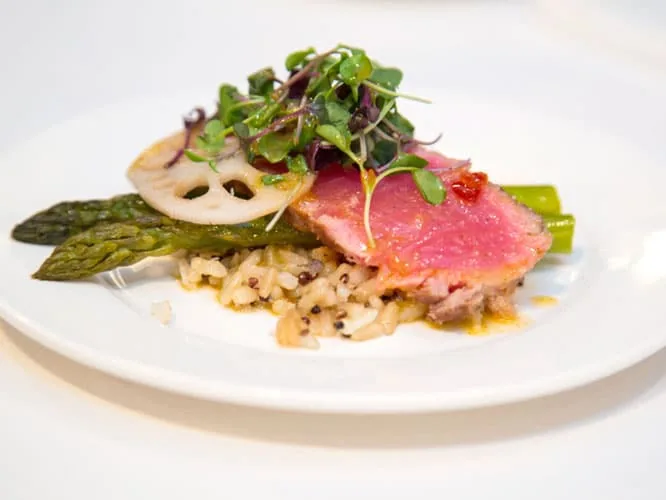
On arrival, anchor your days with a simple plate and movement structure. Use a protein-first plate model: fill about half the plate with lean protein, one quarter with non-starchy vegetables, and one quarter with complex carbohydrates. During active weight loss on incretin-based therapies, higher protein intake helps preserve muscle mass. Mayo Clinic physician Dr. Tamim Rajjo often uses a practical target of 80–100 grams of protein per day, spread across meals at roughly 20–30 grams per meal.
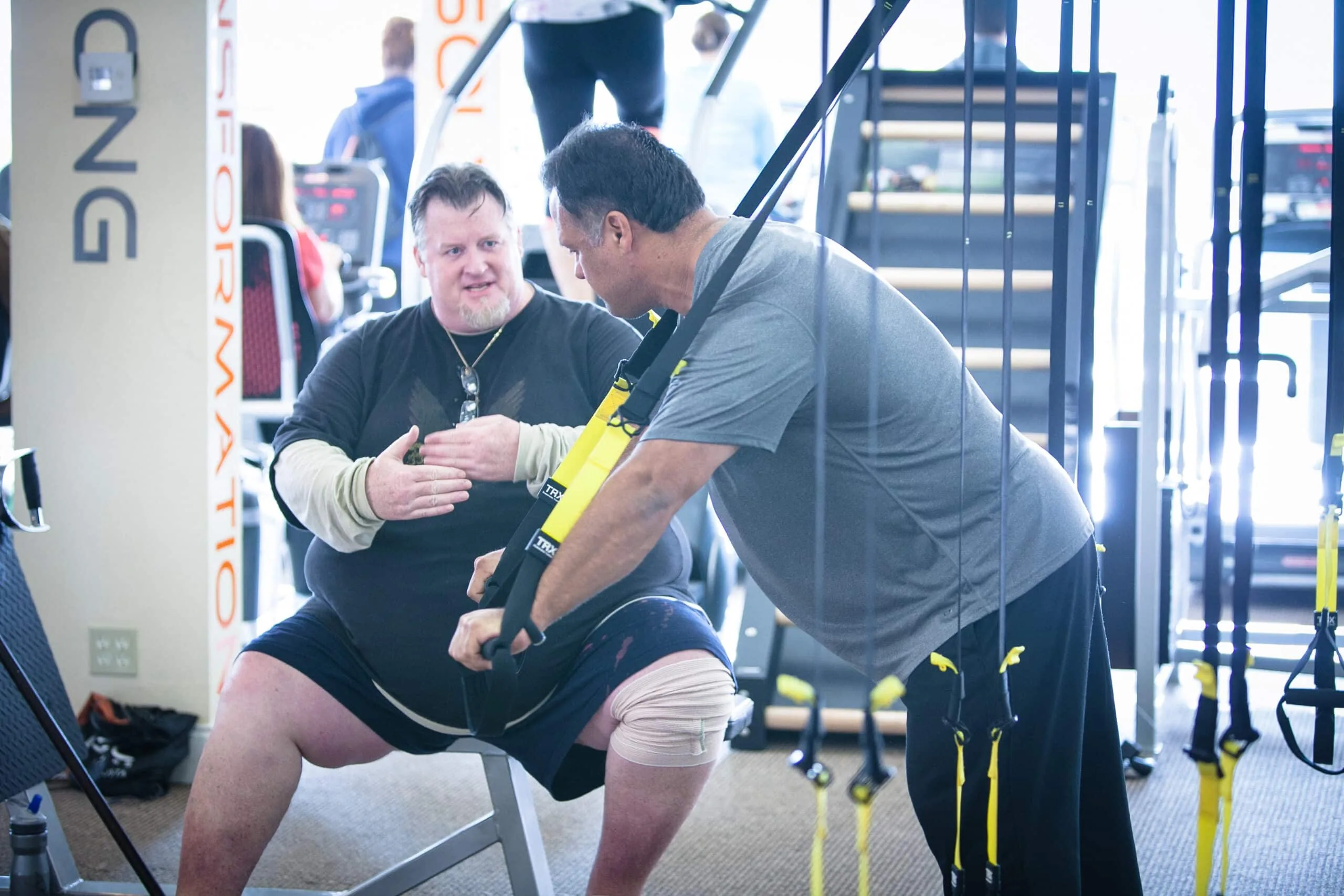
For activity, the Gatorade Sports Science Institute recommends at least 150 minutes per week of moderate-to-vigorous activity, including whole-body resistance training on at least two days per week for people on incretin-based therapies. Put resistance sessions on your calendar like any other appointment. Many travelers prefer sessions before meals when appetite is lowest or at times when the facility is reliably available. A relaxed itinerary supports enjoyment, and a basic schedule for training prevents resistance work from being the first thing dropped when days fill up.
For trips under two weeks, keep your usual injection weekday and give the dose at a convenient local time. Semaglutide has an elimination half-life of roughly seven days and tirzepatide about five days, so an eight-hour time-zone shift changes the dosing interval by under 5% of the 168-hour week.
Minimum dosing intervals still apply when you shift days. Ozempic’s Instructions for Use allow changing the day of the week if the last dose was taken more than 48 hours earlier, and Mounjaro’s prescribing information requires at least 72 hours between doses. Avoid doubling a dose to compensate for a missed injection because higher doses increase nausea, vomiting, and gastric stasis without added benefit. Confirm any schedule changes with your prescriber before you leave.
Get Personalized Injection-Timing Advice
To manage nausea, eat smaller, more frequent meals slowly, stop at comfortable fullness, limit high-fat and spicy foods, maintain hydration, and moderate carbonated beverages. Dr. Tamim Rajjo notes that GLP-1 side effects and appetite suppression usually peak on the day of and the day after injection. Plan lighter activity and simpler meals on those days.
For constipation, travel-related constipation is common and can be more pronounced on a GLP-1. Pack fiber packets or gummies, emphasize vegetables and whole grains, and keep fluids up. Pack anti-diarrheal medications such as loperamide and gas-relieving medications like simethicone if you tend to react to greasy foods. Contact your clinician if vomiting is severe or persistent because dehydration from long flights, heat, and reduced intake compounds GLP-1 gastrointestinal effects and underlies the acute kidney concern.
The first days back home are a high-risk window for slipping into old patterns. Resume protein-forward meals and your normal movement schedule within 24 hours of arriving. Confirm that your injection day is back on its usual rhythm. Aim for steady, adequate intake rather than “making up” for vacation.
Use the return as a planning moment. Note which protein sources were easy to find and which training formats fit your schedule. Capture what did not work as well. Adjust your next trip based on those observations.
With the seven steps covered, three practical frameworks can help you apply them consistently on every trip.
Three simple frameworks make GLP-1 wellness travel easier to execute:
Consider a traveler planning a seven-day resort stay. She sets a SMART goal of 30 grams of protein per meal and schedules resistance training on Monday, Wednesday, and Friday mornings before the pool opens. She packs protein powder and jerky for travel days, books a room with a mini-fridge confirmed at 36–46°F, and keeps her Thursday injection day unchanged in local time. That 20-minute plan removes dozens of in-the-moment decisions that could otherwise erode her progress.
The comparison below shows how a structured wellness program simplifies the core GLP-1 needs of resistance training and protein-forward nutrition compared with a resort or fully DIY trip.
| Attribute | Structured Wellness Program | All-Inclusive Resort | DIY Travel |
|---|---|---|---|
| Resistance Training Access | Scheduled, progressive, expert-led sessions built into the daily program | Gym available, but scheduling and programming are self-directed | Varies by destination, with no guaranteed access or programming |
| Protein-Forward Nutrition Support | Individualized targets set by registered dietitians, with meals designed around those goals | Buffet options available, but protein selection and portioning are self-managed | Entirely self-managed, with high variability in restaurant protein availability |
Plan A Structured GLP-1 Wellness Stay
Many GLP-1 travelers run into the same obstacles. These responses keep you on track:
Scale weight often fluctuates during travel because of fluid shifts, restaurant sodium, and bowel changes. More useful indicators of a successful GLP-1 wellness trip include:
A quick daily protein log in your notes app gives you a clear, actionable metric. A brief weekly reflection on energy, strength, and adherence tells you more about progress than any single weigh-in.
Once you consistently follow the seven core steps, you can layer in more advanced strategies to deepen the benefits of wellness travel.
Add these strategies only after you reliably hit the basics of protein intake, resistance training frequency, and injection timing at home. When you feel ready for more complexity, seek support from a registered dietitian or certified trainer with GLP-1 experience to design a travel-specific protocol.
Design An Advanced GLP-1 Travel Plan
Premier Fitness Camp (PFC) offers a structured, expert-led environment that handles the variables this guide asks travelers to manage on their own. Located at the Omni La Costa Resort & Spa in Carlsbad, California, a 450-acre property with dedicated PFC facilities in a temperate coastal climate, PFC delivers the full stack of GLP-1-supportive interventions in a single, all-inclusive program.
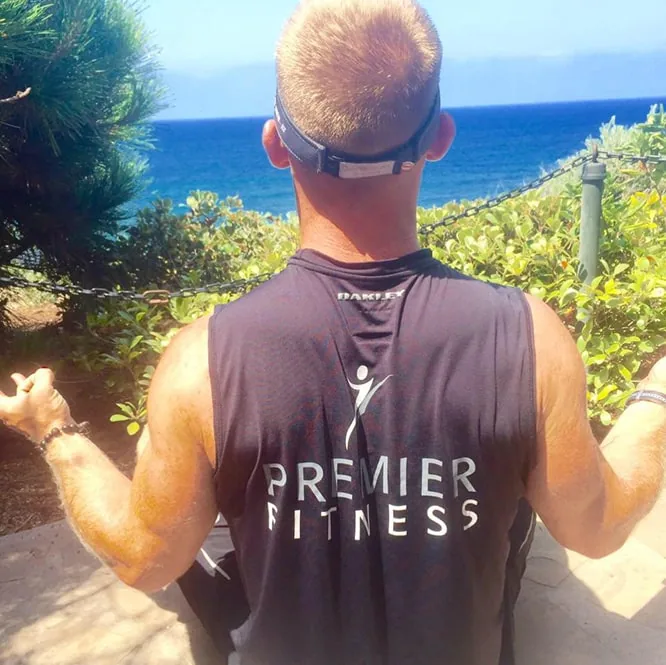
PFC’s staff includes registered dietitians who design every meal around individualized protein targets, licensed psychologists who address the behavioral side of eating and habit change, and certified trainers with bachelor’s and master’s degrees who have been with the program for years. Resistance training is the daily structure, with 4–5 hours of training per day at a 3–4:1 client-to-trainer ratio, adapted for every fitness level.

A case study conducted in partnership with the University of California, San Diego (UCSD) found that 94% of total weight loss among PFC participants was purely fat, compared with the 60/40 fat-to-muscle ratio typical of standard dieting programs. Many long-term PFC clients maintained or increased lean muscle mass during weight loss. That outcome reflects the same combination highlighted throughout this guide: progressive resistance training, protein-forward nutrition, and clinician oversight delivered consistently in a setting that makes adherence easier.
“What began as a simple one-week reboot has transformed into a complete lifestyle shift. PFC equips you with the knowledge, tools, and support to make meaningful — and sustainable — changes.” — Irene Tchaikovsky, PFC guest (Google Review)
PFC welcomes guests currently using GLP-1 medications and adjusts protocols to prioritize resistance training, protein intake, and sustainable habits, whether you plan to continue, taper, or eventually stop your medication. With over 1,200 reviews, a 90%+ five-star rating, and half of annual revenue coming from returning alumni, PFC’s long-term outcomes reflect that focus.
Call (888) 488-8936 or use the link below to discuss your goals and explore how PFC can support your GLP-1 wellness travel.
Schedule Your GLP-1 Wellness Consultation
Skipping a weekly GLP-1 dose often leads to a temporary rise in appetite, which can increase hunger and the likelihood of overeating during a trip. Restarting after a gap can also bring back side effects such as nausea. If a dose is missed and fewer than five days have passed, most prescribing information permits taking it and then resuming the regular schedule. If more than five days have passed, general guidance usually suggests waiting until the next scheduled dose. Always follow your specific medication’s patient information and confirm any changes with your prescriber.
Unopened pens should stay refrigerated at 36–46°F (2–8°C) as long as practical. During travel, carry pens in your carry-on luggage and avoid checked bags, where freezing temperatures can irreversibly damage the medication. Use a medical-grade insulated case with gel packs to maintain safe temperatures. Once in use, most pens can be stored at room temperature up to 86°F for a limited time, according to their labels. Discard any pen that has frozen. Review the exact storage requirements for your product with your pharmacist before you travel.
When appetite is low, focus on meeting protein and hydration minimums instead of eating purely by hunger cues. Aim for roughly 20–30 grams of protein at each eating occasion, even if the meal is small. Protein-dense, lower-volume foods such as Greek yogurt, eggs, cottage cheese, edamame, and ready-to-drink protein shakes work well when a full plate feels overwhelming. Eat slowly, stop at the first sign of fullness, and avoid greasy foods that can worsen nausea. Four or five small eating occasions across the day usually work better than two or three large meals. Maintain hydration targets of 2–3 liters per day, with electrolytes if you are in a hot climate or very active.
For trips under two weeks, keep your usual injection weekday and give the dose at a convenient local time. Because semaglutide and tirzepatide have long half-lives, typical time-zone shifts create only small changes in drug levels. The key rule is spacing doses by at least the minimum interval listed in your medication guide. Traveling east shortens the real interval between doses, so check the clock carefully before you inject. Avoid doubling a dose to compensate for a missed or shifted injection. For longer trips or permanent moves, plan a schedule transition with your prescriber before departure.
GLP-1 medications are designed for long-term management of a chronic condition. A 2026 systematic review in The BMJ found that people often return toward baseline weight within two years of stopping weight management medication, and in just over one year after stopping newer incretin mimetics specifically. Some individuals maintain progress after stopping, especially when they have built strong nutrition and exercise habits during treatment. The decision to continue, reduce, or stop GLP-1 therapy should be made with your prescriber based on your health status, goals, and lifestyle.
Wellness travel for GLP-1 users becomes far more effective when you plan for medication transport, muscle preservation, and metabolic health together. Protein intake, resistance training, hydration, and thoughtful injection timing transform a standard vacation into a reset that supports your long-term goals.
Premier Fitness Camp offers a structured environment where those elements are built into every day of your stay. With registered dietitians, licensed psychologists, certified trainers, and a UCSD-validated case study demonstrating high rates of fat loss with muscle preservation, PFC aligns closely with the framework outlined in this guide.
Call (888) 488-8936 or use the link below to explore whether a PFC stay fits your next trip.
Start Planning Your GLP-1 Wellness Trip