Do Weight Loss Spas Actually Help You Lose Weight?
13 min read
Written by: Chris Butt, Certified Personal Trainer & Weight Loss Coach, Premier Fitness Camp | Last updated: August 8, 2026
Key Takeaways About Weight Loss Spas
Most weight loss spas rely on passive treatments like saunas and wraps that cause short-term water loss, not real fat loss.
Structured residential programs that combine daily training, dietitian-designed meals, and behavioral coaching can achieve up to 94% fat loss while preserving lean muscle.
Education and habit formation are essential. Without them, most people regain weight within five years of completing a program.
Body composition tracking, such as DEXA scans, gives a more accurate picture of progress than scale weight alone.
The term “weight loss spa” covers a wide spectrum. Some are luxury wellness retreats with massage and detox wraps. Others are structured residential programs with daily fitness and nutrition coaching. Most sit closer to the passive end of that spectrum, and the outcomes reflect that reality.
Saunas, steam rooms, and body wraps create temporary drops on the scale through fluid loss. That weight returns within hours once you rehydrate. No fat tissue is mobilized, and metabolism does not change.
This cycle feels familiar to many people who have tried multiple approaches. Diets, gym memberships, and short retreats may produce weight loss, only for the pounds to return. The problem is rarely motivation. The missing piece is education and a structure that supports real behavior change.
What Actually Works for Sustainable Fat Loss
Data Callout: The UCSD Case Study
In a case study conducted with the University of California, San Diego, DEXA scans measured body composition in participants who stayed four or more weeks. Key findings:
94% of total weight lost was purely fat, compared with the 60/40 fat-to-muscle ratio typical of standard dieting
Lean muscle mass was preserved or increased in most long-term participants
Bone volume and strength were maintained, which matters greatly for adults over 40
Resting metabolic rate was protected or improved, directly addressing a major driver of long-term weight regain
Note: This is a case study, not a clinical study.
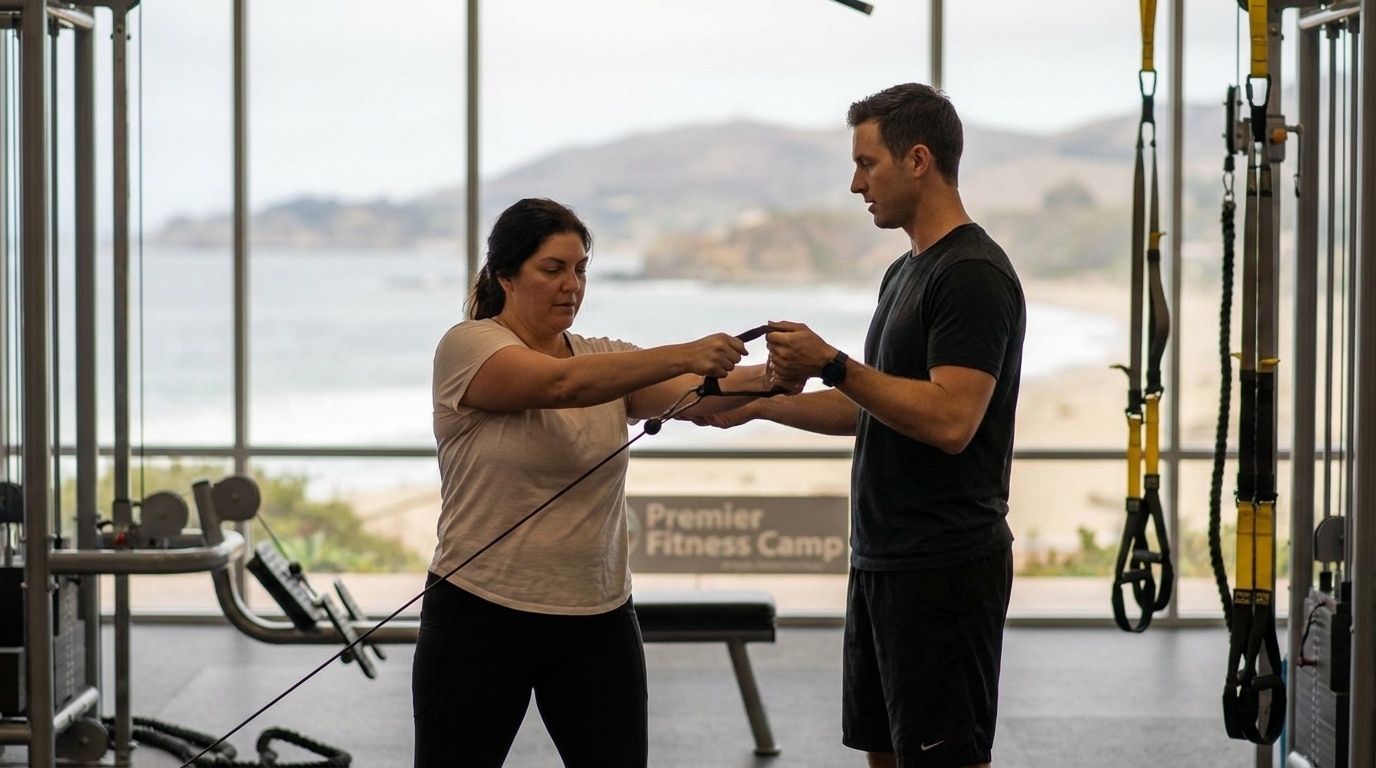
These results come from a clear structure. Clients train four to five hours per day, five days per week, with a 3–4:1 trainer-to-client ratio that supports proper form and progression. This intensive training pairs with meals designed by registered dietitians to fuel performance while creating the caloric deficit needed for fat loss.
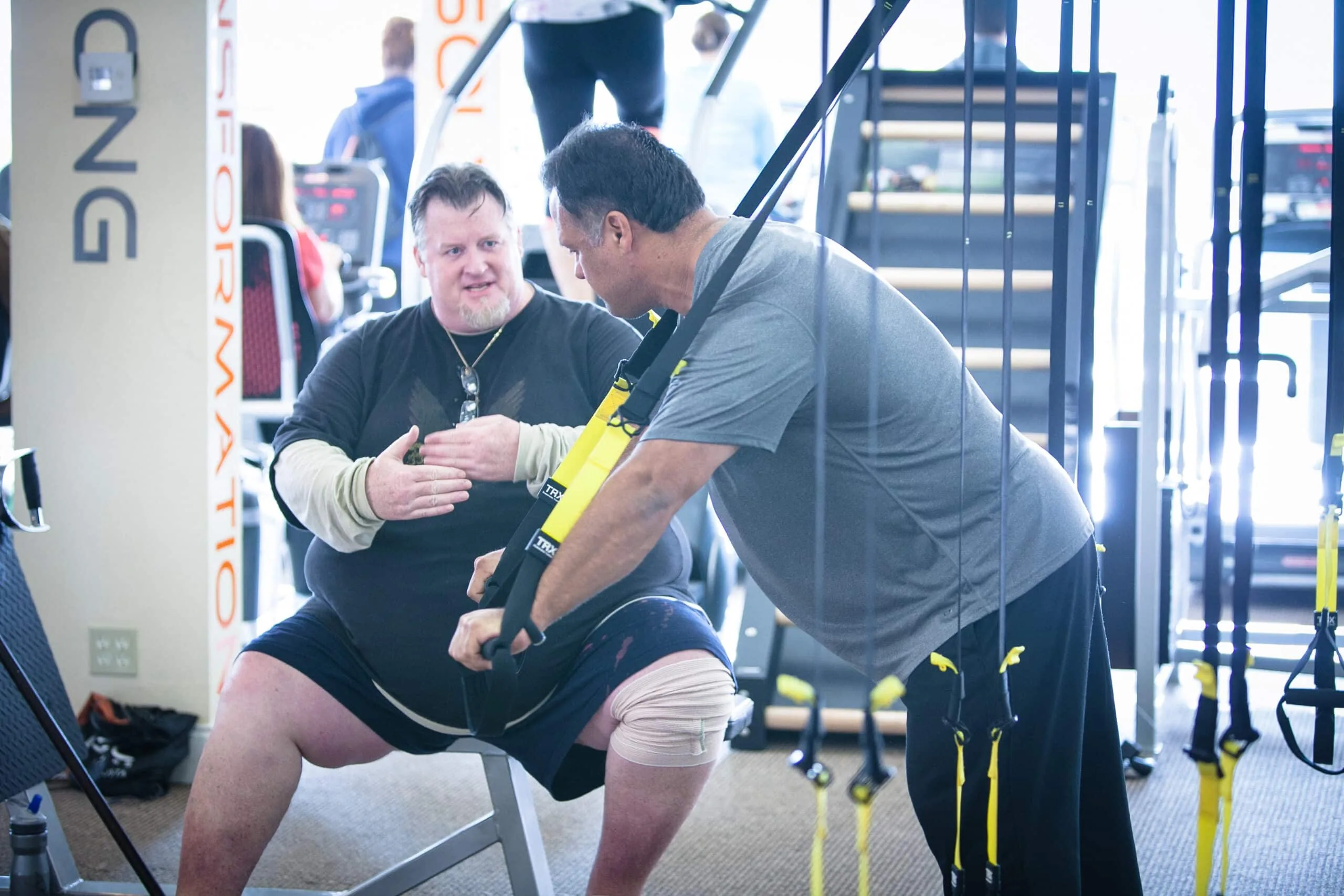
With a 3–4:1 client-to-trainer ratio, every session is coached and adapted to your level — whether you're a seasoned athlete or taking your very first steps.
Licensed psychologists work alongside the fitness and nutrition teams. They address the behavioral patterns that drive overeating so clients build sustainable habits instead of following a temporary meal plan. To capture changes the scale misses, progress is tracked across 17 data points weekly, including weight, body fat percentage, seven body measurements, blood pressure, four metabolic blood markers, and three fitness performance metrics.
Beyond the gym, the program uses the coastline itself — kayaking, paddleboarding and beach workouts build fitness while making movement genuinely enjoyable.
For clients with 40–70 pounds to lose, average fat loss runs three to four pounds per week. That figure reflects real fat loss, not water loss or lean tissue loss.
Why Saunas and Wraps Do Not Burn Fat
Saunas and body wraps do not create meaningful fat loss. The lower scale weight after a sauna session reflects fluid loss through perspiration. Once you drink and rehydrate, weight returns to baseline within hours. No caloric deficit is created, adipose tissue is not metabolized, and metabolism does not shift.
These treatments can still play a useful role. PFC includes three spa treatments per week as part of its program. Massage, body treatments, and relaxation support recovery, reduce cortisol, and improve psychological wellbeing, which makes sustained effort more realistic. The key distinction is simple. Passive treatments should support a program built on training and nutrition, not serve as the primary weight loss method.
Education-focused residential programs create a very different physiological outcome. A community-based program that combined medical, nutritional, and psychological consultations with supervised physical training reduced body fat without significant loss of skeletal muscle mass. That pattern reflects primarily fat-specific loss instead of the mixed fat-and-muscle loss seen with caloric restriction alone.
Realistic Weight Loss Expectations at a Residential Camp
Realistic outcomes depend on starting weight, age, sex, hormonal status, and medications. For a typical PFC client with 40–70 pounds to lose, three to four pounds of fat per week is a reasonable expectation during an immersive residential stay. Clients with more weight to lose may see higher weekly totals early in their program.
Carlsbad's year-round climate moves training outdoors — Pacific coast views turn a workout into a reset for the mind as much as the body.
Scale weight alone tells a limited story. A client who loses two pounds of fat while gaining one pound of lean muscle has improved body composition significantly, yet the scale shows only a one-pound change. PFC’s 17-point weekly report card captures the full picture. Circumference measurements, blood pressure, glucose, cholesterol fractions, cardiovascular fitness, and muscular endurance all shift in ways a single number cannot show.
Body composition tracking with DEXA scans, the gold standard for separating fat mass and lean mass, is available as an optional add-on at PFC and served as the measurement tool in the UCSD case study.
Passive Spas vs Immersive Programs: Side-by-Side Comparison
Feature
Passive Spa / Wellness Retreat
Generic Residential Camp
Premier Fitness Camp
Primary fat loss mechanism
Passive treatments such as saunas, wraps, and massage
Caloric restriction plus group exercise classes
Structured daily training, dietitian-designed meals, and behavioral coaching
Muscle preservation
Not addressed
Typically 60/40 fat-to-muscle loss ratio
Lean mass preserved or increased, consistent with UCSD case study findings
Nutrition coaching
General guidance or none
Basic meal plan, limited education
Registered dietitians, cooking demos, macro education, and chef-prepared meals on-site
Behavioral / habit education
None
Rarely included
Licensed psychologists, emotional eating workshops, and implementation-intention coaching
Post-stay support
None
Minimal or none
Virtual coaching, personalized meal plans, and ongoing trainer communication
Programs that address all five dimensions create a structural advantage. They turn a temporary scale drop into a lasting change in body composition and metabolic health. Book a free consultation to discuss which program structure fits your goals.
GLP-1 Weight-Loss Maintenance at Premier Fitness Camp
Reduced appetite from GLP-1 medications creates a valuable window for change. That window only matters when clients use it to build durable habits. Research on habit formation shows that complex behaviors such as structured workouts and home-cooked meals can take several months of deliberate repetition to become automatic. It also shows that habits tied to specific environments often collapse when context changes.
PFC’s approach for GLP-1 graduates focuses on three priorities:
Resistance training to rebuild lean mass lost during medication-assisted weight loss
Protein targets at every meal, guided by registered dietitians, to support muscle synthesis
Behavioral education that installs habits such as daily self-monitoring, structured movement, and meal planning to sustain results after medication is reduced or discontinued
The behavioral side carries equal weight. A 2026 narrative review in the Journal of Obesity concluded that cognitive behavioral therapy, motivational interviewing, and structured behavioral weight-management programs improve self-monitoring, coping strategies, and long-term adherence. The review also found that integrating this support is essential for long-term maintenance and relapse reduction.
As discussed earlier, programs that omit behavioral education set clients up for regain by leaving triggers and habits unaddressed. The metabolic shifts described above compound this challenge and make a complete intervention even more critical.
How Premier Fitness Camp Reduces Decision Fatigue
PFC is designed to remove the daily friction that derails progress at home. On day one, each client receives a comprehensive health assessment that includes blood work, vital signs, body composition, BMI, circumference measurements, and a fitness test. That baseline informs a personalized plan built by trainers, dietitians, and behavioral health coaches working as a team.
From that point, the structure is clear and consistent. Wellness chefs prepare meals with fresh, farm-to-fork ingredients at the Omni La Costa Resort in Carlsbad, California. Training sessions span four to five hours each weekday, with a 3–4:1 trainer-to-client ratio and modifications for every fitness level. Educational workshops on nutrition, emotional eating, and habit formation appear throughout the week. Three spa treatments per week support recovery and mental wellbeing.
Movement is one of the three pillars of the "Think, Eat, Move" approach — group training on the resort lawn makes 4–5 hours of daily activity feel like community, not a chore.
One client summarized the experience this way: “I signed up for two weeks and stayed for eight. The facilities and staff are top notch.” — Scott, Google Review
After the stay, clients receive virtual coaching, personalized meal plans, and ongoing access to trainers by email. Research indicates that behavioral support and self-monitoring help sustain clinically meaningful weight loss, so the program extends beyond the resort.
Checklist for Evaluating a Residential Weight Loss Program
Use this checklist before committing to any residential weight loss program:
Staff credentials: Confirm that trainers hold bachelor’s or master’s degrees. Ask whether registered dietitians and licensed mental health professionals are on staff rather than contracted or visiting.
Medical oversight: Look for an arrival health assessment, blood marker tracking, and clear protocols for clients with chronic conditions or medications.
Curriculum transparency: Ask for specific details about the behavioral education component, not just a mention of “wellness workshops.”
Body composition tracking: Choose programs that measure fat mass and lean mass separately, not only scale weight.
After-care: Look for structured support such as virtual coaching, meal plans, and trainer access. A generic email list is not enough.
Verified reviews: Prioritize programs with substantial review volume, such as 1,200 or more reviews, and consistent ratings near or above 90% five-star.
Repeat client rate: Ask about alumni return rates. At PFC, 50% of annual revenue comes from returning clients, which reflects strong satisfaction.
Conclusion: Choosing Results Over Short-Term Drops
Passive spa treatments such as saunas, wraps, and relaxation retreats do not create meaningful fat loss. The scale may move briefly through fluid loss, but body composition and metabolic health remain unchanged. The 60–80% regain rates seen across long-term weight loss research are not inevitable. They reflect programs that skip education, behavioral support, and post-stay accountability.
The UCSD case study result that 94% of weight lost at PFC was purely fat, with lean mass preserved or increased, shows what becomes possible in a different structure. When structured training, registered dietitian-designed nutrition, licensed behavioral health support, and comprehensive data tracking work together in an immersive setting, clients can protect muscle while losing fat.
If previous programs delivered temporary results without lasting change, the structure of those programs, not your effort, likely explains the outcome.
Do weight loss spas produce real fat loss, or just temporary water weight?
Most passive spa treatments such as saunas, steam rooms, and body wraps create only temporary reductions in scale weight through fluid loss. Once you rehydrate, weight returns to baseline. Fat tissue is not mobilized, and metabolism does not change. Genuine fat loss requires a sustained caloric deficit, adequate protein intake, and resistance training to preserve lean muscle. Immersive residential programs that combine structured daily training, dietitian-designed nutrition, and behavioral education produce measurably different body composition outcomes than passive spa services.
How much weight can I expect to lose at an immersive residential program like Premier Fitness Camp?
For a typical adult with 40–70 pounds to lose, clients at PFC average three to four pounds of fat loss per week during their stay. Clients with more weight to lose may see higher totals early in the program. Individual results vary based on starting weight, age, sex, hormonal status, and medications. Scale weight is only one of 17 data points tracked weekly. Many clients see significant improvements in body fat percentage, circumference measurements, blood pressure, cholesterol, glucose, cardiovascular fitness, and muscular endurance, even during weeks when the scale moves more slowly. The UCSD case study found that 94% of total weight lost by participants was purely fat, which reflects the program’s focus on preserving lean muscle while maximizing fat loss.
I have been on GLP-1 medication. Can an immersive fitness program help me maintain my results?
Yes, and timing plays a major role. As noted earlier, research shows that many people regain a large share of lost weight within one year of stopping GLP-1 medications without ongoing behavioral and nutritional support. GLP-1 medications also tend to cause notable lean mass loss alongside fat loss, with major clinical trials showing roughly one-third of total weight lost as lean tissue. An immersive program addresses both issues. Resistance training rebuilds lean mass, registered dietitians set protein targets that support muscle synthesis, and behavioral education installs habits such as structured movement, meal planning, and daily self-monitoring that help maintain results after medication is reduced or discontinued. The program does not discourage GLP-1 use. It provides the educational and physical foundation that supports long-term success.
Why do most people regain weight after completing a weight loss program?
Regain stems from both metabolic adaptation and behavioral gaps. After significant weight loss, resting metabolic rate often drops beyond what body composition changes alone would predict, sometimes by 300–500 calories per day. Appetite-regulating hormones also shift in ways that increase hunger and reduce satiety, and these changes can persist for a year or longer. On the behavioral side, programs that do not teach clients how to manage emotional eating triggers, plan meals, and maintain exercise habits leave people with the same cues that contributed to weight gain originally. Programs that combine ongoing behavioral support with habit formation make healthy behaviors more automatic and give clients the best chance at sustained weight loss.
What should I look for when evaluating a residential weight loss program?
The most important factors include staff credentials, curriculum depth, body composition tracking, and post-stay support. Look for programs staffed by trainers with formal degrees in exercise science, registered dietitians who design and oversee all meals, and licensed mental health professionals who address behavioral aspects of weight management. Ask whether the program tracks fat mass and lean mass separately instead of relying only on scale weight. Confirm that a structured after-care component exists, such as virtual coaching and personalized meal planning. Verified review volume and alumni return rates also matter. Programs where a large share of revenue comes from returning alumni, such as PFC’s 50% repeat client rate, signal that clients experience results worth coming back for.
Inquire for rates and availability
Fill out the form below to speak with a wellness specialist.
 5-star Wellness Resort