 5-star Wellness Resort
 5-star Wellness Resort
Written by: Chris Butt, Certified Personal Trainer & Weight Loss Coach, Premier Fitness Camp
This guide supports motivated adults aged 40-60 who attend high-intensity boot camp sessions and want progress that lasts. Key terms include DOMS (delayed onset muscle soreness), active recovery (low-intensity movement that promotes blood flow), overtraining (excessive training without enough recovery), and habit formation (turning healthy behaviors into automatic routines). Clear understanding of these concepts helps you push hard in class while still giving your body the recovery it needs.
Your post-workout window gives you a powerful chance to support recovery and muscle repair. Muscles remain sensitized to protein intake for at least 24 hours after training, so the ideal window for carbohydrates and protein is wider than 30-60 minutes and depends on pre-workout nutrition timing. Use this simple protocol right after boot camp:
1. Consume 20-30 grams of high-quality protein within 30 minutes to start muscle repair.
2. Include 30-50 grams of carbohydrates to replace the glycogen you used during class.
3. Add 16-24 ounces of fluid with electrolytes to restore hydration lost through sweat.
4. Choose easily digestible options like a banana with a protein shake or chocolate milk so your body can absorb nutrients quickly.
Eating carbohydrates and protein within 30 minutes after exercise helps replenish muscles and maximize recovery. Quick, portable options work well during this first hour, then more complete meals can follow later in the day.
Ready to turn recovery knowledge into lasting results? Explore our personalized nutrition support at Premier Fitness Camp and see how expert-designed protocols can guide your transformation.
Sleep acts as your body’s primary recovery system after tough boot camp sessions. Adults need at least 7 hours of sleep nightly, and those with high training volumes often require more to support muscle repair, immune function, and brain performance. Sleep quality matters as much as total hours.
Use these evidence-based sleep strategies:
• Maintain consistent sleep and wake times, even on weekends, to stabilize your body clock.
• Keep your bedroom cool and dark, ideally between 65 and 68°F.
• Limit screen exposure for 1-2 hours before bed to support natural melatonin production.
• Avoid caffeine after 2 PM and alcohol within 3 hours of bedtime to protect sleep depth.
Sleep deprivation impairs athletic performance in tasks that require fine motor skills and sustained focus, and it raises injury risk through reduced vigilance and coordination. When you weigh late-night activities against recovery, consistent sleep wins for long-term progress.
Active recovery keeps you moving while still allowing your body to heal. It promotes blood flow, reduces stiffness, and supports your nervous system without adding heavy training stress. Active recovery days work especially well when training frequency is high, using low-intensity activities like Zone 1 walking or gentle mobility work that promote parasympathetic dominance.
Effective active recovery choices include:
• Twenty to thirty minute walks at a relaxed, conversational pace.
• Gentle yoga or stretching sessions that focus on breathing and mobility.
• Light swimming or water walking for joint-friendly movement.
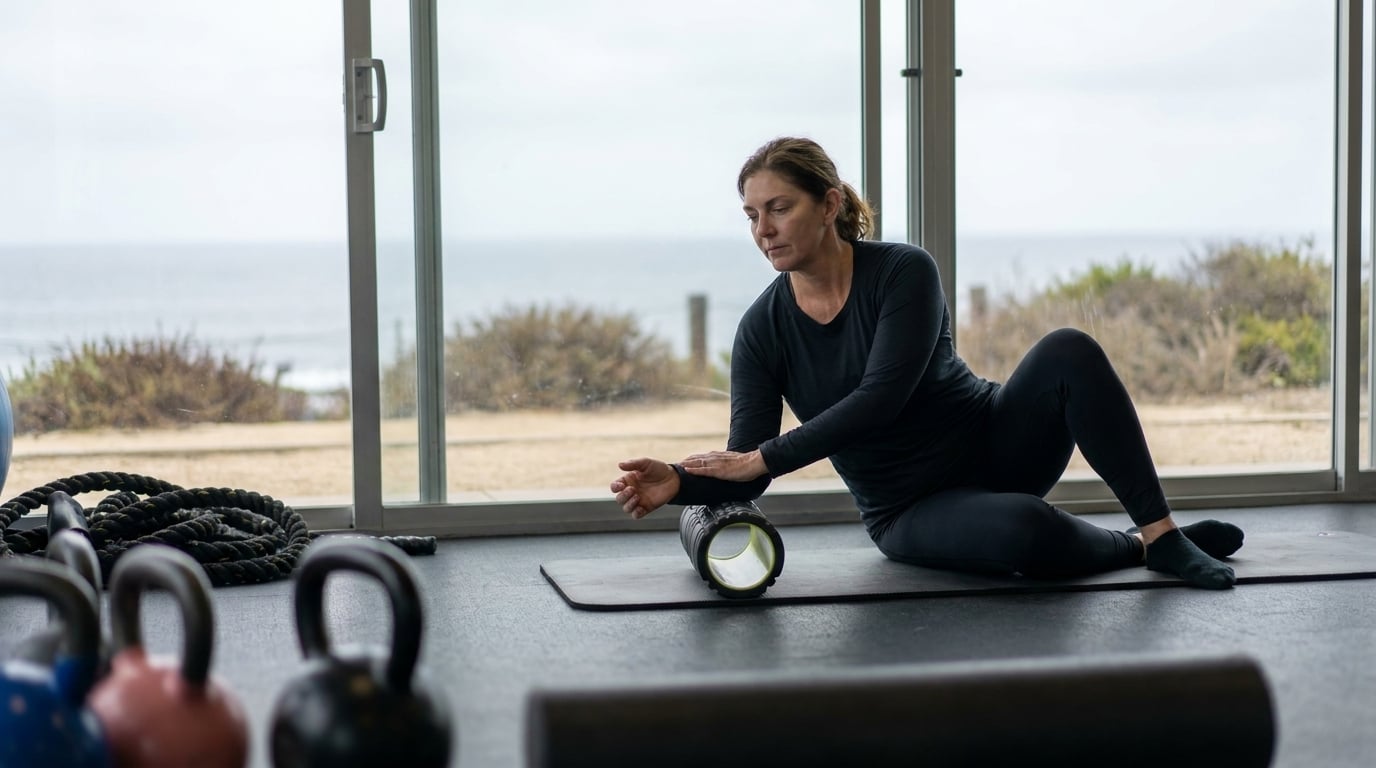
• Foam rolling and mobility work to ease tight areas.
Use active recovery when you feel moderately tired but can move with normal form. Choose complete rest when your movement feels off, sleep suffers, or soreness limits daily activities.
Experts generally recommend taking 1 to 3 rest days per week, with the exact number depending on fitness level and exercise intensity. The sample schedule below balances boot camp, active recovery, and full rest.
| Day | Activity Type | Intensity | Duration |
|---|---|---|---|
| Monday | Boot Camp | High | 45-60 min |
| Tuesday | Active Recovery | Low | 20-30 min |
| Wednesday | Boot Camp | High | 45-60 min |
| Thursday | Active Recovery | Low | 20-30 min |
| Friday | Boot Camp | High | 45-60 min |
| Saturday | Light Activity | Low-Moderate | 30-45 min |
| Sunday | Complete Rest | None | Recovery |
Most muscles require 48-72 hours to recover after intense resistance training, and large groups such as the legs often need 72-96 hours due to greater mechanical stress. This type of weekly layout respects those timelines while keeping you consistent.
Chronic inflammation slows recovery and blocks progress over time. Post-workout meals should combine lean protein and carbohydrates, along with colorful produce and healthy fats, to support muscle repair and hydration. Beyond that immediate window, your daily food choices shape your overall recovery environment.
Build these anti-inflammatory habits into your routine:
• Include omega-3 rich foods such as fatty fish, walnuts, and flax seeds two to three times weekly.
• Aim for five to seven servings of colorful fruits and vegetables each day.
• Choose whole grains instead of refined carbohydrates most of the time.
• Limit processed foods, excess sugar, and trans fats that drive inflammation.
• Drink about 8-10 glasses of water daily, adjusting for body size and sweat loss.
Consistent intake of anti-inflammatory foods throughout the week creates cumulative benefits that support every boot camp session.
Recognizing early overtraining signs protects you from bigger setbacks and injuries. Behavioral indicators include reduced desire to train, irritability, anxiety, low mood, and a sense that workouts feel like a chore.
Watch for these overtraining signals:
• Persistent fatigue that lasts more than 48 hours.
• Declining performance even when effort stays high.
• Sleep problems or waking up feeling unrefreshed.
• Resting heart rate that runs 10-15 beats above your normal baseline.
• Frequent illness or slow healing from minor issues.
• Loss of motivation or enjoyment in training.
When several extra rest days fail to restore strength and energy, you have likely moved from acute fatigue into non-functional overreaching. Respond quickly with more rest, lower intensity, or professional guidance.
Transform your understanding of recovery into lasting results. Learn how our team at Premier Fitness Camp helps prevent overtraining while still moving you forward.
Sustainable fitness grows from a mindset that treats recovery as productive work, not wasted time. Exercise adaptation builds through repeated training stress followed by enough recovery, not from isolated peak-effort sessions.
Adopt these connected mindset shifts:
• Recovery is when adaptation occurs, not when you are “doing nothing,” which means rest days still move you forward.
• Because recovery drives adaptation, consistency across weeks matters more than single intense workouts.
• With this consistent approach, progress includes strength, endurance, mood, and energy, not just changes on the scale.
• When you define progress broadly, setbacks feel temporary while sustainable habits become your long-term foundation.
Focus on building simple systems you can repeat most days. Small, steady actions compound into major changes over months and years.
The stress-recover-adapt cycle plays out differently depending on your training history. Recovery from weight training shifts with factors like volume, intensity, age, and lifestyle.
Beginner (40-year-old, new to exercise): Takes about 72 hours between intense sessions, focuses on form over load, and builds basic exercise habits.
Intermediate (45-year-old, 6 months experience): Handles 48-hour recovery cycles, balances intensity with total volume, and uses active recovery days regularly.
Advanced (50-year-old, 2+ years experience): Trains on consecutive days by rotating muscle groups, uses periodization, and tracks recovery metrics closely.
Each level uses different tactics, yet all follow the same core principles of stress, recovery, and adaptation.
Motivation often dips around weeks three and four of a new program. Counter this by tracking non-scale wins such as better sleep, higher energy, or improved mood. Consistent progress and fewer injuries come from balancing enough training stress with adequate recovery, not from chasing maximum stress.
Persistent DOMS that lasts beyond 72 hours usually signals incomplete recovery. Ease back on intensity, increase protein intake, apply the sleep strategies from Step 2, and use massage or gentle movement. When time feels tight, remember those sleep principles and choose rest over extra training.
Unrealistic expectations can drain motivation. Meaningful fitness improvements often occur at lower training volumes than most people assume when consistency stays high. This perspective helps you stay patient and steady.
Tracking both objective and subjective markers gives a clear picture of your recovery. Objective data includes resting heart rate, sleep duration, strength benchmarks such as push-ups or plank time, and body composition changes. Subjective markers include energy, mood, motivation, and how hard workouts feel.
Create a simple weekly log that tracks:
• Sleep quality on a 1-10 scale.
• Daily energy levels on a 1-10 scale.
• Workout performance such as reps, weights, or duration.
• Recovery activities you completed.
• Stress levels and major life events.
Review these notes each week to see what supports your recovery and what holds it back.
As your fitness improves, you can refine your plan with more structure. Periodization means you vary training stress and recovery in planned cycles. Deload weeks, where you reduce volume and intensity every four to eight weeks, allow full recovery while keeping movement patterns sharp.
Advanced practitioners may track heart rate variability, log detailed nutrition, and use targeted stress management techniques. Seek professional support when progress stalls despite consistent effort, when injuries repeat, or when motivation drops sharply.
Ready to take your recovery to the next level? See how Premier Fitness Camp can personalize your recovery strategy for your goals, schedule, and training history.
How long does it take to see improvements in recovery capacity?
Most people notice better recovery within a few weeks of consistent sleep, nutrition, and active recovery habits. Larger changes in recovery capacity build over several weeks of steady practice. Over time, your body becomes more efficient at clearing metabolic waste, repairing tissues, and restoring energy systems.
Can I do boot camp workouts every day if I feel good?
Feeling good does not always mean you are fully recovered. High-intensity boot camp sessions stress your nervous system, muscles, and connective tissues, which all need time to repair. Training hard every day builds hidden fatigue, lowers performance, and raises injury risk. Alternate boot camp days with active recovery or full rest.
What is the difference between being sore and being injured?
Normal muscle soreness (DOMS) usually begins 12-24 hours after new or hard exercise as a dull ache, improves with gentle movement, peaks between 24-72 hours, and fades within a few days, rarely more than five. Injury pain feels sharp, often sits in a joint or specific spot, worsens with movement, and may include swelling or bruising. When you feel unsure, consult a healthcare professional instead of pushing through.
How do age and medications affect recovery needs?
Adults over 40 often need longer recovery windows because protein synthesis slows and some hormones decline. Medications such as blood pressure drugs, antidepressants, and sleep aids can change heart rate response, sleep quality, and energy. Work with your healthcare provider to understand how your prescriptions affect training and recovery, then adjust your plan.
Should I modify my recovery plan based on life stress?
Life stress always affects recovery capacity. Work demands, family responsibilities, financial pressure, and major changes all tax your system. During high-stress periods, protect sleep, lower training intensity, increase gentle recovery activities, and lean on stress management tools. Your recovery plan should shift with your current life load.
Mastering recovery turns hard boot camp classes into sustainable fitness progress. This seven-step framework, which covers post-workout nutrition, sleep, active recovery, weekly structure, inflammation control, overtraining awareness, and mindset, creates a strong base for long-term change.
Recovery is not the absence of training. It is the phase when your body adapts and grows stronger. When you apply these evidence-based strategies consistently, you build resilience, avoid burnout, and keep moving toward your goals.
Ready to turn this knowledge into lasting transformation? Our comprehensive approach combines expert-led training with personalized recovery protocols in a luxury resort setting. Book a free consultation to discover how our “Think, Eat, Move” philosophy can help you achieve sustainable fitness progress without burnout.