 5-star Wellness Resort
 5-star Wellness Resort
Written by: Chris Butt, Certified Personal Trainer & Weight Loss Coach, Premier Fitness Camp | Last updated: September 9, 2026
Every boot camp session acts as a controlled stressor. The body responds by repairing damaged muscle fibers, replenishing energy stores, and reinforcing neural pathways. Over time, you emerge slightly stronger and more capable after each cycle. This pattern is the stress-adaptation cycle. The adaptation happens during recovery, not during the workout itself. Without adequate recovery time, the cycle stalls and the body accumulates damage faster than it can repair it. That pattern leads to performance plateaus, chronic fatigue, and elevated injury risk.
The American College Of Sports Medicine (ACSM) recommends at least 48 hours between resistance training sessions that target the same muscle groups. This window gives tissues time to repair and adapt. Recovery needs also vary by age, fitness level, training volume, sleep quality, and life stress outside the gym.
Active recovery means low-intensity exercise on rest days or after intense workouts. It promotes blood flow, reduces muscle soreness, and supports recovery without adding meaningful stress to the body.
The Four R’s Of Recovery give you a simple checklist after every boot camp session. Consistent use supports hydration, nutrition, tissue repair, and training balance.
Post-workout nutrition drives muscle repair and restores energy for your next session. The goal is to stimulate muscle protein synthesis and replenish muscle glycogen.
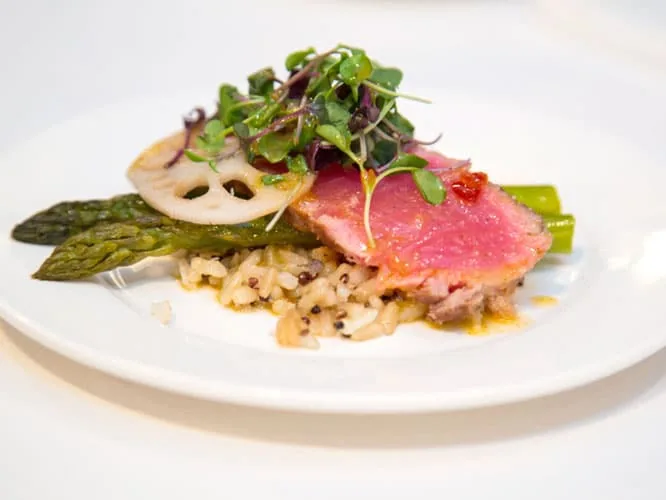
The International Society Of Sports Nutrition (ISSN) position stand recommends 20–40 g of protein (approximately 0.25–0.4 g/kg of body mass) every three to four hours to support muscle protein synthesis. Skeletal muscle remains sensitized to protein ingestion for about 24 hours after resistance training. For adults over 55, the anabolic response to protein is blunted, so higher protein doses such as 40–50 g post-workout are more appropriate.
The widely cited “30-minute anabolic window” exaggerates the urgency. For most clients, a protein-and-carbohydrate meal within a couple of hours of training captures the benefit. If you ate a protein-containing meal before training, the effective window becomes even wider. Muscle protein synthesis remains elevated for 24–48 hours post-exercise, so total daily protein intake matters more than precise timing.
For carbohydrates, the ISSN recommends aggressive carbohydrate refeeding at roughly 1.2 g/kg/hour when less than four hours of recovery are available before the next session. For boot campers training once daily, focus on a balanced meal within two to three hours.
Practical post-boot camp meal options include:
At Premier Fitness Camp, registered dietitians design every meal to support recovery and teach clients how to repeat these habits at home. Book a free consultation to learn how PFC’s nutrition education program can work for you.
The CDC recommends that adults get seven or more hours of sleep per night for optimal health. During demanding boot camp blocks, the upper end of that range supports better recovery. The Saner et al. 2023 RCT also found that the four-hour sleep group had elevated serum cortisol and reduced serum testosterone compared to the eight-hour sleep group. That hormonal profile works against recovery and muscle adaptation.
Research on young athletes found that those sleeping under eight hours were 1.7 times more likely to sustain an injury. This pattern links short sleep to both performance decline and higher injury risk. A 2025 meta-analysis reviewing 29 studies on sleep restriction and strength performance found that sleeping less than seven hours per night reduces average one-rep max by 8–12% and explosive power by up to 10%, so the same effort produces smaller strength gains.
Evidence-based sleep hygiene practices for boot camp recovery include:
Active recovery and complete rest each play a distinct role in a sustainable training plan. The right choice depends on how your body feels and what you did the day before.

The Dupuy et al. 2018 meta-analysis of 99 studies found that active recovery significantly reduces perceived muscle soreness. Effects on objective strength recovery and inflammatory markers were smaller and less consistent. Active recovery works best as a comfort and adherence tool because it makes the next training session feel more approachable.
A 2019 systematic review by Ortiz et al. covering 26 studies and 471 professional, collegiate, and competitive athletes found that active recovery sessions lasting six to ten minutes consistently produced positive performance effects. Longer sessions did not produce proportionally better outcomes.
The evidence-based dose for active recovery is 20–45 minutes at 50–65% of maximum heart rate. This pace feels conversational, breathing stays easy, and no major muscle group from the previous day’s training is repeated. Walking has the strongest evidence base among active recovery options.

Choose active recovery when general stiffness and soreness are the main issues, sleep was adequate, and life stress feels manageable. Choose full rest when sleep was poor, stress is high, or genuine fatigue or illness is present. If you are sweating during active recovery, you have gone too far. With these principles in mind, you can now map out a full week that balances training and recovery.
This weekly template balances high-intensity boot camp sessions with structured recovery. Use it as a starting point, then adjust based on your recovery needs, fitness level, and life stress.
| Day | Training Focus | Recovery Emphasis |
|---|---|---|
| Monday | High-intensity boot camp (full body) | Post-workout protein and hydration within 2–3 hours |
| Tuesday | Moderate-intensity boot camp (upper body) | 20-minute evening walk or mobility work |
| Wednesday | Active recovery (30-minute walk or yoga) | Foam rolling and 7–9 hours sleep |
| Thursday | High-intensity boot camp (lower body) | Post-workout meal within 2–3 hours |
| Friday | Moderate-intensity boot camp (intervals) | Hydration, electrolytes, and early bedtime |
| Saturday | Fun activity (hike, paddleboarding, or swim) | Enjoyable movement with no performance pressure |
| Sunday | Full rest day | Light stretching, meal prep, and sleep priority |
This structure alternates hard days with easier days or active recovery. The pattern gives the stress-adaptation cycle time to complete before the next high-intensity stimulus. The ACSM’s recommendation of at least 48 hours between resistance sessions targeting the same muscle groups fits naturally into this schedule.
True overtraining syndrome is rare in recreational exercisers. Chronic under-recovery is far more common and often comes from poor sleep, insufficient nutrition, and life stress that stacks on top of training stress. Early recognition allows you to adjust before a minor deficit becomes a major setback.
Common signs that recovery is insufficient include:
When these signs appear, respond by taking an extra rest day, reducing session intensity by 10–15%, and focusing on sleep and nutrition. For functional overreaching, reducing training volume by 40–50% for five to seven days while maintaining relative intensity is the recommended protocol. Tracking energy, sleep quality, and performance across sessions makes it easier to catch early warning signs before they build up.
Premier Fitness Camp (PFC) puts every principle in this guide into practice through its “Think, Eat, Move” philosophy. The Think pillar focuses on behavioral health. Licensed psychologists and coaches help clients manage stress, emotional triggers, and the mental demands of lasting lifestyle change. The Eat pillar delivers nutrition education through registered dietitians and wellness chefs who design every meal for recovery and teach clients to repeat those habits at home. The Move pillar balances 4–5 hours of daily expert-led training with structured recovery built into the schedule.

PFC tracks 17 data points weekly, including sleep quality, energy levels, body composition, blood pressure, strength metrics, and cardiovascular markers. This data allows the team to personalize recovery and catch early signs of under-recovery before they derail progress. Every stay includes three spa treatments per week, such as massage and restorative bodywork at the Omni La Costa Spa, to provide soft tissue recovery alongside training.
A UCSD case study of PFC participants who stayed four or more weeks found that 94% of total weight loss was purely fat, compared to the 60/40 fat-to-muscle ratio typical of standard dieting programs. Most long-term PFC clients maintained or increased lean muscle mass during weight loss. This pattern reflects PFC’s recovery-first approach, where adequate sleep, precision nutrition, and structured rest preserve the muscle that sustains metabolism and long-term results.
As client Irene Tchaikovsky wrote in her Google review: “What began as a simple one-week reboot has transformed into a complete lifestyle shift. PFC equips you with the knowledge, tools, and support to make meaningful—and sustainable—changes.”
Ready to experience a program that prioritizes recovery and lasting results? Book a free consultation with Premier Fitness Camp today. Call (888) 488-8936 or book your free consultation online.
Most adults progress well with three to five sessions per week, plus at least one full rest day and one to two active recovery days. Beginners benefit from starting at the lower end of that range and progressing gradually. More experienced exercisers can train more often when recovery markers such as sleep, energy, soreness, and performance stay positive. Training frequency should always match your recovery capacity.
The Four R’s Of Recovery are Rehydrate, Refuel, Repair, and Rest. Rehydrate by replacing fluids and electrolytes lost during training, especially after longer or hotter sessions. Refuel by following the protein and carbohydrate guidance outlined earlier in this guide. Repair by prioritizing 7–9 hours of quality sleep and regular soft tissue care such as foam rolling or massage. Rest by scheduling both full rest days and active recovery sessions so your body can complete the stress-adaptation cycle.
The highest-impact recovery tools are consistent sleep, smart post-workout nutrition, hydration with electrolytes for longer sessions, active recovery on lighter days, and planned rest days. Beyond these fundamentals, managing life stress, tracking training load, and planning easier recovery weeks every three to four weeks prevent fatigue from building into plateaus or injury. Steady consistency across these areas produces compounding benefits over time.
A balanced post-workout meal with a solid protein source and meaningful carbohydrates within two to three hours suits most boot camp participants. The strict 30-minute anabolic window is not supported by current research, because muscle protein synthesis stays elevated for 24–48 hours after exercise. Total daily protein intake matters most. Practical meal options include Greek yogurt with berries and granola, a chicken quinoa bowl, a turkey wrap, cottage cheese with fruit and whole-grain toast, or a protein shake with a banana. Adults over 55 benefit from aiming toward the higher end of the protein range described earlier.