 5-star Wellness Resort
 5-star Wellness Resort
Written by: Chris Butt, Certified Personal Trainer & Weight Loss Coach, Premier Fitness Camp
Book a free consultation at Premier Fitness Camp
Civana Wellness Resort & Spa is a destination wellness resort on roughly 20 acres of Sonoran Desert in Carefree, Arizona, just north of Scottsdale. Its room rate includes a full daily schedule of movement, mindfulness, and education classes, while spa treatments, dining, and private sessions are charged separately, a pay-as-you-go model that suits self-directed travelers who want flexibility. Civana offers more than 100 wellness classes and studios and describes itself as focused on happiness first, healthiness always.
Every wellness property, including Civana, fits one of three categories.
Most “alternatives to Civana” lists stop at relaxation and structured wellness. This guide includes those categories and also highlights the only named transformation option backed by published body-composition data.
Best Holistic Wellness Retreats In California & Arizona offers more detail on how these properties compare across the region.
The four properties below represent the strongest Arizona alternatives to Civana within relaxation and structured wellness.
Miraval Arizona (Tucson)
Mii amo (Sedona)
Castle Hot Springs (Morristown)
Canyon Ranch Tucson
These four properties excel within relaxation and structured wellness. They do not provide the daily training volume, behavioral health curriculum, or weekly data tracking of a results-driven program.
Premier Fitness Camp (PFC) serves adults who have tried spa weekends and gym memberships and now want a structured, educational, immersive program with verifiable outcomes.

Civana functions as a flexible wellness resort where guests build their own days from a broad class menu. PFC operates as a structured, educational, results-driven program where fitness, nutrition, and behavioral health come together in one immersive experience, with outcomes tracked weekly in writing.
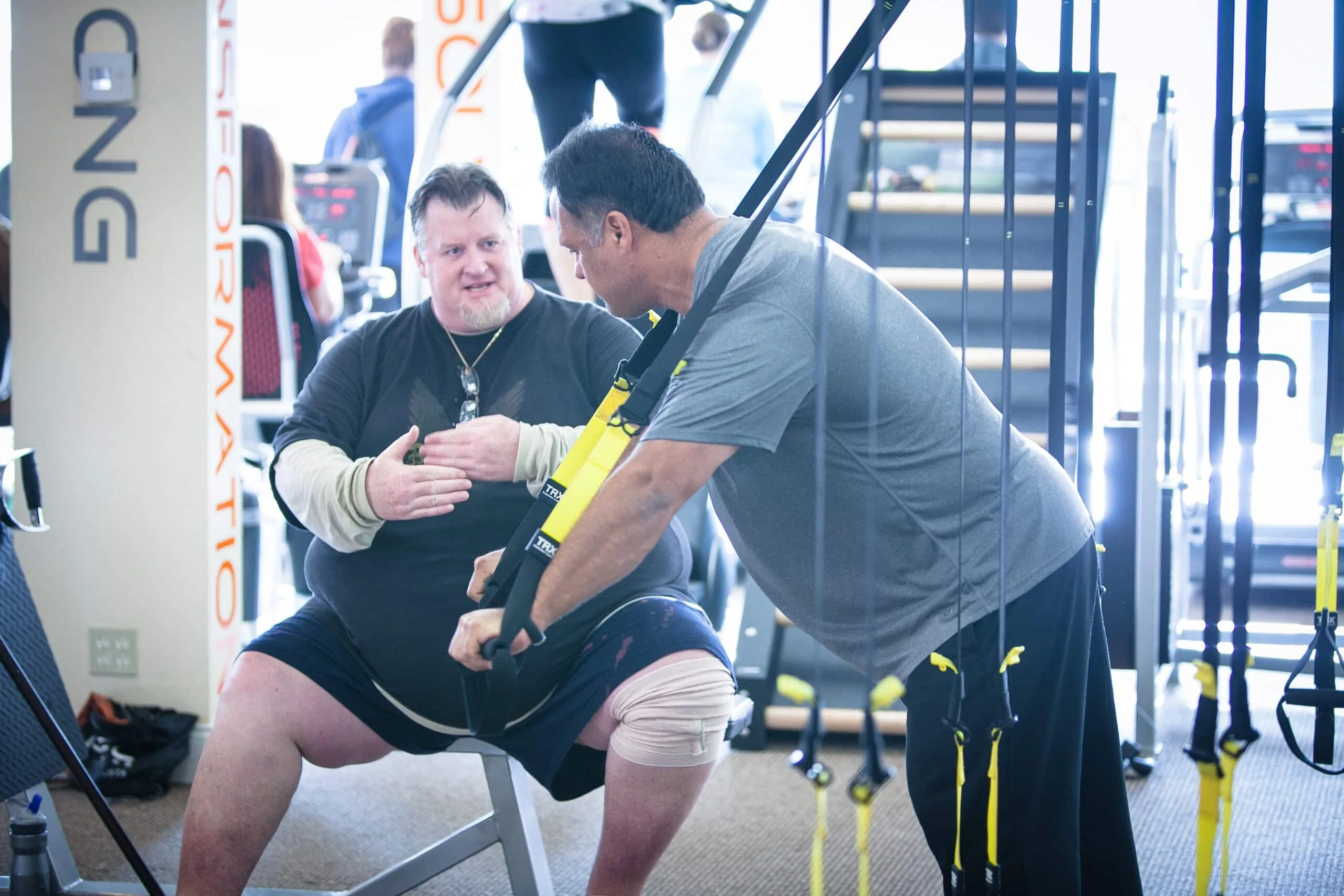
A 2026 overview of systematic reviews in Frontiers in Nutrition reported that combined physical activity and diet interventions consistently outperformed single-component approaches for reducing fat mass and improving cardiorespiratory fitness. The most durable results appeared in programs with longer duration, higher contact frequency, supervision, and resistance training, which matches the structure PFC provides.
PFC client Irene Tchaikovsky wrote, “What began as a simple one-week reboot has transformed into a complete lifestyle shift. PFC equips you with the knowledge, tools, and support to make meaningful and sustainable changes.”

Civana and Miraval both operate as Arizona wellness resorts with broad programming, yet their pricing models differ. Miraval is largely all-inclusive, bundling lodging, meals, spa access, daily programming, and airport transfer, while Civana’s room rate covers the class schedule with treatments and dining charged separately. Adding several treatments, all meals, and a private session to a Civana stay narrows the price gap with Miraval’s inclusive rate considerably, though it rarely closes entirely. Miraval enforces a phones-down culture called “Miraval Mode”, which suits guests who want digital disconnection imposed. Neither property focuses on measurable results.
Canyon Ranch Tucson offers deeper health and fitness programming than Civana, with physicians, nutrition professionals, exercise physiologists, and sleep specialists available alongside assessments and personalized recommendations. That medical depth comes at a higher price and with a wellness-consultation focus rather than a daily training structure. For guests whose primary goal is measurable body-composition change, PFC’s 4–5 hours of daily supervised training, behavioral health curriculum, and 17-point weekly tracking provide a more intensive and data-driven commitment than either Civana or Canyon Ranch.
Wellness travel pricing usually follows one of two models: bundled all-inclusive or à la carte pay-as-you-go. All-inclusive resorts bundle accommodation, classes, meals, activities, and sometimes spa credits into one price, while pay-as-you-go properties advertise a lower base rate but charge separately for meals and workshops.
Civana’s room rate includes its daily class schedule, while treatments and dining cost extra. Miraval, Mii amo, and PFC use all-inclusive pricing. Comparing the full stay, not just the nightly rate, gives the clearest picture, because adding several treatments and all meals to a Civana stay narrows the gap with an inclusive rate. A realistic total cost estimate should include the full stay, transport, likely add-ons, and a cushion for unexpected expenses.
All-inclusive pricing works best for a focused, immersive experience. À la carte suits travelers with very different goals in the same party, such as one person wanting multiple spa treatments and another wanting mostly hiking and reading. PFC is fully all-inclusive, covering accommodations, all meals, all fitness and education programming, behavioral health support, and three spa treatments per week, with no additional charges for the core program.
Arizona and Southwest desert wellness retreats work best from October through April, when temperatures usually range from 65 to 85°F. Phoenix and Tucson valley summers often reach 100 to 115°F, which limits outdoor activities to dawn and dusk and drives summer discounts of 30 to 40 percent.
PFC’s Carlsbad, California location follows a different climate pattern. North San Diego County’s coastal climate stays moderate with low humidity year-round, which supports daily outdoor training. Guests can expect beach workouts on the Pacific coast, hikes through Torrey Pines and Batiquitos Lagoon, stand-up paddleboarding, and kayaking in every month. The California coast functions as a year-round retreat market with only minor seasonal shifts. For guests focused on outdoor fitness, the Southern California coast removes the seasonal limits that restrict Arizona properties to roughly half the year.
Before booking any wellness property, walk through this short checklist.
If your answers point toward transformation, with daily training, behavioral health support, nutrition education, and verifiable outcomes, a free consultation with PFC becomes the natural next step.
Civana Wellness Resort & Spa is a destination wellness resort in Carefree, Arizona, set on approximately 20 acres of Sonoran Desert just north of Scottsdale. It is known for more than 100 weekly wellness classes spanning movement, mindfulness, and outdoor activities, a full-service spa with a distinctive hydrotherapy thermal circuit, and plant-forward dining at its two on-site restaurants. Civana operates on a pay-as-you-go model, where the room rate includes the daily class schedule and spa treatments and dining are charged separately. Its philosophy centers on flexibility and self-direction, which suits guests who want a broad wellness menu without a fixed itinerary.
Premier Fitness Camp (PFC) is the strongest alternative for guests whose primary goal is measurable fitness improvement and fat loss. PFC delivers 4–5 hours of supervised training per day, Monday through Friday, at a 3–4:1 client-to-trainer ratio, with all trainers holding at least a bachelor’s degree. Weekly tracking covers 17 data points, including body composition, blood pressure, cholesterol, glucose, and fitness measures, summarized in a personalized report card. A UCSD case study found that 94% of client weight loss was purely fat, compared with the 60/40 fat-to-muscle ratio typical of standard dieting programs. The program also includes nutrition education from registered dietitians, behavioral health support from licensed psychologists, and three spa treatments per week, all within an all-inclusive rate at the Omni La Costa Resort & Spa in Carlsbad, California.
Wellness retreats use different pricing models. Miraval Arizona, Mii amo, and PFC are all-inclusive, bundling lodging, meals, programming, and in some cases spa credits and transfers. Civana operates on a pay-as-you-go model, where the room rate covers the class schedule and treatments and dining are billed separately. Canyon Ranch Tucson includes meals, fitness classes, and lectures but charges separately for many medical consultations and spa services. Castle Hot Springs includes daily meals and most activities. The most accurate comparison looks at total cost for the full stay, because adding meals and treatments to a pay-as-you-go property can bring the total close to an all-inclusive rate.
October through April is the optimal window for Arizona wellness travel. During those months, temperatures in the Phoenix and Tucson valleys typically range from the mid-60s to the mid-80s Fahrenheit, which keeps outdoor programming such as hiking, yoga, and fitness classes comfortable and fully available. June through September brings extreme heat, with temperatures often reaching 100 to 115°F in the desert valleys. During those months, outdoor activities usually shift to early morning and evening, and some properties reduce outdoor programming. Summer rates at Arizona resorts often run 30 to 40 percent lower than peak-season rates, reflecting that reduced usability. Sedona, at higher elevation, stays somewhat cooler than the Phoenix and Tucson valleys but still experiences summer heat and monsoon storms.
PFC operates as a structured, educational, results-driven program rather than a relaxation-focused resort stay. The core differences involve training volume, education depth, and outcome tracking. A typical wellness retreat offers optional classes, spa treatments, and healthy meals in a flexible format. PFC delivers 4–5 hours of supervised fitness training per day, a full behavioral health curriculum led by licensed psychologists, nutrition education and cooking demonstrations from registered dietitians and wellness chefs, and a 17-point weekly report card tracking body composition, metabolic markers, and fitness measures. Stays begin at one week and can extend to several months. The program is designed to produce lasting behavioral change, and roughly half of PFC’s annual revenue comes from returning alumni, which reflects the sustained value clients experience.
The right length depends on your goal. One week at PFC delivers a powerful kickstart with measurable changes in body composition, blood pressure, and fitness, plus an introduction to the nutrition and behavioral health curriculum. Two weeks build real momentum and allow habits to start forming. PFC cites research suggesting 21 days to form new habits and describes three weeks as the point where habit change becomes permanent. Four weeks deliver significant fat loss and the full educational foundation for long-term maintenance. PFC’s average client stay is approximately 11 days, and many first-time clients book one week and extend on-site after experiencing the program. Extended stays of up to several months are available for deeper transformation.
Civana and its Arizona peers Miraval, Mii amo, Castle Hot Springs, and Canyon Ranch provide strong experiences within relaxation and structured wellness. Civana’s flexible class schedule and pay-as-you-go model suit self-directed travelers. Miraval’s all-inclusive rate and mindfulness culture suit guests who want a curated week. Canyon Ranch’s medical depth suits guests who want professional assessments and personalized guidance. Mii amo and Castle Hot Springs serve guests who prioritize spa immersion and seclusion.
Guests who want measurable, lasting transformation, including verifiable fat loss, preserved lean muscle, improved metabolic markers, and the behavioral education to sustain results at home, need a different category. Premier Fitness Camp fills that role. With 4–5 hours of daily training, a “Think, Eat, Move” curriculum delivered by licensed psychologists and registered dietitians, 17-point weekly tracking, and a UCSD case study showing 94% of weight loss from fat, PFC functions as a results-driven residential program set within a luxury resort.
The decision framework stays simple: choose by goal. When the goal is transformation, the next step is a conversation.