 5-star Fitness
TRANSFORM YOUR LIFE TODAY! 1(888)488-8936
Book a Consult
 5-star Fitness
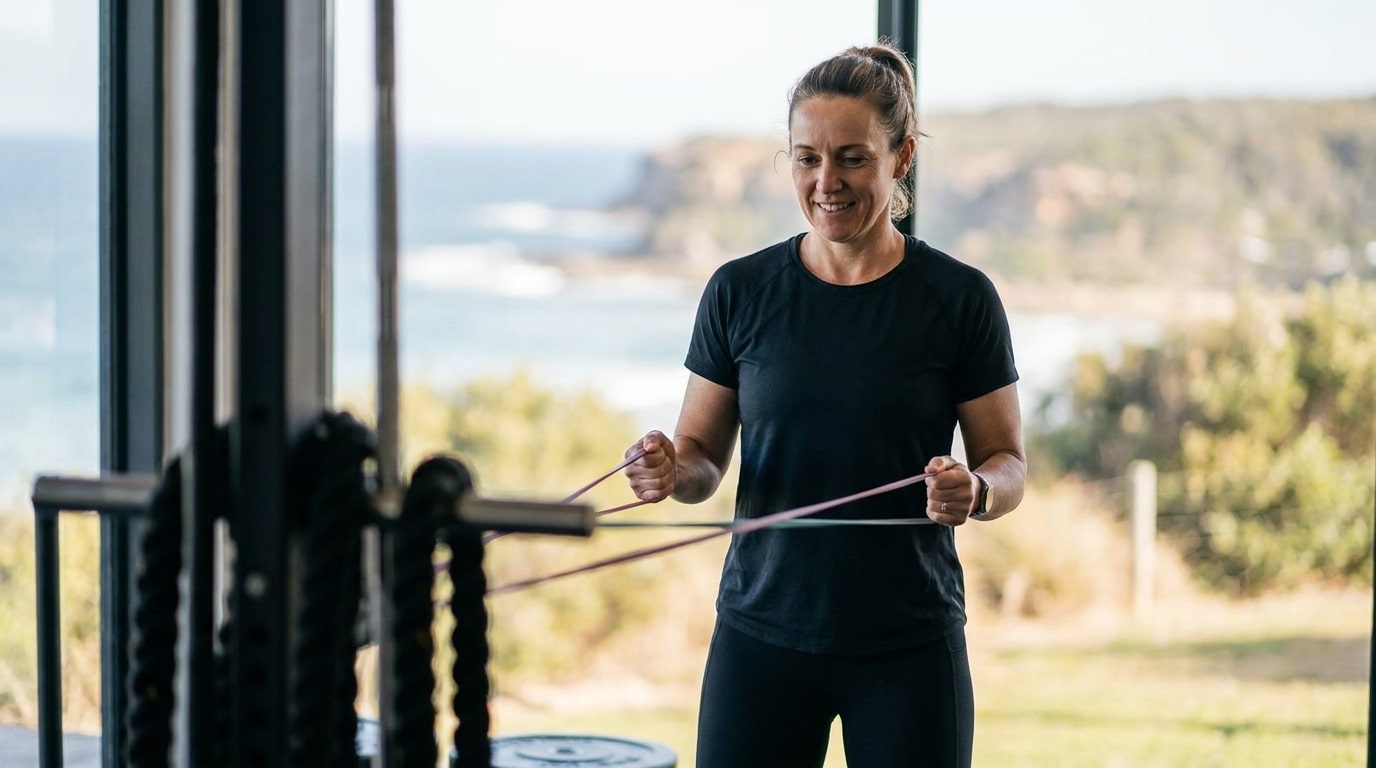
Written by: Chris Butt, Certified Personal Trainer & Weight Loss Coach, Premier Fitness Camp
Selecting a weight loss fitness camp starts with clear criteria that separate results-driven programs from basic wellness retreats. The factors below work together to create safe, sustainable change.
Science-Based Fat Loss: Choose programs that share documented fat-to-muscle loss ratios. The gold standard reaches 90% or more fat loss while preserving or building lean muscle. Typical dieting often produces a 60/40 fat-to-muscle loss split, which slows metabolism.
Comprehensive Education: Effective camps teach sustainable habits through nutrition workshops, cooking demonstrations, and behavioral health support. The “Think, Eat, Move” approach treats mindset, nutrition knowledge, and physical training as equally important pillars.
Expert Staff Credentials: High-quality programs employ trainers with bachelor’s or master’s degrees, registered dietitians, and licensed psychologists. This level of expertise goes beyond basic fitness certifications and supports complex health needs.
Personalized Training Ratios: Small groups of three to four clients per trainer allow for individual attention. Trainers can adjust exercises for injuries, fitness level, and confidence, which keeps clients safe and progressing.
Luxury Immersion: Premium accommodations and spa services create an environment where clients can focus fully on their transformation. By removing daily stressors like cooking, commuting, and household tasks, luxury immersion reduces decision fatigue and frees mental energy for building new habits.
Data-Driven Progress Tracking: Advanced programs track more than scale weight. Weekly monitoring of 15 or more metrics, including body composition, blood markers, strength, and cardiovascular fitness, gives a complete picture of health improvements.
Premier Fitness Camp operates exclusively at the Omni La Costa Resort in North San Diego County and delivers one of the most rigorously studied programs in the industry. UCSD case study research demonstrates that 94% of client weight loss comes from pure fat while preserving or building lean muscle mass, a rare outcome in weight management.
The “Think, Eat, Move” philosophy brings together licensed psychologists for behavioral health, registered dietitians for nutrition education, and degreed trainers for four to five hours of daily fitness. Clients stay in luxury resort accommodations, enjoy farm-to-fork meals from wellness chefs, and receive three spa treatments each week. With more than 1,200 reviews, a 90% or higher five-star rating, and 50% of revenue from returning alumni, Premier Fitness Camp shows exceptional satisfaction and retention.
Typical results include 3–4 pounds of fat loss per week for clients with 40–70 pounds to lose. Success stories include Lauren M., who lost 140 pounds and appeared on The Today Show, and Crissy, who lost 109 pounds and was featured on The Doctors.
Canyon Ranch pioneered the luxury wellness retreat model with extensive spa services and holistic programming. The experience centers on relaxation and stress reduction, which benefits overall health. However, the program does not match the intensive fitness focus or documented fat-loss outcomes of specialized weight loss camps.
Pritikin emphasizes longevity and cardiovascular health through plant-forward nutrition and moderate exercise. The Miami humidity can feel challenging for outdoor activity. The program attracts an older demographic and offers less intense fitness programming compared with transformation-focused camps.
Live In Fitness provides more budget-conscious options in residential homes with access to off-site gyms. The Arizona desert climate brings extreme heat for much of the year, which limits outdoor training. Frequent trainer turnover can also affect consistency of coaching and client experience.
Hilton Head Health operates in a humid coastal climate and offers structured weight-focused programming. Guests travel daily between accommodations and facilities, which adds logistical complexity. The program primarily serves an older demographic and maintains moderate workout intensity.
Unite offers 3–24 week programs starting every Sunday in downtown Salt Lake City. The urban hotel setting limits access to outdoor recreation, and Utah’s cold winters reduce year-round outdoor training options.
Civana focuses on wellness and relaxation rather than intensive weight loss, which makes it better suited for maintenance than major transformation. The desert setting also faces extreme summer temperatures that can restrict outdoor activity.
The comparison table below highlights key differences in climate, staff expertise, education style, tracking, and alumni loyalty. These details help distinguish science-based transformation programs from general wellness retreats.
| Camp | Location Climate | Staff Qualifications | Education Focus | Progress Tracking | Alumni Return Rate |
|---|---|---|---|---|---|
| Premier Fitness Camp | Perfect year-round | Bachelor’s/Master’s degrees | Think, Eat, Move comprehensive | 17 weekly metrics | 50% revenue from repeats |
| Canyon Ranch | Variable by location | Mixed credentials | Wellness-focused | Basic tracking | Not disclosed |
| Unite Fitness | Cold winters | Standard fitness | Fitness and nutrition | App-based | Not disclosed |
| Live In Fitness | Extreme summer heat | High turnover | Basic programming | Limited | Not disclosed |
While the programs above serve broad audiences, some groups benefit from more tailored support because of specific physiological and medical needs.
Women over 40 often face hormonal shifts, age-related muscle loss, and slower metabolism. Johns Hopkins research confirms women respond better to GLP-1 medications with 10.88% average weight loss, yet muscle preservation still matters for long-term health. Premier Fitness Camp’s UCSD-backed fat loss protocol addresses these needs with targeted resistance training and protein-focused nutrition.
Clients transitioning off GLP-1 medications require structured support to maintain weight loss and rebuild muscle mass. UC Davis research highlights the role of lifestyle interventions in sustainable post-medication success. Premier Fitness Camp’s comprehensive education and strength-focused protocols help GLP-1 graduates protect their results and avoid rebound weight gain.
Premier Fitness Camp earns the top ranking through measurable outcomes that exceed typical industry results. The UCSD case study involving dozens of participants staying four or more weeks documented the 94% fat loss ratio mentioned earlier while preserving or increasing lean muscle. This research directly counters the common problem of metabolic damage from muscle loss in traditional programs.
Client testimonials reveal a consistent pattern of exceeded expectations across different parts of the experience. Lin Vela returned three times and shared that the trainers make “hard work fun” with “amazing food,” showing that intensity does not have to feel punishing. Irene Tchaikovsky saw her stay evolve from “a simple one-week reboot” into “a complete lifestyle shift,” which reflects the depth of education and mindset work. Jake Younger reported gains in “confidence, strength, and a healthier lifestyle,” illustrating how physical changes can spark broader life improvements.
The alumni return rate mentioned earlier demonstrates unmatched satisfaction and long-term relationships that competitors rarely achieve.
Experience the difference that science-backed results make. Schedule your consultation to discuss how the UCSD-validated protocol applies to your specific situation.
Weight loss depends on starting weight, gender, age, and metabolism. The average client with 40–70 pounds to lose can expect 3–4 pounds of weekly fat loss at high-quality programs. As noted in Premier’s typical results, clients in this range usually see steady fat loss along with improvements in body composition, blood pressure, cholesterol, strength, and cardiovascular fitness within the first week.
Well-designed programs support everyone from complete beginners to seasoned athletes. Premier Fitness Camp maintains three to four clients per trainer and offers modifications for every exercise. Clients ranging from over 400 pounds with limited mobility to experienced athletes train in the same classes with tailored adaptations. Low-impact options protect joints while still driving progress.
Clients can safely attend many camps while using GLP-1 medications when medical providers approve participation. Quality programs support GLP-1 users with resistance training and higher protein intake to protect muscle. This structure helps offset medication-related muscle loss and builds habits that support long-term success, even after tapering off the drug.
Pricing varies widely based on amenities, staff expertise, and included services. Adult weight loss fitness camps may offer basic lodging and group workouts at lower rates or full-service experiences at higher prices. Premier Fitness Camp’s all-inclusive luxury model averages about $6,000 per week and includes resort accommodations, all meals, fitness programming, education, spa treatments, and post-camp support.
Ideal program length depends on your goals and how much weight you want to lose. One week provides a strong kickstart and education foundation. Two weeks build momentum and confidence. Three or more weeks help solidify habits and deliver deeper body composition changes. Many first-time clients choose 2–4 weeks and often extend once they see early results.
The leading weight loss fitness camps of 2026 focus on sustainable fat loss, comprehensive education, and long-term behavior change instead of quick fixes. Premier Fitness Camp stands out as a gold-standard option with UCSD-validated outcomes, luxury accommodations, and exceptional client satisfaction. As the industry adapts to post-GLP-1 realities and growing interest in holistic wellness, selecting a science-backed program becomes essential for lasting transformation.
Take the first step toward your transformation today. Connect with our team to discuss your specific goals and learn how Premier’s science-backed approach delivers the lasting results you deserve.