 5-star Wellness Resort
 5-star Wellness Resort
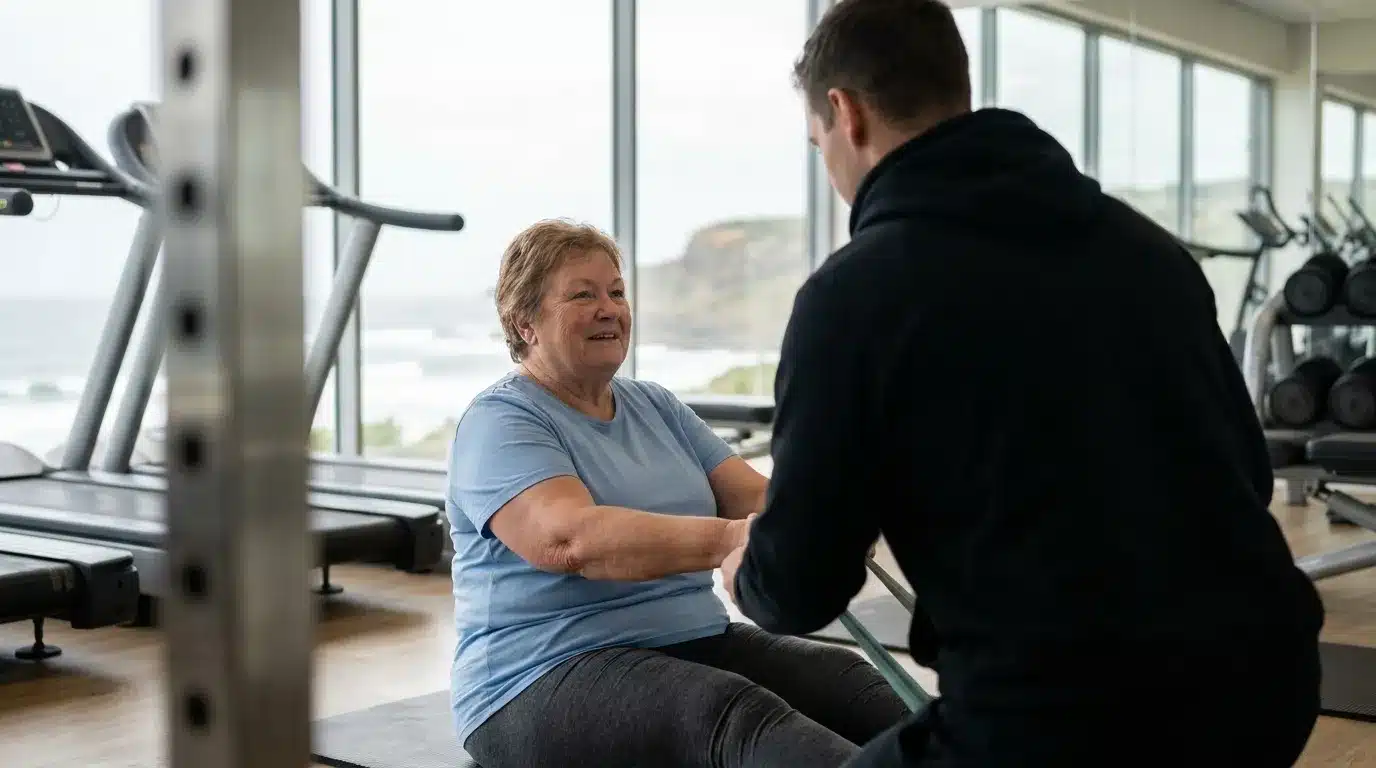
Written by: Chris Butt, Certified Personal Trainer & Weight Loss Coach, Premier Fitness Camp
Original Medicare (Parts A and B) does not cover gym memberships or fitness programs. However, most Medicare Advantage plans include some form of fitness benefit, which makes local classes accessible to the vast majority of enrolled seniors.
Programs like SilverSneakers are offered at no additional cost through most Humana Medicare Advantage plans. Eligible members gain access to more than 17,000 fitness centers nationwide along with live and on-demand virtual classes. Over 18 million seniors qualify for SilverSneakers nationwide through participating Medicare Advantage or Medigap plans. Because eligibility depends on the specific plan, direct verification with your insurer remains the most reliable step.
AARP-endorsed UnitedHealthcare plans switched from SilverSneakers to their proprietary Renew Active program in 2019. In addition, some Medicare Advantage plans have adjusted their fitness networks for 2026, so confirming current coverage before enrolling in any program is essential.
Medicare fitness benefits cover access, but access alone rarely guarantees measurable body-composition change, muscle preservation, or lasting habit formation. Retirees whose doctor has flagged sarcopenia risk, metabolic concerns, or the need for a structured exit from GLP-1 medications usually need a deeper intervention than a weekly class schedule can provide.
Retirees who recognize this gap can talk through their goals with the Premier Fitness Camp team and learn how an immersive residential program can complement or extend local benefits. Call (888) 488-8936 or schedule online.
Understanding what Medicare covers is only the first step. The next question is whether the frequency and intensity of covered programs can create the outcomes most retirees need.
The CDC recommends that older adults accumulate at least 150 minutes of moderate-intensity aerobic activity per week plus muscle-strengthening activities on 2 or more days per week. Balance training several days per week is also recommended.
The CDC 150-minute weekly minimum creates a meaningful baseline, yet it equals roughly 3–4 hours of activity spread across seven days. In contrast, residential clients train 4–5 hours per day, five days per week. That higher volume creates the stimulus needed for measurable fat loss and lean muscle preservation rather than simple maintenance.

Several well-established programs offer low- or no-cost options for seniors and serve as strong entry points into regular movement.
Free programs deliver real social and mobility benefits. What they cannot usually deliver is the individualized, data-driven, multi-disciplinary intervention that produces lasting body-composition change.
The SMARTER trial was conducted 2018–2021 and published in 2022; no 2026 trial or 32.1% finding on activity volumes linked to body-composition outcomes is reported. That evidence gap around higher-volume, integrated interventions is exactly what structured residential programming is designed to address.
The following comparison highlights why body-composition outcomes, not just access or cost, should guide program selection for retirees with significant fat-loss goals.
| Program Type | Typical Weekly Cost | Primary Outcome | Body-Composition Data Available? |
|---|---|---|---|
| Chair Yoga | $0 (Medicare Advantage) to ~$15/class | Pain reduction, fear-of-falling improvement, functional strength | No published fat-loss or lean-mass data |
| Water Aerobics / Aquatic Training | $0 (Medicare Advantage) to ~$20/class | Large balance (ES = 1.16) and muscle-strength (ES = 1.14) gains vs. control | Limited; no immersive-program comparison |
| Balance / Tai Chi | $0 (Medicare Advantage) to ~$15/class | Improvements in balance, functional strength, and body composition | Yes, but no post-intervention follow-up data |
| Immersive Residential | ~$6,000/week all-inclusive | 3–4 lbs fat loss per week; lean muscle preserved or increased | Yes, UCSD case study confirms superior fat-loss ratio (see Evidence section) |
For retirees seeking measurable fat loss alongside muscle preservation, the residential model operates at a different level of depth. The program maintains a 3–4:1 client-to-trainer ratio and tracks progress across 17 data points weekly, including body fat, blood pressure, glucose, LDL, HDL, triglycerides, strength, and mile time.
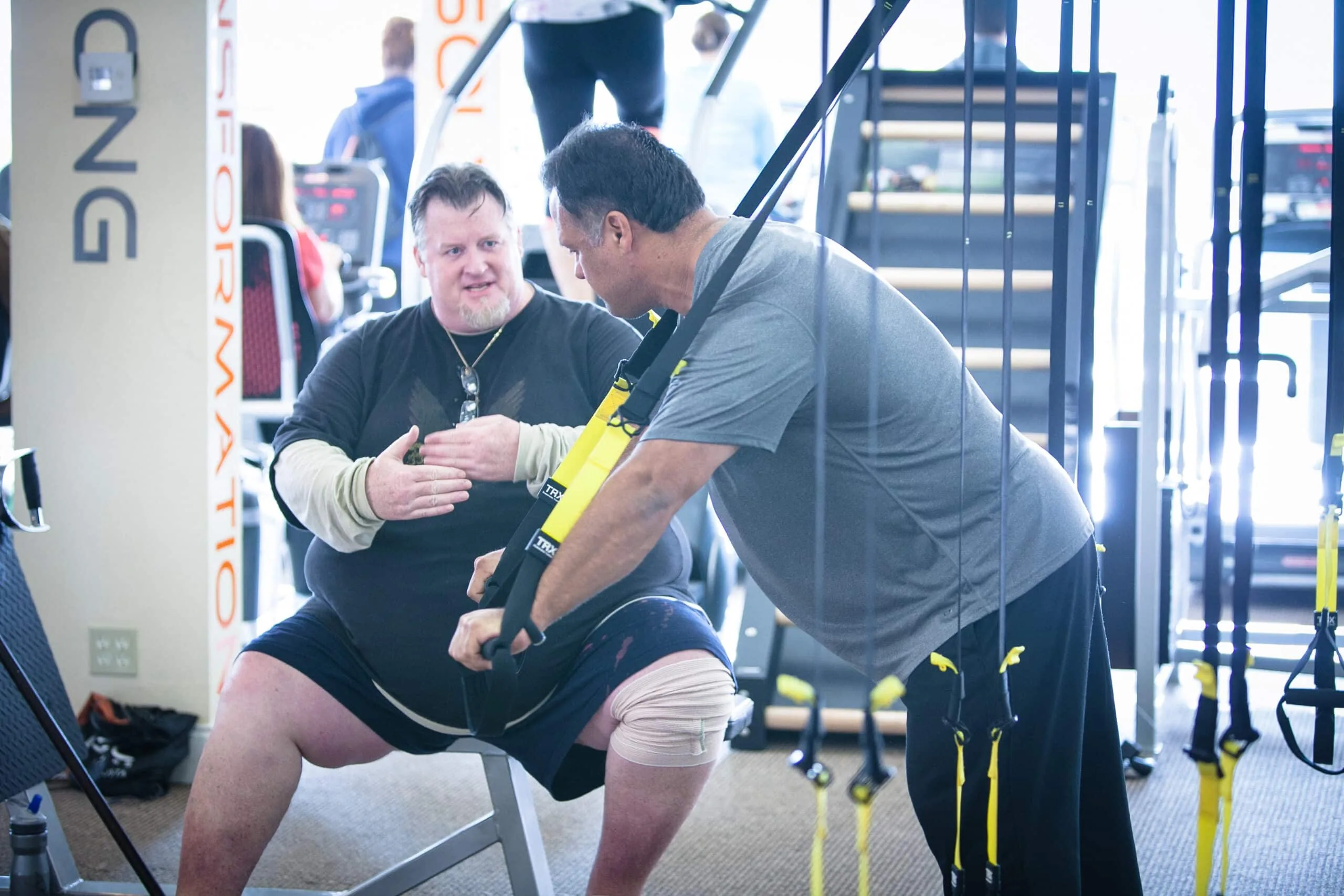
Meals are prepared on-site by wellness chefs under the guidance of registered dietitians. Licensed psychologists support behavioral change through the Think-Eat-Move curriculum. The setting at the Omni La Costa Resort & Spa in Carlsbad, California spans 450 acres with a year-round moderate climate and access to beach workouts, coastal hikes, and paddleboarding.
Discuss which program length fits your goals. Call (888) 488-8936 or schedule online.
Weekly community classes provide genuine value. Moderate physical activity has been shown to help reduce fall risk in older adults, and programs like EnhanceFitness produce documented functional gains. The social connection these classes offer also supports health.
The limitation is structural. Sustained adherence to higher activity volumes is more strongly associated with improvements in body composition than program enrollment alone. Maintaining that level of adherence in a community class format, without nutritional support, behavioral health coaching, or individualized progression, is difficult.
Research on long-term resistance training adherence in older adults identifies the trainer–trainee relationship as a critical factor, with participants noting “Without a trainer, many people quit.” Weekly classes rarely provide that relationship at the depth needed for lasting change. For retirees managing sarcopenia risk, GLP-1 transitions, or significant weight-loss goals, the gap between what community classes offer and what is clinically needed can be substantial.
The residential model centers on 4–5 hours of daily low-impact training, Monday through Friday, with a half day on Saturday. That volume creates the stimulus required for measurable body-composition change.
Every session is adapted for each fitness level using a 3–4:1 trainer-to-client ratio and low-impact modifications. This structure allows clients who can only walk 250 feet to train safely alongside seasoned athletes. A wide variety of activities, including bootcamp, boxing, barre, TRX, Tabata, beach workouts, coastal hikes, kayaking, and stand-up paddleboarding, helps prevent overuse injuries and keeps clients engaged across multiple weeks.

The Think-Eat-Move curriculum integrates behavioral health, nutrition education, and physical training into a single cohesive program. Licensed psychologists lead emotional eating workshops and one-on-one counseling. Registered dietitians and wellness chefs provide education and cooking demonstrations. Clients average 3–4 pounds of fat loss per week.

The program holds over 1,200 reviews with a 90%+ five-star rating, and 50% of annual revenue comes from returning alumni. That repeat participation reflects a high level of program trust and satisfaction.
“What began as a simple one-week reboot has transformed into a complete lifestyle shift. The program equips you with the knowledge, tools, and support to make meaningful and sustainable changes.” — Irene Tchaikovsky, client
Evidence and Outcomes
A case study conducted in partnership with the University of California, San Diego (UCSD) evaluated dozens of participants who stayed four or more weeks and received DEXA scans, the gold standard for body-composition measurement, at the start and end of their program. The findings:
- 94% of total weight loss was purely fat. Most aggressive weight-loss programs produce a 50/50 fat-to-muscle split, and standard dieting typically yields a 60/40 ratio. The 94% fat-loss rate stands out as substantially superior.
- Lean muscle mass was preserved or increased in most long-term participants, which directly protects resting metabolic rate and reduces the risk of weight regain.
- Bone volume and strength were maintained, an especially important outcome for adults 65+ managing osteoporosis risk.
- Metabolic capability was preserved, which addresses the primary driver of regain after programs that produce rapid weight loss through caloric restriction alone.
Progress is tracked across 17 data points weekly: weight, body fat percentage, neck, waist, umbilicus, upper arm, chest, hip, and quad measurements, blood pressure (systolic and diastolic), LDL, HDL, triglycerides, glucose, push-ups, plank time, and mile time. Clients receive a personalized weekly Report Card reviewed one-on-one with their trainer.
This is a case study, not a clinical trial. Individual results vary based on starting weight, health status, medications, and program length.
Risks, Due Diligence, and a Neutral Decision Framework
An immersive residential program does not fit every retiree or every season of life. A clear decision process helps you weigh the tradeoffs.
- Cost: The program runs approximately $6,000 per week, all-inclusive. Zero-percent financing for up to six months with no down payment is available, and the program may qualify as a tax-deductible medical expense (consult a tax professional). Multi-week discounts can reduce the per-week cost.
- Travel and logistics: The program operates exclusively at the Omni La Costa Resort in Carlsbad, California. Clients travel from across the United States and internationally. The year-round moderate climate and all-inclusive on-site structure simplify logistics once you arrive.
- Medical clearance: Consulting a physician before starting any new exercise program is recommended, particularly for older adults with existing health conditions. The program conducts a comprehensive health assessment on day one, including blood work, vital signs, and fitness testing, to build a personalized plan.
- Program length: Stays begin at one week. Research on habit formation suggests three weeks as a threshold for more durable behavioral change, and four or more weeks produced the most significant body-composition results documented in the UCSD case study.
A practical checklist ties these factors together. Has your doctor recommended structured weight management or muscle preservation? Have community classes plateaued in their results? Are you managing sarcopenia risk, a GLP-1 transition, or a significant fat-loss goal? Do you have the time and resources for a residential stay? If you answer yes to most of these questions, an immersive program deserves serious consideration.
Find out whether an immersive program fits your situation. Call (888) 488-8936 or schedule online.
Frequently Asked Questions
How often should seniors do aquatic exercise for fall prevention?
The evidence points to a minimum of twice per week for meaningful fall-risk reduction. Systematic reviews of aquatic exercise have found improvements in balance and muscle strength versus control groups, and more frequent weekly sessions combined with progressive intensity increases were associated with larger gains.
A separate 16-week aquatic exercise study found that benefits were largely maintained over six months of follow-up. For older adults with joint limitations or high fall risk, aquatic training at least twice per week, incorporating both aerobic and resistance components, represents a well-supported starting point.
What changes are happening to Medicare Advantage fitness benefits in 2026?
The core structure of Medicare Advantage fitness benefits remains intact in 2026, and most plans continue to include some form of fitness benefit. Specific networks, however, are shifting.
Some YMCA locations have been removed from certain Medicare fitness networks, and AARP-endorsed UnitedHealthcare plans continue to use Renew Active rather than SilverSneakers. The practical implication for seniors is that plan-level verification matters. Confirm that your specific gym or class location is covered under your current plan, and check during the October 15–December 7 Open Enrollment window if a change is needed.
Fitness benefits cover access to community classes but do not extend to residential wellness programs.
Do community fitness classes produce long-term adherence and habit sustainability in older adults?
Community classes support adherence better than no structured program, yet sustaining the activity volumes most strongly linked to body-composition improvement remains challenging. Studies have found that many participants do not achieve the higher weekly activity targets associated with meaningful reductions in body fat.
A qualitative study of long-term resistance training in older adults identified the trainer–client relationship as a central driver of unwavering adherence, with participants noting that without a trainer, many people quit. Community classes with consistent instructors and social accountability tend to outperform self-directed programs, but the depth of individualized support available in a residential setting, including daily trainer contact, behavioral health coaching, and nutritional guidance, creates a different adherence environment.
Can seniors on GLP-1 medications benefit from an immersive fitness program?
Yes, and the case for doing so is particularly strong. GLP-1 medications can produce meaningful weight loss, but without a structured resistance training and nutrition program, a significant portion of that loss can come from lean muscle rather than fat. That shift accelerates the very sarcopenia risk that concerns most retirees and their physicians.
An immersive program that emphasizes resistance training, adequate protein intake, and behavioral habit formation addresses the muscle-preservation gap directly. The UCSD case study demonstrated that 94% of client weight loss came from fat while lean muscle was preserved or increased, an outcome that supports long-term metabolic health whether or not a client is using or transitioning off GLP-1 therapy. The program does not discourage medication use; it is designed to make any weight-management approach more effective and sustainable.
Conclusion: Matching Your Fitness Path to Your Goals
Retirement fitness classes such as chair yoga, water aerobics, balance training, and community strength programs deliver real and documented benefits, including reduced fall risk, improved mobility, and meaningful social connection. For many retirees, these programs provide an excellent starting point, especially when covered at no cost through Medicare Advantage.
Retirees whose goals extend to measurable fat loss, lean muscle preservation, metabolic protection, or a structured transition away from GLP-1 medications often need a more intensive, individualized intervention. The residential model, with 4–5 hours of daily training, a 3–4:1 trainer ratio, 17-point weekly tracking, on-site nutrition and behavioral health support, and the UCSD-validated 94% pure-fat-loss outcome referenced earlier, represents a fundamentally different category of program.
The right choice depends on your goals, your health status, and what you have already tried. A direct conversation with the team can clarify whether an immersive residential program fits your situation. Talk with Premier Fitness Camp about your options today. Call (888) 488-8936 or schedule online.