 5-star Wellness Resort
 5-star Wellness Resort
Written by: Chris Butt, Certified Personal Trainer & Weight Loss Coach, Premier Fitness Camp
Lasting weight loss comes from programs built on clinical structure, not marketing promises. Five criteria reliably distinguish sustainable programs from short-term fixes.
Ready to start your transformation? Schedule your personalized assessment at (888) 488-8936 to discuss your specific goals and health history.
The comparison below highlights a clear pattern: Premier Fitness Camp is the only program that combines on-site physician oversight, licensed psychologist support, and published body-composition outcomes from a university partner.
The table scores six leading programs against Premier Fitness Camp on the criteria most predictive of sustainable results. Physician oversight and licensed behavioral support are verified against each program’s publicly stated staffing. The UCSD-validated fat-loss data is exclusive to PFC and comes from a case study conducted with the University of California, San Diego using DEXA scanning on participants who stayed four or more weeks.
| Program | Physician Oversight | Licensed Behavioral Support (Psychologist) | UCSD-Validated 94% Pure Fat Loss |
|---|---|---|---|
| Premier Fitness Camp | Yes | Yes — licensed psychologists on staff | Yes — UCSD case study, DEXA-confirmed |
| Canyon Ranch | Partial — wellness consultations available | Partial — counseling available as add-on | No |
| Pritikin | Yes — longevity medicine focus | Partial — behavioral sessions available | No |
| Hilton Head Health | Partial — health assessments offered | Partial — behavioral workshops offered | No |
| Live In Fitness | No | No | No |
| Unite Fitness Retreat | No | No | No |
| Civana Wellness Resort | No | Partial — wellness coaching available | No |
The table shows that Premier Fitness Camp stands alone in delivering a full clinical infrastructure for sustainable outcomes. The next section explains how that integration works in daily life and why the combination of setting, staffing, and methodology produces results competitors do not match.
Premier Fitness Camp (PFC) is the only adult weight loss retreat that combines on-site physician oversight, licensed psychologists, registered dietitians, and degree-holding fitness trainers within a luxury resort setting, with published body-composition outcomes to back its results. PFC operates exclusively at the Omni La Costa Resort and Spa in Carlsbad, California, a 450-acre property in North San Diego County with a year-round moderate climate, dedicated on-site facilities, and direct access to Pacific coast beaches, Torrey Pines, and Batiquitos Lagoon.

The program follows a simple structure: Think, Eat, Move. The Think pillar delivers licensed psychologist-led group workshops on emotional eating, limiting beliefs, and stress management, plus one-on-one counseling for deeper work. The Eat pillar provides gourmet, calorie-controlled meals prepared on-site by PFC’s wellness chefs using farm-to-fork ingredients, with registered dietitians leading nutrition education and cooking demonstrations. The Move pillar delivers 4–5 hours of daily training Monday through Friday at a 3–4:1 client-to-trainer ratio, and every trainer holds at least a bachelor’s degree.

A case study with the University of California, San Diego evaluated PFC participants who stayed four or more weeks and received DEXA scans at the start and end of their program. The findings showed that 94% of total weight loss came from fat, compared with the 60/40 fat-to-muscle ratio typical of standard dieting. Most long-term PFC clients preserved or increased lean muscle mass, maintained bone volume, and protected resting metabolic rate. Only 20% of people who lose weight maintain their loss long-term, largely due to biological adaptations including reduced calorie burning after weight reduction. Preserving muscle mass directly counters this effect.

PFC tracks 17 data points weekly per client: weight, body fat percentage, neck, waist, umbilicus, upper arm, chest, hip, and quad measurements, blood pressure (systolic and diastolic), LDL, HDL, triglycerides, glucose, push-ups, plank hold time, and mile time. Clients receive a personalized weekly report card reviewed one-on-one with their trainer. The program has generated more than 1,200 reviews with a 90% or higher five-star rating, and about half of annual revenue comes from returning alumni, which signals real satisfaction rather than marketing spin.

Client Alex shared a typical experience: “This journey has been more than weight loss for me. I’ve been able to find the root of my binge eating disorder and progress towards recovery through healthy cooking. PFC has given me the tools I’ve needed to lose over 100 pounds and cope with emotions in a healthy way rather than binge eating.”
Each competing program serves a different niche, and those differences matter when you want medical oversight and behavioral support in one place.
Live In Fitness promotes lower price points, yet clients stay in a residential home and travel by van to gym facilities, with food delivered instead of prepared on-site. Trainer turnover is frequent, which limits relationship continuity that supports long-term change. The Arizona location also brings extreme heat for much of the year, which restricts outdoor training.
Canyon Ranch offers a premium retreat experience with wellness consultations, but its model focuses on relaxation and general wellness. It does not center on structured, results-driven fat loss with integrated physician and psychologist support. Behavioral services are available as add-ons instead of core program elements.
Unite Fitness Retreat operates in a downtown Salt Lake City hotel, where clients stay in an urban environment and travel to access additional amenities. Cold Utah winters limit outdoor options. PFC’s all-inclusive resort campus removes these logistical hurdles.
Pritikin is a longevity center with a strong medical base and long history, yet its pace skews slower and serves an older demographic. Florida humidity can feel uncomfortable for many guests, and activity variety is narrower than at PFC.
Civana Wellness Resort and Spa focuses on a wellness retreat experience similar to Canyon Ranch. It does not operate as a results-driven weight loss program with physician oversight and licensed behavioral-health integration.
Hilton Head Health shares a weight-loss focus with PFC but requires guests to secure off-site accommodations and travel to the central facility daily. It serves a primarily older demographic with a structure similar to Pritikin. PFC’s integrated resort campus, diverse programming, and UCSD-validated outcomes create a different level of offering.
After reviewing how PFC compares to other programs, speak with a program specialist at (888) 488-8936 to determine which stay length and program options fit your goals.
GLP-1 receptor agonists such as semaglutide and tirzepatide have reshaped weight loss, yet they create specific risks that a medical retreat can address. GLP-1 medications cause loss of skeletal muscle mass in addition to fat, which leaves a metabolic vulnerability after medication stops.
People who stop taking GLP-1 drugs typically regain nearly a pound per month and regain all lost weight within two years. Returning hunger, reduced satiety, and muscle loss during treatment drive this pattern. Strength training helps maintain or increase lean body mass, which is a major driver of metabolism, and higher protein intake from lean sources supports muscle retention during the transition.
PFC’s program targets each of these risks. Daily training emphasizes resistance and strength work to preserve and build lean muscle. Registered dietitians design high-protein, macro-balanced meal plans that support muscle retention. Licensed psychologists help clients build behavioral habits such as structured eating, stress management, and emotional regulation. These are the skills medications do not teach. The body-composition outcomes documented in the UCSD study show that PFC’s combined approach produces what GLP-1 users need most: fat reduction without sacrificing muscle.
PFC does not discourage GLP-1 use. The program functions as the educational and lifestyle foundation that makes medication-assisted weight loss durable, whether clients are currently on medication, tapering, or have already stopped.
Effective long-term weight maintenance behaviors include daily or weekly self-monitoring of weight, about 60 minutes of moderate physical activity per day, and coping strategies for stress and emotional triggers. PFC teaches these skills directly during the program. Patients who sustain weight loss for two to five years have a significantly greater chance of maintaining it for life.
PFC’s post-retreat support includes virtual coaching for accountability, personalized meal plans tailored to home life, structured exercise programming, and direct email access to PFC trainers. The 17-point tracking system gives clients a clear self-monitoring framework that continues after their stay. The 50% alumni return rate shows that many clients choose annual resets to reinforce habits built during their first visit.
The research on follow-up frequency supports PFC’s post-camp coaching structure, which delivers this kind of continuity.
What does a medical weight loss retreat with doctors cost? PFC runs about $6,000 per week, all-inclusive. The rate covers luxury resort accommodations at Omni La Costa, all meals, all fitness classes, educational workshops, health assessments, weekly report card tracking, three spa treatments per week, and post-camp support. Zero-percent financing for up to six months with no down payment is available, and the program may qualify as a tax-deductible medical expense.
Does insurance cover medical weight loss retreats? Many insurance plans do not cover residential weight loss retreats. PFC recommends speaking with a tax professional about possible medical expense deductions and contacting your insurer directly about any coverage for physician-supervised programs.
How should I interpret success-rate claims? Programs that report only scale-weight outcomes leave out body composition. A program that drives rapid weight loss through caloric restriction alone usually creates a 60/40 fat-to-muscle loss ratio, which harms metabolism and raises regain risk. PFC’s UCSD case study, using DEXA scanning, confirmed that almost all weight lost was fat, a metric that predicts better long-term maintenance.
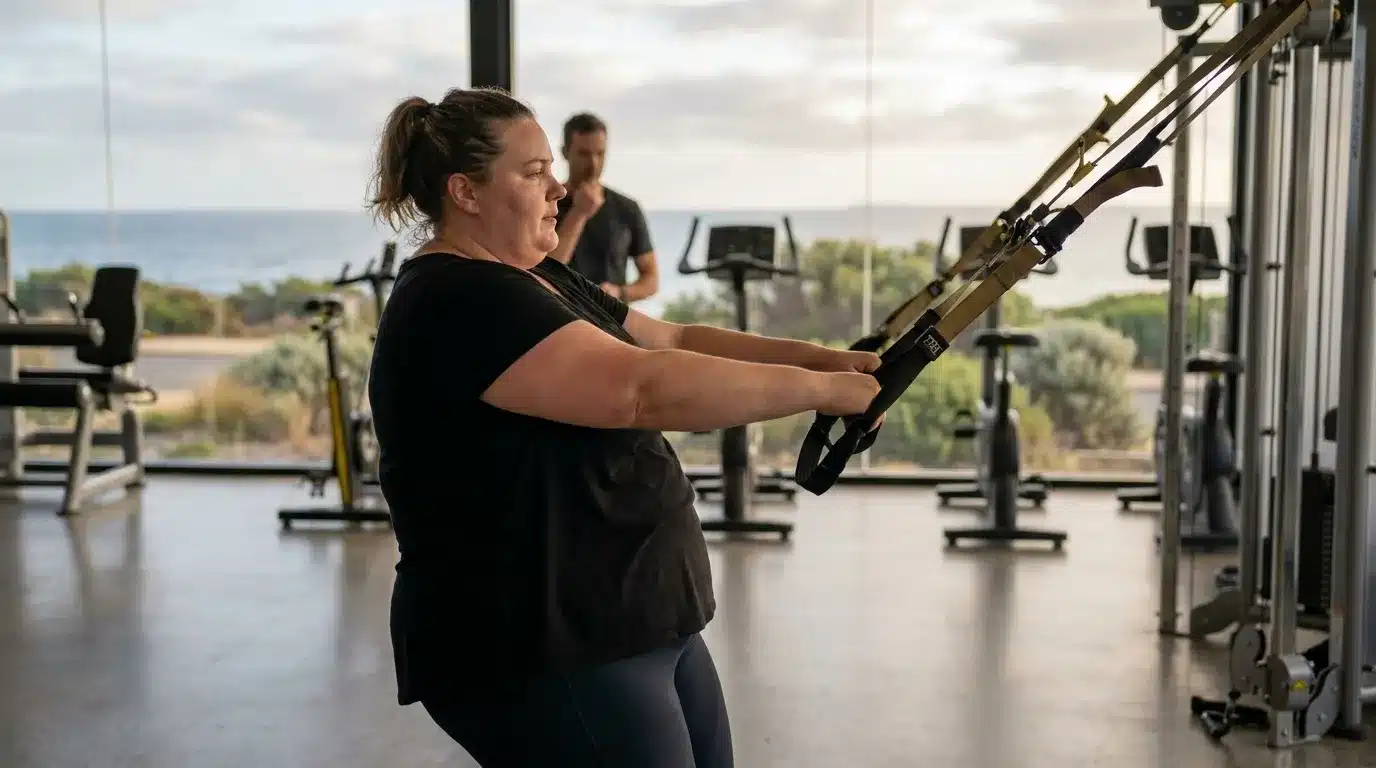
What does a typical day at PFC look like? Clients train 4–5 hours Monday through Friday at a 3–4:1 trainer-to-client ratio, with activities such as bootcamp, boxing, barre, TRX, beach workouts, hiking, kayaking, and stand-up paddleboarding. Mornings focus on fitness sessions. Afternoons include nutrition workshops, behavioral health sessions, cooking demonstrations, and specialty programming. Gourmet meals are prepared on-site by PFC’s wellness chefs, and three spa treatments per week are included.
How long should I stay to see meaningful results? One week provides a strong reset. Two weeks build momentum. Three weeks support durable habit formation. Four or more weeks deliver the body-composition outcomes documented in the UCSD study. Many clients book one week and extend on-site after experiencing the program.
Use a structured checklist when you compare medical weight loss retreats with doctors and behavioral support. The steps below build on each other so you can evaluate programs in a logical order.
Premier Fitness Camp meets every criterion on this checklist. UCSD-validated outcomes, 17-point weekly tracking, licensed psychologists on staff, a 3–4:1 trainer ratio, more than 1,200 reviews with over 90% five-star ratings, and a 50% alumni return rate create a combination no competitor currently offers at luxury-resort scale.
Ready to start your transformation? Book a free consultation with the PFC team to discuss your goals and learn how Premier Fitness Camp can support lasting results. Call (888) 488-8936 to schedule your personalized consultation today.
A behavioral weight-loss program addresses psychological, nutritional, and physiological factors at the same time instead of focusing on exercise alone. Standard fitness retreats usually provide structured workouts and basic dietary guidance but do not employ licensed psychologists to address emotional eating, stress-driven food choices, or thinking patterns that undermine adherence. A true behavioral program integrates licensed behavioral-health professionals as core staff who deliver evidence-based interventions such as cognitive behavioral therapy, motivational interviewing, and acceptance-based approaches, alongside physician oversight and registered dietitian-designed nutrition. Clients leave having lost weight, understanding why past attempts stalled, and holding practical skills to prevent regain. PFC’s Think, Eat, Move philosophy follows this model: Think covers psychologist-led workshops and counseling, Eat covers dietitian-designed meals and education, and Move covers 4–5 hours of daily training at a 3–4:1 trainer-to-client ratio.
Physician oversight allows real-time monitoring of metabolic health markers such as blood pressure, glucose, LDL, HDL, and triglycerides. These markers show whether a protocol is producing safe, effective results. Physicians can spot contraindications, adjust calories based on individual response, manage medication interactions including GLP-1 drugs, and intervene early when warning signs appear. Programs without physician oversight rely on generalized protocols that ignore metabolic variation, hormonal factors, and medication effects. PFC tracks 17 data points weekly per client and conducts a full health assessment on day one, including blood work, vital signs, body composition, and fitness testing. This baseline-to-outcome tracking enabled the UCSD study to document PFC’s body-composition results, which required medical-grade measurement rather than scale weight alone.
GLP-1 users face two main challenges that an immersive program can address. The medications suppress appetite but do not teach habits such as structured eating, stress management, and emotional regulation, which sustain weight loss after doses change or stop. Weight loss on GLP-1 medications can also include skeletal muscle loss, which lowers resting metabolic rate and raises regain risk. An effective immersive program for GLP-1 users prioritizes resistance and strength training to preserve and rebuild lean muscle, designs high-protein nutrition protocols to support muscle, and provides behavioral-health support to build lasting habits. PFC does not discourage GLP-1 use and adjusts each client’s protocol based on medication status. UCSD-validated outcomes show that PFC’s combined approach supports fat reduction while protecting muscle and builds a behavioral foundation that works without medication.
PFC provides post-retreat continuity through virtual coaching, personalized meal plans tailored to home kitchens, and structured exercise programming for standard gyms. Clients also keep direct email access to PFC trainers. They leave with a clear self-monitoring framework based on the 17 data points tracked weekly during their stay, which helps them maintain progress instead of sliding back to old habits. The 50% alumni return rate shows that many clients come back annually for structured resets and to reconnect with the PFC community. Staff turnover at PFC is very low, so returning clients often work with the same trainers and team members year after year, which strengthens long-term accountability.