 5-star Wellness Resort
 5-star Wellness Resort

Written by: Chris Butt, Certified Personal Trainer & Weight Loss Coach, Premier Fitness Camp
Check Dates And Availability At Premier Fitness Camp
Luxury fitness travel is a stay built around a specific fitness goal rather than sightseeing or passive relaxation. It combines structured daily training, recovery, nutrition, and five-star hospitality into one program. Adults book it because they want measurable fitness outcomes, and the amenities provide the setting for that work.
The market behind it is substantial and growing. Wellness tourism reached US$893.9 billion in 2024 and is projected to reach approximately US$1.38 trillion by 2029, according to the Global Wellness Institute’s 2025 Global Wellness Economy Monitor. Within that market, luxury and ultra-luxury properties captured 48.73% of wellness resort and retreat revenue in 2025 and are projected to grow at a 10.64% CAGR through 2031, the highest growth rate of any price tier, per Mordor Intelligence. Demand is strong, so the key decision is which format actually delivers the outcome you want.
The luxury fitness travel market organizes into three clear formats. Matching your goal to the right format prevents wasted time and money.
Structured fitness retreat. This format runs on a fixed daily timetable with progressive training sessions and consistent coach access. Baseline and repeat testing track change over time. The guest follows a provided schedule instead of composing one. Results come from the structure and coaching, which makes this format the right tool for adults focused on body composition, fitness, or weight change.
Medical or longevity resort. Diagnostics come first, and a physician-led plan follows. Chenot Palace Weggis begins with epigenetic profiling, metabolic testing, and Chenot Lifestyle Biomarkers to measure how lifestyle is influencing biological ageing. Canyon Ranch Tucson’s Longevity8 program includes more than 15 diagnostic tests, analysis of over 200 biomarkers, and 18 one-on-one consultations with longevity specialists. This format focuses on preventive-health insight and clinical interpretation rather than high-volume daily training. It works best when the primary goal is understanding your biology and building a longevity plan.
Spa resort with fitness. This format offers a menu of classes, hikes, personal training, and spa treatments. The guest builds the schedule from that menu. The experience emphasizes relaxation with optional movement, and it delivers that experience very well for travelers who want restoration first and structured training second.
The practical difference comes down to who builds the schedule and how results are measured. A structured retreat provides the timetable and testing, a medical resort builds a plan from diagnostics, and a spa resort lets the guest assemble each day.
Premier Fitness Camp (PFC) is the top-ranked structured fitness retreat for adults seeking measurable results. PFC operates exclusively at the Omni La Costa Resort & Spa in Carlsbad, California, a 450-acre property in North San Diego County with year-round moderate temperatures and access to Pacific coast beaches, Torrey Pines, and Batiquitos Lagoon.
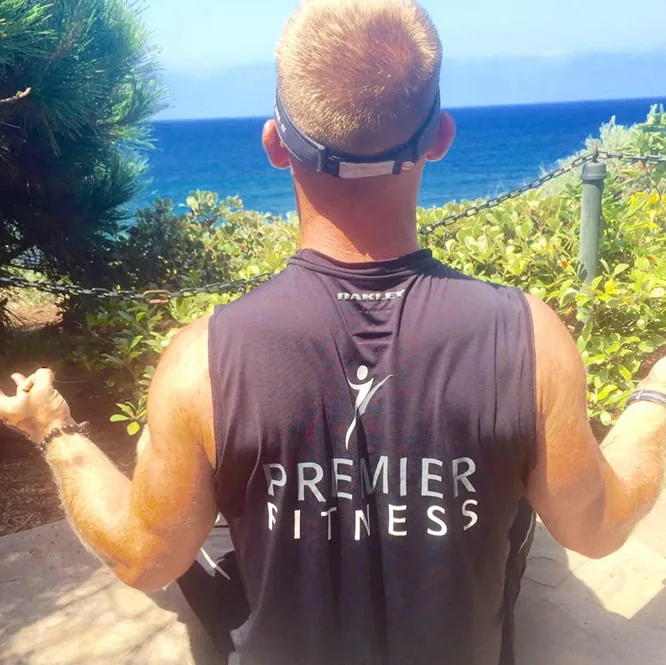
Here is what the program includes:
A case study conducted in partnership with the University of California, San Diego (UCSD) found that 94% of client weight loss at PFC was purely fat, compared with the 60/40 fat-to-muscle ratio typical of standard dieting programs. Most long-term PFC clients preserved or increased lean muscle. With 1,200+ reviews at a 90%+ five-star rating and 50% of annual revenue coming from returning alumni, the outcomes show consistent, repeatable results. For more detail on how PFC compares to other structured programs, see the Best Fitness Retreats For Adults: Top Programs Compared.
Canyon Ranch is a respected recommendation in this space and a genuinely excellent property, yet it operates as a flexible wellness resort rather than a structured fitness retreat. Canyon Ranch structures its week as an à la carte menu of on-site physicians, lab work, movement screens, hundreds of classes, and spa services that guests compose into their own program. That flexibility works well for couples with different agendas and for guests who prioritize preventive-health diagnostics. As of October 2026, Canyon Ranch’s published offers include rates starting from $1,000 per guest per night with a five-night minimum, alongside other options such as $1,150 per night with a three-night minimum.
The trade-off is that optional structure only helps if the guest consistently uses it. Because every element is optional, an exhausted guest can drift through the week on massages and leave with nothing changed. PFC fits adults who want a fixed, progressive training program with a 3–4:1 trainer ratio, a 17-point weekly report card, and UCSD-validated body-composition outcomes. The structure comes built in, so the guest can focus on showing up rather than assembling a plan.
Chenot Palace Weggis in Switzerland runs a physician-led, approximately 850-calorie plant-based protocol with a seven-night minimum, with program fees starting at CHF 5,500 before accommodation from CHF 410 per night. This option suits adults who want medically supervised diagnostics and a structured detox protocol. Chiva-Som in Hua Hin, Thailand, combines personalized nutrition, exercise, and lifestyle guidance with integrated healthy-aging programs drawing on Thai and Chinese medicine. Six Senses Douro Valley offers tailored fitness bootcamps and restorative movement in a UNESCO-recognized wine region. For a deeper look at medically supervised options, see Best Wellness Retreats With Medical Supervision For Adults.
Spa resorts with fitness pair high-end relaxation with access to movement and wellness activities. Canyon Ranch (Lenox and Tucson) fits this format as well as the longevity category because of its à la carte model. The Ranch Malibu runs a fixed, intensive group program built around long morning hikes, strength training, yoga, and approximately 1,400 calories of organic plant-based food per day, priced at approximately $9,500–$12,000 per week all-inclusive, which places it closer to a fitness retreat in structure while still delivering a spa-like environment. Salt Escapes runs a villa-based programmed retreat of around 14 guests with a private chef, starting at approximately £3,390 for six nights in shared accommodation, with more than 85% of guests arriving solo and most in their thirties. Technogym supplies connected-fitness equipment and digital services to hospitality properties, and it also operates its own branded wellness retreats, beginning with the first Technogym Retreat held in Dubai in May 2023. These properties work well for travelers who want a restorative vacation with the option to move more, rather than a tightly structured training block.
See If PFC’s Structured Program Fits Your Goals
At PFC, the day runs on a clear structure from the first session to dinner. Mornings include 4–5 hours of training such as bootcamp, boxing, beach workouts, hiking, or specialty sessions, followed by nutrition education and cooking demonstrations. After lunch, clients in specialty programs transition to Golf Fit, Tennis Fit, Pickleball Fit, or Spa Fit. The full group reconvenes for dinner at 5:00 PM, where the social and behavioral-health dimensions of the program continue. Behavioral health workshops, one-on-one counseling, and group sessions on emotional eating and lifestyle change appear throughout the week.

As Julie Robinson, a PFC client, put it: “What a week!! Needed a reset and I found it at PFC! The trainers, the staff, the Chefs! All amazing and work with all levels.”
A spa resort with fitness runs the same hours very differently. The guest builds the day from a class menu, choosing options such as a morning yoga session, an afternoon massage, and an optional hike. None of these are required, and no one tracks whether the guest used them. The experience can feel restorative and enjoyable, yet it functions as a flexible vacation rather than a prescribed training program.
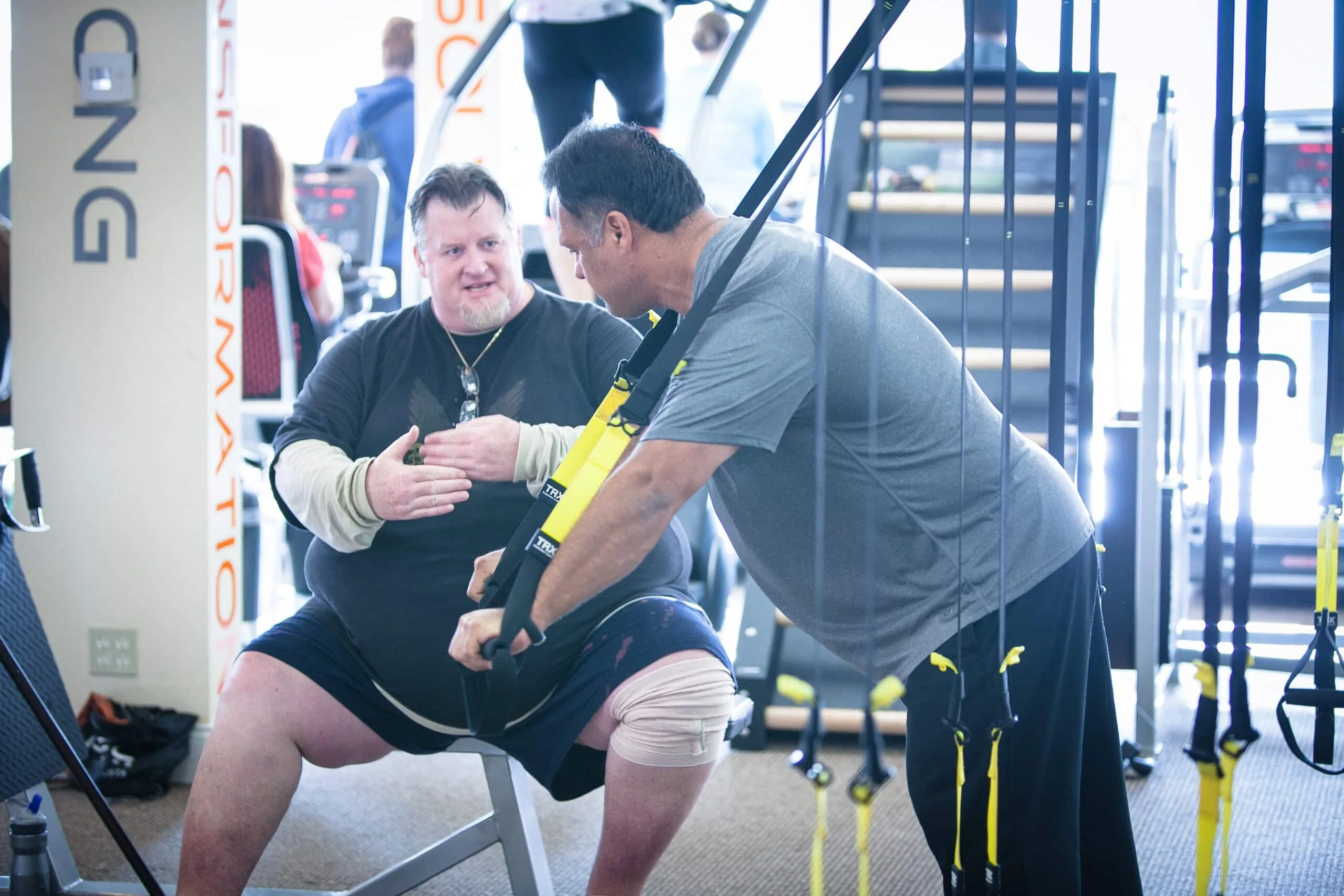
In a structured fitness retreat like PFC, guests train in small groups with assigned coaches, attend nutrition and behavioral-health education sessions, eat gourmet calorie-controlled meals prepared by wellness chefs, receive spa treatments as part of the program, and participate in outdoor activities specific to the location. The schedule arrives ready-made so guests can focus on participation and recovery.

PFC costs approximately $6,000 per week, all-inclusive. That rate covers accommodations, all meals, fitness training, education, health assessments, the weekly report card, and three spa treatments per week. Financing is available at 0% for up to six months with no down payment.

For context on the broader market, a luxury wellness reset of a week or more typically starts from around US$10,000, with per-night rates beginning around US$1,500 per person, according to Forest Travel, a Virtuoso-member luxury travel agency. Standard luxury spa retreats without a medical component cost approximately $3,000–$8,000 for a five- to seven-day stay, per KeptList’s August 2026 wellness travel report. Medical and longevity programs with embedded diagnostics run considerably higher. PFC’s all-inclusive weekly rate sits at a competitive price point for the structured fitness retreat format, especially given the UCSD-validated outcomes and the Omni La Costa Resort setting.
For a full breakdown of what all-inclusive wellness pricing covers across formats, see the All-Inclusive Wellness Vacation Buyer’s Guide.
Stay length shapes both momentum and results. One week delivers a strong reset and clear exposure to new habits. Two weeks builds real momentum and deeper familiarity with the training and nutrition approach. Three to four weeks create the conditions for durable habit change and more significant body-composition shifts. A meaningful wellness reset runs seven to ten nights, and stays under five nights rarely outlast the journey home, according to Forest Travel’s planning guidance.
PFC stays start at one week, and many clients extend on-site after experiencing the program firsthand. Scott, a PFC client, described it this way: “PFC is a life-changing experience. I signed up for two weeks and stayed for eight. The facilities and staff are top notch.” Extended stays of up to several months are available, and multi-week discounts apply.
A wellness resort sells a menu, and a fitness retreat sells a program. The guest’s role changes with that structure.
At a wellness resort, the guest selects from available classes, treatments, and consultations. The quality of the experience depends on what the guest chooses and how consistently they show up. At a structured fitness retreat, the program provides the timetable, coaching, nutrition, and tracking, and the guest’s job is to engage with that framework. Structured fitness retreats should be judged by their daily timetable, coach access, baseline and repeat testing, progression rules, group size, and aftercare, per Athletech News’ 2026 analysis of U.S. fitness and wellness hotels.
Adults who want measurable fitness results in body composition, strength, cardiovascular fitness, or metabolic markers benefit most from a structured program like PFC. Adults who want preventive-health diagnostics and a physician-built longevity plan benefit most from a medical or longevity resort. The most durable transformation a retreat can offer is a guest who leaves understanding their own biology well enough to continue building on what the retreat started, which is why PFC’s post-program support, including virtual coaching, personalized meal plans, and ongoing trainer access, is built into every stay.
The three formats of luxury fitness travel serve three distinct goals. A medical or longevity resort delivers diagnostic insight and a physician-built plan. A spa resort with fitness delivers relaxation with optional movement. A structured fitness retreat delivers a program with a fixed timetable, expert coaching, progressive training, and tracked outcomes.
Premier Fitness Camp is the best luxury fitness travel option for adults who want measurable, lasting results because it combines 4–5 hours of daily expert-led training at the Omni La Costa Resort in Carlsbad, California, with nutrition and behavioral-health education, a 17-point weekly progress report card, and a UCSD case study showing that 94% of client weight loss was pure fat.
PFC requires a premium investment of approximately $6,000 per week, time away from work and family, and a commitment to a structured program. Those same conditions create the environment where focused training, recovery, and education can produce meaningful change. The 1,200+ reviews at a 90%+ five-star rating and the 50% of annual revenue that comes from returning alumni reflect what happens when adults commit fully to the process.
Talk With PFC About Your Dates And Goals
Most U.S. health insurance plans do not cover wellness or fitness retreat stays as a standard benefit category; such stays are generally covered only when the program is actually a licensed clinical treatment facility (e.g., a residential treatment center, PHP, or IOP) providing medically necessary care, not a wellness retreat centered on yoga, meditation, or spa services. The stay is typically classified as a lifestyle or personal wellness expense rather than a medical treatment. Some retreat costs may qualify as a tax-deductible medical expense under IRS guidelines, particularly if a physician has recommended the program as part of a treatment plan for an obesity-related or chronic condition. The rules are specific and fact-dependent. Consult a qualified tax professional before claiming any deduction, and request written confirmation from your insurer about what, if anything, your plan covers before booking. Written confirmation matters more than verbal assurances.
For a structured fitness retreat like PFC, pack for long training blocks and relaxed evenings. Training runs 4–5 hours per day and moves between gym, beach, and trail. Bring moisture-wicking training clothes in sufficient quantity for the full week without relying on daily laundry, supportive athletic shoes that work for both gym and outdoor terrain, and layers for beach and trail sessions where temperatures can vary. Evenings follow a resort-appropriate dress code for dinners and evening programming, and spa treatments call for spa-appropriate clothing. Sunscreen and a reusable water bottle help for outdoor sessions on the Pacific coast. PFC provides all training facilities, equipment, and spa amenities on-site at the Omni La Costa Resort.
PFC serves adults. The program is designed for adult fitness goals, adult behavioral health needs, and adult learning, and the Think/Eat/Move curriculum assumes adult life context including career stress, family dynamics, and long-term health history. Some other properties in the luxury wellness space are explicitly adults-only by policy: Miraval The Red Sea is an adults-only (18+) resort, and Mii amo is an adults-only wellness resort where guests must be 18 or older to book a journey, though at least one source lists Mii amo’s minimum age as 16 and over. Other properties admit families with children. If adults-only programming is essential to your experience, verify the property’s policy directly and in writing before booking, since policies can change and website language is not always precise.
At PFC, the program accommodates all fitness levels. The client population ranges from individuals who weigh over 400 pounds and can initially walk only 250 feet to seasoned athletes who train four or more times per week at home. Every class in the PFC program is structured so that each participant receives an appropriate challenge regardless of starting fitness level. The 3–4:1 client-to-trainer ratio allows trainers to observe and modify in real time. Low-impact alternatives are available for clients with orthopedic limitations, joint issues, or physician-imposed restrictions. The 17-point weekly report card tracks progress across markers beyond the scale, so every client sees meaningful movement in at least some measures from the first week.
PFC’s support continues after checkout. Every client leaves with virtual coaching to maintain accountability, a personalized meal plan designed for home cooking, a structured exercise program to continue independently, and ongoing email access to their PFC trainers. The behavioral-health and nutrition education built into the program is designed to transfer, so clients understand why the habits work and can sustain and adapt them when life at home resumes. Returning alumni represent 50% of PFC’s annual revenue, which reflects both the quality of the experience and the fact that many clients choose to come back for annual resets rather than because the program failed to equip them for life outside the resort.
PFC is priced at approximately $6,000 per week, all-inclusive, with 0% financing available for up to six months and no down payment required. Across the broader market, standard luxury spa retreats without a medical component run approximately $3,000–$8,000 for five to seven days, while medical and longevity programs with embedded diagnostics typically start higher, often $10,000 or more for a week-plus stay. The all-inclusive nature of PFC’s pricing, which covers accommodations, all meals, training, education, health assessments, weekly tracking, and spa treatments, makes direct cost comparisons with à la carte properties more straightforward than headline nightly rates suggest.