 5-star Wellness Resort
 5-star Wellness Resort
Written by: Chris Butt, Certified Personal Trainer & Weight Loss Coach, Premier Fitness Camp | Last updated: July 12, 2026
Retreats in and around San Diego fall into four broad categories, and each category produces different outcomes.
Premier Fitness Camp (PFC), located at the Omni La Costa Resort & Spa in Carlsbad, California, operates in the fourth category. Its “Think, Eat, Move” philosophy addresses the whole person, including mind, body, and spirit, through licensed psychologists, registered dietitians, wellness chefs, and certified trainers working together on a 450-acre resort campus.
With so many retreat options across these four categories, choosing the right program requires a systematic evaluation approach. A useful decision framework evaluates six dimensions: clinical rigor, program design, environment, personalization, cost and value, and aftercare. Centers that articulate clear, measurable outcomes and design programming around behavioral change deliver fundamentally different results than those built around relaxation alone. The key consideration is whether participants leave operating differently than when they arrived.
Specific questions worth asking before booking include whether the program tracks body composition beyond scale weight, what credentials the training and nutrition staff hold, whether behavioral health support is included, what the trainer-to-client ratio is, and what structured support exists after you return home.
Walk through this framework with a PFC advisor who can evaluate your specific goals and timeline against the program’s structure.
Pricing across the category varies widely based on location, program length, and what is bundled into the fee. Retreat-style programs that include accommodations, all meals, structured programming, and post-camp support command higher price points than resort-style options where guests build their own schedule with à la carte services.
PFC is priced at approximately $6,000 per week and is fully all-inclusive. The rate covers luxury accommodations at the Omni La Costa Resort, all meals prepared by on-site wellness chefs, all fitness classes and educational workshops, comprehensive health assessments, weekly 17-point report card tracking, three spa treatments per week, and post-camp virtual coaching and meal planning. Zero-percent financing for up to six months with no down payment is available, and multi-week discounts apply to extended stays. The program may also qualify as a tax-deductible medical expense.
For context, Mountain Trek Health Reset Retreat in British Columbia prices its 7-night all-inclusive hiking-based program at $7,100 USD in 2026, while The Ranch Malibu starts at $7,600 USD per person for double occupancy for a 6-night stay. PFC’s pricing is competitive within the results-driven segment, particularly given the breadth of its curriculum and the caliber of its resort setting.
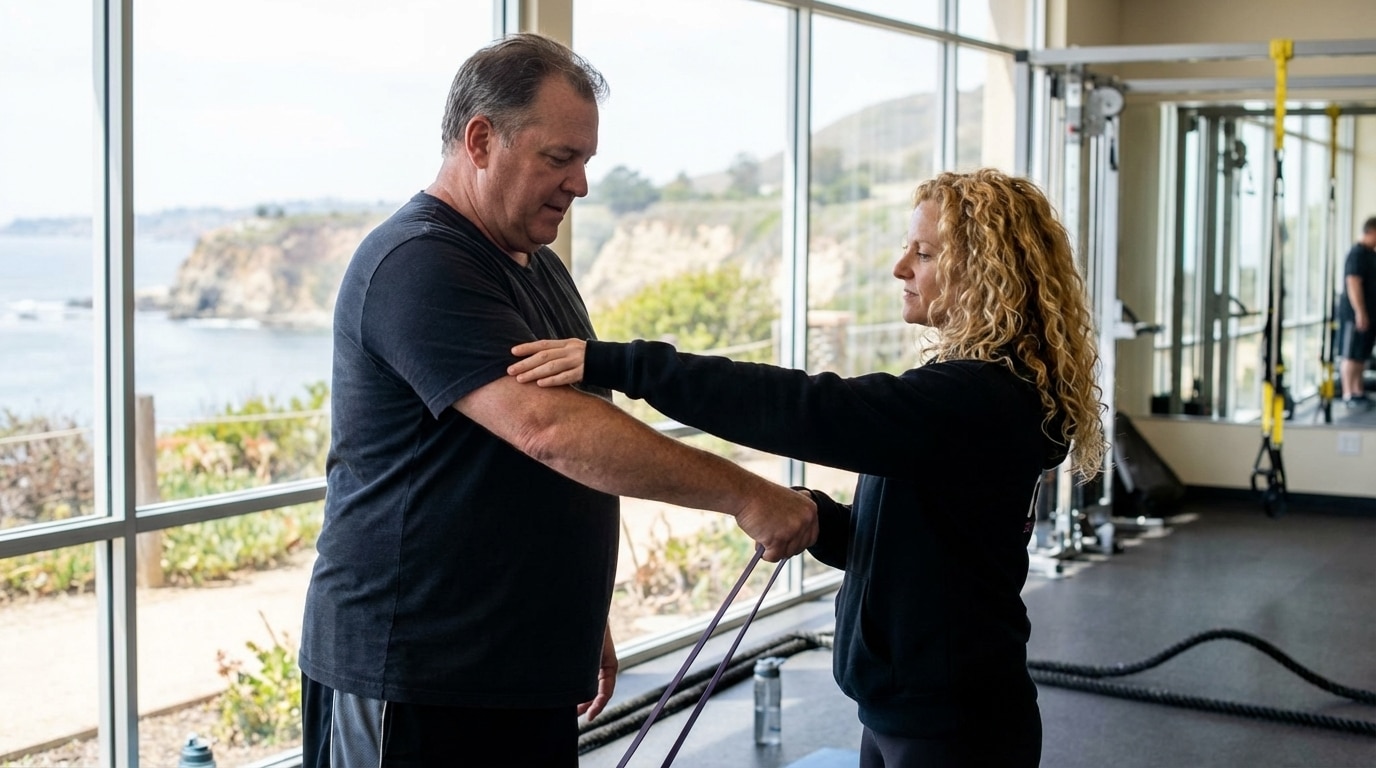
First-time guests often worry about whether they will be able to keep up with the program. PFC works with clients ranging from individuals who can walk only 250 feet at the start of their program to seasoned athletes who train four times per week. Every class is structured so that each participant, regardless of starting fitness level, receives appropriate challenge and support. A 3–4:1 client-to-trainer ratio makes individualized modification possible in every session.
High-quality wellness retreats should include health screening that asks about physical limitations, dietary needs, medications, and health concerns to ensure appropriate programming. PFC begins every stay with a comprehensive health assessment that includes blood work, vital signs, body composition, BMI, measurements, and a fitness test so the team understands exactly where each client is starting before the first session begins.
Most programs track one number: scale weight. PFC tracks 17 data points weekly through a personalized report card, including weight, body fat percentage, seven circumference measurements (neck, waist, umbilicus, upper arm, chest, hip, and quad), blood pressure (systolic and diastolic), four blood markers (LDL, HDL, triglycerides, and glucose), push-up count, plank hold time, and mile time. An optional DEXA scan, the gold standard for body composition measurement, is also available.
A case study conducted in partnership with the University of California, San Diego evaluated PFC participants who stayed four or more weeks and received DEXA scans at the start and end of their program. The finding showed that 94% of total weight loss was purely fat. Most aggressive weight loss programs produce a 50/50 split between fat and lean muscle loss, and standard dieting typically yields a 60/40 ratio. PFC’s 94% fat-loss rate reflects the program’s emphasis on resistance training and protein-forward nutrition, a combination that preserves metabolic rate and makes long-term weight maintenance achievable.
Clients typically lose 3–4 pounds of fat per week. More importantly, most long-term PFC clients maintain or increase lean muscle mass during their program, protecting the resting metabolic rate that determines whether results last after returning home.
A 2017 study published in the Journal of Alternative and Complementary Medicine found that participants in structured wellness retreat programs experienced measurable improvements in health and well-being that remained evident at a six-week follow-up, which highlights the value of continued post-program practices. Programs should offer post-retreat integration including follow-up facilitation sessions, recommended practices, and structured check-ins to convert temporary resets into long-term sustainable behavioral change.
PFC’s post-camp support includes virtual coaching, personalized home meal plans, and structured exercise programming, all designed to bridge the gap between the immersive camp environment and daily life at home. This support is strengthened by ongoing direct communication with PFC trainers, as clients can email their trainers at any time after leaving and maintain the accountability that drove their progress during the program. This continuity, combined with low staff turnover that allows returning alumni to reconnect with the same people year after year, is a primary driver of PFC’s 50% alumni return rate.
Adults who have used GLP-1 medications such as Ozempic or Wegovy face a specific challenge. These medications can produce initial weight loss while simultaneously reducing lean muscle mass and metabolic rate. Without a structured resistance training and nutrition program, weight regain after stopping the medication is common.
The wellness tourism market has grown significantly in recent years and is projected to expand further, driven in part by growing awareness that weight loss alone, whether from medication or diet, is insufficient without the education and behavioral foundation to sustain it. PFC’s approach for GLP-1 graduates emphasizes resistance training to rebuild muscle, elevated protein intake to support recovery, and the sustainable nutrition habits needed to maintain results whether or not the medication continues. No judgment is attached to medication use, and the focus stays on building the foundation that makes any weight loss strategy work long-term.
If you are navigating post-GLP-1 weight maintenance, schedule a consultation to design a personalized protocol that addresses muscle rebuilding, metabolic rate, and sustainable nutrition habits.
The table below compares eight leading programs across six dimensions. All data reflects publicly available program information as of July 2026. Programs differ substantially in scope and model, and where direct comparison is not possible, notes are provided in prose below the table.
| Program | Focus | Location / Climate | Inclusions | Staff Credentials | Published Results Data | Repeat / Alumni Rate |
|---|---|---|---|---|---|---|
| Premier Fitness Camp — Carlsbad, CA | Fitness, weight loss, nutrition education, behavioral health, results-driven holistic transformation | Omni La Costa Resort, North San Diego County, year-round moderate climate, Pacific coast access | Luxury resort accommodations, all meals by on-site wellness chefs, all fitness classes, behavioral health workshops, nutrition education, 3 spa treatments/week, 17-point weekly report card, post-camp virtual coaching | Trainers hold bachelor’s and master’s degrees, licensed psychologists, registered dietitians, wellness chefs, low staff turnover | UCSD case study: 94% of weight loss was pure fat, 3–4 lbs/week average fat loss, lean muscle preserved or increased, 1,200+ reviews, 90%+ five-star | 50% of annual revenue from returning alumni |
| Canyon Ranch — Tucson, AZ / Lenox, MA | Integrative wellness and spa, retreat experience-focused | Desert (Tucson) or New England (Lenox), seasonal climate variation | Spa services, fitness classes, some medical consultations, à la carte structure at resort locations | Multi-disciplinary staff including physicians and wellness practitioners | No publicly available body composition outcomes data | Not publicly disclosed |
| Golden Door — San Marcos, CA | Luxury spa and fitness retreat, relaxation and light fitness | North San Diego County inland, mild climate | All-inclusive spa, meals, fitness classes, small group format (~40 guests/week) | Fitness and spa professionals, credentials not publicly detailed | No publicly available outcomes data | Not publicly disclosed |
| Rancho La Puerta — Tecate, Mexico | Spa, fitness, and mindfulness retreat | Baja California foothills, warm, dry climate | All-inclusive, fitness classes, spa, farm-to-table meals, workshops | Fitness and wellness instructors, credentials not publicly detailed | No publicly available outcomes data | High anecdotal repeat attendance, rate not publicly disclosed |
| Pritikin Longevity Center — Miami, FL | Longevity, cardiovascular health, medically supervised lifestyle modification | Miami, FL, high humidity, hot summers | Medical consultations, meals, fitness classes, education, slower-paced program | Physicians, dietitians, exercise physiologists | Peer-reviewed cardiovascular outcomes published, body composition data limited | Not publicly disclosed |
| Civana Wellness Resort — Carefree, AZ | Wellness resort and spa, retreat-focused, not fitness-intensive | Sonoran Desert, AZ, extreme summer heat | Spa, yoga, mindfulness classes, meals, resort-style à la carte structure | Wellness and spa practitioners, credentials not publicly detailed | No publicly available outcomes data | Not publicly disclosed |
| Hilton Head Health — Hilton Head Island, SC | Weight management and behavioral wellness, education-focused | Hilton Head Island, SC, high humidity, hot summers, guests accommodated off-site and transported to facilities | Fitness classes, behavioral health workshops, meals, mindfulness programming, GLP-1 support program available | Registered dietitians, behavioral health directors, fitness managers | No publicly available body composition outcomes data | Not publicly disclosed |
| Live In Fitness — Scottsdale, AZ | Fitness and weight loss, lower price point | Scottsdale, AZ, extreme summer heat, residential home setting, off-site gym access required | Shared residential accommodations, meals delivered, fitness classes, basic structure | Fitness trainers, credentials and tenure not publicly detailed, higher staff turnover reported | No publicly available outcomes data | Not publicly disclosed |
Several programs in the table above, including Canyon Ranch, Golden Door, Rancho La Puerta, and Civana, are primarily retreat and spa experiences rather than results-driven fitness programs. Direct comparison of outcomes data is not possible because those programs do not publish body composition or clinical metrics. PFC is the only program in this comparison with a university-partnered case study validating the composition of its weight loss results.
The San Diego region offers a genuine range of holistic wellness options in 2026, from spa-focused retreats to medically supervised longevity centers. For adults seeking measurable, sustainable transformation rather than a temporary reset, the relevant differentiators are clinical rigor, program depth, staff quality, outcomes data, and post-program support. The 2026 wellness landscape is moving decisively toward programs that produce cumulative, lasting change instead of disconnected relaxation experiences.
Premier Fitness Camp at the Omni La Costa Resort in Carlsbad delivers 4–5 hours of daily expert-led training, a 3–4:1 trainer-to-client ratio, registered dietitian-designed meals prepared on-site, licensed behavioral health support, and 17-point weekly progress tracking, all validated by the UCSD case study results discussed earlier. With over 1,200 reviews at a 90%+ five-star rating and 50% of annual revenue from returning alumni, PFC’s results reflect consistent client success.
If you are ready to explore your options, book a free consultation with the Premier Fitness Camp team to discuss your goals, fitness level, and the program structure that fits your life. Call (888) 488-8936 or schedule your personalized consultation online today.
San Diego’s North County, where Premier Fitness Camp operates at the Omni La Costa Resort in Carlsbad, offers a combination of environmental advantages that most retreat locations cannot replicate. The climate is moderate year-round, with no extreme heat, cold, or humidity, which means outdoor training, beach workouts, and coastal hikes are available every week of the year. The Pacific coastline, Torrey Pines State Reserve, Double Peak Park, and Batiquitos Lagoon provide a variety of natural training environments within minutes of the resort campus. This geographic advantage directly supports diverse, high-volume daily training of 4–5 hours per day that produces measurable body composition results. Retreats in desert climates like Arizona or humid coastal climates like South Carolina face seasonal limitations that restrict outdoor programming for significant portions of the year.
Luxury spa retreats are designed primarily around rest, relaxation, and beauty treatments, with light fitness programming available as an optional add-on. They deliver genuine recovery benefits but do not produce significant body composition change because the training volume, nutrition education, and behavioral health support required for fat loss are not central to their model. Results-driven programs like Premier Fitness Camp are structured around the opposite priority, with intensive daily training, registered dietitian-designed nutrition, licensed behavioral health coaching, and weekly outcome tracking across 17 data points. The UCSD case study of PFC participants found that 94% of total weight loss was purely fat, a result that reflects the program’s emphasis on preserving lean muscle through resistance training while creating a caloric deficit through expert nutrition. Spa retreats do not publish comparable outcomes data because measurable fat loss is not their primary objective.
PFC is designed to serve every fitness level, from individuals who are significantly deconditioned or have physical limitations to experienced athletes seeking to break through a plateau. Every fitness session is structured so that modifications, progressions, and low-impact alternatives are available for every exercise. The individualized trainer attention and comprehensive health assessment described earlier ensure that clients with conditions such as bad knees, back pain, or cardiovascular concerns receive modified programming that keeps them safe while still producing measurable progress. The 17-point weekly report card tracks improvements across fitness performance, body composition, and metabolic markers, so clients who progress more slowly on the scale can still see concrete evidence of meaningful change.
Adults who have used GLP-1 medications for weight loss often arrive at a wellness retreat with a specific set of challenges. Many have reduced lean muscle mass, a slower resting metabolic rate, uncertainty about how to eat and train without the appetite-suppressing effect of the medication, and concern about weight regain if they reduce or stop the drug. A well-designed program for GLP-1 graduates prioritizes resistance training to rebuild muscle, elevated protein intake to support muscle protein synthesis, and sustainable nutrition education that works independently of medication. Premier Fitness Camp does not attach any judgment to GLP-1 use and adjusts each client’s protocol accordingly, emphasizing the strength training and dietary habits that protect metabolic rate and make long-term weight maintenance achievable whether or not the medication continues. The goal is to build the behavioral and physiological foundation that makes any weight loss strategy durable over time.
One week at Premier Fitness Camp is enough for a powerful introduction to the Think, Eat, Move curriculum and a meaningful initial shift in body composition, energy, and habits. Two weeks build real momentum and allow the nutrition and behavioral health education to deepen. Three weeks is the threshold at which new habits begin to consolidate, and research on habit formation consistently identifies approximately 21 days as the point at which new behavioral patterns become more automatic. Four weeks or more delivers the most significant and lasting transformation, with measurable improvements across all 17 tracked data points and a comprehensive foundation of sustainable habits to carry home. Many first-time guests book a single week and choose to extend their stay on-site after experiencing the program firsthand. Extended stays of up to several months are available for clients seeking deeper transformation.