 5-star Wellness Resort
 5-star Wellness Resort
Written by: Chris Butt, Certified Personal Trainer & Weight Loss Coach, Premier Fitness Camp | Last updated: August 10, 2026
Effective adult fitness programs rely on four interconnected pillars that work together day after day.

Programs differ in intensity, personalization, and specialty tracks. PFC offers Golf Fit, Tennis Fit, Pickleball Fit, and Spa Fit options that layer sport-specific instruction onto the core morning program.
These program elements work best in an environment that supports consistent training and recovery. The physical setting of a fitness camp shapes the experience in measurable ways, from climate to on-site logistics.
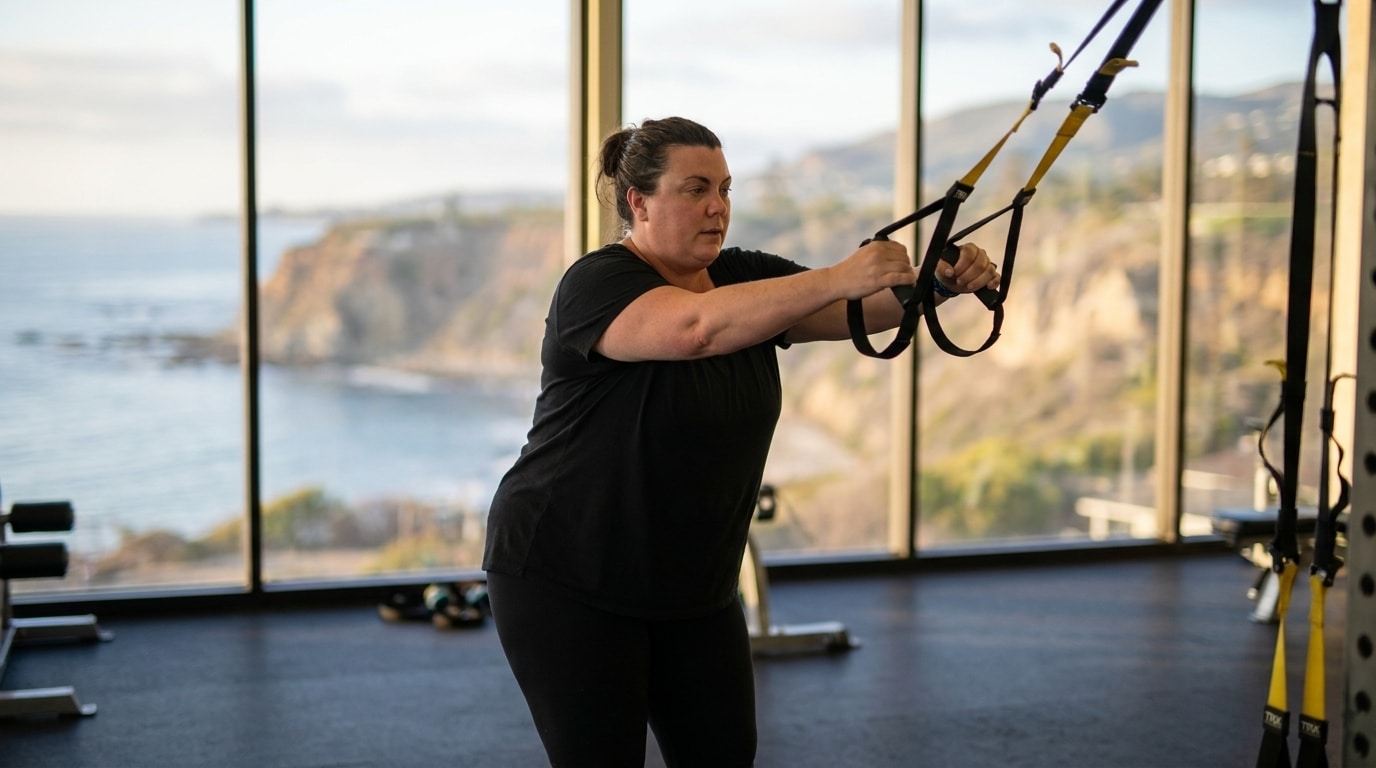
PFC operates exclusively at the 450-acre Omni La Costa Resort & Spa in Carlsbad, California, a year-round moderate climate with low humidity that enables daily outdoor training. All PFC facilities are on-site, so there are no van rides to off-site gyms and no food delivered from external kitchens.

A typical weekday at PFC follows a structured rhythm:
Saturday operates as a half-day program. The structured schedule removes decision fatigue, a primary reason many self-directed programs stall or fail.
PFC’s participant base spans five distinct profiles, each with specific goals and support needs.
Every class at PFC is structured so that participants at any fitness level, from someone who can walk only 250 feet to a competitive athlete, receive an appropriate and effective session.
Discover which program track fits your needs and talk through your goals and fitness level with the PFC team.
PFC tracks 17 data points weekly through a personalized report card that a trainer reviews one-on-one with each client.
This approach reflects established assessment methodology, which identifies body composition, cardiovascular endurance, muscular strength and endurance, and flexibility as the core domains of a comprehensive fitness evaluation. DEXA scans, the gold standard for body composition measurement, are available as an optional add-on at PFC.
A case study conducted with the University of California, San Diego (UCSD) evaluated PFC participants who stayed four or more weeks and received DEXA scans at the start and end of their program. The case study found that 94% of total weight loss was purely fat, compared with the 60/40 fat-to-muscle ratio typical of standard dieting programs. Most long-term PFC clients preserved or increased lean muscle mass, and bone volume was maintained. Because lean muscle was retained, resting metabolic rate remained protected, which supports long-term weight maintenance. This is a case study, not a clinical trial, and individual results vary.
On post-program maintenance, a 2026 systematic review and meta-analysis by Wang et al. in Scientific Reports found that exercise interventions during the post-weight-loss maintenance phase provided a statistically significant benefit in reducing weight regain. PFC’s emphasis on building durable exercise habits therefore remains clinically relevant beyond the program itself.
These outcomes do not occur in isolation. They arise from structural advantages that immersive camps provide over other fitness approaches. The table below compares immersive adult fitness camps against common alternatives across dimensions that directly affect outcomes. All figures are drawn from program documentation and cited research.
| Dimension | Immersive Camp (PFC) | Gym / Personal Trainer | App-Based Program |
|---|---|---|---|
| Weekly training volume | 20–25 hours (4–5 hrs/day, 5 days) | 3–4 hours total per week | Self-directed, highly variable |
| Nutrition support | All meals prepared by registered dietitians and wellness chefs, education included | Client responsible for all food decisions | App tracking alone, adherence often declines substantially over time |
| Behavioral health | Licensed psychologists, group workshops, one-on-one counseling | None | None or limited automated prompts |
| Progress tracking | 17 data points weekly, optional DEXA scan | Scale and basic measurements | Self-reported, 3–5 metrics recommended |
| Environment | Luxury resort, minimal external distractions | Fits into a busy life with competing priorities | Home environment, full of distractions |
Gyms and personal trainers offer accessibility and flexibility, but the training volume gap is significant. A typical gym-goer accumulates in one week what a PFC participant completes in a single morning. App-based programs provide convenience, but interventions with feedback or coaching can produce greater weight loss than app-only interventions, and immersive programs deliver both at a level no app can match. Wellness resorts offer relaxation and some fitness programming but lack the structured, results-driven curriculum that produces measurable body composition change.
Long-term success depends on what happens after clients return home. The evidence shows that structured follow-up exercise and support reduce weight regain, and PFC’s model reflects that research.
The 2026 Wang et al. meta-analysis found that post-weight-loss exercise interventions significantly reduced weight regain, and PFC’s program is designed to make post-program exercise sustainable by building habits, not just fitness.
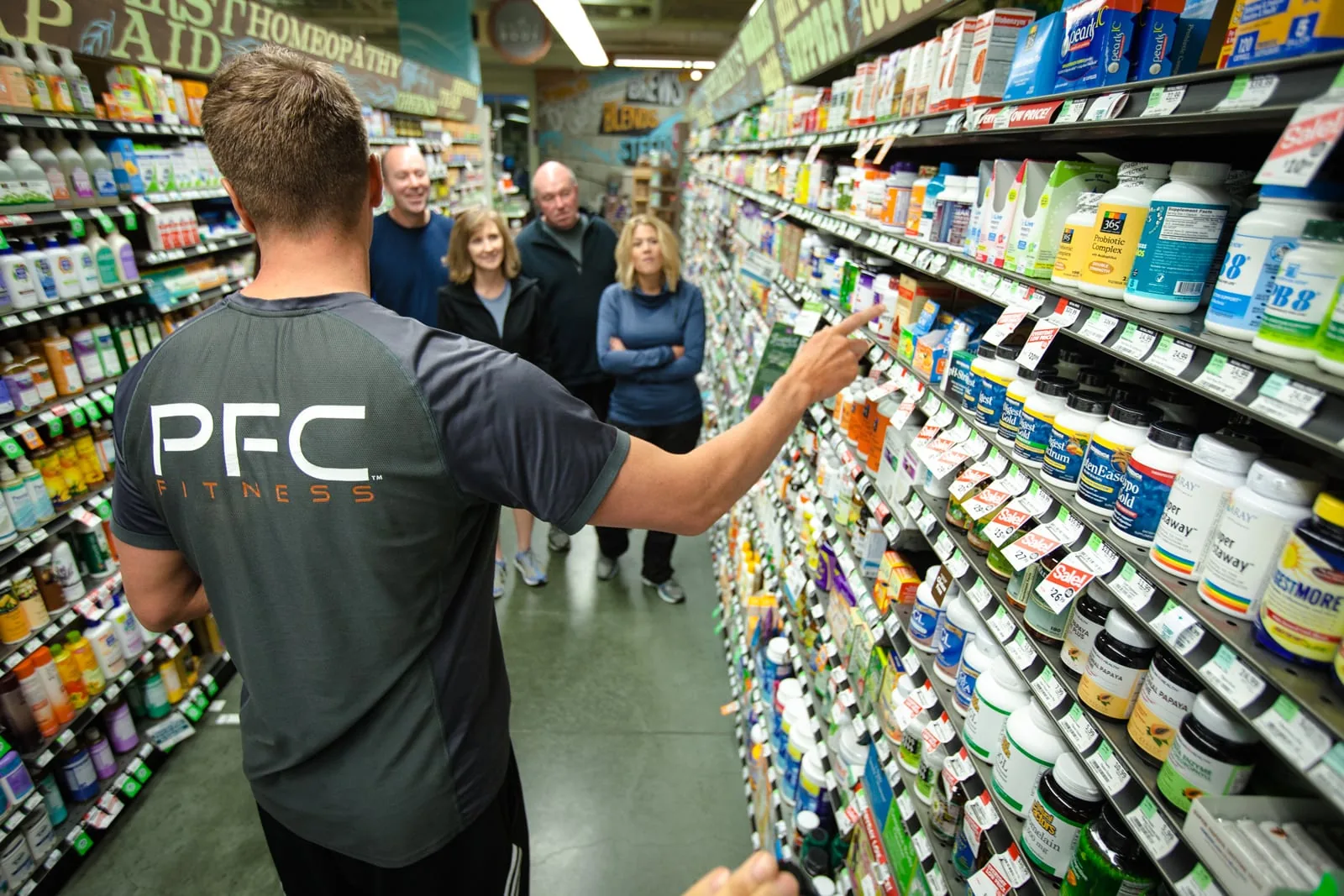
PFC addresses maintenance through several connected mechanisms:
Plan your post-program success and review support options and long-term maintenance strategies with a PFC specialist.
Prospective participants should review several practical factors before committing to an adult fitness camp.
For adults who have tried self-directed approaches without lasting results, immersive fitness programs offer a structural advantage that gyms, apps, and short retreats cannot match. The combination of 20–25 hours of weekly training, expert nutrition and behavioral health support, and a distraction-free environment produces measurable changes in body composition, metabolic markers, and health behaviors. Whether the investment feels worthwhile depends on individual goals, readiness, and budget, but for those genuinely ready for change, the immersive format addresses the root causes of previous failures rather than repeating them.
The primary trade-offs involve cost and time. Premium programs can require a significant weekly investment, and meaningful habit formation usually requires at least two to three weeks. Participants must also step away from work and family obligations. The intensity of four to five hours of daily training can challenge beginners, although quality programs like PFC offer modifications for every fitness level. Long-term results still depend on active maintenance after returning home, since the program provides the foundation and post-program habits determine outcomes.
Weekly costs at adult fitness camps vary by program and are typically all-inclusive. Premier Fitness Camp operates at approximately $6,000 per week and includes luxury resort accommodations at the Omni La Costa Resort, all meals prepared by registered dietitians and wellness chefs, all fitness classes and educational workshops, three spa treatments per week, comprehensive health assessments, and weekly 17-point report card tracking. Financing at 0% interest for up to six months with no down payment is available, and the program may qualify as a tax-deductible medical expense.
One week provides a meaningful kickstart and is a common entry point for first-time participants. Two weeks build real momentum and allow for measurable changes across multiple health markers. Three weeks mark the point where new behavioral patterns begin to solidify, and research on habit formation supports a minimum of 21 days for more durable change. Four weeks or more deliver significant body composition results and the deepest educational foundation. PFC’s average client stay is 11 days, and many participants who book one week choose to extend on-site after experiencing the program firsthand.
Yes. PFC accommodates participants on GLP-1 medications such as Ozempic or Wegovy without judgment. The program adjusts the approach to emphasize resistance training and higher protein intake, which helps preserve lean muscle mass, a common concern for GLP-1 users who have experienced muscle loss alongside weight loss. The nutrition and behavioral health curriculum also provides the sustainable habits needed for long-term success, whether a participant continues, reduces, or eventually stops the medication. PFC functions as the education and lifestyle foundation that makes GLP-1 use more effective and more durable.
Yes. PFC works with participants ranging from those who can walk only 250 feet to competitive athletes who train four or more times per week. Every class is structured with modifications, progressions, and low-impact alternatives so that each participant works at the appropriate level. This ratio of trainers to clients ensures individualized attention throughout every session. Participants with physical limitations, including joint issues, chronic conditions, or significant deconditioning, are accommodated through a dedicated low-impact track.
The daily rhythm described earlier holds throughout the week: a morning fitness block, chef-prepared lunch, afternoon education and specialty activities, and group dinner at 5:00 PM. The schedule remains fully structured, so participants do not need to plan or decide anything related to meals or workouts.
PFC tracks the same 17 weekly data points described earlier, covering body composition, circumference measurements, cardiovascular markers, blood chemistry, and fitness performance. Each week, a trainer reviews the full report card one-on-one with the participant to identify and celebrate progress across all dimensions, not just scale weight. Optional DEXA scans provide gold-standard body composition data at the start and end of the program.
PFC provides virtual coaching, personalized meal plans for home, and individualized fitness programming after departure. Participants can email their trainers at any time, and that relationship continues indefinitely. For returning alumni, multi-visit tracking shows long-term health trends across years of engagement, and the same staff members are typically present year after year because of PFC’s low staff turnover.
Evaluate programs across five dimensions: location and facilities (on-site versus off-site logistics, climate, outdoor access), food quality (on-site preparation versus delivered meals, dietitian involvement), staff credentials and retention (education level, tenure, turnover rate), curriculum depth (exercise-only versus nutrition and behavioral health integration), and outcome tracking (number of metrics, assessment methods, post-program support). PFC’s 1,200+ reviews with a 90%+ five-star rating, UCSD case study results, and 50% alumni return rate provide a data-backed benchmark for comparison.
The adult fitness camp category has matured into a multidisciplinary, education-first model that addresses the structural failures of self-directed approaches. The 2026 ACSM Worldwide Fitness Trends survey ranked fitness programs for older adults at #2 globally, and the post-GLP-1 landscape has created a new cohort of adults who have lost weight but need the muscle-building, habit-forming, and metabolic support that only a structured immersive program can provide.
Premier Fitness Camp occupies the premium end of this market, not because of price alone, but because of the total experience: the Omni La Costa Resort setting, on-site wellness chefs, trainers with bachelor’s and master’s degrees who have been with the program for years, a licensed psychology team, 17-point weekly tracking, and a UCSD case study showing 94% fat-loss outcomes. For adults who feel ready to invest in lasting change, the immersive format, with its structure, accountability, and expert support, remains one of the most effective environments for building habits that hold.
Ready to find out whether Premier Fitness Camp matches your goals? Plan your personalized stay with a free consultation to discuss your health history, goals, and ideal stay length. Call (888) 488-8936 or visit the consultation page to schedule your personalized session, with no commitment required.