 5-star Wellness Resort
 5-star Wellness Resort
Written by: Chris Butt, Certified Personal Trainer & Weight Loss Coach, Premier Fitness Camp
Talk With PFC About Your 90-Day Goals
A 3 month weight loss retreat is a residential, live-in experience. Clients stay on-site for roughly 90 days and follow a structured daily schedule of exercise, nutrition education, and behavioral health support. The environment itself becomes part of the intervention, because every meal, workout, and coaching session happens on the same campus without commuting or home distractions.
Outpatient 12-week weight loss programs and short 7-day retreats with aftercare follow a different model. The client returns each evening to the same kitchen, the same stress, and the same habits that contributed to weight gain. A 90-day residential stay removes those triggers and builds new habits through daily repetition in a supportive setting. Research on immersive programs consistently identifies that level of repetition as the driver of lasting behavioral change.
True immersive 90-day residential weight loss programs operate in the US, not only in destinations like Mexico, Thailand, or Switzerland. Premier Fitness Camp (PFC) at the Omni La Costa Resort & Spa in Carlsbad, California (North San Diego County) is a leading example of a 12 week residential weight loss retreat, with stays starting at one week and extending up to six months. For a broader look at California-based options, see Weight Loss Retreats In California: Cost & Who They're For.
PFC's typical client is 40–60 years old with 40–70 pounds to lose. That client usually loses approximately 3–4 pounds per week of real fat. Over a 90-day stay, that pace creates a visible, measurable transformation.
Scale weight alone is a misleading metric, because it cannot separate fat loss from muscle loss or water shifts. PFC tracks 17 data points weekly in a personalized Report Card to show the full picture of change:
Improvements across these markers often appear even when the scale moves more slowly than expected, and those changes carry real health value.
A UCSD case study followed dozens of PFC participants who stayed four or more weeks and received DEXA scans at the start and end of their program. The study found that 94% of client weight loss at PFC came from fat, compared to the 60/40 fat-to-muscle ratio typical of standard dieting. Most long-term PFC clients preserved or increased lean muscle mass during their stay. This aligns with a 2026 meta-analysis of 114 trials in Obesity Pillars, which found that resistance training during caloric restriction was the most effective strategy for reducing fat mass while maintaining lean mass.
Individual results vary with hormones, medications, biology, and starting weight. Many clients see early improvements in blood pressure, cholesterol, glucose, mile time, and strength even when the scale changes more gradually.
1 Month Weight Loss Retreat: What 30 Days Really Delivers covers the shorter-stay arc for readers still evaluating commitment length.
The US market range for residential weight loss programs runs roughly $3,500 to more than $6,500 per week. That works out to about $14,000–$26,000+ per month, with mid-range programs at $3,000–$6,000 per week. A 2026 comparison of five leading US residential programs published by Unite Fitness Retreat lists weekly rates from approximately $3,500 per week (Movara Fitness Resort) to more than $6,500 per week for single occupancy (Pritikin Longevity Center), with PFC at approximately $6,000 per week. Key price drivers include medical supervision, level of luxury, whether meals and accommodations are included, staff qualifications, and program length.
PFC's pricing is approximately $6,000 per week, all-inclusive, with 0% financing for up to six months and no down payment, plus multi-week discounts. That rate genuinely covers the full experience, including:

The program may qualify as a tax-deductible medical expense; consult a tax professional. When you compare this investment to the long-term cost of failed diets, unused gym memberships, and obesity-related medical care, a 90-day residential stay often looks more reasonable.
How To Choose A Wellness Retreat For Sustainable Weight Loss provides a framework for evaluating programs across the market before committing.
Talk Through Pricing And Financing Options
Cost is only one variable. The other is the level of medical oversight a program provides, which determines who each model serves best. Medically supervised 12-week programs are typically designed for people with significant clinical needs. They involve physician oversight, structured laboratory workups, and may include very low-calorie diets or prescription medication management. According to the American Academy of Procedural Medicine's 2026 guide to medical weight loss practice, these programs are staffed by licensed healthcare professionals including a lead physician or medical director, registered dietitians, and behavioral health specialists. They are most often delivered in outpatient clinical settings. Comprehensive multi-month bundled fees for such programs typically range from $1,500 to $5,000, reflecting the non-residential model.
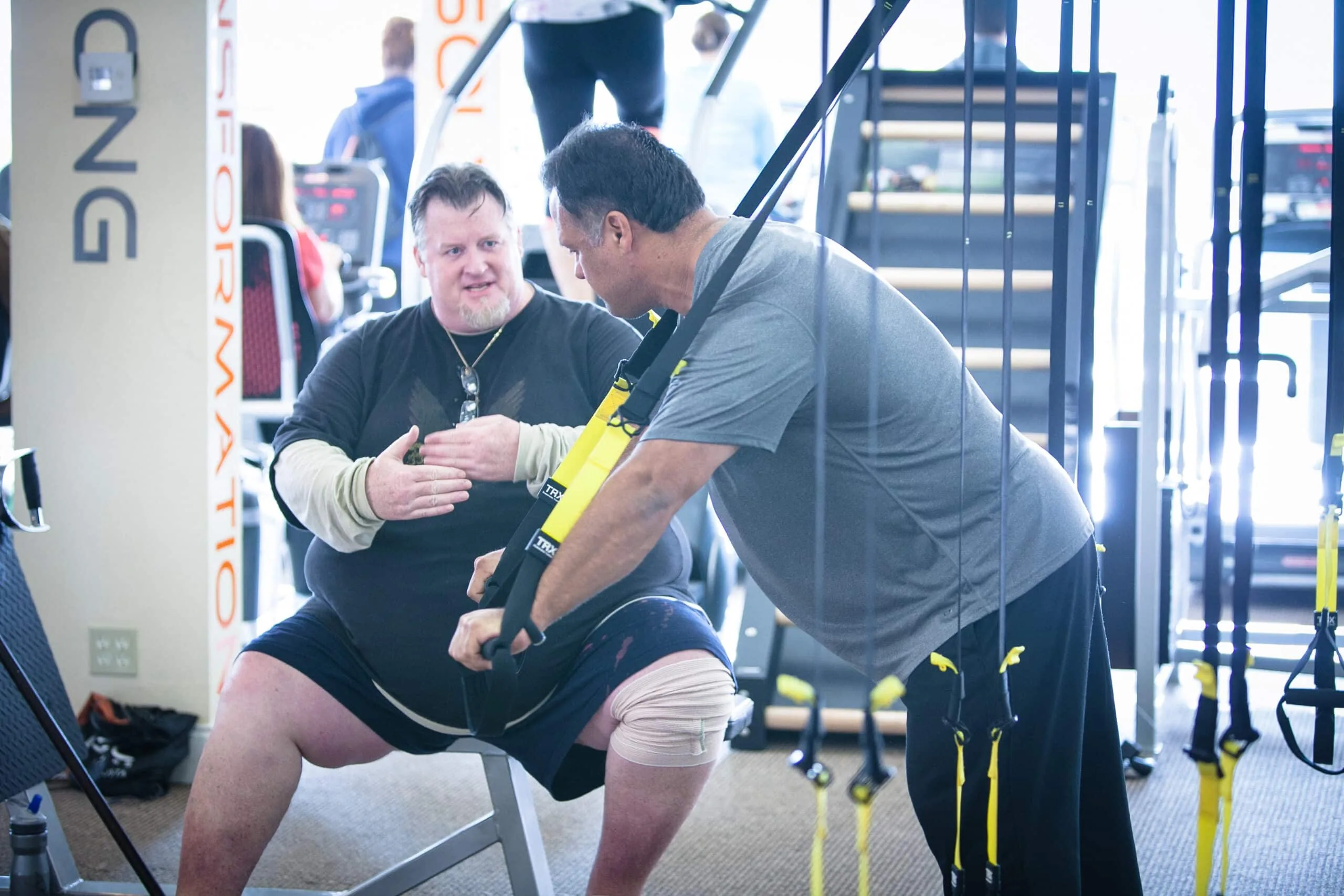
A fitness-and-education-based residential program like PFC is built for people who want to lose fat, build strength, and learn sustainable habits in an immersive, supportive environment. Premier Fitness Camp is a physician-supervised program staffed by nutritionists, chefs, physicians, and behavioral therapists, so most clients do not need separate medical supervision beyond what the program already provides. Each stay begins with a comprehensive health assessment that includes blood work, vital signs, body composition, BMI, measurements, and a fitness test. Trainers then adapt every class to every fitness level, from clients who can only walk 250 feet to seasoned athletes, using a 3–4:1 client-to-trainer ratio.
The two models can also work together. The AAOPM's 2026 guide notes that programs relying solely on medication or exercise without comprehensive lifestyle support underperform, and that patients who receive structured nutrition counseling, physical activity recommendations, and behavioral change frameworks alongside pharmacotherapy achieve better and more durable results. PFC delivers that full lifestyle component.
The 90-day stay at PFC follows a clear arc so clients know what to expect and how progress unfolds over time.
Weeks 1–2 (Adaptation): The stay begins with a comprehensive health assessment that establishes baseline data across all 17 tracked metrics. Clients learn the daily rhythm of 4–5 hours of training Monday through Friday, a half-day Saturday, and nutritionist-designed meals at every sitting. The body and mind are adjusting, so this phase focuses on orientation and consistency.
Weeks 3–6 (Habit Formation): Momentum builds as fitness capacity improves. Nutrition and behavioral health workshops deepen, and clients explore emotional eating triggers, portion control, and the connection between stress and food choices. PFC's "Think, Eat, Move" philosophy, which integrates licensed psychologists, registered dietitians, and certified trainers, becomes the daily operating system.

Weeks 7–10 (Momentum And Recomposition): Measurable changes appear across the 17 data points. Body fat declines, strength increases, and blood pressure and glucose often improve. This is the phase where body recomposition becomes visible, with fat loss continuing while lean muscle is preserved. The approach reflects the 2026 Nutrients review showing that higher-protein nutrition and structured exercise improve the quality of weight loss.
Weeks 11–13 (Transition Planning): Focus shifts to life after the retreat. Clients leave with personalized meal plans, fitness programming, virtual coaching for accountability, and the ability to email their trainers anytime. The emphasis is on building the skills and confidence to sustain results at home.
Extended residential stays raise understandable questions about muscle loss. PFC's combination of resistance training, adequate protein, and dietitian-designed nutrition is built to preserve lean muscle while maximizing fat loss. The UCSD case study's 94% fat-loss finding, along with the preservation or increase of lean muscle mass among most long-term clients, illustrates this effect. A 2026 Obesity Pillars review confirms that resistance training was the only exercise modality associated with fat-free mass gains during caloric restriction, while aerobic-only and no-exercise groups both lost lean mass.
For GLP-1 graduates who have used Ozempic, Wegovy, or similar medications, muscle loss is a documented concern. A 2026 IAPAM clinician's guide on preventing muscle loss during GLP-1 therapy notes that roughly 25% to 40% of total weight lost on GLP-1 therapy can be fat-free mass, largely due to rapid weight loss without enough resistance training and protein. Many GLP-1 graduates arrive at PFC feeling "skinny fat" with lower scale weight but reduced metabolic rate and muscle mass.
A 90-day residential stay can serve as an effective exit ramp. PFC adjusts protocols to emphasize resistance training and protein intake for clients on GLP-1 medications, helping them rebuild muscle, learn how to eat and train effectively, and reduce or stop the medication with expert guidance and no judgment. A 2026 systematic review and meta-analysis in Cureus found a pooled mean weight regain of 7.20% of body weight at approximately 52 weeks after stopping approved weight management medications, which highlights the value of a strong lifestyle foundation during and after GLP-1 use.
Ask How PFC Supports GLP-1 Users
PFC focuses on long-term maintenance from day one. Clients leave with personalized meal plans, fitness guidance, virtual coaching for accountability, and the ability to email their trainers anytime. A 2026 review in Reviews in Endocrine and Metabolic Disorders found that one-third to two-thirds of the weight lost is regained within 1 year, with regain typically observed within 6–12 months after program completion, while programs with built-in post-retreat follow-up consistently outperform those that end at the door. PFC's post-camp structure is designed specifically to support that vulnerable period.
The community dimension reinforces those systems. Fifty percent of PFC's annual revenue comes from returning alumni, which signals strong satisfaction and ongoing engagement. Clients often describe the relationships with staff and fellow campers as one of the most meaningful parts of their experience. Many alumni return for annual resets, and PFC's multi-visit tracking shows long-term health trends across years.
"I've been to PFC 3 times because I am such a fan of the program! Their trainers are knowledgeable, inspiring and make hard work fun. The food is amazing!" — Lin Vela, Google Review
"What began as a simple one-week reboot has transformed into a complete lifestyle shift. PFC equips you with the knowledge, tools, and support to make meaningful — and sustainable — changes." — Irene Tchaikovsky, Google Review
PFC's differentiators work together to create a specific kind of experience. The Omni La Costa Resort & Spa sits on 450 acres in Carlsbad, California, with a year-round moderate climate and low humidity that allows daily outdoor training. Clients rotate through beach boot camps on the Pacific coast, hikes through Torrey Pines and Double Peak, stand-up paddleboarding, and kayaking. All PFC facilities sit on-site, so clients avoid vans to off-site gyms and food delivered from elsewhere.

The differences between PFC and other residential programs center on setting, staffing, and structure. PFC operates on a self-contained campus, which means clients train outdoors much of the year and never lose time to off-site commutes. That design choice shapes the daily schedule, the food, and the amount of time actually spent on fitness and education.
PFC's staff hold bachelor's and master's degrees, and turnover is low enough that many have been with the program since its founding. That continuity supports deep relationships, and licensed psychologists and behavioral health coaches are embedded in the program rather than added on. The La Costa Spa includes three treatments per week in the all-inclusive rate. Results reflect this structure, with 1,200+ reviews, a 90%+ five-star rating, and independent documentation from the UCSD case study referenced earlier.
For a typical PFC client aged 40–60 with 40–70 pounds to lose, the average fat-loss rate is 3–4 pounds per week. Over 12 weeks, that trajectory often produces 30 pounds or more of fat loss, along with visible changes in strength, endurance, and measurements. Individual results vary with hormones, medications, biology, and starting weight, and many clients who lose more slowly still see major improvements in blood pressure, cholesterol, glucose, strength, and circumference measurements.
The US market for residential weight loss programs runs roughly $3,500 to more than $6,500 per week, or about $14,000–$26,000+ per month, with mid-range programs at $3,000–$6,000 per week. PFC's all-inclusive rate is approximately $6,000 per week, with 0% financing for up to six months and no down payment. When you weigh that against the cumulative cost of failed diets, unused gym memberships, and obesity-related medical expenses, plus the value of restored health and energy, many clients view the investment as justified. The program may also qualify as a tax-deductible medical expense; consult a tax professional. The fact that about half of PFC's annual revenue comes from returning alumni further reflects perceived value.
The UCSD case study found that most long-term PFC clients preserved or increased lean muscle mass during their stay. That outcome reflects PFC's focus on resistance training, adequate protein intake, and dietitian-designed nutrition, which current research identifies as the most effective strategy for reducing fat while maintaining lean tissue.
Yes. PFC welcomes clients on GLP-1 medications including Ozempic, Wegovy, and Zepbound, and adjusts protocols to emphasize resistance training and protein intake for those clients. The goal is to help GLP-1 users build muscle, support metabolic rate, and develop sustainable habits that maintain results whether they continue the medication, taper, or eventually stop. PFC functions as the lifestyle and education foundation that helps GLP-1 therapy produce durable outcomes instead of short-term changes followed by regain.
A 3 month weight loss retreat is a serious commitment, with 90 days of structured daily training, nutrition education, behavioral health support, and immersive residential living. For adults who have tried diets, gyms, and shorter programs without lasting results, it offers a comprehensive reset. Premier Fitness Camp at the Omni La Costa Resort & Spa in Carlsbad, California combines a luxury setting, documented outcomes, strong alumni engagement, and a "Think, Eat, Move" program that addresses mind, body, and habits together.
To learn more or discuss whether a 90-day stay is right for you, call (888) 488-8936 or email info@premierfitnesscamp.com. The consultation is free, personalized, and focused on your specific goals.
Start Your 90-Day Plan With A Free Consult